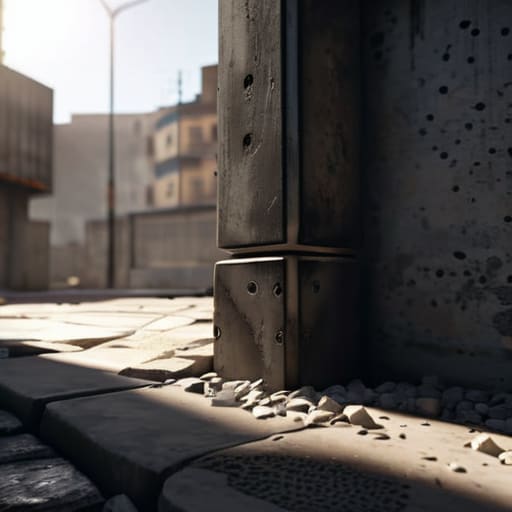
I remember sitting in my dim home office years ago, nursing a lukewarm cup of Earl Grey, watching a “pro” tutorial claim that I needed a $200 mouse and a custom-coded macro to fix my aim. It felt like a sleight of hand designed to sell hardware rather than build skill. The truth is, most players aren’t losing because of their equipment; they’re losing because their crosshair placement is reactive rather than proactive. You aren’t failing because your reflexes are slow; you’re failing because you’re treating the map like a playground instead of a predictable system of angles and geometry.
I’m not here to sell you on a new peripheral or a “secret” sensitivity setting that supposedly defies physics. Instead, I want to pull back the curtain on the actual mechanics of spatial awareness. I promise to give you a direct, no-nonsense breakdown of how to turn your aim from a frantic scramble into a deliberate discipline. We are going to stop aiming at where people are and start aiming where they have to be, transforming your gameplay from mindless clicking into a masterclass of intentionality.
Table of Contents
Pre Aiming Common Angles With Purpose
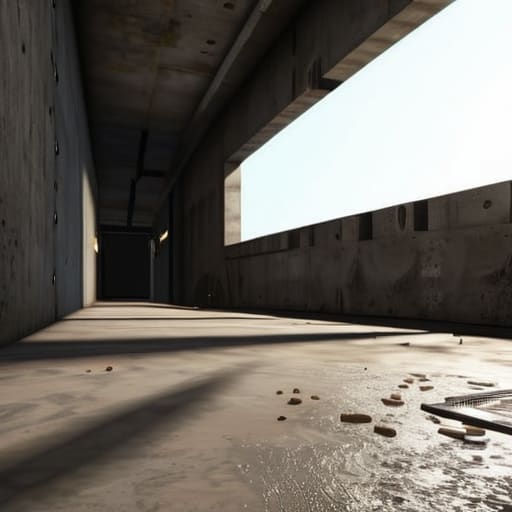
When I was first getting into tactical shooters, I used to treat every corner like a surprise party—I’d swing around and hope for the best. That’s a recipe for disaster. To play with intention, you have to stop reacting to what you see and start anticipating where the threat must be. This is where pre-aiming common angles becomes your most reliable tool. Instead of scanning the environment aimlessly, you should be mentally mapping out the most likely hiding spots. By keeping your reticle glued to the edge of a doorway or the corner of a crate before you even peek, you aren’t just looking; you are preparing.
This systematic approach is the secret to minimizing reaction time. If your crosshair is already resting where an enemy’s head is likely to appear, you’ve effectively removed the “search” phase of the engagement. You aren’t wasting energy on frantic, sweeping mouse movements; instead, you’re executing a single, decisive click. It transforms the game from a test of raw reflexes into a disciplined exercise in geometry and spatial awareness.
Maximizing Mouse Movement Efficiency for Precision
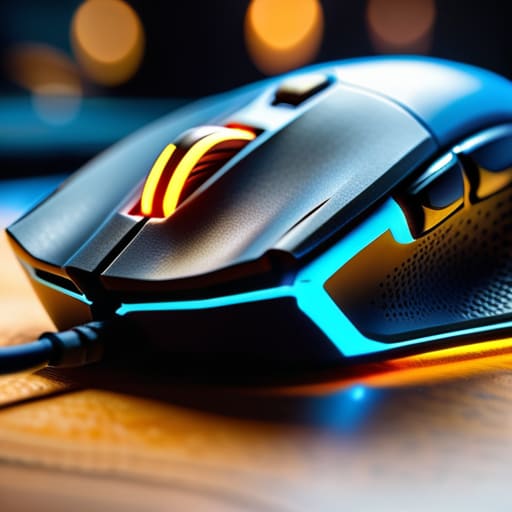
If you’ve spent any time restoring old hardware, you know that friction is the enemy of precision. The same logic applies to your desk setup. When I analyze how players move, I see a massive difference between those who “flick” wildly and those who treat their mouse like a surgical instrument. To truly master mouse movement efficiency, you have to stop thinking about large, sweeping motions and start focusing on micro-adjustments. The goal isn’t to move your hand more; it’s to move it less but with much higher intentionality.
When you reduce the distance your sensor has to travel between targets, you are effectively minimizing reaction time at a physiological level. Instead of a panicked scramble across the pad, your hand should execute small, controlled shifts that keep you in the fight. This isn’t just about raw aim; it’s about the economy of motion. By refining these small movements, you’ll notice a significant headshot percentage improvement because you’re no longer fighting your own momentum to correct a bad initial swing. It’s about discipline over impulse.
Refining the System: Five Nuances of Intentional Placement
- Stop hugging the walls. It’s a common instinct to stay tight to a corner, but that actually gives your enemy more space to swing around you. I’ve learned that maintaining a consistent “buffer zone” between your crosshair and the edge of the geometry gives your brain the millisecond it needs to react to an unexpected movement.
- Treat every doorway like a psychological puzzle. Don’t just look at the center of a room; look at the specific “slices” of space where an opponent is most likely to peek. If you anticipate the angle they’ll use to exploit you, your crosshair is already there waiting for them.
- Level your gaze with the terrain. It sounds basic, but I see so many players scanning the floor or the ceiling during high-stress moments. Always keep your crosshair at head-height relative to the environment, treating the map’s verticality as a fixed constant in your mental model.
- Use your movement to validate your aim. Crosshair placement isn’t a static thing; it’s a dance between your hand and your keyboard. If you find yourself constantly making massive, panicked flicks, it’s a sign your placement is lazy. Aim for small, corrective micro-adjustments rather than sweeping motions.
- Contextualize your positioning. A “perfect” crosshair placement in an open field looks nothing like one in a cramped corridor. You have to constantly recalibrate your mental map based on the geometry of the room you’re currently occupying; don’t let your muscle memory become a rigid liability.
The Core Principles of Precision
Stop treating your crosshair like a cursor and start treating it like a predictive tool; your goal is to place it where the enemy’s head will be, not where it is currently.
Efficiency is born from discipline, so minimize unnecessary micro-adjustments by mastering your mouse control and trusting your pre-aimed geometry.
Intentionality is the bridge between mindless clicking and true mastery; every movement should be a calculated response to the map’s layout rather than a frantic reaction to a stimulus.
## The Geometry of Anticipation
“Stop treating your crosshair like a cursor and start treating it like a prediction; you aren’t just aiming at where an enemy is, you are positioning yourself to meet them exactly where they are forced to be.”
Delia Okonkwo
Moving Beyond the Mechanics
At its core, mastering crosshair placement is about shifting your mindset from reactive to proactive. We’ve discussed how pre-aiming common angles allows you to dictate the terms of an engagement before it even begins, and how optimizing your mouse movement turns raw effort into surgical precision. It isn’t just about clicking heads; it is about reducing the cognitive load on your brain by making your positioning a deliberate part of your strategy. When you stop fighting the map and start working with its geometry, the game stops feeling like a chaotic scramble and starts feeling like a system you can actually control.
As I sit here with my lukewarm Earl Grey, watching the glow of my monitor, I’m reminded that skill isn’t something that happens overnight. It is a slow, methodical accumulation of better habits. Don’t get discouraged if your aim feels heavy or your placement feels sloppy during a tough session; instead, treat every mistake as a data point in your personal evolution. Gaming is a lifelong pursuit of mastery, and every time you choose intentionality over mindless clicking, you are leveling up more than just your character—you are leveling up your mind. Keep practicing, stay observant, and remember that true skill is found in the details.
Frequently Asked Questions
How do I maintain consistent crosshair placement when I'm playing under high pressure or feeling fatigued?
When the pressure spikes or fatigue sets in, your mechanics tend to revert to instinct—and usually, that instinct is sloppy. To fight this, stop trying to “aim harder.” Instead, lean into the system. Treat crosshair placement as a rhythmic habit rather than a conscious struggle. Slow your breathing, reset your posture, and focus on the geometry of the map. If you can’t trust your hands, trust your pre-aiming patterns to do the heavy lifting for you.
Should I adjust my crosshair height based on the specific map geometry, or is there a universal "golden rule" for eye level?
There is no universal “golden rule” because maps are living, breathing geometry. If you stick to a rigid eye-level height, you’ll find yourself staring at floorboards or ceiling tiles when the terrain shifts. Instead, think of your crosshair as a dynamic tool. You must adapt your height to the specific lanes and head-level corridors of the map you’re playing. Treat height adjustment as a deliberate calibration to the environment, not a static setting.
How can I tell if my crosshair placement is actually improving my performance or if I'm just falling into bad habits during practice?
The best way to tell is to look at your “reaction time” versus your “adjustment time.” If you find yourself making micro-corrections or frantic flicks to hit a target, your placement is failing you; you’re playing reactively. True improvement feels quiet. You should be meeting enemies where they are going to be, rather than chasing them. If your kills feel like a result of positioning rather than raw reflex, you’re finally mastering the system.
