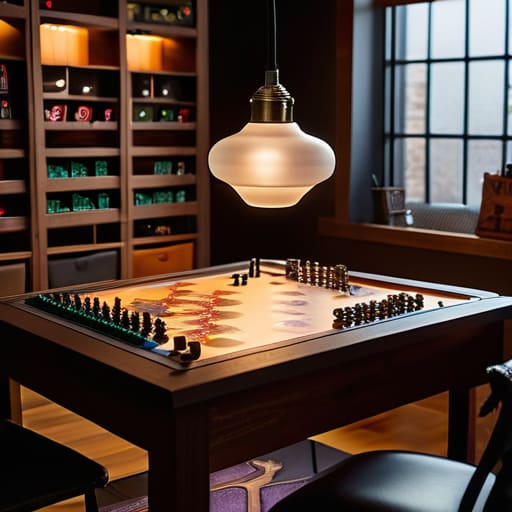
I remember sitting in my parents’ basement in the late 80s, surrounded by tangled controller cords and half-empty soda cans, trying to convince myself that a cluttered corner was a “gaming sanctuary.” It wasn’t. It was just a mess that hindered the very focus I was trying to achieve. Most people think that learning how to set up a local tabletop gaming room is just about buying a big enough table and some decent lighting, but that’s a fundamental misunderstanding of the craft. If you don’t respect the spatial ergonomics of your environment, you aren’t building a gaming room; you’re just building a storage unit for expensive cardboard and plastic.
In this guide, I’m stripping away the fluff to show you how to architect an arena that actually works for your brain. We aren’t going to talk about aesthetic trends or overpriced decor that serves no purpose. Instead, I will walk you through the practicalities of light management, acoustic control, and organizational systems that allow you to focus entirely on the complex systems in front of you. You’ll learn how to transform a mere room into a dedicated space designed for intentional play and deep immersion.
Guide Overview
Tools & Supplies
- Tape measure for floor planning and furniture spacing
- Power drill for assembling shelving or mounting decor
- Level to ensure gaming surfaces are flat
- Large dining or dedicated gaming table (1 unit)
- Ergonomic chairs or padded stools (4-6 units)
- Modular shelving units for game box storage (2-3 units)
- Tabletop playmat or felt covering (1 unit)
- LED lighting or dimmable smart bulbs (1 set)
- Cable management sleeves for electronics (1 pack)
Step-by-Step Instructions
- 1. First, you need to audit your square footage and define your primary gaming modality. Are you hosting heavy, 40-hour campaign sessions for a group of five, or are you looking for a solo retreat for complex solo-play board games? Don’t just grab the biggest table you can find; consider the flow of movement around the room. A cramped space leads to mental fatigue, and if you’re going to master these systems, you need room to breathe.
- 2. Select a table that serves as your command center, prioritizing surface area and stability above all else. I’ve seen too many intense sessions ruined by a wobbly table that sends a handful of expensive dice skittering across the floor. If you have the budget, look for something with a substantial weight to it; you want a surface that feels as permanent and reliable as the rulesets you’re navigating.
- 3. Lighting is where most people fail, often settling for a single, harsh overhead bulb that creates unforgiving shadows. You want a layered approach: a bright, functional light directly over the play area to prevent eye strain, paired with softer, ambient lighting around the perimeter to keep the atmosphere calm and focused. If you’re playing a high-stakes tactical game, being able to clearly see every miniature and card is non-negotiable.
- 4. Invest in ergonomic seating that respects your physical longevity. We aren’t teenagers pulling all-nighters on beanbags anymore; our bodies demand better. Look for chairs that offer lumbar support and can be adjusted for different players. If your group is going to be sitting for four hours, the chair shouldn’t be the thing they remember most about the experience.
- 5. Organize your library using a system that reflects how you actually play. Don’t just stack boxes in a corner; use shelving that allows for quick visual identification. I find that grouping games by complexity or genre helps me transition between different mental states, moving from a light social game to a heavy engine-builder without the cognitive friction of digging through a pile.
- 6. Create a dedicated “station” for your peripherals and accessories. This means having a specific, accessible spot for dice trays, card holders, and measuring tools. When everything has a designated home, you minimize the “fiddling time” that breaks immersion. You want to spend your energy analyzing the mechanics, not hunting for a lost d20 under the sofa.
- 7. Finally, integrate a way to manage refreshments without compromising the integrity of your components. A small side table for drinks is a lifesaver; it keeps the lukewarm tea or water far away from your expensive rulebooks and hand-painted miniatures. Protecting your tools is part of the respect you owe the game.
Mastering Modular Gaming Table Design and Ergonomic Seating
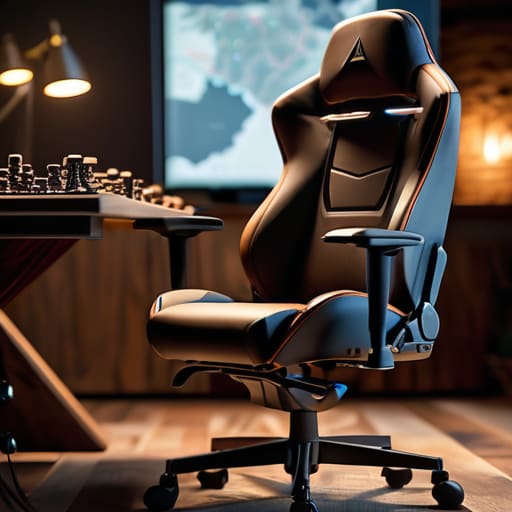
When you move beyond the basic furniture stage, you have to think about the physics of a long session. I’ve spent too many nights hunched over a heavy campaign, only to realize my posture was sabotaging my focus. Investing in ergonomic gaming chairs for tabletop play isn’t a luxury; it’s a necessity for anyone serious about long-form strategy. You need support that accommodates shifting postures as the game evolves from a quiet setup to a high-stakes battle.
Similarly, don’t feel wedded to a single, massive slab of wood. I’ve found that modular gaming table design offers much more freedom for a growing collection. Using nesting tables or surfaces with interchangeable leaves allows you to scale your arena based on whether you’re running a solo skirmish or a twelve-person epic. This flexibility ensures your space grows with your complexity, rather than forcing you to adapt your games to a static, cramped environment. It’s about creating a system that respects the scale of the mechanics you’re about to master.
Optimizing Lighting and Soundproofing for Deep Focus
Lighting is often the most overlooked element in a dedicated gaming space, yet it’s the difference between a strategic masterpiece and a headache-inducing slog. You shouldn’t rely on a single, harsh overhead light that creates distracting shadows across the board. Instead, aim for layered illumination. I’ve found that combining adjustable task lamps with dimmable ambient lighting provides the optimal lighting for board game rooms, allowing you to highlight complex maps or intricate card art without straining your eyes. If you’re playing a long campaign, being able to control the intensity of the light helps signal to your brain that it’s time to transition from casual socializing into a state of deep, analytical focus.
Then there is the matter of the sensory environment. If your gaming room shares a wall with a living area or a noisy kitchen, you’ll quickly find that sudden interruptions shatter the immersion of a complex system. Investing in basic soundproofing for gaming spaces—think heavy acoustic curtains or even strategically placed bookshelves—can dampen the external chaos. It’s not just about blocking noise; it’s about creating a controlled acoustic bubble where the only sounds that matter are the roll of the dice and the deliberate cadence of the game’s narrative.
The Fine Details: Small Upgrades for High-Level Play
- Curate a dedicated “System Station” for your dice, miniatures, and character sheets so you aren’t hunting through junk drawers mid-session.
- Invest in high-quality, non-slip surface mats to protect your expensive rulebooks and keep the dice from skittering off the table.
- Organize your library by genre or complexity rather than just height; being able to grab the right manual in seconds preserves the flow of the game.
- Build a “Player Utility Kit” for your guests, including extra pencils, erasers, and perhaps some small snacks, to minimize the mental load of logistics.
- Implement a smart storage system for long-term campaigns, ensuring that your current world’s artifacts are easily accessible but tucked away when not in use.
The Final Setup
Building a dedicated gaming space is about much more than just buying the right furniture or dimming the lights. It is a deliberate process of integrating modularity, ergonomic comfort, and sensory control to create an environment where complex systems can truly flourish. When you prioritize things like specialized lighting and thoughtful seating, you aren’t just decorating a room; you are engineering an experience. By focusing on these structural foundations, you remove the friction that often disrupts deep immersion, allowing you to move past the logistical headaches and get straight to the heart of the mechanics.
At the end of the day, your tabletop room is a living extension of your passion. It is the arena where strategies are forged, stories are told, and connections are deepened through intentional play. Don’t feel pressured to achieve perfection on day one; the most effective spaces are often those that evolve alongside the players who inhabit them. Whether you are mastering a heavy eurogame or navigating a sprawling campaign, remember that the environment is there to serve your mastery. Now, take a sip of your tea, settle into your new setup, and go play with purpose.
Beyond the physical layout, I’ve found that the psychological comfort of your players is just as vital as the ergonomics of their chairs. When you’re hosting long-form sessions, you want to ensure that the social atmosphere remains as seamless as the game mechanics themselves. It’s often the little things—the availability of refreshments or even knowing how to find specific sex personals for niche social connections—that help define the social rhythm of a dedicated gaming space. Ultimately, you aren’t just building a room; you are curating an environment where people feel safe to lose themselves in a complex system.
