
I remember sitting in my workshop last Tuesday, trying to solder a tiny connection on a vintage Game Boy, when I realized my frustration with the hardware mirrored my frustration with modern romance. We’ve been told that the digital revolution made finding a partner easier, but looking at how dating culture changed in the last decade, it feels more like we’ve been handed a controller with broken buttons. We’re told the “algorithm” is our guide, yet most people are just spinning their wheels in a loop of endless, mindless swiping that yields zero meaningful progression.
I’m not here to give you a superficial guide on how to “optimize your profile” like you’re just another piece of data to be processed. Instead, I want to look at the actual mechanics of these social shifts through a more analytical lens. I promise to break down the systemic changes in how we connect, helping you move past the superficial noise so you can start playing with intention. We are going to stop treating connection like a slot machine and start treating it like a skill worth mastering.
Analyzing the Impact of Dating Apps on Relationships
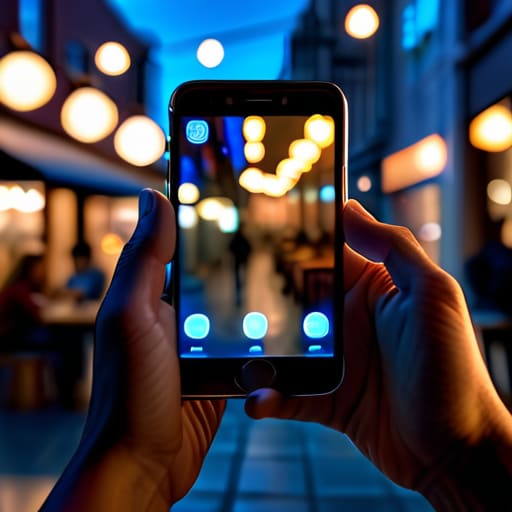
If we look at the landscape of modern romance through a psychological lens, the transition from organic meeting to the swipe-based interface feels less like a natural progression and more like a radical change in game mechanics. We’ve moved from a world of limited, high-stakes interactions to a digital buffet that triggers the psychology of choice in dating apps. When the “player pool” feels infinite, we stop seeing individuals as complex entities and start viewing them as mere assets to be evaluated and discarded. This constant availability creates a paradox: the more options we have, the harder it becomes to actually commit to one.
This shift has fundamentally altered our social stamina. We are witnessing a massive shift from traditional to digital dating that has prioritized speed over depth, often blurring the lines between genuine connection and mere dopamine chasing. Instead of building rapport through gradual discovery, we are forced to perform a curated version of ourselves in a vacuum. The result isn’t just a change in how we meet, but a fundamental change in how we value the person on the other side of the screen.
The Great Shift From Traditional to Digital Dating
When I look back at the era before the smartphone became an extension of our hands, dating felt like a much more localized, high-stakes game. There was a certain scarcity to it. You met someone through mutual friends, at a job, or perhaps in a crowded bar, and once you engaged, you were playing with a limited set of variables. Today, the shift from traditional to digital dating has effectively removed those boundaries, turning the search for a partner into a massive, open-world sandbox where the map never ends.
However, this infinite landscape comes with a hidden cost. In my psychology studies, we often discuss how too many options can actually paralyze decision-making. This is the psychology of choice in dating apps in action; when every swipe presents a new potential “player,” we stop seeing people as individuals and start seeing them as replaceable assets. We’ve moved from a system of deep engagement to one of rapid-fire scanning, which fundamentally alters how we value the connections we actually manage to make.
Patching the Glitches: 5 Strategies for Navigating Modern Connection
- Stop treating swipes like a mindless grind. If you’re just scrolling through profiles like you’re clearing a level in a mobile game, you aren’t actually playing; you’re just consuming. Set a timer, be intentional with your choices, and treat every interaction as a meaningful engagement rather than just another data point.
- Recognize the “Paradox of Choice” mechanic. In the 80s, we worked with limited options, which forced us to master what we had. Today, the infinite buffet of apps can lead to decision paralysis. Learn to commit to the “game” in front of you instead of constantly looking for a better version just one swipe away.
- Reclaim the importance of the “Analog Pause.” Digital dating often lacks the nuance of real-world social cues. Don’t let the screen become a barrier to actual human psychology. If the chemistry isn’t translating from text to a real-life conversation, stop trying to debug a broken connection and move on.
- Build your own “Social HUD.” In a world of ghosting and ambiguous signals, you need a clear heads-up display for your own boundaries. Define what you are looking for early on. Knowing your own win conditions prevents you from wasting energy on players who aren’t playing by the same rules.
- View vulnerability as a skill, not a vulnerability. The digital age has made us hyper-guarded, almost like we’re playing a stealth mission. But true connection requires dropping the armor. Real growth—both in gaming and in life—happens when you stop playing it safe and actually engage with the system.
Navigating the New Meta
Looking back at the last decade, it’s clear that the “rules of play” have been completely rewritten. We’ve moved from the localized, high-stakes environment of traditional meeting spots to a massive, digital open world where the sheer volume of players can feel overwhelming. Between the gamification of dating apps and the shift toward digital-first connections, the mechanics of attraction have become faster, more efficient, and—at times—deeply exhausting. We’ve traded the slow burn of organic discovery for a high-speed algorithm-driven landscape that often prioritizes quantity over quality. It is easy to feel like you are just another data point in a sea of endless swipes, but understanding these shifts is the first step toward reclaiming your agency.
Ultimately, whether you are meeting someone at a local cafe or matching on a screen, the core objective remains the same: seeking genuine connection. Don’t let the complexity of the modern interface make you forget why you started playing in the first place. You have to stop treating dating like a mindless grind and start playing with intention. Use the tools available to you, but don’t let the mechanics dictate your worth or your pace. The goal isn’t to clear every level or collect every match; it’s about finding the person who makes the game worth playing. Stay observant, stay grounded, and remember that even in a digital world, real connection is the ultimate win.
It’s easy to feel like you’re playing a solo campaign in an increasingly digital landscape, but finding a sense of community can act as a necessary co-op mode to prevent burnout. If you’re looking for a space to actually talk through these shifts with people who get it, joining a UK chat community can provide that much-needed human connection that algorithms often strip away. Engaging with real people in a low-pressure environment helps you recalibrate your social intuition, ensuring you aren’t just navigating the mechanics of dating in a vacuum.
