
I remember sitting in my dimly lit study last Tuesday, sipping a lukewarm Earl Grey, staring at a headline claiming that an esports career was a “get rich quick” scheme for the teenage elite. It irritated me. The industry is constantly surrounded by this loud, neon-soaked hype that suggests if you aren’t a prodigy by age fourteen, you’ve already missed the boat. That’s a lie. People treat professional gaming like a lottery ticket, but they ignore the actual cognitive architecture required to sustain it.
I’m not here to sell you on a dream of overnight stardom or mindless grinding. Instead, I want to pull back the curtain on what it actually takes to build a sustainable esports career through intentionality and psychological discipline. My goal is to provide you with a no-nonsense roadmap that treats gaming as the complex system it is. We aren’t just going to talk about high scores; we are going to discuss how to master the mechanics, manage your mental load, and turn your passion into a professional craft that lasts.
Table of Contents
Mastering the Pro Gamer Training Regimen
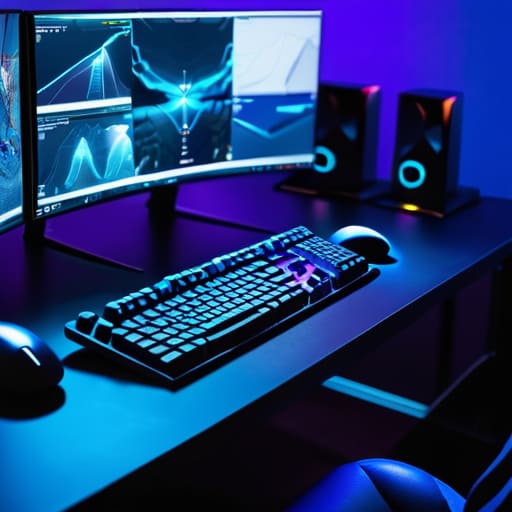
If you want to move beyond the casual loop, you have to stop treating your practice sessions like aimless playtime. A true pro gamer training regimen isn’t just about high APM or twitch reflexes; it’s about structured, deliberate practice. I’ve spent years studying how systems influence behavior, and I can tell you that the most successful players approach their setups like an athlete approaches a gym. This means scheduled VOD reviews, targeted mechanical drills, and—most importantly—understanding the psychology of tilt. You aren’t just playing the game; you are training your brain to remain calm under systemic pressure.
Beyond the mechanical grind, you need to consider the mental architecture that supports longevity. This is where gaming performance coaching becomes a game-changer. Many aspiring pros overlook the fact that burnout is a physiological reality, not just a lack of motivation. Integrating physical wellness and cognitive recovery into your routine isn’t a distraction from your goals; it is the very foundation that allows you to sustain a high level of play. If you want to turn this passion into a sustainable lifestyle, you must learn to manage your most valuable asset: your own focus.
Navigating Diverse Esports Industry Job Roles
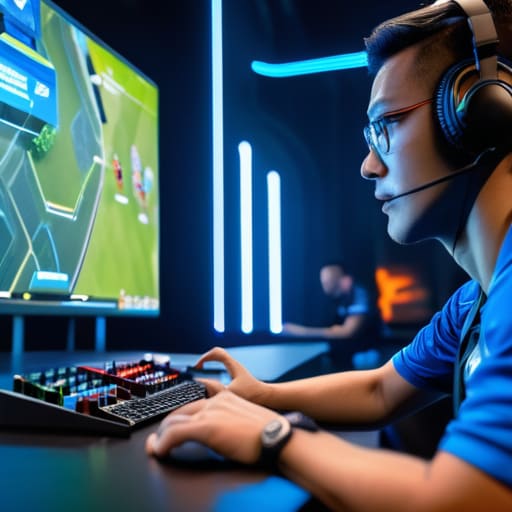
When people think about a professional path in this space, they often default to the image of a teenager sitting in a high-end chair, clicking a mouse at lightning speed. But if you look closer at the actual architecture of the scene, you’ll see it’s far more nuanced. There is a massive spectrum of esports industry job roles that require entirely different cognitive toolkits. Some of you might find your calling in the high-pressure environment of esports management opportunities, where logistics and human psychology intersect to keep a roster functional. Others might lean into the analytical side, perhaps finding fulfillment in gaming performance coaching, helping athletes bridge the gap between raw talent and mental discipline.
It isn’t just about the players, either. The ecosystem thrives on creators and strategists. I’ve seen brilliant minds pivot from competitive play into the art of building a gaming brand, turning their deep systemic knowledge into influential content. Whether you are navigating the academic route through esports scholarship programs or carving out a niche in production and data analysis, the key is to identify where your specific temperament meets the industry’s needs. It’s about finding your unique slot in the machine.
Building Your Blueprint: 5 Pillars of a Sustainable Esports Career
- Treat your mental health like your hardware. You wouldn’t run a high-end rig on a failing power supply, so don’t expect your brain to perform at a pro level if you’re neglecting sleep and burnout prevention.
- Curate a digital footprint that reflects your professional intent. Whether you’re a player or a manager, your social presence is your resume; make sure it shows the discipline and insight you bring to the table.
- Master the mechanics, but study the systems. Don’t just grind for hours in a vacuum; analyze the patch notes, study the meta-shifts, and understand the “why” behind the win to develop true strategic depth.
- Network with intention, not just for clout. Real opportunities in this industry often come from the quiet connections made in community Discord servers or at small tournaments, not just by chasing followers.
- Diversify your skill set early. The esports landscape is volatile, so learning adjacent skills like data analysis, technical writing, or broadcast production ensures you aren’t just a player, but an indispensable asset to any organization.
The Blueprint for Intentional Growth
Stop treating practice as mindless repetition; treat it as a psychological study of your own mechanics to build true mastery.
Look beyond the player’s seat—the industry is a vast ecosystem where technical writing, psychology, and management are just as vital as mechanical skill.
Longevity in esports requires a disciplined regimen that balances intense performance with the mental fortitude to navigate a rapidly shifting meta.
Beyond the Controller
“An esports career isn’t just about having the fastest reflexes in the lobby; it’s about understanding the underlying systems of the industry and treating your growth with the same technical precision you bring to your gameplay.”
Delia Okonkwo
Building Your Legacy in the Arena
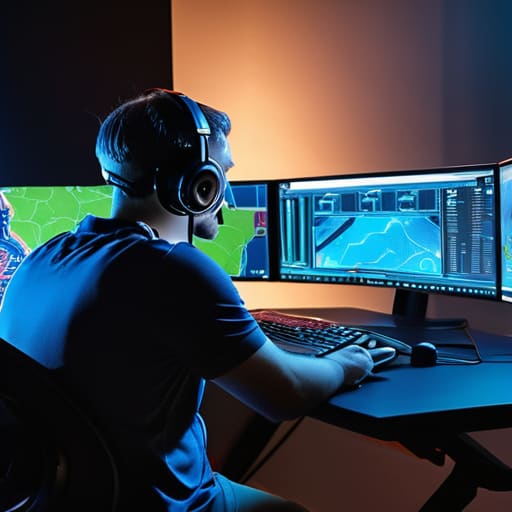
Transitioning from a casual player to a professional in the esports ecosystem requires more than just quick reflexes. We have looked at how a disciplined training regimen mimics the rigor of traditional athletics, and how the industry offers a vast landscape of roles—from coaching and management to technical production and data analysis. Whether you are aiming for the spotlight on stage or the stability of a behind-the-scenes position, the common denominator is intentionality. You cannot simply drift into a career in this space; you have to treat the industry as a complex system that rewards those who study its mechanics as deeply as they play its games.
As I sit here with my tea, watching the telemetry of a high-level match, I am reminded that the landscape is constantly shifting. What works today might be obsolete by next season, but the fundamental drive to master a craft is timeless. Don’t let the fear of the “unproven” stop you from pursuing this path. Whether you are twenty or forty, the goal remains the same: to move beyond mindless consumption and start contributing something meaningful to the culture. Go into this with your eyes open and your strategy set, because the next great era of esports is waiting for those who are ready to play with purpose.
Frequently Asked Questions
How do I balance the intense physical and mental demands of professional training with long-term burnout prevention?
You have to treat your brain like the high-performance engine it is. In my psychology studies, we call it cognitive load; in gaming, it’s just pure burnout waiting to happen. Don’t mistake mindless grinding for actual progress. Schedule deliberate “analog” breaks—step away from the screen, stretch, and let your nervous system reset. If you don’t build structure around your rest, the system will eventually break you. Play with intention, or you won’t be playing at all.
Is it better to specialize in one specific title early on, or should I focus on building a broader understanding of different game genres?
It’s a classic tension between depth and breadth. If you want to compete at the highest level, you eventually have to specialize; mastery requires an intimate understanding of a single game’s nuances. However, don’t rush that process. Early on, I suggest exploring different genres. Developing a broad mechanical foundation—understanding resource management in RTS or spatial awareness in shooters—builds a mental toolkit that makes mastering any specific title much more intuitive later.
What are the most effective ways to build a personal brand that attracts sponsors without losing my authentic identity?
The trick is to stop viewing sponsors as “patrons” and start seeing them as partners in your specific ecosystem. Don’t perform a character; that’s exhausting and eventually collapses. Instead, identify the values that already drive your play—whether it’s technical precision or a love for retro aesthetics—and find brands that mirror them. When your brand is built on your actual habits and insights, a sponsorship feels like a natural extension of your expertise, not a betrayal of it.
