
I still remember the specific, metallic scent of a crowded arcade in 1988—a mix of ozone, floor wax, and the frantic clicking of joysticks. Back then, we weren’t obsessed with follower counts or the latest microtransaction drama; we were just trying to decode the logic of a high score. Today, when I look at the state of modern gaming culture, it feels like the signal has been lost in all the noise. We’ve traded the deep, quiet satisfaction of understanding a game’s core mechanics for a loud, performative cycle of constant consumption and endless hype.
I’m not here to lecture you on what’s trending or which streamer to follow. My goal is to strip away the fluff and look at the systems underneath. I want to help you move past the mindless grind and rediscover the intentionality that makes playing actually meaningful. Through this series, I’ll provide honest, experience-based insights into how we can engage with games more deeply, turning every session from a mere distraction into a genuine pursuit of mastery.
Table of Contents
- The Esports Evolution and Impact on Competitive Mastery
- Navigating Toxic vs Positive Gaming Environments With Intention
- Playing with Purpose: Five Ways to Reclaim Your Agency in Modern Gaming
- Moving From Consumption to Mastery
- The Intentional Player's Creed
- The Path Forward: Playing with Purpose
- Frequently Asked Questions
The Esports Evolution and Impact on Competitive Mastery
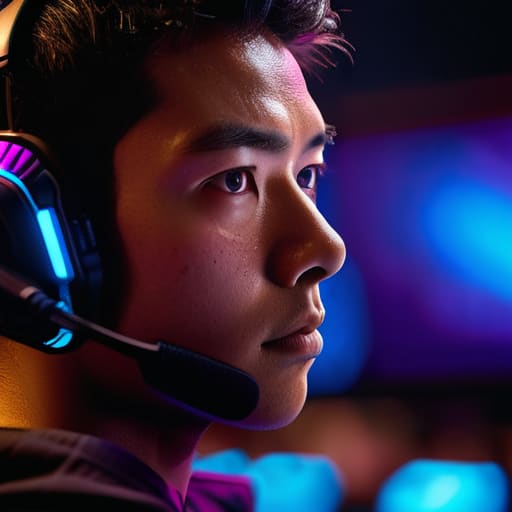
When I look at the current landscape of professional play, I see more than just high-stakes tournaments; I see a fundamental shift in how we define skill. The esports evolution and impact has transformed gaming from a solitary pursuit into a highly disciplined, athletic endeavor. It’s no longer enough to just have fast reflexes. To reach the upper echelons of competitive mastery, players must now understand deep-level game theory and mental fortitude. We are witnessing the transition from casual enthusiasts to specialized professionals who treat every frame as a critical decision.
However, this intense pressure brings a complicated side effect: the shift in how we interact within these high-stakes arenas. The rise of professional play has significantly altered gaming community dynamics, often blurring the line between healthy competition and burnout. As the stakes get higher, the psychological toll on players becomes more visible. I’ve noticed that true mastery requires not just technical precision, but the ability to navigate these high-pressure social structures without losing one’s sense of purpose. It’s about finding that balance between the drive to win and the intention to actually enjoy the system you’ve worked so hard to master.
Navigating Toxic vs Positive Gaming Environments With Intention

We’ve all been there: you’re deep in a high-stakes match, finally finding your rhythm, only to have a teammate’s vitriol shatter your focus. It’s a phenomenon that highlights the stark contrast within toxic vs positive gaming environments. From a psychological standpoint, these outbursts aren’t just “part of the game”; they are systemic failures in how we interact through a screen. When we lose our composure, we stop playing the game and start playing the ego. I’ve learned that the only way to protect my mental headspace is to treat my social interaction like a resource—one that must be managed with the same precision as my cooldowns or inventory.
Navigating these spaces requires a shift in how we view gaming community dynamics. Instead of being passive recipients of the prevailing mood, we have to be intentional architects of our own experience. This means setting boundaries, curating our friend lists, and choosing to model the behavior we want to see. By focusing on constructive feedback rather than mindless insults, we can transform a chaotic lobby into a space for genuine skill development and shared mastery.
Playing with Purpose: Five Ways to Reclaim Your Agency in Modern Gaming
- Audit your play sessions. Before you hit ‘start,’ ask yourself if you’re playing to master a mechanic or just to kill time. If you find yourself mindlessly grinding without a goal, step away from the console and reset your intention.
- Curate your digital space like a library. Gaming culture can get loud and messy; don’t let it. Use mute functions and community filters aggressively to ensure your gaming time remains a sanctuary for focus rather than a source of stress.
- Study the systems, not just the spectacle. Instead of just following a walkthrough, take a moment to look at the underlying logic of a game’s economy or combat loop. Understanding the ‘why’ behind the mechanics turns a distraction into a mental exercise.
- Seek out multi-generational communities. Don’t silo yourself into age-based bubbles. Some of the best insights come from bridging the gap between the arcade-era logic of older players and the high-speed reflex culture of the new guard.
- Value depth over breadth. It is easy to get caught in the trap of playing ten different titles poorly. Pick a few systems that actually challenge your cognitive limits and commit to understanding them deeply. Mastery requires patience, not just a large backlog.
Moving From Consumption to Mastery
Stop treating games as mere time-wasters and start treating them as systems to be decoded; true enjoyment comes from understanding the underlying mechanics rather than just reacting to them.
Protect your mental bandwidth by choosing intentional play over mindless grinding, ensuring that your gaming sessions nourish your curiosity instead of draining your energy.
Cultivate a disciplined approach to both competition and community, recognizing that mastery requires as much emotional intelligence and environmental awareness as it does mechanical skill.
The Intentional Player's Creed
“Gaming culture isn’t just the sum of the titles we play or the communities we join; it’s the collective way we choose to engage with these systems—moving away from mindless consumption and toward a genuine, disciplined mastery of the craft.”
Delia Okonkwo
The Path Forward: Playing with Purpose

We have looked at how the high-stakes world of esports has redefined mastery and how we must actively choose to curate our own social spaces within the digital landscape. It isn’t enough to simply exist within these ecosystems; we have to understand the mechanics of the communities we inhabit and the competitive structures that drive them. Whether you are navigating a high-pressure ranked ladder or trying to avoid the friction of a toxic lobby, the common thread is intentionality. When we stop being passive consumers and start becoming active participants, we transform the way we experience every single session.
As I sit here with my tea, watching the glow of a screen that has been part of my life since the days of pixelated sprites and simple joysticks, I am reminded that gaming is an evolving dialogue between the player and the system. It is a lifelong pursuit that matures alongside us. Don’t let the noise of the industry drown out your own sense of wonder or your drive to improve. My hope is that you walk away from your controller not just having “played a game,” but having mastered a system and found a deeper connection to the craft. Keep playing, keep learning, and most importantly, play with purpose.
Frequently Asked Questions
How can I transition from mindless grinding to actually understanding the underlying mechanics of a game?
Stop treating the game like a checklist and start treating it like a puzzle. When you find yourself grinding, pause. Ask yourself: Why does this specific item increase my DPS? How does this cooldown interact with the boss’s attack pattern? Instead of repeating the same loop, experiment with small variables. Once you stop chasing the dopamine hit of a level-up and start chasing the logic of the system, the game actually begins to open up.
As the industry shifts toward live-service models, how do we maintain a sense of intentionality instead of just falling into endless engagement loops?
Live-service models are designed to exploit our dopamine loops, turning play into a chore through “daily login” checklists and FOMO. To fight this, you have to reclaim your agency. Ask yourself: am I playing for the mastery of a mechanic, or am I just clicking because a progress bar told me to? If the engagement feels hollow, step away. Don’t let a developer’s retention metric dictate your relationship with the game.
What are some practical ways to cultivate a more mindful and focused mindset when playing solo versus in a competitive multiplayer environment?
When I’m playing solo, I treat the experience like a study session. I focus on the “why” behind the mechanics—observing how a specific boss pattern or level design triggers my reflexes. It’s about presence. In multiplayer, however, the goal shifts to emotional regulation. Instead of letting the adrenaline or a teammate’s mistake derail me, I use tactical breathing to stay grounded. Don’t let the chaos dictate your rhythm; master your internal state first.
