
I remember the specific, electric hum of a crowded arcade in 1988, the smell of ozone and stale popcorn, and the way a group of strangers would gather around a single cabinet just to watch a high-score run. There was a tangible, unscripted connection in those spaces. Fast forward to today, and the concept of a gaming community often feels fractured by toxic discourse, performative influencer culture, and the sheer noise of digital shouting matches. We’ve traded the shared physical tension of a local high-score battle for massive, often hollow online ecosystems that prioritize engagement metrics over actual human connection.
I’m not here to sell you on the idea that every Discord server is a sanctuary or that more followers equals a better experience. Instead, I want to help you navigate these complex social systems with intention. I’m going to share how to find—and build—spaces that actually foster meaningful skill-sharing and genuine camaraderie. We’re going to move past the mindless scrolling and the toxicity to discover how you can engage with others in a way that enhances your mastery of the game rather than just draining your mental energy.
Table of Contents
- Decoding Online Gaming Culture Through Intentional Play
- The Nuance of Player Behavior in Multiplayer Games
- Building Better Bonds: 5 Ways to Navigate the Digital Social Landscape
- Mastering the Social Mechanics of the Game
- The Architecture of Connection
- Finding Your Place in the System
- Frequently Asked Questions
Decoding Online Gaming Culture Through Intentional Play

When we look at the mechanics of online gaming culture, it’s easy to get lost in the noise of toxic lobbies or the sheer chaos of a massive raid. But if we apply a bit of psychological scrutiny, we see that these spaces are actually mirrors of our own social tendencies. Most people default to reactive, mindless play, which often leads to friction. However, when we shift toward intentionality, we start to see how player behavior in multiplayer games is shaped by the systems we inhabit. If the game rewards aggression without coordination, that’s exactly what you’ll get.
To move beyond the toxicity, we have to treat our digital spaces like the complex ecosystems they are. This means moving past the “every man for himself” mentality and focusing on collaborative gaming experiences that actually respect the time and effort of others. It isn’t just about winning a match; it’s about understanding the social architecture of the lobby. When we approach a match with the goal of contributing to a functional system rather than just chasing a high score, we begin building healthy gaming environments that actually sustain us for the long haul.
The Nuance of Player Behavior in Multiplayer Games
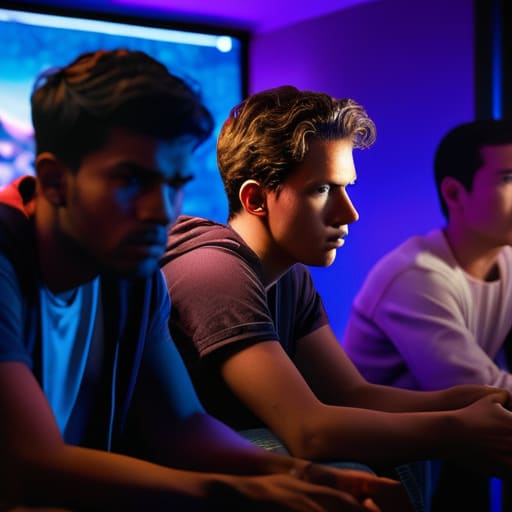
When we step into a multiplayer lobby, we aren’t just entering a digital arena; we are entering a complex psychological ecosystem. I’ve spent years observing how people react under pressure, and nothing reveals human nature quite like a high-stakes match. Player behavior in multiplayer games is rarely a monolith. You have the silent tacticians, the loud agitators, and the accidental chaos agents. Most of the time, the friction we experience isn’t actually about the game mechanics themselves, but about the unspoken social contracts we expect others to follow. When someone breaks that contract—whether through griefing or toxicity—it disrupts the cognitive flow that makes gaming so rewarding.
To truly master these spaces, we have to move past the reactive cycle of anger and toward something more constructive. This means recognizing that building healthy gaming environments isn’t just the job of developers or automated moderation tools; it’s a collective responsibility. When we choose to communicate with intent rather than reacting to every insult, we shift the entire energy of the match. It’s about transforming a chaotic digital space into a place where collaborative gaming experiences can actually flourish.
Building Better Bonds: 5 Ways to Navigate the Digital Social Landscape
- Seek out intentionality over proximity. Don’t just join every Discord server that pops up in your feed; find the niche communities that align with your specific playstyle and values. A small, focused group of players who value skill and respect is worth more than a massive, toxic lobby.
- Master the art of the “constructive critique.” In competitive spaces, it’s easy to let frustration turn into mindless venting. Instead, try to analyze the mechanics of a teammate’s mistake—or your own—to foster a culture of actual improvement rather than just blame.
- Practice digital empathy. Remember that there is a human being on the other side of that avatar, likely dealing with their own real-world stressors. Approaching a high-stakes match with a calm, observant mindset can prevent the toxic spiral that ruins the experience for everyone.
- Value the “quiet” contributors. Not every great community member is a loud leader or a top-tier pro. Some of the most vital players are the ones who provide steady, reliable support and maintain the social equilibrium of the group. Learn to recognize and appreciate them.
- Set boundaries to protect your joy. Gaming should be a pursuit of mastery, not a source of burnout. If a community’s culture begins to feel more like a second job or a source of anxiety, step back. Your relationship with gaming is personal, and you shouldn’t sacrifice your mental clarity for a leaderboard.
Mastering the Social Mechanics of the Game
Shift your focus from mindless participation to intentional connection; treat every multiplayer interaction as a chance to practice social intelligence rather than just reacting to toxicity.
Recognize that community dynamics are just another layer of game design—understanding the “unwritten rules” of a server is just as vital as mastering the combat mechanics.
Use your time in digital spaces to build genuine skill, both in-game and in how you navigate complex human behaviors, turning every session into a lesson in intentionality.
The Architecture of Connection
A gaming community isn’t just a collection of players sharing a server; it’s a living, breathing ecosystem where the real mastery lies not in your high score, but in how you contribute to the collective rhythm of the group.
Delia Okonkwo
Finding Your Place in the System

At the end of the day, understanding the gaming community isn’t about memorizing the unwritten rules of a specific lobby or avoiding every toxic player in a matchmaking queue. It’s about recognizing that we are all part of a massive, interconnected system of human behavior. We’ve looked at how intentional play changes our perspective and how the nuances of player interaction can either build or break a digital space. When we stop treating multiplayer environments as mere battlegrounds and start seeing them as complex social ecosystems, our entire approach to the game shifts. We move away from reactive, mindless participation and toward a more deliberate way of existing within these digital worlds.
As I sit here with my tea, watching the light fade on my workbench, I’m reminded that the communities we build are only as strong as the intention we bring to them. Gaming isn’t a phase we outgrow; it’s a landscape that evolves alongside us, offering new ways to connect and master ourselves. Don’t just settle for being another anonymous avatar in the crowd. Aim to be the player who brings clarity, skill, and purposeful connection to every session. Whether you’re navigating a high-stakes raid or a casual handheld session, remember that mastering the game begins with mastering how you engage with the people playing it alongside you.
Frequently Asked Questions
How can I shift from being a passive observer in a guild or clan to actually contributing to the group's collective skill?
Stop waiting for a formal invitation to lead; most guilds operate on unspoken needs. Start by mastering a niche role—whether that’s resource management or perfecting a specific mechanic—that others overlook. Instead of just showing up for raids, study the group’s patterns. When you identify a recurring failure point, don’t just complain; offer a structured solution or a brief tutorial. Transitioning from observer to contributor requires moving from “how do I play?” to “how do we win?”
Is it possible to maintain a sense of intentionality when the community culture leans heavily into toxic or mindless competitive behaviors?
It’s a massive challenge, but it’s entirely possible. When a lobby descends into toxicity, the instinct is to react emotionally, but that’s exactly how the cycle continues. I treat it like a psychological study: I detach from the noise and refocus on the mechanics. By setting my own internal standards for how I interact and play, I refuse to let their chaos dictate my experience. Don’t let their mindless aggression derail your intentionality.
How do the social dynamics of a gaming community change as we move from the high-intensity mechanics of our youth into more mature, long-term playstyles?
When I was younger, social connection was a byproduct of adrenaline—we bonded over high scores and frantic, split-second reactions. Now, my focus has shifted. As we age, the “why” of the community changes. We move away from the dopamine chase of competitive dominance toward more sustainable, collaborative structures. It’s less about proving we’re the fastest and more about the shared mastery of complex systems and the steady, meaningful rhythms of long-term play.
