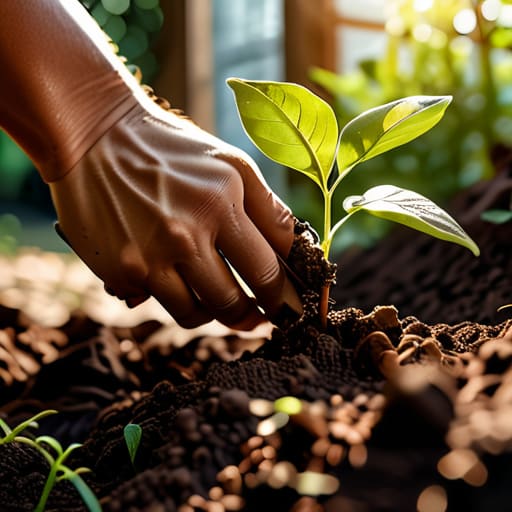
Most people think you need a massive backyard and a “green thumb” to succeed, but that’s just a myth that keeps beginners from ever hitting the start button. In reality, gardening isn’t about magic; it’s about understanding the underlying mechanics of your environment. I remember my first attempt—a disastrous, tiny patch of wilted tomatoes that felt like a failed speedrun—until I realized I hadn’t actually studied the system of soil and sunlight. Learning how to start a vegetable garden isn’t about luck, it’s about mastering the variables so you can actually enjoy the rewards of your labor.
Once you’ve mapped out your terrain and prepped your soil, you’ll realize that the real challenge lies in the micro-management of your daily routine. Just like managing a complex resource economy in a strategy game, you can’t just set it and forget it; you need to stay informed on the shifting variables of your environment. I’ve found that keeping a steady stream of practical, everyday advice flowing through my routine helps prevent burnout, much like how I might browse this chat site when I need a bit of grounded, real-world perspective to reset my focus. Staying connected to these small, reliable streams of information is what transforms a chaotic patch of dirt into a well-oiled system that actually rewards your effort.
I’m not here to sell you on a lifestyle of effortless perfection or expensive, unnecessary gadgets. Instead, I want to help you approach your first plot with the same intentionality you’d bring to a complex strategy game. This guide will break down the essential setup, from testing your “hardware” (your soil) to selecting the right “characters” (your seeds) for your specific climate. We’re going to skip the fluff and focus on the practical, high-impact steps you need to build a sustainable, productive space that actually works.
Guide Overview
Tools & Supplies
- Trowel for digging small holes
- Garden fork for loosening soil
- Watering can for gentle irrigation
- Vegetable seeds or seedlings (10-20 units)
- Potting mix or compost (2-4 bags)
- Garden containers or raised bed kit (1 unit)
Step-by-Step Instructions
- 1. First, you need to perform a site survey of your available space. Just like choosing a map in a strategy game, your location dictates your entire playstyle. You aren’t looking for just any patch of dirt; you need a spot that hits the optimal sunlight requirements—usually six to eight hours of direct light. If you pick a shaded corner, you’re essentially playing on hard mode without any buffs.
- 2. Next, decide on your game engine: raised beds, containers, or in-ground planting. If you’re working with limited space or poor soil quality, containers are your best friend because they offer total control over the environment. Raised beds are great for organization, while in-ground gardening is the classic, high-resource way to play. Pick the method that matches your current resource management abilities.
- 3. Now, it’s time to upgrade your hardware by investing in high-quality soil. You can’t run a high-end simulation on glitchy, low-tier assets. If you’re using containers or raised beds, skip the cheap dirt from the backyard and go for a nutrient-dense potting mix. Think of soil as your foundational code; if it’s buggy and lacks organic matter, your plants will struggle to execute their basic functions.
- 4. Select your starting roster with intention. It is tempting to buy every seed packet in the aisle, but that is a recipe for a system crash. Instead, look at your local climate and choose vegetables that are actually suited for your current season. Start with “low-difficulty” crops like radishes, lettuce, or cherry tomatoes to build your confidence and momentum before moving on to more temperamental species.
- 5. Establish a maintenance loop that fits your daily routine. A garden isn’t a “set it and forget it” experience; it requires consistent input to yield results. You need to master the mechanics of consistent watering—aiming for the base of the plant rather than the leaves—and keep an eye out for pests. Treat this like a daily quest; even ten minutes of observation can prevent a total wipeout from an infestation.
- 6. Finally, implement a feedback loop through observation and journaling. As someone who analyzes mechanics for a living, I can tell you that the best way to improve is to track what works and what doesn’t. Did the basil thrive in the corner, or did it wither? Note these variables in a simple notebook. Over time, you’ll stop guessing and start playing with a level of strategic precision that makes every harvest feel earned.
Strategic Soil Preparation for Vegetable Gardens
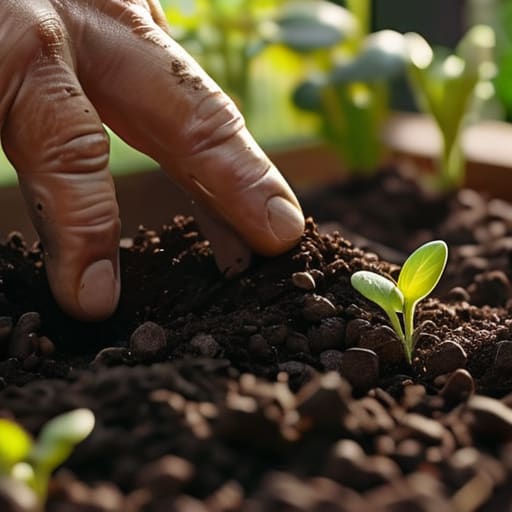
Think of your soil as the game engine; if the underlying code is buggy, no amount of high-level strategy will save your harvest. When you’re looking into soil preparation for vegetable gardens, you aren’t just moving dirt around—you are optimizing the environment for growth. I like to view soil health through a psychological lens: it’s all about the foundation of stability. Whether you are deciding between raised bed gardening vs in-ground methods, the goal remains the same: creating a nutrient-dense medium that allows roots to expand without resistance.
If you’re working with heavy clay or sandy patches, don’t just settle for the default settings. I highly recommend integrating organic matter—like compost or aged manure—to “patch” the deficiencies in your soil’s composition. This isn’t just about feeding the plants; it’s about building a resilient ecosystem that can handle the stress of varying weather patterns. Taking the time to balance your pH and texture now is like mastering a complex skill tree; it requires patience and precision, but it ensures that your later stages of cultivation are significantly more rewarding and much less prone to sudden, frustrating crashes.
Choosing Your Battlefield Raised Bed Gardening vs in Ground
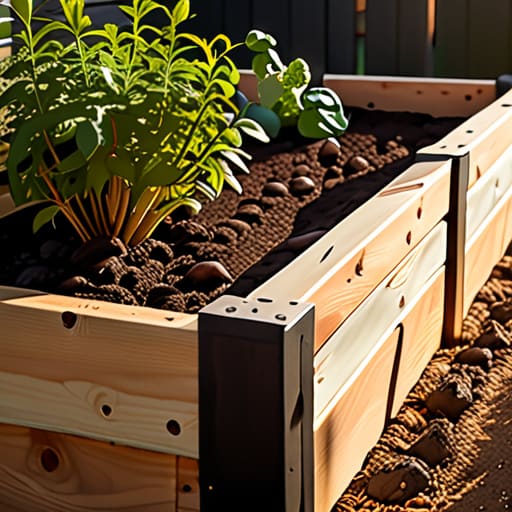
Deciding where your plants will actually live is a lot like choosing your starting class in an RPG; it dictates your entire playstyle and the resources you’ll need to manage. When weighing raised bed gardening vs in-ground methods, you have to look at your local terrain as your map. Raised beds offer a controlled environment with superior drainage and easier access, which is perfect if your natural soil is heavy clay or rocky. They allow you to curate a premium “build” by importing high-quality compost, essentially giving your plants a head start.
On the other hand, in-ground gardening is more about playing on hard mode with a higher ceiling for scale. It’s more cost-effective and allows for larger root systems, but you’re at the mercy of your existing landscape. You’ll need to be much more meticulous with your soil preparation for vegetable gardens to ensure you aren’t fighting uphill against poor nutrients. If you have a small footprint and want to minimize weeds, go with the raised beds. If you have space to roam and want to master the deep ecology of your backyard, the ground is your arena.
Optimizing Your Build: 5 Pro-Tips for Garden Success
- Manage your cooldowns by studying the frost dates. Just like waiting for a skill to recharge, you can’t rush the season; planting too early is a rookie mistake that will leave your seedlings vulnerable to a sudden environmental debuff.
- Don’t over-allocate your resources. It’s tempting to buy every seed packet in the shop, but a massive, unmanaged garden is a recipe for burnout. Start with a small, high-yield zone to master the mechanics before expanding your territory.
- Prioritize your sunlight stats. Most vegetables require a high-light build to thrive. Before you commit to a layout, track the sun’s movement across your yard for a full day to ensure your “combat zone” isn’t stuck in a permanent shadow debuff.
- Implement a regular maintenance loop. Gardening isn’t a “set it and forget it” experience. You need to check in daily—much like monitoring your health bar—to spot pests or dehydration before they trigger a game-over state for your crops.
- Curate a diverse skill tree through companion planting. Certain plants act as buffs for others; for example, marigolds can provide a defensive aura against pests. Thinking about how your plants interact creates a more resilient, self-sustaining ecosystem.
Completing the First Level
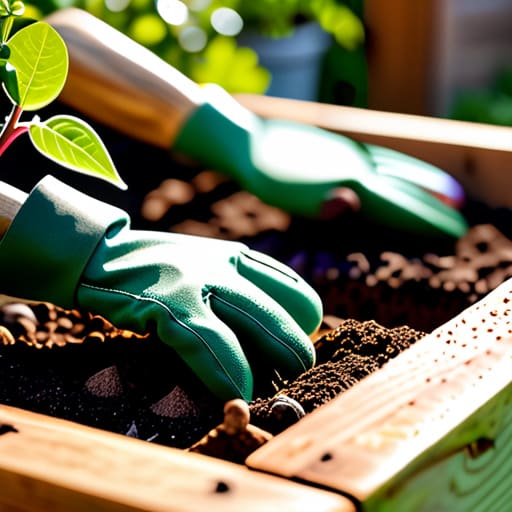
Setting up your garden is a lot like mastering a complex RPG; you can’t just rush into the endgame without understanding the underlying systems. We’ve covered the essential mechanics, from the strategic selection of your battlefield—whether that’s the controlled environment of a raised bed or the traditional depth of in-ground planting—to the foundational importance of soil preparation. Remember, your success isn’t just about the seeds you drop into the earth, but about how well you manage the environment you’ve built. If you get the soil chemistry and the spatial layout right, you aren’t just planting vegetables; you are building a stable engine for future growth.
As you step away from the planning phase and get your hands into the dirt, try to resist the urge for instant gratification. In gaming, as in gardening, the most rewarding achievements often come from the slow, steady accumulation of experience points. There will be setbacks—pests, weather shifts, or nutrient deficiencies—but treat these as learning loops rather than failures. Every mistake is just data that helps you refine your strategy for the next season. Approach your garden with intention, stay observant, and eventually, you’ll find that the harvest is far more rewarding when you’ve truly mastered the mechanics of the craft.
