
I remember sitting on my bedroom floor in the late 90s, nursing a lukewarm cup of tea while staring at a screen, realizing that the digital gold I’d spent hours grinding for had suddenly become worthless because of a single patch. It was a frustrating lesson in how fragile a gaming economy can be when developers prioritize mindless engagement over sustainable systems. Most people think these in-game markets are just background noise or simple math, but they are actually complex psychological ecosystems that can either reward your intelligence or exploit your patience.
I’m not here to sell you on some “get rich quick” scheme or hype up the latest microtransaction craze. Instead, I want to help you look under the hood of these systems so you can play with intention. My goal is to break down the mechanics of resource management and value, giving you the tools to navigate these digital markets like a strategist rather than a victim. We are going to move past the mindless grind and learn how to master the meta, ensuring every resource you collect actually serves your long-term progress.
Table of Contents
- Navigating the Volatility of Virtual Currency Inflation
- The Strategic Value of in Game Asset Scarcity
- Five Ways to Play Smarter with Your Digital Assets
- Beyond the Grind: My Final Thoughts on Economic Mastery
- Beyond the Grind
- Beyond the Grind: Finding Purpose in the System
- Frequently Asked Questions
Navigating the Volatility of Virtual Currency Inflation
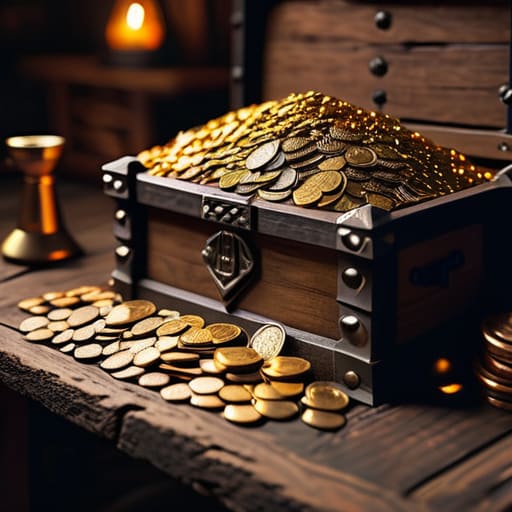
It’s easy to feel like you’re winning when you finally land that rare drop or amass a mountain of gold, but there’s a silent killer lurking in the background: virtual currency inflation. I’ve seen it happen in countless MMOs over the decades. When developers flood the world with easy ways to earn currency without providing meaningful “sinks”—ways to remove that money from the system—the value of your hard-earned loot begins to plummet. Suddenly, that legendary sword you spent weeks grinding for isn’t the status symbol it used to be; it’s just another item in an oversaturated market.
This volatility is often a direct byproduct of how developers structure their monetization models in gaming. If the influx of wealth outpaces the demand for high-level goods, the entire ecosystem destabilizes. To play effectively, you have to look beyond your immediate inventory and observe the broader trends. Are the prices of consumables skyrocketing? Is the veteran player base hoarding assets? Understanding these shifts allows you to time your big purchases and avoid being caught holding a bag of worthless digital coins when the market inevitably shifts.
The Strategic Value of in Game Asset Scarcity

When we look at why certain items in an RPG or a survival game hold such immense value, we have to look past the pixels and toward the math. In-game asset scarcity isn’t just a developer’s way of making things difficult; it is a fundamental psychological lever. When an item is rare, it transforms from a mere tool into a symbol of status and achievement. I’ve noticed that when players know a specific drop rate is incredibly low, their entire approach to the game shifts from casual exploration to calculated efficiency. They aren’t just playing; they are hunting for meaning within the system.
This scarcity is what breathes life into player-driven economies. Without it, the market becomes a flooded wasteland where nothing feels earned. If everyone can obtain the legendary blade by simply grinding for twenty minutes, the prestige evaporates, and with it, the drive to master the game’s deeper mechanics. By limiting supply, developers create a landscape where every trade and every acquisition feels like a hard-won victory, rather than just another line item in a digital inventory.
Five Ways to Play Smarter with Your Digital Assets
- Stop the mindless grind. Before you commit hours to a repetitive task, calculate the opportunity cost. If the gold per hour doesn’t significantly outweigh the value of your time, move on to a more efficient loop.
- Treat your inventory like a real portfolio. Don’t dump all your resources into a single upgrade just because it’s shiny; keep a reserve of versatile materials to pivot when the meta shifts or a new patch drops.
- Watch the market cycles, not just the prices. In many MMOs and live-service games, certain items follow predictable seasonal trends. Learning when to hoard and when to liquidate is the difference between a player and a strategist.
- Avoid the “sunk cost” trap. Just because you’ve spent weeks accumulating a specific set of gear doesn’t mean it’s still the best tool for the job. Be willing to divest from outdated assets to stay competitive.
- Understand the developer’s intent. Every economy is designed with certain “leaks” or “sinks” in mind to keep things moving. Learn what the game wants you to spend your excess wealth on—usually consumables or cosmetics—to avoid devaluing your primary hoard.
Beyond the Grind: My Final Thoughts on Economic Mastery
Stop viewing currency as just a number on a screen; start treating it as a tool for influence and long-term strategic leverage.
Watch the market trends as closely as you watch your cooldowns, because understanding inflation is the difference between a player and a strategist.
Value scarcity over sheer volume—it’s better to hold one rare, high-utility item than a mountain of useless gold that’s losing value by the hour.
Beyond the Grind
Stop treating your in-game gold like a mere score to be tallied; start viewing it as a tool for agency. When you understand the underlying flow of the economy, you stop being a victim of the grind and start becoming a master of the system.
Delia Okonkwo
Beyond the Grind: Finding Purpose in the System

At the end of the day, understanding the nuances of virtual inflation and the deliberate scarcity of assets isn’t just about hoarding gold or rare loot. It’s about recognizing that these aren’t just random numbers on a screen; they are the connective tissue of the game’s world. When you stop reacting blindly to market shifts and start anticipating them, you move from being a mere participant to a true strategist. Mastering these economic layers allows you to navigate the chaos with a sense of control, turning what used to be a frustrating grind into a calculated pursuit of efficiency.
I want you to remember that the goal isn’t to “beat” the economy, but to engage with it meaningfully. Whether you are trading rare components in an RPG or managing resources in a complex simulation, play with intention. Don’t let the mechanics play you; instead, use your understanding to shape your own experience. When we approach these complex systems with a bit of psychological insight and a lot of patience, we find that the real reward isn’t just the digital treasure—it’s the intellectual satisfaction of mastering a system that was designed to challenge us. Now, go out there and play smarter.
Frequently Asked Questions
How can I tell if a game's economy is intentionally designed to be punishing or if it's just poorly balanced?
Look for the “why” behind the friction. A punishing economy is a deliberate design choice, often using scarcity to heighten tension or drive player engagement through high-stakes decision-making. It feels purposeful. Poor balance, however, feels chaotic and arbitrary. If the math doesn’t add up—if you’re grinding for hours only to find your progress reset by a glitchy tax or a broken drop rate—that’s not a challenge; it’s just bad math.
At what point does grinding for resources stop being a strategic necessity and start becoming mindless consumption?
It becomes mindless the moment you stop asking why you’re collecting and start just going through the motions. If you’re grinding because you have a specific tactical goal—like upgrading a weapon to tackle a boss—that’s strategy. But if you’re just running loops to see a number go up, without a clear plan for how those resources change your gameplay, you’ve lost the intent. Don’t let the loop play you; you play the loop.
Are there specific ways to protect my in-game wealth when a developer introduces new, high-tier items into the ecosystem?
When a new tier drops, the instinct is to panic-sell, but that’s how you lose. Instead, pivot your strategy. Focus on diversifying into “utility” assets—items that remain essential for gameplay regardless of the meta—rather than just chasing raw power. If the new items make your current gear obsolete, look for consumables or crafting materials that the high-tier players will inevitably burn through. Don’t chase the hype; invest in the infrastructure of the game.
