
I can still smell the ozone and stale popcorn from the local arcade where I spent my teenage years, hunched over a cabinet with my best friend, trying to beat a high score that felt impossible. We weren’t there to “build social networks” or fulfill some digital connectivity metric; we were there to conquer a system together. Looking back, those sessions taught me more about loyalty and synchronized teamwork than any textbook ever could. People often overcomplicate the nuances of gaming and friendship, treating it like a modern social experiment, but for those of us who grew up with a controller in hand, it has always been about something much more visceral.
I’m not here to give you a shallow list of the best multiplayer titles to play at a party. Instead, I want to dive into the mechanics of how we actually connect through play. I promise to share an honest, grounded perspective on how to move past mindless co-op and toward intentional connection. We are going to explore how to turn your gaming sessions into a way to deepen your bonds, ensuring that every level you clear is a shared victory rather than just another way to kill time.
Table of Contents
- The Intentionality of Cooperative Gameplay Connection
- Building Community Through Gaming With Purposeful Play
- Beyond the High Score: 5 Ways to Deepen Your Social Connection Through Play
- Moving Beyond the Screen: Practical Ways to Play with Purpose
- Beyond the High Score
- Beyond the High Score
- Frequently Asked Questions
The Intentionality of Cooperative Gameplay Connection
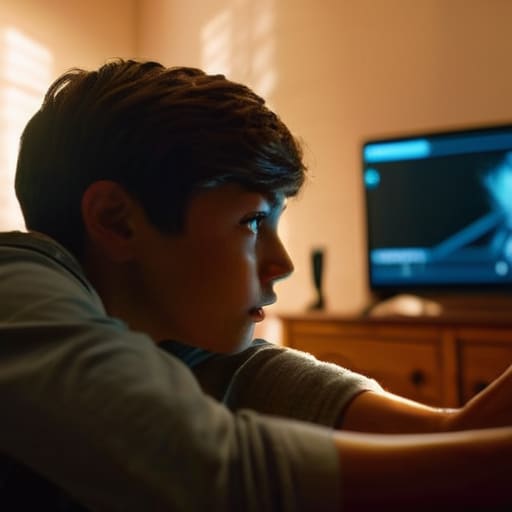
When we shift from solo play to a shared objective, the nature of the experience changes fundamentally. It’s no longer just about my personal reaction time or my ability to parse a complex UI; it’s about how my actions ripple through the team. This cooperative gameplay connection requires a level of synchronicity that mindless, casual play rarely touches. You aren’t just clicking buttons in the same room; you are negotiating roles, managing resources, and learning to anticipate a partner’s next move. It’s a psychological dance of trust and communication that turns a simple digital task into a meaningful exercise in collective problem-solving.
I’ve found that the most profound moments happen when a group moves from chaos to rhythm. Whether we are navigating a high-stakes raid or simply managing a base in a survival sim, we are building community through gaming in real-time. We aren’t just passing the time; we are developing a shared language of cues and strategies. This intentionality transforms the console from a solitary escape into a platform for genuine, structured collaboration.
Building Community Through Gaming With Purposeful Play
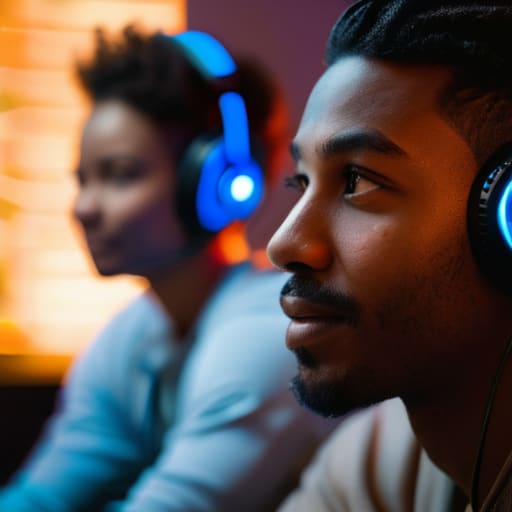
It’s easy to view a headset or a Discord server as mere conduits for noise, but when we approach our sessions with intention, these platforms become something much more profound. I’ve found that building community through gaming isn’t about the sheer number of people in your lobby; it’s about the quality of the shared struggle. When you move past the mindless grind and start focusing on collective goals—whether that’s perfecting a raid mechanic or navigating a complex narrative together—the interaction shifts from superficial to meaningful.
We often overlook the subtle nuances of digital social interaction, yet these virtual spaces provide a unique sandbox for emotional intelligence. In my experience, the most resilient bonds aren’t formed during the easy wins, but during the frustrating setbacks where communication becomes our most vital tool. By treating our time in-game as a deliberate way of maintaining friendships via video games, we transform a simple hobby into a structured way of showing up for one another. It turns a solitary screen experience into a shared journey of growth and mutual respect.
Beyond the High Score: 5 Ways to Deepen Your Social Connection Through Play
- Prioritize shared mastery over individual competition. Instead of grinding for your own personal best, pick a complex mechanic or a difficult boss and tackle it as a unit. The real bond forms in the shared struggle of figuring out a system together.
- Establish a consistent rhythm. Gaming shouldn’t just be what you do when you’re bored; treat your sessions like a recurring ritual. Whether it’s a Tuesday night raid or a Sunday afternoon handheld session, consistency transforms a casual hobby into a reliable social pillar.
- Practice active communication during high-stakes moments. In the heat of a level, it’s easy to fall into mindless button-mashing or silent frustration. Use that tension to practice clarity and empathy—learning how to coordinate under pressure is a skill that translates far beyond the screen.
- Curate your library with your circle in mind. Don’t just play what’s trending; look for titles that specifically demand cooperation or offer different ways to interact. Sometimes, the best way to reconnect is to step away from the shooters and dive into a slow-paced, collaborative puzzle game.
- Decompress and debrief after the console goes dark. The gaming session shouldn’t end the moment you hit the power button. Take a moment to talk about the wins, the losses, and the mechanics that tripped you up. It’s in these post-game reflections that the true connection happens.
Moving Beyond the Screen: Practical Ways to Play with Purpose
Stop treating multiplayer sessions like background noise; instead, set specific goals with your friends—whether it’s mastering a complex raid mechanic or perfecting a co-op strategy—to turn casual play into a shared sense of accomplishment.
Use the unique challenges of cooperative games as a sandbox for communication, learning how to navigate high-pressure digital environments together to strengthen your real-world ability to coordinate and support one another.
Prioritize quality over quantity by choosing games that demand genuine teamwork and intellectual engagement, ensuring that your time spent gaming is an investment in your relationships rather than just a way to kill time.
Beyond the High Score

“True connection in gaming isn’t found in the casual distraction of a shared screen, but in the quiet, focused moments when you and a friend stop playing against the clock and start mastering the system together.”
Delia Okonkwo
Beyond the High Score
At the end of the day, gaming is about far more than just the mechanics of a cooperative raid or the shared adrenaline of a competitive match. We’ve explored how intentional play transforms a simple pastime into a bridge for deeper connection, moving us past mindless consumption and into a space where we truly engage with one another. Whether you are coordinating a complex strategy in a modern MMO or simply passing a handheld back and forth during a quiet afternoon, you are participating in a shared intellectual and emotional journey. When we approach our digital spaces with purpose, we stop being mere players and start becoming architects of our own social ecosystems.
As I sit here with my tea, watching the light fade across my desk, I am reminded that the systems we master are only as meaningful as the people we share them with. Don’t let your gaming sessions become hollow loops of repetition; instead, use every level, every boss fight, and every setback as an opportunity to strengthen your human bonds. Gaming isn’t just a way to pass the time—it is a lifelong pursuit of skill, mastery, and, most importantly, meaningful connection. So, pick up the controller, invite a friend, and play with intention.
Frequently Asked Questions
How do I maintain deep, meaningful connections with friends when our gaming schedules or preferred genres start to diverge?
It’s easy to let the connection fray when one of you is grinding a competitive shooter and the other is exploring a cozy indie RPG. Don’t let the genre gap become a wall. Instead, schedule “cross-pollination” sessions—try a low-stakes cooperative game that neither of you has mastered. It’s about the shared cognitive experience, not the mechanics. Even if you aren’t playing the same game, keep the dialogue open about what you’re learning and experiencing.
Is there a way to navigate the tension between competitive play and preserving a healthy friendship?
It’s a delicate balance, but the key lies in separating the player from the performance. When the heat of competition rises, I remind myself that we are mastering a system together, not battling each other. If a match gets toxic, step back. Take a sip of tea, breathe, and reframe the goal: the win is fleeting, but the shared experience is what actually builds the skill and the bond.
How can we transition from mindless, repetitive multiplayer sessions into more intentional, shared experiences that actually build camaraderie?
Stop treating your multiplayer sessions like a digital waiting room. Instead of just grinding for loot or mindlessly chasing killstreaks, start setting micro-objectives with your group. Maybe it’s mastering a specific combo or coordinating a complex raid strategy. When you shift the focus from the “grind” to the “mechanic,” you stop being just casual teammates and start becoming a cohesive unit. It turns a repetitive loop into a shared intellectual challenge.
