
I still remember the humid, chaotic air of my local arcade in the early 90s, the smell of ozone and stale popcorn thick enough to taste. I wasn’t there to play alone; I was there for the frantic, unscripted dance of cooperative play, where a shared high score felt like a communal victory. There was no voice chat or sophisticated matchmaking back then—just two people leaning into the same glowing screen, intuitively understanding when to cover a flank or share a power-up. It wasn’t about the technical specs of the hardware, but about the human synchronization that happened when two players finally clicked.
Most modern guides treat teamwork like a checklist of button prompts, but that’s a shallow way to approach a complex system. I’m not here to give you a list of “tips and tricks” that you could find in any generic walkthrough. Instead, I want to help you understand the psychology of the partnership. We are going to move past mindless button-mashing and look at how to master the mechanics of cooperation to turn a group of individuals into a single, efficient unit.
Table of Contents
- Harnessing Group Dynamics in Gaming for Total Mastery
- Shared Goal Achievement Through Intentional System Navigation
- Five Pillars of Intentional Cooperation
- Moving Beyond Mindless Cooperation
- The Psychology of the Party
- Beyond the Screen: The Lasting Impact of Cooperative Mastery
- Frequently Asked Questions
Harnessing Group Dynamics in Gaming for Total Mastery
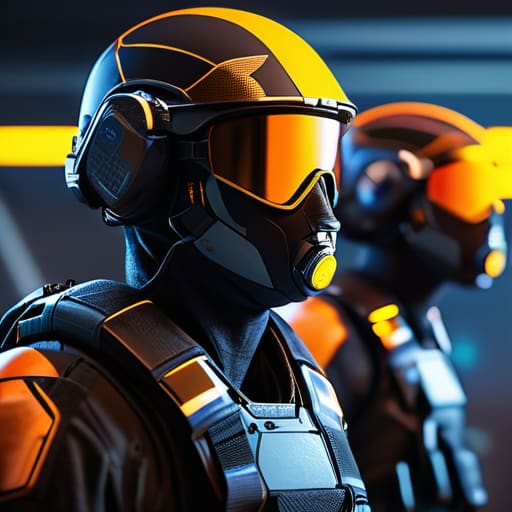
When we stop treating our teammates like mere NPCs and start viewing them as essential components of a larger machine, the game changes. True mastery requires us to move beyond individual mechanics and lean into the nuances of group dynamics in gaming. It isn’t just about clicking buttons in sync; it’s about reading the unspoken rhythm of the squad. When a raid or a tactical shooter reaches its peak difficulty, your ability to engage in collaborative problem solving becomes more important than your individual aim or DPS. You have to anticipate the gaps in your team’s defense and fill them before the system punishes your hesitation.
This level of coordination actually mirrors real-world complexity. I’ve often observed that the most successful players are those who treat every encounter as a lesson in shared goal achievement. Instead of reacting to chaos, they manage it through clear communication and a shared understanding of the win condition. By focusing on how our roles intersect, we transform a stressful scramble into a choreographed dance. Mastering these systems doesn’t just make you a better gamer; it turns the entire experience into a meaningful exercise in collective intelligence.
Shared Goal Achievement Through Intentional System Navigation
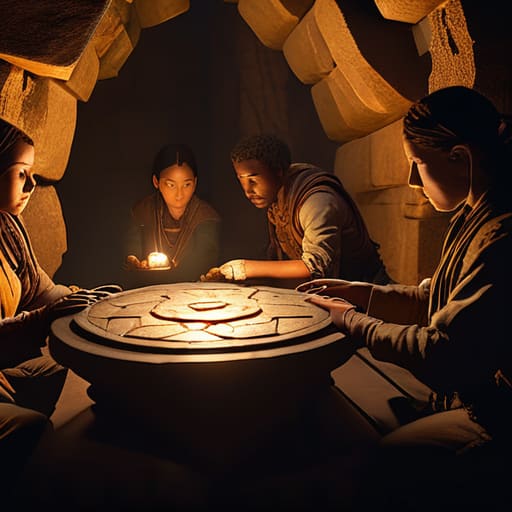
When we approach a game as a unified front, the objective shifts from mere survival to a sophisticated exercise in collaborative problem solving. It isn’t enough to simply occupy the same digital space; true mastery requires us to treat the game’s mechanics as a shared language. I’ve noticed that the most rewarding sessions occur when players stop reacting to individual threats and start anticipating the systemic needs of the group. This level of synchronization turns a chaotic skirmish into a choreographed dance of efficiency.
This intentionality extends far beyond the screen, tapping into the same psychological principles found in interpersonal skill building in the real world. When a team navigates a high-stakes raid or a complex puzzle, they are essentially testing their ability to manage pressure and communicate under duress. By focusing on shared goal achievement rather than individual glory, we transform the gameplay loop into a meaningful test of collective intelligence. It is in these moments—where the system is understood and the group moves as one—that the game truly rewards our focus.
Five Pillars of Intentional Cooperation
- Stop treating your teammates like NPCs. In any complex system, every player is a variable that can either stabilize or destabilize the group. Treat their movements and abilities as part of the game’s mechanics, not just background noise.
- Master the art of the “Silent Hand-off.” You don’t always need a voice channel to communicate. Learning to read the rhythm of a teammate’s playstyle—knowing when they are overextended or when they need cover—is the mark of a truly seasoned player.
- Define roles by utility, not just by class. Just because a game labels you a “Healer” or a “Tank” doesn’t mean your job is static. True mastery comes from understanding how your specific skill set can pivot to plug a hole in the group’s collective strategy.
- Embrace the post-game autopsy. When a run fails, resist the urge to hunt for a scapegoat. Instead, look at the systemic breakdown: Did we lack resource management? Did our positioning fail? Analyzing the “why” is how we turn a loss into a blueprint for a win.
- Cultivate psychological safety within your squad. If players are afraid to make mistakes, they play tentatively, and tentative play is often fatal in high-stakes environments. Encourage calculated risks; a coordinated mistake is much easier to recover from than a fragmented success.
Moving Beyond Mindless Cooperation
Stop treating your teammates like NPCs; true mastery requires recognizing each player as a vital component of a larger, interconnected system.
Shift your focus from mere survival to intentionality by synchronizing your individual mechanical skills with the group’s collective strategic goals.
View every cooperative session as an opportunity to study group psychology and refine how shared decision-making can overcome even the most complex game design hurdles.
The Psychology of the Party
Cooperative play isn’t just about having another player on your screen; it’s about synchronizing your mental models to turn a chaotic system into a shared masterpiece of efficiency.
Delia Okonkwo
Beyond the Screen: The Lasting Impact of Cooperative Mastery
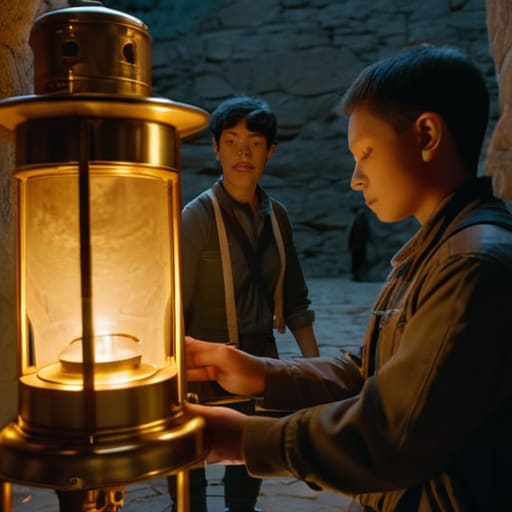
When we strip away the flashy graphics and the high-octane soundtracks, cooperative play reveals itself as a profound exercise in systemic synchronization. We’ve explored how mastering group dynamics isn’t just about following a leader, but about understanding how individual roles coalesce into a singular, efficient unit. By moving away from aimless button-mashing and toward intentional system navigation, we transform a chaotic multiplayer session into a structured dance of shared objectives. Ultimately, true mastery in a co-op environment comes when you stop playing alongside your teammates and start playing as a single, cohesive organism.
As I sit here with my tea, watching the light fade on my latest console restoration project, I’m reminded that these digital connections mirror our real-world complexities. Games serve as a safe laboratory to practice the very empathy and strategic communication that define our humanity. Don’t just play to win; play to understand the architecture of cooperation. Whether you are tackling a punishing raid or a simple puzzle, remember that every successful maneuver is a testament to the power of collective intent. Master the system, respect the player, and find the beauty in the struggle.
Frequently Asked Questions
How do I maintain a sense of individual agency and skill development when my teammates are carrying the heavy lifting?
It’s easy to feel like a passenger when your team is dominating, but don’t mistake presence for participation. If you aren’t the primary damage dealer, become the master of utility. Focus on the granular mechanics they might overlook: perfect timing on buffs, precise positioning, or resource management. True agency comes from mastering the roles that stabilize the system. Even if you aren’t landing the finishing blow, you are the reason the blow was possible.
What are some practical ways to manage the psychological friction and communication breakdowns that inevitably occur during high-stakes cooperative sessions?
When the pressure mounts, our brains tend to revert to primal, reactive states, which is where the friction starts. To counter this, I suggest implementing a “reset protocol.” If communication turns into blame, call a tactical pause. Use objective language—focus on the system’s mechanics rather than a teammate’s mistake. Instead of saying “You missed that shot,” try “The timing on that mechanic was off.” It shifts the focus from ego back to mastery.
How can we distinguish between a game that truly rewards systemic cooperation and one that just uses "co-op" as a superficial skin for solo play?
It comes down to whether the game’s mechanics actually force a synergy that’s impossible alone. In a superficial “co-op” game, you’re just two people playing side-by-side, hitting the same targets. True systemic cooperation requires interdependence—where my actions directly create an opening for yours, or where our combined resources manage a system neither of us could handle solo. If you can win by ignoring your partner, it isn’t cooperation; it’s just shared scenery.
