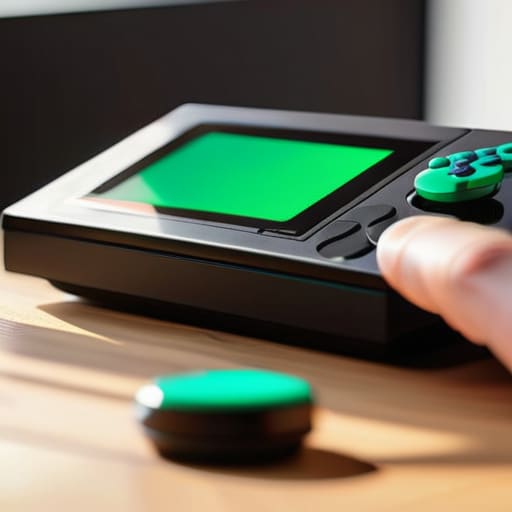
I still remember the distinct, slightly metallic scent of ozone and warm plastic that drifted from my father’s old arcade cabinets, a sensation that first ignited my obsession with interactive systems. Decades later, I find myself hunched over a workbench, carefully soldering a new capacitor into a vintage Game Boy while my Earl Grey grows lukewarm beside me. There is a profound, tactile intimacy in handheld gaming that modern, hyper-polished mobile apps simply cannot replicate. For me, it isn’t about killing time between meetings; it is about the mechanical connection between the player and the machine, a relationship that requires focus and a bit of soul.
I’m not here to sell you on the latest overpriced hardware or the mindless dopamine loops of “free-to-play” mobile clutter. Instead, I want to help you approach your portable library with a sense of intentionality and mastery. Over the course of this guide, I will share my experience in moving beyond mere distraction to help you find the deep, systemic joy that comes from truly understanding the mechanics of your favorite handheld titles.
Table of Contents
Decoding Mobile Gaming Hardware Specs for Intentional Play
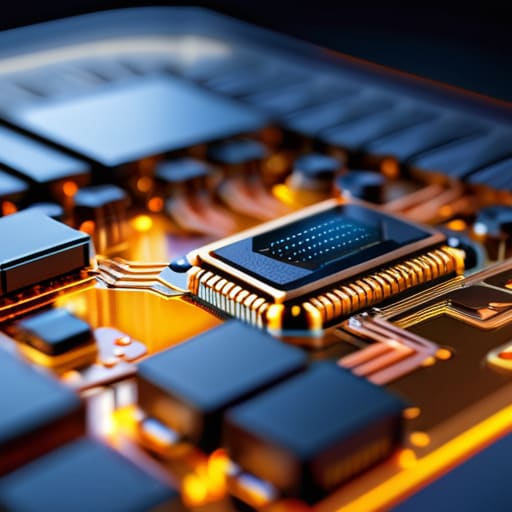
When I’m diving into the technical side of a new device, I don’t look at marketing fluff; I look at the architecture. Understanding mobile gaming hardware specs is the difference between a seamless experience and a frustrating session of stuttering frames. It’s easy to get swept up in the hype of the best handheld gaming devices 2024 has to offer, but you need to look deeper than the brand name. I focus on the synergy between the SoC (System on a Chip) and the thermal management. A powerful processor is useless if the device throttles within twenty minutes because it can’t dissipate heat—that’s not intentional play; that’s just a recipe for irritation.
Beyond raw power, we have to consider the tactile reality of the hardware. I often find myself analyzing the gaming console ergonomics of a device just as much as its clock speed. If the button tension feels mushy or the weight distribution is off, your ability to execute precise mechanics vanishes. Whether you are setting up retro handheld emulators to relive the 8-bit era or pushing a modern AAA title, the hardware must serve your intent, not hinder it.
Handheld vs Desktop Gaming Performance Bridging the Gap
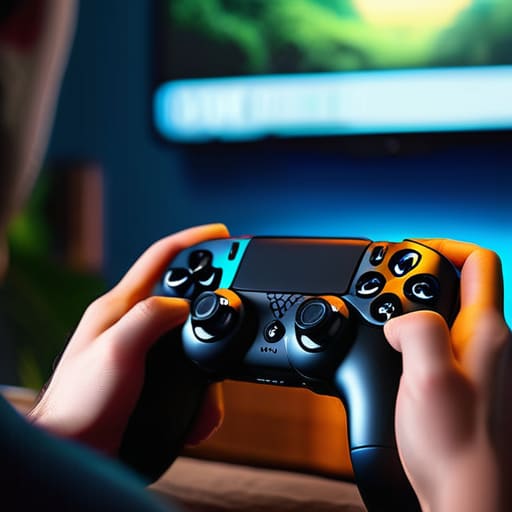
When we talk about handheld vs desktop gaming performance, we aren’t just comparing raw teraflops or clock speeds; we are discussing a fundamental shift in how we interact with a system. A desktop setup offers an almost limitless ceiling for graphical fidelity and thermal management, allowing for those heavy, high-fidelity AAA experiences. However, the modern landscape has shifted. The latest high-end portable units have narrowed that gap significantly, offering a level of computational power that makes the “compromise” feel more like a strategic choice than a limitation.
For me, the distinction lies in the cognitive load and the environment. A desktop demands a dedicated space and a seated posture, whereas a handheld allows for a more fluid, integrated experience. While you might sacrifice a few frames per second, you gain the ability to engage with complex systems during those quiet, stolen moments of the day. Whether you are utilizing retro handheld emulators to revisit the mechanics of my childhood or pushing a modern device to its limits, the goal is the same: finding that sweet spot where the hardware disappears and only the mastery of the game remains.
Five Strategies to Refine Your Portable Play
- Prioritize ergonomic stability over raw power; a high-spec device is useless if your hands cramp after twenty minutes, so invest in grips or specialized cases that allow for sustained, intentional sessions.
- Curate your library based on session length rather than impulse; match your mental energy to the game, choosing quick tactical puzzles for transit and deep, immersive RPGs for dedicated downtime.
- Master your power management settings to avoid the mid-boss shutdown; learning to balance brightness, refresh rates, and background processes ensures your flow state isn’t broken by a low-battery warning.
- Optimize your physical environment to compensate for the smaller screen; even when playing on the go, find lighting that minimizes glare so you can focus on the nuances of the game’s visual feedback.
- Treat your hardware like the precision instruments they are; regular maintenance, from cleaning analog sticks to managing storage, ensures that your tools never become a barrier to your mastery.
Refining Your Portable Strategy
Stop viewing handhelds as mere “lite” versions of your desktop setup; treat them as specialized tools designed for focused, intentional sessions that demand their own unique tactical approach.
Prioritize hardware that supports your specific mechanical needs—whether that’s screen refresh rates for precision or ergonomic comfort for long-term mastery—rather than just chasing the highest spec sheet.
Bridge the performance gap by understanding your device’s limits, allowing you to optimize settings so you can spend less time fighting hardware lag and more time mastering the game’s core systems.
## The Philosophy of the Portable Screen
“Handheld gaming isn’t about squeezing in a few minutes of mindless distraction between chores; it’s about reclaiming those quiet, stolen moments to engage with a system that demands your full focus, no matter how small the screen.”
Delia Okonkwo
Beyond the Screen
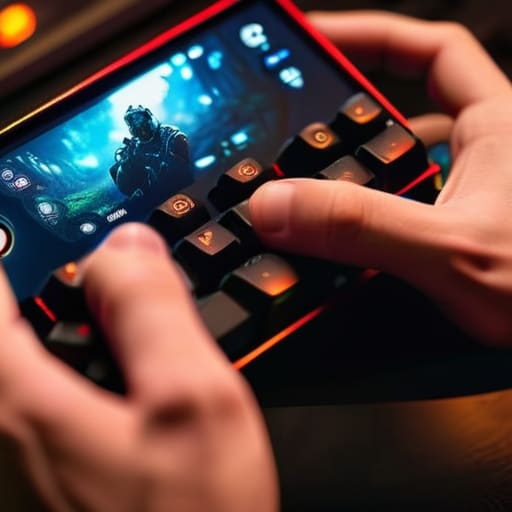
We have navigated the technical landscape, from dissecting the raw power of mobile hardware to understanding how to bridge the performance gap between a dedicated desktop setup and a portable device. It is easy to get lost in the numbers—the teraflops, the refresh rates, and the thermal limits—but those metrics are merely tools. The real objective is to ensure your hardware supports your cognitive engagement rather than acting as a bottleneck to your progress. When you align your technical specifications with your specific playstyle, you move away from being a passive consumer and toward becoming an intentional player who knows exactly what their setup can achieve.
Ultimately, handheld gaming shouldn’t be viewed as a “lesser” way to play, but as a different way to master a system. Whether you are tinkering with a restored vintage handheld or pushing a modern powerhouse to its limits, the goal remains the same: to find depth in the mechanics and joy in the mastery. Don’t let the portability fool you into thinking the challenge is diminished; if anything, the intimacy of a handheld allows for a deeper connection to the systems we love. So, pick up your device, settle in with your tea, and start playing with purpose. The next level is waiting for you.
Frequently Asked Questions
How can I optimize my handheld's battery life without sacrificing the performance needed for more demanding titles?
It’s a delicate balancing act, much like managing cognitive load. To find that sweet spot, stop relying on “Auto” settings; they’re too blunt. Manually cap your frame rate to 40 or 60 FPS and dim your brightness just slightly—it’s less strain on your eyes and the cells. I also suggest aggressive background process management. You want your hardware focused entirely on the game’s logic, not wasting juice on idle system tasks.
When transitioning from a desktop setup, what specific ergonomic adjustments should I make to avoid strain during long portable sessions?
When you move from a desk to a handheld, you lose the support of a chair and a fixed monitor. To avoid the inevitable “gamer neck,” stop hunching over your lap. Try to bring the device up to eye level using a table or a dedicated stand, rather than dropping your chin to your chest. If you’re playing on a couch, use a firm pillow to support your lower back. It’s about maintaining your posture so the play remains intentional, not painful.
Is it worth investing in high-end handheld hardware now, or should I focus on building a library of optimized, well-tuned indie titles instead?
Don’t get caught in the hardware arms race. I’ve spent enough time tinkering with vintage circuits to know that specs are just numbers on a page if you don’t have a reason to use them. If you’re chasing raw power, you’re chasing a moving target. My advice? Prioritize the library. A curated collection of well-tuned indie gems offers more mechanical depth and intentionality than a top-tier GPU ever will. Build your soul, not just your specs.
