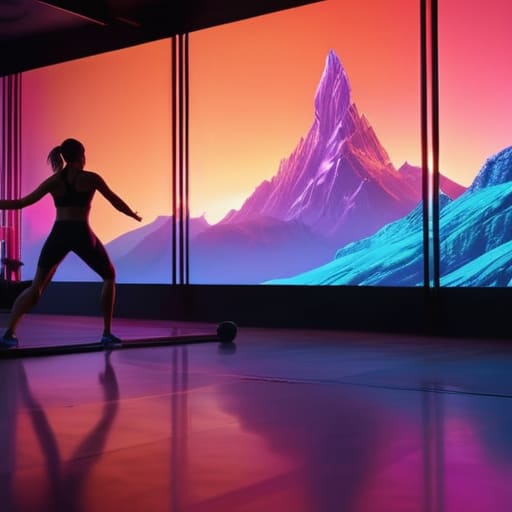
I remember sitting on my bedroom floor in 1988, the glow of a CRT monitor reflecting in my eyes while my fingers cramped from an intense session of Contra. Back then, the idea of gaming and fitness felt like a total contradiction—one required sitting perfectly still, while the other was something you did in a sweaty gym. I used to think that to be a “real” gamer, I had to accept the sedentary lifestyle as an inevitable part of the trade. But as I’ve grown older, I’ve realized that the physical stagnation we often associate with our hobby isn’t a requirement; it’s just bad design in how we manage our lives.
I’m not here to sell you on some flashy, overpriced VR headset or tell you that a motion-controlled dance game is a substitute for actual strength training. My goal is to help you bridge the gap between your digital mastery and your physical reality through intentional movement. I’m going to share how we can apply the same systems-thinking we use to dismantle a difficult boss fight to our own physical health. We aren’t just looking for quick fixes; we are looking to optimize our human hardware so we can play longer, sharper, and better.
Table of Contents
- Mitigating the Sedentary Lifestyle Through Intentional Play
- Leveraging Fitness Tracking in Video Games for Growth
- The Player’s Toolkit: 5 Strategies for Physical Mastery
- The Core Strategy: Integrating Play and Performance
- The Synergy of Systems
- The Final Boss: Integrating Play and Performance
- Frequently Asked Questions
Mitigating the Sedentary Lifestyle Through Intentional Play
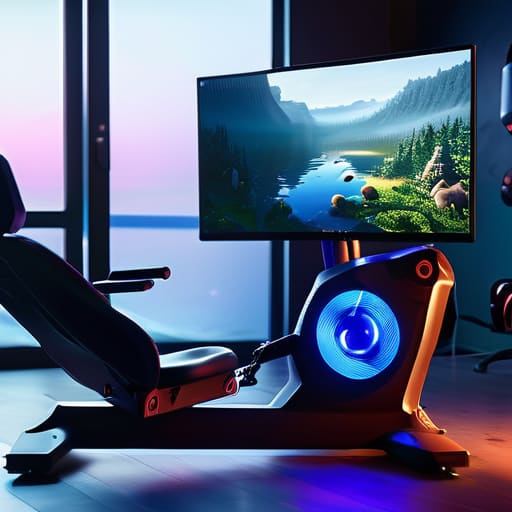
The biggest trap we fall into isn’t just the lack of movement; it’s the cognitive disconnect where we view our bodies and our controllers as two entirely separate entities. We sit, we focus, and we forget that our physical vessel is the hardware running the software. To combat this, we need to move beyond passive consumption and start looking at sedentary lifestyle mitigation through the lens of active engagement. It isn’t about quitting the hobby; it’s about redefining how we inhabit our space while playing.
I’ve found that the most effective way to bridge this gap is by integrating motion-controlled exercise into my regular rotation. Whether it’s a high-intensity session in a VR headset or using specialized peripherals that demand actual physical exertion, these tools turn a static session into a dynamic one. By leveraging gamified fitness applications, we can trick our brains into seeking the dopamine hit of a leveled-up character while simultaneously hitting our actual physiological goals. We aren’t just playing; we are training the system from the inside out.
Leveraging Fitness Tracking in Video Games for Growth
If you look at the telemetry of a modern RPG, it’s all about optimizing stats to overcome obstacles. We should apply that same logic to our own biology by utilizing fitness tracking in video games to bridge the gap between digital progress and physical reality. Instead of viewing your steps or heart rate as separate from your play sessions, treat them as secondary resource pools. When you sync your wearable data with certain platforms, you aren’t just checking a box; you are essentially inputting real-world XP into your life’s character sheet.
I’ve found that the most effective way to stay engaged is through gamified fitness applications that turn movement into a core mechanic rather than an afterthought. Whether it’s a high-intensity session using motion-controlled exercise or a more meditative virtual reality workout, the goal is the same: intentionality. When you see your physical effort reflected in your digital achievements, the loop of motivation becomes much more robust. It stops being a chore and starts feeling like a strategic necessity for long-term mastery.
The Player’s Toolkit: 5 Strategies for Physical Mastery
- Treat your physical health like a skill tree. You wouldn’t jump straight into a level 50 dungeon without grinding your stats first; don’t expect your body to handle an intense workout if you haven’t been building your baseline stamina through consistent, small movements.
- Use “Loading Screen Micro-Workouts.” We spend a ridiculous amount of time staring at progress bars or waiting for matchmaking. Instead of scrolling through your phone, turn those three-minute gaps into a set of air squats or a quick stretch to keep your blood flowing and your focus sharp.
- Gamify your movement with real-world RPGs. If you find traditional gym routines soul-crushing, lean into apps that turn walking or running into an adventure. When you view a morning jog as a quest to scout a new territory rather than a chore, the psychological barrier to entry vanishes.
- Optimize your ergonomics to prevent “debuffs.” Sitting in a slumped, unsupportive chair is like playing with a permanent stamina penalty. Invest in a setup that supports your posture; if your physical frame is compromised, your reaction times and cognitive clarity will suffer during high-stakes play.
- Implement a “Save Point” ritual. Every hour, step away from the screen for five minutes to reset your eyes and your body. Think of it as hitting a checkpoint—it’s a mandatory pause that ensures you don’t burn out or sustain repetitive strain injuries before you reach the next milestone.
The Core Strategy: Integrating Play and Performance
Stop viewing movement and gaming as opposing forces; instead, treat physical conditioning as a necessary hardware upgrade that allows your brain to perform better during high-stakes play.
Move away from mindless, repetitive grinding and start applying the same analytical rigor to your fitness routine that you apply to mastering a difficult game mechanic.
Use the data-driven nature of both fitness trackers and game telemetry to create a feedback loop that turns personal health into a measurable, skill-based progression system.
The Synergy of Systems
We need to stop viewing our physical health and our digital achievements as two separate save files; true mastery comes when you realize that your body is the ultimate hardware running the game.
Delia Okonkwo
The Final Boss: Integrating Play and Performance
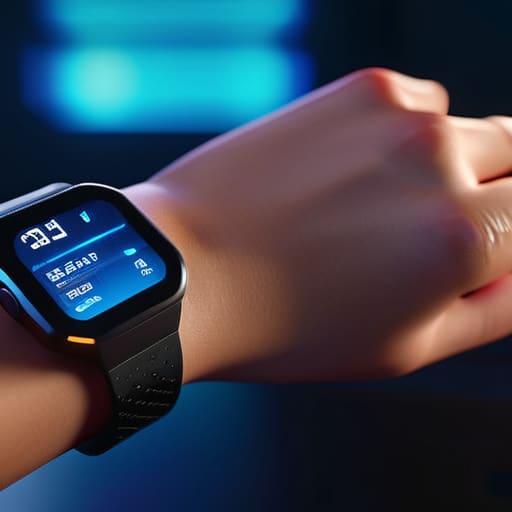
We’ve looked at how we can move away from the mindless, sedentary grind by being more intentional about our movement, and how the data-driven mechanics of fitness tracking can mirror the progression systems we already love in our favorite RPGs. It isn’t about choosing one over the other; it’s about realizing that your physical body is the ultimate hardware running the software of your life. When we stop viewing fitness as a chore that interrupts our gaming and start seeing it as a way to optimize our own biological stats, the friction begins to disappear. By applying the same analytical rigor to our health that we do to a complex boss fight, we turn a struggle into a systematic pursuit of mastery.
At the end of the day, gaming has always been about growth, persistence, and the refusal to give up when the difficulty spikes. Why should our physical lives be any different? Whether you are restoring a vintage handheld or climbing the ranks in a competitive shooter, remember that you are playing the long game. Don’t let your physical health become a bottleneck for your cognitive performance or your passion for play. Treat your wellness journey with the same dedication and intention you bring to your favorite digital worlds, and you’ll find that the real-life rewards are far more satisfying than any high score.
Frequently Asked Questions
How can I balance my gaming sessions with physical activity without feeling like I'm losing my progress or "flow" in a game?
The fear of breaking “flow” is real, but true mastery requires a steady hand and a clear mind. I treat physical activity as a “recharge” mechanic rather than an interruption. Use active breaks—like a quick set of stretches or a brisk walk—to reset your cognitive load. Think of it as clearing your mental cache. You aren’t losing progress; you’re optimizing your hardware so you can return to the game with sharper focus and better reflexes.
Are there specific types of games that are better for mental focus and cognitive health than others?
It’s not about the genre as much as the cognitive load. If you want to sharpen your focus, look toward real-time strategy (RTS) or complex puzzle games. These require high-level pattern recognition and rapid decision-making under pressure. On the flip side, mindless “clickers” or repetitive grinders offer relaxation but very little mental stimulation. To truly train your brain, choose games that demand strategic foresight and force you to manage complex, overlapping systems.
How do I prevent the "gamer posture" and repetitive strain injuries that come from long sessions of intentional play?
We need to treat our physical ergonomics with the same precision we apply to a complex skill tree. To avoid the dreaded “gamer slouch,” invest in a chair that actually supports your lumbar spine and keep your monitor at eye level—don’t let your neck become a permanent question mark. Most importantly, implement a “micro-break” ritual: every hour, stand up and stretch your wrists and forearms. If you don’t manage your physical hardware, you can’t play the long game.
