
I remember sitting on my bedroom floor in 1988, the glow of a heavy CRT television illuminating a half-finished cup of tea, completely mesmerized by the chiptune melodies bleeding from my console. Back then, we didn’t have orchestral swells or Dolby Atmos; we had limited bits and a lot of imagination. Today, people treat game soundtracks like mere background noise or high-fidelity wallpaper to be consumed passively. They get lost in the hype of “cinematic scores” without realizing that the most effective audio isn’t just something you hear—it’s a functional system designed to manipulate your tension, your timing, and your focus.
I’m not here to give you a list of the most expensive compositions or a generic history lesson. Instead, I want to pull back the curtain on how these auditory layers actually work to influence your psychology and gameplay. We are going to look at how to listen with intention, moving past the surface-level melodies to understand how a score can become a tactical tool for mastering a game. My goal is to help you stop just listening and start truly hearing the architecture of the experience.
Table of Contents
Mastering the Nuance of Video Game Music Composition
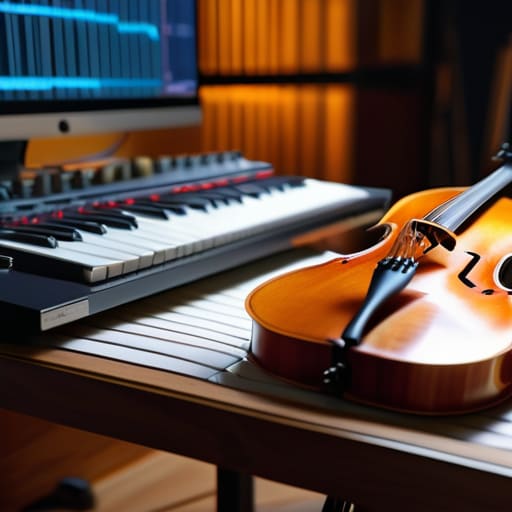
To truly appreciate the craft, we have to look past the catchy melodies and examine the underlying architecture of video game music composition. Unlike a film score, which follows a fixed timeline, a great game score must breathe with the player. I’ve spent many late nights observing how interactive music systems respond to our smallest inputs. It isn’t just about a loop playing in the background; it’s about the subtle shift in a cello’s pitch when you step into a shadow, or the sudden percussion swell when an enemy spots you.
When we study these layers, we realize that the most effective scores function as a feedback loop. The music isn’t just reacting to the action; it is actively guiding our psychological state. This use of dynamic audio in gaming creates a seamless bridge between the player’s intent and the digital environment. Instead of treating the audio as a separate entity, I try to view it as a living component of the game’s mechanics. When the composition aligns perfectly with your tactical decisions, the experience ceases to be mere entertainment and becomes a deeply integrated cognitive flow.
Soundtrack Emotional Storytelling a System of Pure Intent

When we talk about soundtrack emotional storytelling, we aren’t just discussing a catchy melody playing in the background. We are talking about a calculated psychological tool. As someone with a background in psychology, I find it fascinating how a composer can manipulate our cortisol levels or trigger a sense of profound nostalgia through a single, recurring motif. It isn’t accidental; it is a deliberate use of interactive music systems designed to mirror your internal state. When your character’s health drops or you enter an unfamiliar territory, the shift in tone isn’t just for flair—it’s a systemic feedback loop that informs your subconscious of the stakes involved.
The real magic happens when you stop treating the audio as mere decoration and start viewing it as a roadmap. High-tier dynamic audio in gaming allows the score to breathe alongside your decisions, expanding in complexity as your mastery grows or contracting into a tense, minimalist drone when you’re cornered. This isn’t just passive listening; it is a dialogue between the developer and your nervous system. To play with intention, you must learn to read the sonic cues as clearly as you read the UI.
Tuning Your Senses: How to Play with the Score
- Stop treating the music as background noise. When you’re deep in a boss fight, listen for the tempo shifts; often, the composer is using rhythmic cues to telegraph a change in the enemy’s attack pattern.
- Map the sonic landscape. Pay attention to how the audio environment changes when you move from an open field into a cramped dungeon. Learning to recognize these transitions helps you anticipate the shift in gameplay tension before it even happens.
- Use the leitmotif as a mental shortcut. Most great games assign specific melodies to characters or themes. Once you recognize a character’s theme, you can subconsciously prepare for their arrival or influence on the game world.
- Practice active listening during downtime. When you aren’t in a high-intensity combat loop, let the ambient tracks sink in. Understanding the subtle, low-frequency layers of a soundtrack helps you appreciate the “quiet” moments that build much-needed psychological tension.
- Match your focus to the frequency. If a soundtrack is driving you toward frantic, high-speed play, use that energy to sharpen your reflexes. If the score turns somber and slow, lean into the methodical, tactical side of your playstyle rather than fighting against the mood.
Playing the Score: How to Listen with Intention
Stop treating the soundtrack as background noise; start treating it as a HUD for your emotions and a roadmap for the game’s difficulty spikes.
Learn to recognize the “audio cues” in a composition, using the shifts in tempo and key to anticipate boss transitions or environmental changes before they happen visually.
Use the music as a tool for focus rather than just atmosphere, allowing the rhythm to help you find a “flow state” during high-stakes gameplay.
## Beyond the Background Noise
“Stop treating a soundtrack like mere background noise for your session; start seeing it as a sophisticated feedback loop. When you learn to listen to the shifts in tempo and key, you aren’t just hearing music—you’re reading the game’s intent.”
Delia Okonkwo
Tuning Into the System

At its core, understanding a game’s soundtrack is about recognizing that the music isn’t just background noise; it is a functional layer of the game’s architecture. We’ve looked at how composition dictates the flow of combat, how emotional cues act as a psychological roadmap, and how every note is a deliberate choice made by a designer to influence our state of mind. When you stop treating audio as a passive experience and start treating it as a system of information, you begin to see the invisible threads that connect the player to the digital world. It’s the difference between merely hearing a melody and deciphering the intent behind the score.
As you head back into your next session, I challenge you to do more than just let the music wash over you. Listen for the shifts in tempo that signal an approaching boss, or the subtle harmonic changes that mirror a character’s internal struggle. Gaming is a lifelong pursuit of mastery, and that mastery extends far beyond your button inputs or reaction times. By engaging with the sonic landscape, you are engaging with the very soul of the game. Don’t just play the game; listen to what it is trying to tell you.
Frequently Asked Questions
How can I train my ears to recognize the specific musical cues that signal a shift in enemy behavior or environmental danger?
Stop treating the soundtrack as background noise and start treating it as a data stream. When you play, try active listening: isolate a single instrument, like a low cello or a sudden synth swell, and note exactly when it enters the mix. Does it coincide with a shadow moving or an enemy’s patrol pattern changing? Once you map these auditory triggers to specific in-game mechanics, you’ll stop reacting to the danger and start anticipating it.
When playing high-intensity competitive games, is it actually beneficial to listen to the score, or does it create unnecessary cognitive load?
It’s a delicate balance. From a psychological standpoint, high-tempo scores can trigger a sympathetic nervous system response—increasing your heart rate and adrenaline. In a competitive setting, this can be a double-edged sword. If the music is driving your rhythm, it’s an asset. But if the layers are too dense, you’re essentially asking your brain to process extra sensory data while trying to track frame-perfect movements. My advice? Treat the soundtrack like a tool: if it feels like noise, mute it; if it feels like momentum, lean into it.
How do modern adaptive soundtracks manage to transition between exploration and combat without breaking the player's sense of immersion?
It’s all about vertical layering and horizontal resequencing. Instead of a jarring track swap, modern engines use “stems”—think of them as musical layers. When you stumble into combat, the game doesn’t change the song; it simply fades in the percussion and brass layers that were already running silently in the background. It’s a seamless shift in intensity that respects the player’s flow, turning a sudden threat into a choreographed part of the sonic landscape.
