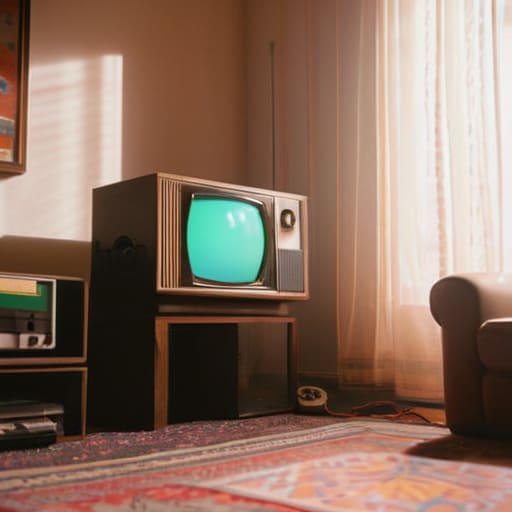
The smell of ozone and warm plastic always hits me the same way whenever I crack open a vintage handheld. I remember sitting on my bedroom floor in 1989, the glow of a pixelated screen the only light in the room, feeling that specific, electric hum of a world waiting to be conquered. But lately, I’ve noticed a frustrating trend: people treat gaming nostalgia like a fragile museum piece, something to be merely looked at through a glass case of “remember when” stories. We’ve turned our past into a passive commodity, a way to simply escape the present rather than engaging with the systems that shaped us.
I’m not interested in helping you wallow in a sentimental haze or spend a fortune on “retro-inspired” re-releases that lack soul. My goal is to help you bridge the gap between memory and mastery. In this series, I’m going to show you how to approach your old favorites with intentionality, analyzing the mechanics that made them great so you can actually play them better today. We aren’t just looking back; we are reclaiming the skill.
Table of Contents
- Decoding the 8 Bit Era Aesthetics of Mastery
- How Childhood Video Game Memories Shape Our Intentionality
- Beyond the Warm Glow: 5 Ways to Practice Intentional Nostalgia
- Beyond the Warm Glow: Moving from Nostalgia to Mastery
- Beyond the Warm Glow of Memory
- Beyond the Glow of the CRT
- Frequently Asked Questions
Decoding the 8 Bit Era Aesthetics of Mastery

When we look back at the 8-bit era aesthetics, it’s easy to dismiss the pixelated sprites as mere technical limitations. But through my lens, those blocks weren’t just “bad graphics”; they were a sophisticated language of abstraction. Because the hardware couldn’t render every strand of hair or nuance of light, developers had to rely on exaggerated silhouettes and high-contrast color palettes to communicate intent. As a player, you weren’t just looking at a character; you were mentally filling in the gaps, engaging your brain in a way that modern, hyper-realistic titles rarely demand.
This era forced a specific type of cognitive engagement. When I sit down with one of my restored handhelds, I’m reminded that the simplicity of the visual field actually sharpened my focus on mechanical precision. You couldn’t rely on cinematic cues to tell you a boss was about to strike; you had to learn the rhythmic patterns of the movement. This wasn’t just about childhood video game memories; it was about learning to read a system’s logic through its most basic visual building blocks.
How Childhood Video Game Memories Shape Our Intentionality
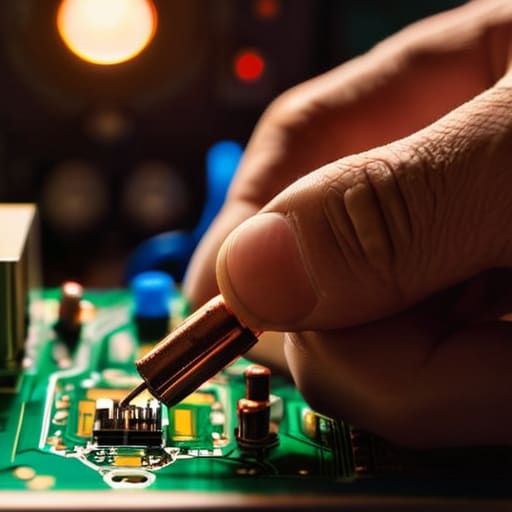
When I sit down with a screwdriver and a soldering iron to fix an old handheld, I’m not just repairing circuits; I’m reconnecting with the specific way my brain used to process challenge. Our childhood video game memories aren’t just fuzzy snapshots of joy; they are the foundational blueprints for how we approach problem-solving today. Back then, we didn’t have tutorials or quest markers guiding our every move. We had a screen, a joystick, and a sheer, stubborn refusal to lose. That era forced us to develop a certain kind of cognitive grit—the ability to observe a pattern, fail, and immediately adjust our strategy.
This isn’t about living in the past, though. It’s about recognizing that the way we learned to navigate those early, unforgiving systems informs our current capacity for focus. When we revisit these titles, we aren’t just chasing a feeling; we are tapping into a deeply ingrained intentionality that modern, hand-holding mechanics often strip away. By leaning into that old-school discipline, we transform a simple session of play into a deliberate exercise in mental recalibration.
Beyond the Warm Glow: 5 Ways to Practice Intentional Nostalgia
- Stop playing on autopilot; when you revisit a childhood classic, don’t just chase the feeling of being ten years old—challenge yourself to beat a boss that used to frustrate you or master a mechanic you never fully understood.
- Audit your hardware for more than just aesthetics; if you’re restoring an old handheld, take the time to understand its limitations, because those technical constraints are exactly what shaped the tight, intentional design of the era.
- Curate your backlog with purpose rather than impulse; instead of scrolling through endless modern libraries, select one specific title from your past that aligns with a skill you want to sharpen, whether it’s pattern recognition or resource management.
- Analyze the “why” behind the dopamine; when a retro soundtrack or a specific pixel art style hits you, pause to consider how those sensory inputs actually trigger your focus and engagement, turning a simple memory into a lesson in game design.
- Bridge the generational gap through mechanics, not just titles; share the logic of an old-school difficulty curve with younger players to show them that the “toughness” of retro games wasn’t just cruelty, but a way to demand presence and mastery.
Beyond the Warm Glow: Moving from Nostalgia to Mastery
Stop treating retro titles as mere emotional safety blankets; use them as training grounds to sharpen the cognitive patterns you developed in your youth.
Recognize that the “simplicity” of older mechanics is actually a lesson in precision, teaching you to find intentionality in systems where every single input carries weight.
Bridge the gap between your past and present by applying the focused discipline of early gaming to the complex, high-fidelity systems you play today.
Beyond the Warm Glow of Memory
Nostalgia shouldn’t be a soft place to land; it should be a lens. We don’t revisit these games just to feel young again, but to rediscover the precise moment when a complex system finally clicked and we realized we were capable of mastery.
Delia Okonkwo
Beyond the Glow of the CRT
Ultimately, nostalgia shouldn’t be a sedative that keeps us stuck in the past; it should be the foundation upon which we build our current expertise. We’ve looked at how the stripped-back aesthetics of the 8-bit era forced us to develop a sharper cognitive focus and how those early, unguided experiences shaped our fundamental approach to problem-solving. When we revisit these titles, we aren’t just chasing a feeling or a ghost of our childhood selves. We are engaging with the architectural roots of game design to understand how we can apply that same level of intentionality and precision to the complex systems we play today.
As I sit here with my tea, watching the light catch the casing of a refurbished Game Boy, I’m reminded that our relationship with gaming is constantly evolving. We aren’t the same players we were in 1988, and that is our greatest advantage. Don’t let your passion for the old ways turn into passive consumption. Instead, use those memories as a lens to master the mechanics of the present. Gaming is a lifelong pursuit of skill, and every level—no matter how retro—is an opportunity to play with purpose.
Frequently Asked Questions
How can I distinguish between genuine mechanical appreciation and simple, dopamine-driven nostalgia?
Ask yourself what remains when the initial rush fades. If you’re playing just to hear that specific 8-bit melody or see those pixelated colors, you’re chasing a dopamine hit. But if you find yourself dissecting the frame data, analyzing the level design, or respecting the tight constraints the developers worked within, that’s mechanical appreciation. One is a passive trip down memory lane; the other is an active engagement with the system’s logic.
Is it possible to apply the focus I had as a child to modern, hyper-stimulating game loops?
It’s absolutely possible, but it requires a conscious shift in how you approach the screen. As kids, we weren’t distracted by notifications or “engagement” metrics; we were simply locked into the loop of trial and error. To reclaim that focus today, you have to treat modern hyper-stimulation as noise to be filtered. Instead of letting the flashy lights pull you along, anchor yourself to the core mechanics. Strip away the sensory overload and find the rhythm underneath.
How do I use my past gaming experiences to improve my skill in contemporary genres without feeling stuck in the past?
Stop treating your history as a museum and start treating it as a toolkit. Those early hours spent mastering frame-perfect jumps or resource management weren’t just play; they were foundational lessons in pattern recognition and discipline. Don’t try to force 8-bit logic onto a modern RPG, but do carry over that same analytical rigor. Use the patience you learned in the arcade to navigate modern complexity, rather than letting nostalgia cloud your focus.
