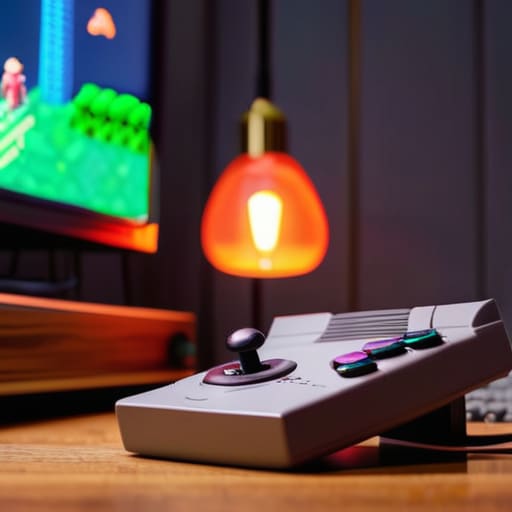
The smell of ozone and heated plastic always takes me back to my childhood bedroom, hunched over a heavy CRT television while the sun dipped below the horizon. I remember the tactile click of a power switch and the specific, rhythmic hum of a console warming up—a sound that signaled the start of something more than just a pastime. For me, retro gaming was never about escaping reality; it was about the intense, focused challenge of deciphering a system that didn’t hold your hand. It was about the grit required to master a pixelated landscape when you only had one life and no tutorial to guide you.
I’m not here to sell you on expensive collector’s editions or the myth that nostalgia is a substitute for actual skill. Instead, I want to talk about the intentionality behind the play. In this series, I’ll be sharing my perspective on how to approach these classic systems with a mindset of mastery rather than mindless consumption. We are going to look past the surface-level aesthetics to understand the mechanics that make these games timeless, helping you find genuine depth in every level you tackle.
Table of Contents
- Decoding the Complexity of the 8 Bit and 16 Bit Era
- Building Your Legacy Collecting Vintage Video Games
- Playing with Purpose: Five Ways to Elevate Your Retro Experience
- Beyond the Nostalgia: Playing with Purpose
- Beyond the Nostalgia Trap
- The Final Level: Playing with Purpose
- Frequently Asked Questions
Decoding the Complexity of the 8 Bit and 16 Bit Era
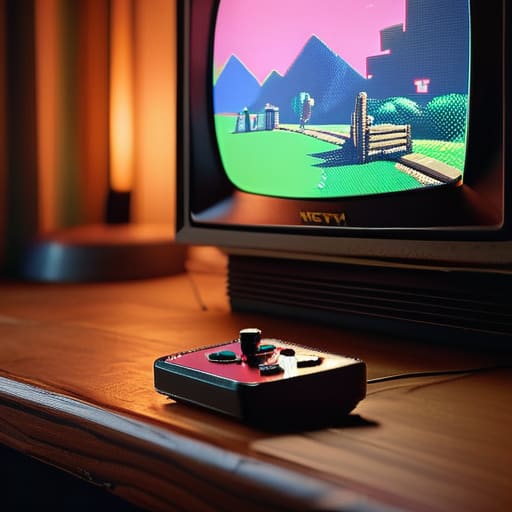
When we look back at the 8-bit and 16-bit era, it’s easy to fall into the trap of seeing these games as “simple.” But as someone who spent my childhood staring at a flickering screen, I know that’s a fundamental misunderstanding. Because developers were working within such tight hardware constraints, every single pixel and every frame of animation had to serve a specific purpose. You couldn’t rely on cinematic cutscenes or overwhelming graphics to carry the narrative; instead, the mechanical depth had to be baked directly into the gameplay loops.
To truly understand these systems, you have to appreciate the mathematical precision required to make a jump feel “right” or a boss pattern feel fair. There was no room for bloat. Whether you are playing on an original console via CRT television gaming or using modern emulation, you’ll notice that the difficulty isn’t just about being “hard”—it’s about pattern recognition and resource management. Mastering these titles requires a level of cognitive discipline that many modern, hand-holding experiences tend to bypass. You aren’t just playing a game; you are learning to speak its specific, limited language.
Building Your Legacy Collecting Vintage Video Games
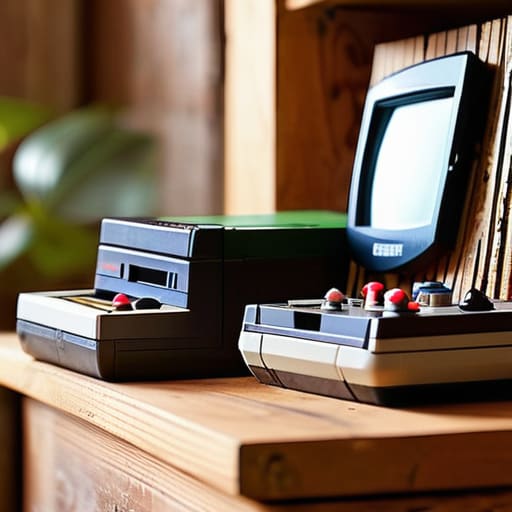
When I first started restoring my old Game Boy Color last summer, I realized that collecting vintage video games is about much more than just amassing plastic and silicon. It is an act of preservation. To the uninitiated, a shelf of cartridges looks like clutter, but to those of us who understand the architecture of these systems, it is a library of digital history. I find that the most rewarding part isn’t just owning the hardware, but curating a collection that tells a story of how mechanics evolved.
However, I always advise against the “blind buy” approach. It is easy to get swept up in current retro gaming community trends and spend a fortune on whatever is trending on social media. Instead, I suggest playing with intention. Before you commit your budget, decide if you are building a library for aesthetic display or if you are actually aiming to master the titles. Whether you are hunting for rare cartridges or seeking out reliable handheld retro consoles for on-the-go sessions, your collection should serve your personal journey of skill and discovery.
Playing with Purpose: Five Ways to Elevate Your Retro Experience
- Prioritize mechanics over nostalgia; don’t just play a game because it reminds you of your childhood, play it because you want to understand the logic behind its difficulty curves.
- Invest in a high-quality controller or a modern reproduction; your hands will thank you, and the tactile precision is essential when you’re trying to master frame-perfect inputs.
- Learn the technical limitations of the hardware; understanding why a developer used certain sprite flickering or sound chips helps you appreciate the sheer ingenuity required to build these systems.
- Document your progress like a scholar; keeping a log of your high scores or the specific strategies you used to beat a boss turns a casual session into a meaningful study of skill.
- Maintain your hardware with discipline; whether it’s cleaning contacts or replacing aging capacitors, treating your consoles with respect ensures these complex machines remain playable for the next generation.
Beyond the Nostalgia: Playing with Purpose
Stop treating retro titles as mere relics; approach them as intricate mechanical systems that reward deep study and intentionality.
View your collection not as a pile of plastic, but as a curated library of design history that requires careful preservation and respect.
Shift your mindset from mindless consumption to active mastery, finding the psychological satisfaction that comes from conquering a truly difficult era of gaming.
Beyond the Nostalgia Trap
“Retro gaming isn’t about escaping into the past; it’s about studying the elegant, uncompromising logic of the machines that taught us how to play.”
Delia Okonkwo
The Final Level: Playing with Purpose
At the end of the day, retro gaming isn’t just about chasing a sense of nostalgia or filling a shelf with plastic cartridges. It is about recognizing the brilliant, constrained logic that defined the 8-bit and 16-bit eras and understanding how those systems shaped the landscape we play in today. Whether you are meticulously sourcing a rare handheld for your collection or deconstructing the frame-perfect mechanics of a classic platformer, you are engaging with a form of digital history. By moving past mindless consumption and toward a more intentional mastery of these systems, you transform from a mere spectator into a true student of the craft.
As I sit here with my tea, watching the glow of an old CRT monitor, I am reminded that our relationship with games evolves alongside us. We don’t play these titles simply because we can; we play them because they challenge us to grow, to focus, and to find beauty in the limitations. Don’t just play to pass the time—play to understand. Whether you are a seasoned veteran or just picking up your first vintage console, remember that every high score and every mastered mechanic is a testament to your own persistence. The machine might be old, but the intellectual journey is timeless.
Frequently Asked Questions
How do I balance the cost of authentic hardware restoration with the desire to build a significant collection?
It’s a delicate equilibrium, much like managing a budget for a complex RPG. My advice? Prioritize the “soul” of your collection. I’ve learned that a single, perfectly restored Game Boy feels more rewarding than a shelf of decaying plastic. Focus your restoration funds on the hardware you actually play daily, and treat collecting as a slow burn. Buy the games, but wait for the right components. Quality and intention will always trump sheer volume.
What are the best ways to minimize input lag when playing original cartridges on modern displays?
If you’re playing on a modern display, that millisecond delay between a button press and the action on screen can ruin the rhythm of a precision platformer. First, ditch the “Game Modes” that claim to enhance picture quality; they’re often just heavy processing layers. Look specifically for “Game Mode” to bypass post-processing. If you’re serious, invest in an upscaler like a Retrotink. It minimizes lag while keeping those pixel-perfect lines sharp and intentional.
How can I transition from mindless nostalgia to a more intentional, skill-based approach to mastering these older systems?
Stop playing for the dopamine hit of a familiar melody and start playing for the logic behind the loop. To transition, you must treat every sprite and frame as a piece of a puzzle. Instead of mashing buttons to clear a stage, study the enemy patterns and frame data. When you stop chasing a feeling and start analyzing the systems, you stop being a spectator of your own nostalgia and become a master of the machine.
