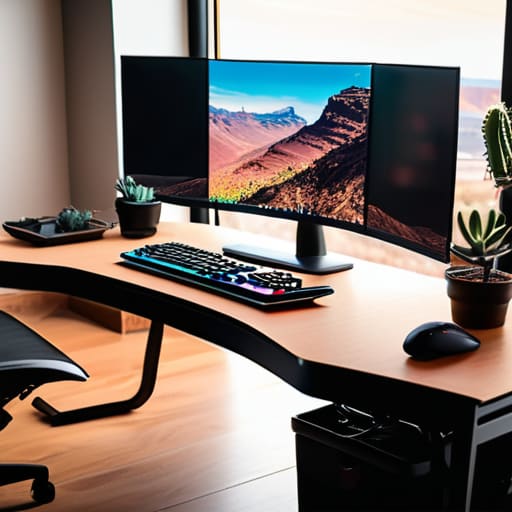
I remember sitting in front of a bulky CRT monitor in the late 80s, surrounded by a chaotic tangle of controller cords and loose cartridges. Back then, the clutter was just part of the charm, but as I’ve grown into my career and my passion for analyzing game mechanics, I’ve realized that physical chaos often leads to mental friction. If you are constantly fighting through a mess of cables or hunting for a specific headset just to start a session, you aren’t playing; you’re just managing obstacles. Finding the best ways to organize a gaming setup isn’t about making a space look “pretty” for a social media post; it’s about reducing cognitive load so you can actually focus on the systems in front of you.
In this guide, I’m breaking down seven essential elements to help you transition from a cluttered desk to a high-functioning command center. We are going to move beyond simple tidying and look at how to engineer an environment that supports intentional, deep play. By the time you finish these seven points, you’ll have a blueprint for a space that respects your gear and, more importantly, your focus.
Tame the Cable Hydra
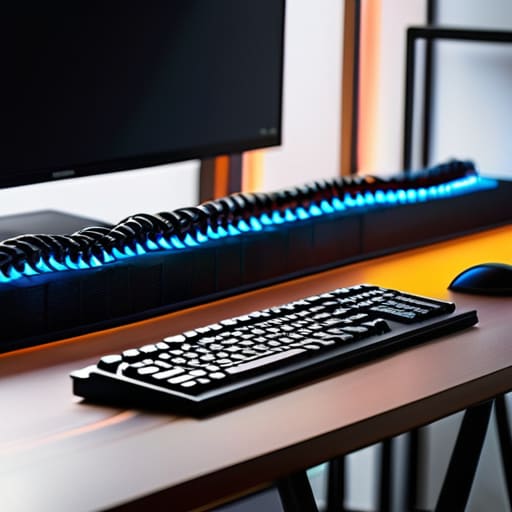
There is a specific kind of mental friction that occurs when you’re trying to focus on a complex boss fight, only to have your eyes wander to a tangled nest of black wires snaking across your floor. It’s visual noise, plain and simple. When cables are allowed to sprawl, they don’t just look messy; they create a sense of subconscious chaos that can disrupt your flow state. I’ve spent enough hours hunched over vintage handhelds to know that order is a prerequisite for focus.
Define Your Ergonomic Zones
We often treat our gaming desks like catch-all surfaces for everything from half-empty mugs to loose controllers. But if you want to play with intention, you have to treat your setup like a precision instrument. I like to think of my desk in terms of “reach zones.” Your primary zone—the space directly in front of you—should be reserved for your keyboard, mouse, or controller, kept clear of any unnecessary obstacles that might impede your movement.
Elevate Your Visual Plane
One of the most common mistakes I see is a monitor sitting too low, forcing the player into a perpetual slouch. From a psychological standpoint, physical discomfort quickly translates into mental fatigue. If you are fighting your own posture, you aren’t truly mastering the game. You need to ensure your screen is at eye level to maintain a neutral spine and prevent that dull ache that sets in after a long session.
Curate Your Physical Library
For those of us who still cherish physical media—whether it’s a stack of classic RPGs or a collection of vintage handhelds—storage becomes a major psychological hurdle. If your games are scattered in piles, they feel like clutter. If they are tucked away in a dark box, they feel like relics. I believe in a middle ground where your collection is organized but accessible, serving as a source of inspiration rather than a source of stress.
Optimize Your Lighting Architecture
Lighting is frequently overlooked, yet it is perhaps the most significant factor in how our brains perceive the gaming environment. Harsh, overhead fluorescent lights are the enemy of immersion; they create glare and eye strain that can derail even the most seasoned player. Instead, you should aim for layered lighting that supports your visual needs without overwhelming your senses.
The Peripherals Perimeter
As gamers, we tend to accumulate specialized tools—extra controllers, flight sticks, racing wheels, or even specialized handhelds for restoration projects. If these are left out in the open, they become “clutter by proxy,” making your setup feel cramped and unmanageable. I’ve learned that unless a peripheral is actively in use, it should have a dedicated home that isn’t your primary workspace.
Implement a Post-Session Reset
This is perhaps the most difficult habit to form, but it is the most vital for maintaining an intentional setup. We often finish a grueling session, shut down the console, and simply walk away, leaving the “debris” of our play behind. This creates a cycle of gradual decay where your command center slowly transforms back into a junk drawer. To truly master your environment, you must embrace the reset.
Final Thoughts on Your Command Center
At the end of the day, organizing your setup isn’t about achieving some sterile, Instagram-ready aesthetic; it’s about reducing the cognitive load that clutter imposes on your brain. Whether you’ve implemented better cable management to eliminate visual noise, curated your peripherals to suit your specific ergonomics, or finally cleared that desk of old snack wrappers, you are doing more than just tidying up. You are engineering a space that supports focus. By treating your desk as a functional system rather than a junk drawer, you ensure that when you finally sit down to play, your only concern is the mechanics of the game in front of you, not the frustration of a tangled cord or a misplaced controller.
As I sit here with my lukewarm Earl Grey, looking over my own collection of restored handhelds and modern gear, I’m reminded that our environments evolve alongside our skills. A setup that worked for you in your twenties might not serve the way you play now, and that’s okay. The goal is to create a sanctuary that respects your intentional play. Don’t get caught up in the endless cycle of buying more gear just to fill the space. Instead, focus on refining what you have so that every session feels like a deliberate step toward mastery. Your setup should serve your passion, not distract from it.
While optimizing your physical space is vital, don’t forget that the mental side of gaming thrives on connection rather than isolation. I’ve found that when I start feeling stuck in a repetitive loop, stepping away from the screen to engage with the real world actually sharpens my focus when I return to my setup. If you’re looking to balance your digital immersion with some tangible social interaction, finding ways for meeting people in UK can be a great way to recalibrate your perspective. It’s about building a life that supports your passion, ensuring that your gaming remains a meaningful pursuit rather than a solitary retreat.
