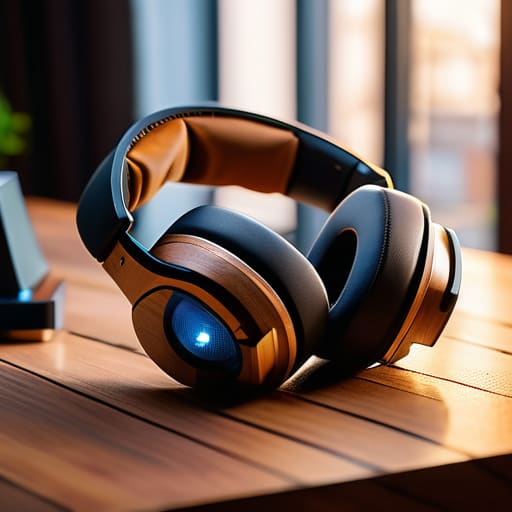
I was halfway through a particularly intense boss fight in a classic RPG last Tuesday when I felt that familiar, dull ache blooming behind my ears. My lukewarm Earl Grey had gone cold, forgotten, because I was too busy fighting the physical distraction of a headset that felt more like a medieval torture device than a piece of high-end tech. We’ve been sold this lie that “pro-grade” gear needs to be heavy, bulky, and aggressive to be effective, but let’s be honest: if you’re constantly adjusting your gear, you aren’t mastering the game—you’re just managing your own discomfort. True gaming headset comfort shouldn’t be a luxury or a marketing buzzword; it should be the silent baseline that allows you to disappear into the mechanics of the world you’re playing in.
I’m not here to walk you through a list of overpriced RGB-lit gadgets that promise the moon but deliver a headache. Instead, I want to look at the actual ergonomics and material science that matter for long-term play. My goal is to help you cut through the marketing fluff and identify what truly works for your anatomy, ensuring your gear stays out of your way so you can focus on what actually matters: the skill and the joy of the game.
Table of Contents
Clamping Force Ergonomics and the Art of Sustained Play
When I’m deep in a session—the kind where the world outside my desk disappears—the last thing I want to feel is my hardware fighting against me. This is where clamping force ergonomics becomes a critical factor in whether I finish the level or end up reaching for a break prematurely. If the tension is too light, the soundstage feels disconnected; if it’s too heavy, you’re left with a dull ache around your temples that breaks your focus entirely. I’ve learned that true mastery requires a headset that stays “invisible” through consistent pressure distribution.
It isn’t just about the squeeze, though; it’s about how that pressure interacts with your anatomy. I always look for effective headband pressure relief to ensure the weight isn’t concentrated solely on the crown of my head. When you combine a well-balanced clamp with high-quality memory foam ear pads, you create a seal that prioritizes both acoustic isolation and physical ease. For me, the goal is simple: I want to focus on the intricate mechanics of the game, not on the mounting discomfort of my gear.
Over Ear vs on Ear Comfort Choosing Your Tactical Advantage
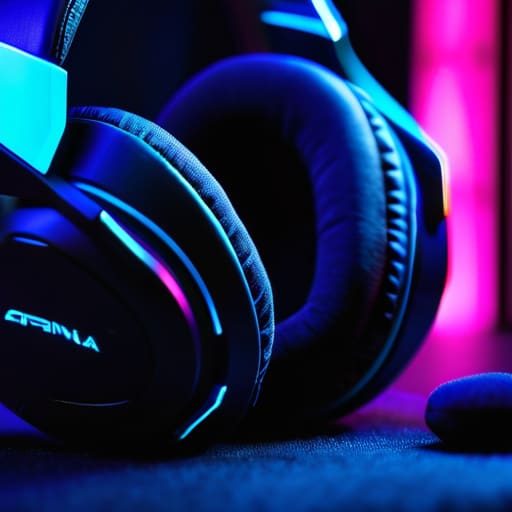
When deciding between over-ear and on-ear styles, I find it helpful to view the choice through the lens of sensory management. On-ear models are often lighter and more compact, which can be great for quick sessions, but they tend to press directly against the cartilage of your ears. After an hour of intense focus, that constant contact can lead to significant discomfort. If you are someone who gets easily distracted by physical sensations, the direct pressure of an on-ear design might actually break your flow during critical gameplay moments.
For those of us aiming for deep immersion, I almost always lean toward over-ear designs. By encircling the ear rather than pressing against it, these headsets allow for much better headband pressure relief and a more even distribution of weight. This is where the material choice becomes vital; I’ve learned the hard way that while leatherette offers great sound isolation, it can trap heat. If you’re prone to overheating, looking for breathable fabric vs leatherette options is a smart move for long-term gaming fatigue prevention. Ultimately, it’s about choosing the architecture that lets you forget you’re even wearing anything at all.
Small Adjustments for Long-Term Focus
- Check your headband tension every hour; if you feel a dull ache at the crown of your head, your headset is likely misaligned and putting too much pressure on your skull rather than your ears.
- Don’t ignore the heat; if your ear cups are made of synthetic leather, they trap moisture, so consider switching to breathable fabric pads if you find yourself losing focus due to physical discomfort.
- Mind your posture as much as your gear; a heavy headset will feel twice as punishing if you’re slouching, so keep your spine neutral to distribute the weight more evenly across your neck.
- Give your ears a break by practicing the 50/10 rule—fifty minutes of play followed by ten minutes of silence—to prevent the physical fatigue that often comes from constant acoustic pressure.
- Calibrate the weight distribution by adjusting the slider increments; even a few millimeters of difference in how the ear cups sit can be the difference between a seamless session and a headache.
Finding Your Equilibrium: The Essentials of Long-Term Comfort
Prioritize clamping force that stays consistent; if you have to readjust your headset every twenty minutes, you aren’t playing the game, you’re fighting your gear.
Match the ear cup style to your physical anatomy rather than the marketing hype, as the wrong fit will inevitably lead to heat buildup and mental fatigue.
Treat your headset as a tool for focus, not just an accessory, because true mastery requires hardware that disappears so your brain can stay locked into the mechanics.
The Cognitive Cost of Discomfort
“When a headset starts to pinch or feel heavy, your brain stops processing the game’s mechanics and starts processing the pain; you can’t achieve true mastery if you’re constantly fighting your own gear.”
Delia Okonkwo
The Final Connection
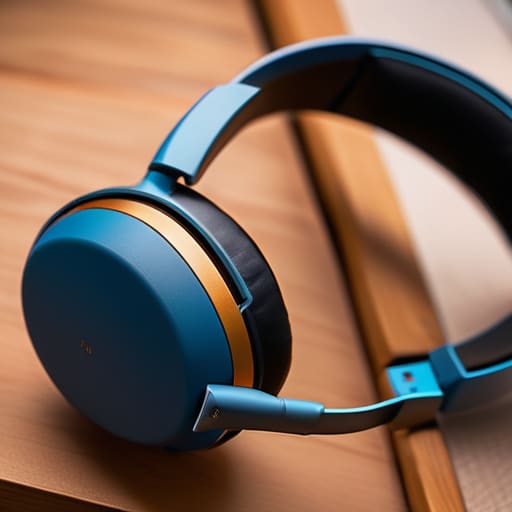
At the end of the day, choosing a headset isn’t just about finding the loudest drivers or the flashiest RGB lighting; it’s about managing the physical interface between you and the game. We’ve looked at how clamping force can either anchor your focus or become a distracting source of tension, and how the choice between over-ear and on-ear designs fundamentally shifts your tactical comfort during a long session. If your gear is fighting against your anatomy, you aren’t truly playing—you’re merely enduring. To master a complex system, you must first ensure that your hardware allows you to achieve a state of flow without physical interruption.
As I sit here with my tea, watching the light fade and reflecting on how much gaming tech has evolved since my days with bulky, wired controllers, I’m reminded that our relationship with these tools is constantly shifting. We shouldn’t settle for “good enough” when it comes to our sensory experience. When you invest the time to find the right fit, you aren’t just buying an accessory; you are refining your environment. Treat your setup with intention, respect your body’s limits, and remember that the most profound victories often happen when the technology finally disappears, leaving nothing but you and the game.
Frequently Asked Questions
How can I tell if my headset's clamping force is actually damaging my focus rather than just being a minor annoyance?
It’s easy to dismiss a little pressure as “part of the kit,” but there’s a psychological line between focus and distraction. If you find yourself micro-adjusting the headset every ten minutes, or if you’re feeling a dull ache around your temples that mimics a tension headache, your brain is no longer processing game mechanics—it’s processing physical discomfort. When your cognitive load is hijacked by managing pain, you’ve lost your tactical edge.
Are there specific materials for ear cushions that won't make my ears sweat during intense, high-stakes sessions?
If you’re deep in a high-stakes match, the last thing you need is that claustrophobic, sweaty feeling. Avoid cheap protein leather; it’s essentially plastic and traps heat like a greenhouse. For sustained focus, I always look for breathable velour or high-quality fabric cushions. They allow for better airflow, keeping your skin cool. If you can find hybrid pads—part leather for seal, part mesh for breathability—you’ve found the sweet spot for long-term mastery.
Is it worth investing in a premium ergonomic headset, or can I achieve the same level of comfort with a budget-friendly model?
It’s a tempting question, especially when you see those massive price tags. Here’s my take: if you’re a casual player, a budget model is fine. But if you’re someone who dives deep into complex systems for hours, the investment matters. Premium headsets aren’t just about better sound; they’re about better materials—breathable fabrics and weight distribution that won’t cause fatigue. I’d rather pay for a headset that disappears on my head than one that reminds me it’s there.
