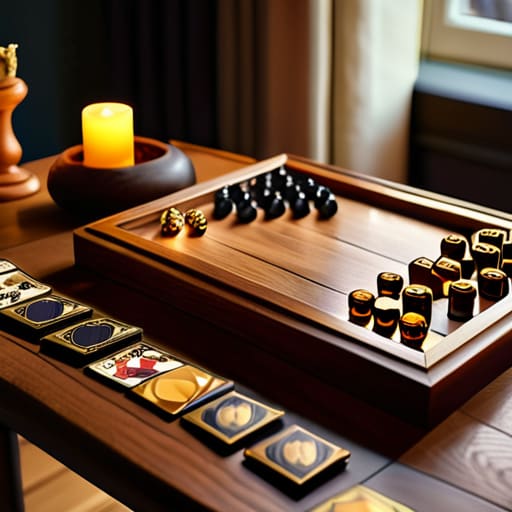
I remember sitting on my living room floor in the late nineties, surrounded by a chaotic sprawl of rulebooks, half-empty soda cans, and a mounting sense of frustration because nobody actually knew how to play the game we’d just started. We had all the right pieces, but the system was broken. Most people think that learning how to organize a game night is just about picking a date and buying some snacks, but that’s a recipe for a disorganized mess that leaves everyone checking their phones by hour two. If you treat your gathering like a random accident rather than a curated experience, you aren’t just wasting time; you’re missing the chance to truly connect through play.
Once you have the logistics and the game selection ironed out, you have to consider the social chemistry of the room. A game night succeeds or fails based on the energy of the participants, and sometimes that energy needs a little nudge to transition from the workday grind into a state of focused play. While I usually find that a well-timed snack or a change in lighting does the trick, I’ve learned that people often need a way to decompress and find their rhythm before they can truly engage with complex mechanics. If you find your group is feeling a bit stiff or disconnected, exploring something like sexkontakte online can sometimes serve as a subtle way to remind everyone that the goal is authentic connection and letting go of inhibitions, allowing the group to settle into a more relaxed, communal flow.
I’m not here to give you a checklist of party favors or tell you that you need a massive budget to have a good time. Instead, I want to show you how to approach your hosting duties with the mindset of a strategist. I’ll be sharing my personal, battle-tested framework for how to organize a game night that focuses on intentional mechanics, player compatibility, and seamless flow. We are going to move past the mindless consumption of “just playing something” and instead learn how to architect a session where every guest feels engaged and every rule serves the fun.
Selecting the Best Board Games for Groups and Synergy
Selecting the Best Board Games for Groups and Synergy
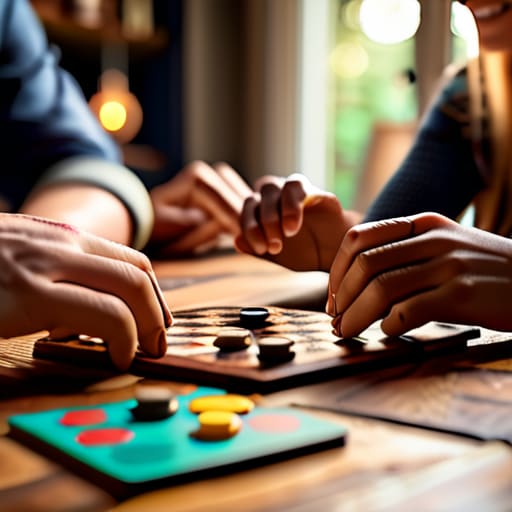
Choosing the right games isn’t about grabbing the heaviest box on your shelf; it’s about understanding the psychological chemistry of your guests. If you’re hosting a crowd that prefers lighthearted banter, lean into social deduction or fast-paced card games. However, if your friends thrive on deep strategy, you’ll want to curate a selection of the best board games for groups that offer meaningful interaction without causing “analysis paralysis.” I always look for titles that balance complexity with accessibility, ensuring that no one feels sidelined by a rulebook they can’t decipher.
The goal is to foster synergy, not frustration. When planning a themed game night, for instance, your game selection should mirror the atmosphere you’re trying to build. A high-stakes heist game works beautifully with a specific mood, but if the mechanics are too punishing, the social energy will plummet. Aim for games that act as a bridge for conversation rather than a barrier. When the mechanics are tuned to the group’s collective temperament, the game ceases to be a mere distraction and becomes a shared intellectual experience.
Strategic Planning for Hosting Social Gatherings at Home
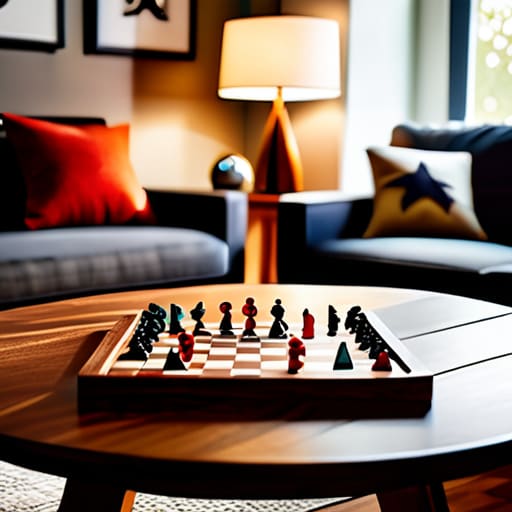
Once you’ve settled on the mechanics and the player count, the focus shifts from the tabletop to the environment itself. When it comes to hosting social gatherings at home, I’ve learned that the physical space dictates the flow of the evening. You don’t want a cramped setup where players are constantly bumping elbows or struggling to see the board. I always suggest clearing a dedicated zone—something that feels intentional rather than cluttered. If you’re looking into planning a themed game night, this is where you lean into the atmosphere. Whether it’s dimming the lights for a high-stakes mystery or setting up a bright, energetic space for fast-paced card games, the environment acts as a silent facilitator for the social dynamics at play.
Logistics also extend to the sensory experience, specifically regarding sustenance. While I’m a sucker for a steady supply of Earl Grey, your guests will need something more substantial. However, avoid anything greasy that could ruin a pristine game board. My go-to game night snack ideas always prioritize “clean” finger foods—think pretzels or grapes rather than wings. It’s about maintaining that delicate balance between nourishment and the preservation of your collection.
The Mechanics of Engagement: Five Tactics for a Seamless Session
- Curate the Guest List Based on Playstyle Synergy. Just as a well-balanced RPG party needs specific roles, your group needs a mix of personalities. Avoid a room full of hyper-competitive players if you’re trying to run a cooperative campaign; instead, aim for a blend of tacticians and casual enjoyers to keep the social energy stable.
- Master the Art of the Rulebook Pre-Read. Nothing kills the momentum of a gathering faster than a host squinting at a manual for twenty minutes while guests stare blankly. I make it a rule to master the core mechanics before anyone walks through my door so I can facilitate the flow rather than interrupt it.
- Designate a Dedicated “Command Center.” Your table shouldn’t just be a place to eat; it needs to be an optimized workspace. Clear the clutter, ensure there is adequate lighting for reading small text, and make sure everyone has enough physical elbow room to maneuver their pieces without knocking over a drink.
- Implement a Structured Pacing Strategy. Mindless consumption leads to fatigue. If you’re playing heavy strategy games, plan for meaningful breaks between rounds. It allows players to decompress, discuss their moves, and reset their mental focus before the next high-stakes phase begins.
- Manage the Sensory Environment. The background noise should support the game, not fight it. If you’re running a high-tension thriller, a subtle ambient soundtrack works wonders; if it’s a lighthearted party game, keep the music upbeat but low enough that it doesn’t drown out the essential social banter.
Beyond the Rulebook
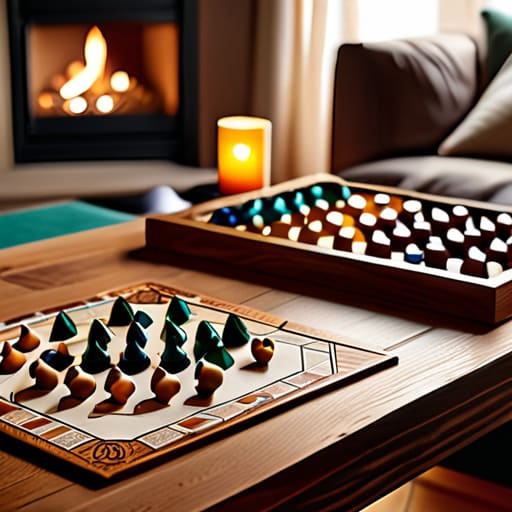
At the end of the day, a successful game night isn’t about achieving technical perfection or having a flawlessly executed schedule. It’s about the synergy created when you’ve done the legwork—selecting games that actually mesh with your group’s temperament and setting a physical space that encourages engagement rather than distraction. When you move from mindless hosting to intentional curation, you transform a simple evening into a structured experience where the mechanics can truly shine. You’ve handled the logistics, you’ve balanced the complexity of the library, and you’ve prepared the environment; now, you can finally step back and let the systems take over.
As I sit here with my tea, watching the mechanics of a well-chosen game unfold, I’m reminded that we aren’t just playing to pass the time. We are engaging in a shared mental exercise that builds connection through strategy and shared struggle. Don’t be afraid if a session goes slightly off the rails or if a rule is misinterpreted; the most profound moments often happen in the margins of the manual. Treat every gathering as an opportunity to master the art of play, and you’ll find that the real victory isn’t just winning the game, but the lasting intellectual and social energy it leaves behind.
