I remember sitting hunched over a flickering CRT monitor in my childhood bedroom, convinced that if I just leaned in closer, I could somehow merge with the game. Back then, I didn’t realize that my body was paying a silent tax for every hour spent in that position. Now, as I sit with my lukewarm Earl Grey, I see so many people falling for the marketing trap of “ergonomic” chairs that cost more than a used car but offer nothing but fancy stitching. We’ve been told that perfect gaming posture is something you can buy in a box, when in reality, it’s a discipline you have to cultivate.
I’m not here to sell you on a thousand-dollar throne or give you a lecture filled with clinical jargon. Instead, I want to share what I’ve learned from decades of playing—and the physical toll that comes when you ignore the mechanics of your own body. I’m going to show you how to treat your physical form with the same intentionality you bring to a difficult boss fight. We are going to focus on practical, sustainable adjustments that keep you in the game longer, without the unnecessary hype.
Table of Contents
Optimizing Your Ergonomic Gaming Station Setup
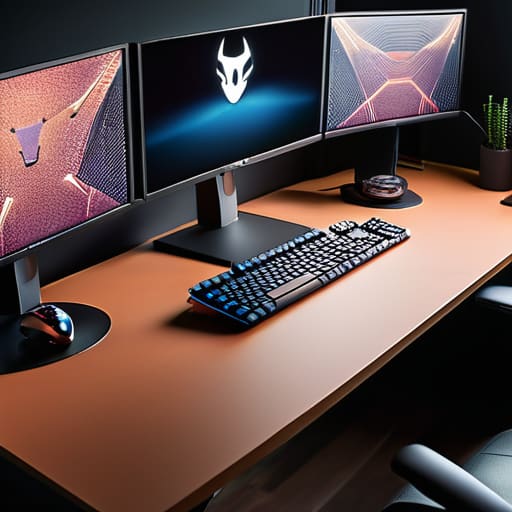
Setting up a space for long-term play isn’t about buying the most expensive RGB-lit chair on the market; it’s about understanding the geometry of your body. When I’m deep into a technical manual or a complex strategy game, I’ve learned that my focus evaporates the moment my physical comfort falters. To avoid this, you need a deliberate ergonomic gaming station setup that respects your natural alignment. Start with your eyes: if you’re constantly tilting your chin down to see the screen, you’re begging for trouble. Aim for an optimal monitor height for gaming where the top third of the screen sits at eye level, keeping your spine neutral and your gaze steady.
Next, let’s talk about the foundation. If you’re sitting on a kitchen chair or a sofa, you’re essentially playing against your own anatomy. I always insist on using a dedicated cushion or a chair that provides firm lumbar support for long sessions to maintain the natural curve of your lower back. Your elbows should rest at a 90-degree angle, not perched on high armrests that force your shoulders upward. When your environment is tuned to your physical needs, you stop fighting your furniture and start focusing entirely on the mechanics of the game.
Finding Lumbar Support for Long Sessions
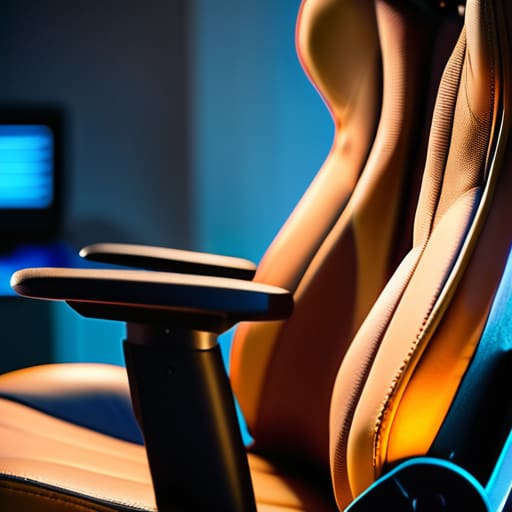
When I’m deep into a complex strategy game or troubleshooting a vintage handheld, I often realize I’ve been leaning forward for an hour straight. That slight slouch might feel fine in the moment, but it puts immense pressure on the lower spine. Finding reliable lumbar support for long sessions isn’t just about comfort; it’s about maintaining the natural curve of your back so you aren’t paying for your session with chronic aches later.
If your current chair feels like a bucket seat that offers no structural integrity, don’t feel like you have to drop hundreds on a high-end racing chair. Sometimes, a simple memory foam cushion or even a rolled-up towel placed at the small of your back can make a world of difference. The goal is to bridge that gap between your spine and the chair back. By stabilizing your lower half, you actually find it much easier to keep your head aligned, which is a crucial component of preventing gamer neck pain as the night progresses. It’s all about creating a foundation that allows you to focus on the mechanics, not your discomfort.
Beyond the Chair: Five Habits to Protect Your Physical Form
- Stop the “Gamer Lean.” It’s tempting to hunch forward when a boss fight gets intense, but that constant tension in your upper back is a recipe for long-term strain. Try to keep your spine neutral, even when the adrenaline kicks in.
- The 20-20-20 Rule for Eye Strain. My psychology background tells me how much mental fatigue stems from sensory overload. Every 20 minutes, look at something 20 feet away for at least 20 seconds. It resets your focus and keeps your eyes from feeling like sandpaper.
- Mind Your Wrist Angles. If you’re playing with a controller or a mouse, avoid bending your wrists upward or downward. Aim for a straight line from your forearm to your hand. I’ve seen too many people sacrifice their dexterity for a “comfortable” grip that actually kills their performance.
- Incorporate Micro-Stretches. You don’t need a full yoga session, but every hour, take sixty seconds to roll your shoulders and stretch your neck. Think of it as a system reboot for your body; it clears the physical “lag” that accumulates during long sessions.
- Match Your Screen Height to Your Eye Line. If you’re looking down at a monitor or a handheld, you’re putting immense pressure on your cervical spine. Your eyes should hit the top third of the screen so your head stays upright, not tucked into your chest.
The Intentional Player’s Checklist
Treat your physical setup as an extension of your game mechanics; if your body is uncomfortable, your cognitive focus will inevitably slip.
Don’t wait for pain to become a distraction—proactive adjustments to your posture and lumbar support are essential for maintaining long-term skill.
Mastery requires more than just mental acuity; it requires the physical discipline to maintain an ergonomic environment that supports your playstyle.
The Mind-Body Connection in Mastery
We often obsess over frame rates and input latency, yet we completely neglect the most critical hardware in our setup: our own bodies. If you aren’t treating your posture with the same precision you bring to a complex game mechanic, you aren’t playing with intention—you’re just waiting for your physical limitations to hold you back.
Delia Okonkwo
The Long Game: Investing in Your Future Self

At the end of the day, mastering your posture isn’t about following a rigid set of rules or buying the most expensive ergonomic chair on the market. It is about the cumulative effect of the small, intentional choices you make every time you sit down to play. From fine-tuning your monitor height to ensuring your spine has the proper lumbar support, these adjustments are the foundation of a sustainable hobby. If you neglect the physical mechanics of your body, you are essentially building your skill on a shaky foundation. By treating your setup with the same analytical precision you apply to a difficult boss fight or a complex game system, you ensure that your physical form remains an asset rather than a liability.
I’ve spent decades watching the gaming landscape shift from pixelated sprites to hyper-realistic worlds, and if there is one thing I’ve learned, it’s that our bodies need to evolve alongside the technology. Gaming is a lifelong pursuit, and I want you to be able to enjoy it just as much twenty years from now as you do today. Don’t just play for the immediate dopamine hit; play with the intent to endure. When you respect your physical limits and optimize your environment, you aren’t just avoiding aches and pains—you are protecting your ability to explore every world, every mechanic, and every challenge that lies ahead.
Frequently Asked Questions
How can I tell if my current discomfort is just temporary fatigue or a sign of actual repetitive strain injury?
It’s a fine line, and honestly, one I’ve had to learn the hard way. Fatigue usually feels like a dull heaviness that vanishes after a good stretch or a night’s sleep. But if that ache turns into a sharp, localized sting—or if you notice tingling and numbness in your hands—that’s your body sounding an alarm. Don’t mistake persistent, radiating pain for mere tiredness; that’s often the precursor to a real injury.
Are there specific stretches I can do mid-session that won't break my focus or flow state?
The key is “micro-stretching”—movements so subtle they don’t pull you out of the zone. While you’re waiting for a match to load or a checkpoint to trigger, try some seated spinal twists or simple wrist rotations. Even just a quick neck tilt to each side can reset your tension. I find that if I keep my eyes on the screen and move rhythmically, I can maintain my flow state while preventing that dreaded mid-session stiffness.
Is it worth investing in high-end ergonomic gear, or can I achieve the same results with more affordable, DIY adjustments to my existing setup?
Look, I get the temptation to drop a massive paycheck on a high-end throne, but you don’t need a thousand-dollar chair to play with intention. If your current setup is solid, start with DIY adjustments—a rolled-up towel for lumbar support or a footrest made from old books can work wonders. Invest in the “big” stuff only when your body tells you your current gear has reached its limit. Master your space, not your budget.
