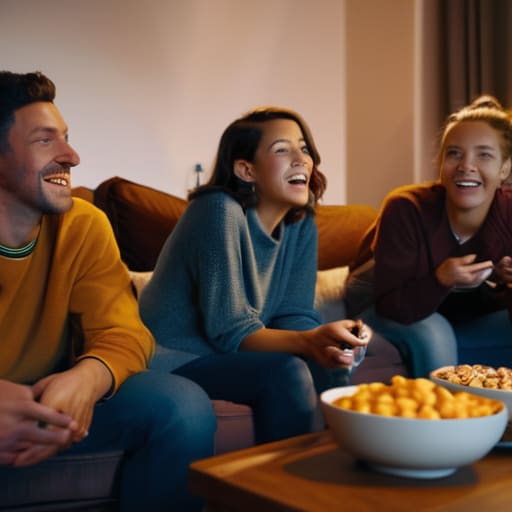
I still remember the smell of ozone and stale popcorn in my uncle’s basement, hunched over a flickering CRT screen with my cousin, trying to navigate a pixelated dungeon. We weren’t just playing; we were communicating in a frantic, unspoken language of button presses and shared adrenaline. That was my first real taste of cooperative gaming, a raw connection that felt far more substantial than any modern, hollow “social feature” advertised by big publishers today. There is a massive difference between simply occupying the same digital space and actually syncing your cognitive processes with another human being to overcome a systemic challenge.
I’m not here to sell you on the idea that playing with friends is a magic cure for a mediocre game design. Instead, I want to pull back the curtain on how we can approach these shared systems with more intention. I promise to skip the superficial fluff and dive straight into the mechanics of meaningful synergy. We are going to explore how to move past mindless button-mashing and start treating your team like a finely-tuned machine, ensuring that every session is a deliberate step toward mastering the craft together.
Table of Contents
Decoding Complex Collaborative Gameplay Mechanics

When we strip away the flashy graphics and the adrenaline, what we’re really left with are the underlying systems that dictate how players interact. In many modern titles, success isn’t just about individual reflexes; it’s about understanding the specific collaborative gameplay mechanics that the developers have woven into the loop. I often find myself analyzing how a game distributes resources or manages cooldowns to force players into a state of mutual reliance. It’s a fascinating psychological dance where you have to stop thinking about “my score” and start thinking about the collective efficiency of the unit.
If you want to move past the amateur stage, you have to look for the invisible threads connecting your actions to your partner’s. This is where the real depth of team-based strategy games reveals itself. It isn’t enough to simply occupy the same digital space; you need to anticipate the rhythm of your ally. Whether it’s timing a defensive buff to coincide with their ultimate or managing a shared health pool, mastering these nuances turns a chaotic skirmish into a synchronized masterpiece of intent.
Elevating Online Multiplayer Dynamics Through Intentionality

When we step into the digital arena of online multiplayer dynamics, it is easy to fall into the trap of treating other players like mere NPCs or obstacles to our own progress. We often default to a “me-first” mentality, chasing solo glory while neglecting the very systems that make the game thrive. However, true mastery comes when you stop playing alongside people and start playing with them. This shift requires a conscious decision to move away from chaotic, reactionary playstyles and toward a structured, intentional approach where every movement serves the group’s broader objective.
This is where the real depth of team-based strategy games reveals itself. Instead of just reacting to the nearest threat, I’ve found that the most rewarding social gaming experiences stem from anticipating a teammate’s needs before they even voice them. Whether it’s covering a flank or managing resources to support a healer, these micro-decisions transform a group of strangers into a synchronized unit. When you approach the game with this level of mental engagement, the experience stops being a mindless grind and becomes a sophisticated exercise in collective problem-solving.
The Intentional Player’s Toolkit for Group Success
- Stop playing your own game; start playing the team’s game. It’s easy to get tunnel vision on your own cooldowns or loot, but true synergy happens when you stop thinking about your individual score and start anticipating the gaps in your partner’s defense.
- Master the art of the “low-bandwidth” callout. In the heat of a raid or a frantic skirmish, nobody has time for a psychological breakdown of the enemy’s movement patterns. Keep your communication surgical—name the threat, state the direction, and execute.
- Embrace the role you actually need, not just the one you find most rewarding. I know it’s tempting to always play the DPS and chase the glory, but a team with five glass cannons is just a countdown to a wipe. Sometimes, the most profound mastery comes from being the steady, invisible backbone that keeps the group alive.
- Treat mistakes as data points rather than personal failures. When a coordinated push falls apart, don’t look for someone to blame; look for the mechanical breakdown. Was it a timing error, a lack of resource management, or a failure in positioning? Analyze the system, adjust, and move on.
- Cultivate a culture of psychological safety within your squad. If your teammates are afraid to fail, they’ll play tentatively, and tentative play is how groups die. Encourage experimentation and keep the tone constructive; a group that trusts each other is far more dangerous than one that is simply mechanically gifted.
The Intentional Player’s Toolkit
Stop treating your teammates as NPCs; true mastery comes from treating the group as a single, synchronized system where every movement serves a mechanical purpose.
Move beyond the reactive loop of mindless button-mashing and start analyzing the game’s underlying logic to anticipate needs before they become crises.
Cultivate a mindset of deliberate communication, focusing on actionable information rather than noise to maintain the psychological flow of the team.
The Architecture of Shared Victory
“Cooperative gaming isn’t just about playing alongside someone; it’s about synchronizing your mental models until the gap between individual intent and collective action simply disappears.”
Delia Okonkwo
Moving Beyond the Screen

At its core, mastering cooperative play isn’t about just hitting buttons at the same time as your partner; it’s about understanding the underlying architecture of the game and your role within it. We’ve looked at how breaking down complex mechanics and bringing a sense of deliberate intentionality to online interactions can transform a chaotic lobby into a streamlined, efficient unit. When we stop treating our teammates as mere NPCs and start seeing them as essential components of a larger system, we move away from the mindless grind and toward a much deeper, more rewarding level of tactical synergy.
As I sit here with my tea, watching the glow of a handheld screen, I’m reminded that the most profound victories aren’t just the ones measured in XP or loot drops. They are found in those rare, unspoken moments of perfect synchronization where a group of strangers becomes a cohesive team through shared focus and respect. Gaming is a lifelong evolution, and as we grow, our way of playing should evolve too. Don’t just play to win; play to connect, and you’ll find that the true mastery of any game lies in the human connections built within its digital walls.
Frequently Asked Questions
How do I maintain my own sense of agency and skill progression when playing with teammates who have vastly different experience levels?
It’s easy to feel like a passenger when you’re playing with novices, but don’t let your own growth stall. Instead of just carrying them, shift your focus to high-level mastery. Use the “gap” to practice precision—perfect your timing, optimize your resource management, or experiment with complex builds that require absolute control. If they are the shield, you become the scalpel. You aren’t just playing the game; you’re mastering the nuances of leadership and tactical precision.
Are there specific psychological frameworks I can use to better read my partner's intentions during high-pressure, split-second gameplay?
When the adrenaline spikes, stop looking for verbal cues and start reading “micro-behaviors.” Think of it through the lens of Social Cognitive Theory: you aren’t just watching their character; you’re observing their patterns of agency. Watch for their positioning and resource expenditure. If they’re overextending, they’re likely playing reactively rather than proactively. By recognizing these subtle shifts in their decision-making rhythm, you can anticipate their next move before they even press a button.
How can we transition from "playing together" to truly "mastering systems together" without falling back into the trap of mindless, uncoordinated grinding?
Stop treating the session like a mindless marathon. To move beyond mere proximity, you have to start treating your group as a single, integrated system. This means pausing the grind to conduct “post-mortems” on failed runs—analyzing exactly where the mechanical breakdown occurred. Instead of just repeating the same failed loop, map out specific roles and trigger-based responses. When you stop playing at the game and start solving it as a unit, the mastery follows.
