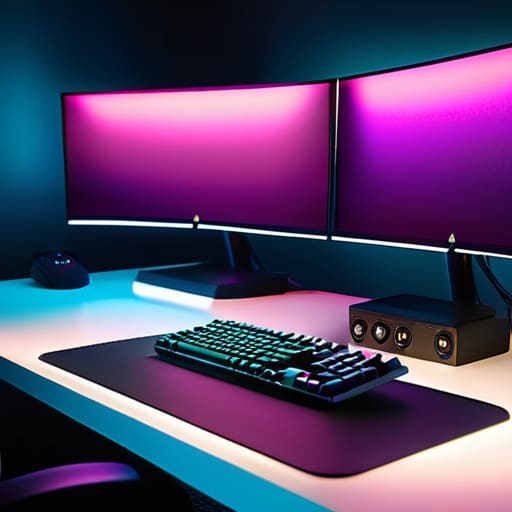
I remember sitting in my childhood bedroom, squinting at a heavy CRT monitor while the only light came from a flickering desk lamp that made everything feel cramped and harsh. Fast forward to today, and I see people dumping hundreds of dollars into neon-soaked setups that look more like a chaotic nightclub than a space for focus. Most of the marketing around gaming lights is designed to trigger a dopamine hit through sheer visual noise, but if your setup is constantly strobing in your peripheral vision, you aren’t playing better—you’re just distracted.
I’m not here to sell you on the latest overpriced RGB strip that promises to “transform your soul.” Instead, I want to help you use light as a tool for intentionality. My goal is to strip away the flashy hype and show you how to curate an environment that actually supports your cognitive flow. We are going to look at how to select lighting that reduces eye strain and enhances immersion, treating your workspace like the complex system it truly is. Let’s find the balance between aesthetic and utility.
Table of Contents
- Building an Immersive Gaming Environment Through Light
- Sync Lighting With Gameplay for Maximum Focus
- Precision in the Glow: Five Ways to Light Your Intentional Space
- Mastering Your Environment: Three Final Thoughts
- ## Beyond the Neon Glow
- Beyond the Glow: Lighting with Purpose
- Frequently Asked Questions
Building an Immersive Gaming Environment Through Light
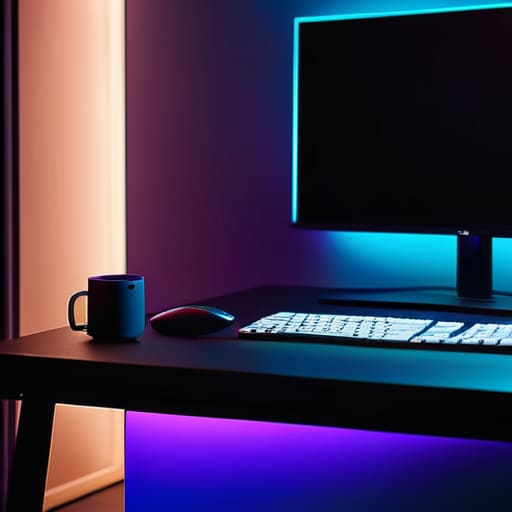
When we talk about an immersive gaming environment, we aren’t just talking about aesthetics or making a space look good for a webcam. We are talking about sensory cues that signal to your brain that it is time to transition from the mundane tasks of daily life into a state of deep focus. Lighting serves as that psychological threshold. By using subtle, indirect light, you can minimize the harsh contrast between your monitor and the darkness of your room, reducing eye strain and allowing your mind to settle into the rhythm of the game.
To truly master this, you should look beyond basic strips and consider how to sync lighting with gameplay. There is a profound psychological shift that happens when a sudden explosion in a dark corridor is met with a soft, rhythmic pulse of amber or red from your desk setup illumination. It bridges the gap between the digital and the physical. Using smart LED controllers allows you to curate these moods, turning your space into a living extension of the world on your screen rather than just a room with a computer in it.
Sync Lighting With Gameplay for Maximum Focus
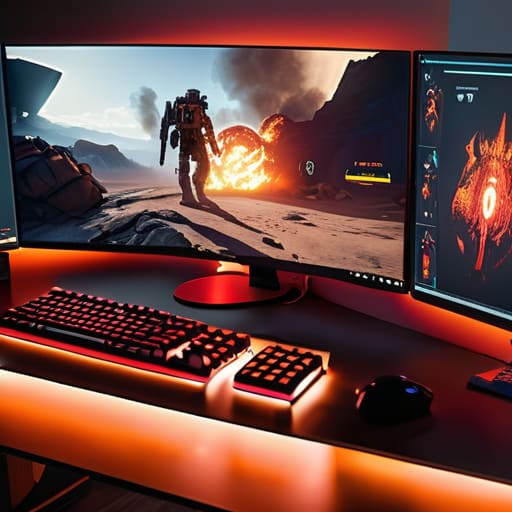
If you want to move beyond mere aesthetic room decor for gamers and actually elevate your cognitive performance, you need to look at how light interacts with your sensory perception. When you sync lighting with gameplay, you aren’t just adding a flashy effect; you are creating a feedback loop that bridges the gap between the screen and your physical space. I’ve found that when my environment reacts to the on-screen action—shifting from a cool blue during a calm exploration phase to a sharp, pulsing red during a boss fight—my brain enters a state of heightened readiness. This isn’t about distraction; it’s about using visual cues to anchor your focus.
To achieve this level of integration, I highly recommend investing in smart LED controllers that can interface directly with your hardware. Whether it’s through software integration or specialized hardware, the goal is to minimize the lag between the digital event and the physical response. A well-calibrated setup ensures that your desk setup illumination serves your intent, helping you maintain that elusive flow state. When the light in your peripheral vision matches the intensity of the game, the boundaries of the screen begin to dissolve.
Precision in the Glow: Five Ways to Light Your Intentional Space
- Prioritize indirect lighting over direct glare; you want the glow to wash against your walls, not hit your screen and break your concentration.
- Use color temperature to signal your mental state, opting for warm, low-intensity hues when you’re winding down and cooler, sharper tones when it’s time to grind.
- Match your light’s brightness to the ambient light in your room to prevent eye strain, treating your setup like a controlled ecosystem rather than a neon cave.
- Keep your light placement symmetrical to help your brain process the visual field more efficiently, reducing the cognitive load during intense sessions.
- Avoid “rainbow overkill” by selecting a cohesive color palette that supports your focus rather than distracting you with constant, frantic shifts in spectrum.
Mastering Your Environment: Three Final Thoughts
Lighting isn’t just about aesthetics; it’s a tool to reduce eye strain and help you maintain the mental clarity needed for long, intentional sessions.
Use light to create boundaries. When the room dims and the glow shifts, your brain should recognize that it’s time to transition from the chaos of daily life into a state of deep focus.
Avoid the trap of mindless, flashy setups. Choose lighting that serves your gameplay and your psychological well-being, rather than just following a trend.
## Beyond the Neon Glow
“We often mistake flashy RGB for immersion, but true lighting design isn’t about how much color you can throw at a wall; it’s about using light to bridge the gap between your physical space and the digital system you’re trying to master.”
Delia Okonkwo
Beyond the Glow: Lighting with Purpose
At the end of the day, optimizing your space with gaming lights isn’t just about chasing a neon aesthetic or making your setup look good for a stream. It is about the psychological transition from the chaos of the real world into the structured, intentional space of the game. By carefully selecting your color temperatures and syncing your lighting to the rhythm of your gameplay, you are essentially priming your brain for deep focus. Whether you are using soft, ambient hues to reduce eye strain during a long session or sharp, reactive pulses to heighten your adrenaline, you are treating your environment as a tool for mastery rather than just a backdrop.
As I sit here with my lukewarm tea, watching the soft glow of my monitors reflect off a vintage handheld, I’m reminded that how we curate our surroundings dictates how we experience our passions. Don’t just buy lights because they are trending; buy them to build an arena that respects your focus and enhances your skill. Gaming is a lifelong evolution, and as we grow, the way we engage with these digital worlds should become more thoughtful and refined. Set the stage, find your light, and play with intention.
Frequently Asked Questions
How do I choose between smart lighting systems that sync with my screen and simple, static RGB strips?
It really comes down to how much mental bandwidth you want to dedicate to your setup. If you’re looking for a passive, reliable vibe that just stays consistent, go with the static RGB strips. They’re low-maintenance and won’t distract you. But, if you want to truly bridge the gap between the screen and your physical space, invest in the smart sync systems. They turn the environment into an extension of the game’s mechanics.
Is there a point where too much colored light starts to interfere with my actual focus or causes eye strain during long sessions?
Absolutely. There is a fine line between immersion and sensory overload. When your environment is a constant, flickering kaleidoscope of high-intensity RGB, your brain spends more energy processing the visual noise than the actual game mechanics. This leads to cognitive fatigue and significant eye strain. I’ve found that keeping colors steady and low-saturation helps maintain focus. Treat your lighting like a background score—it should support the experience, not drown it out.
Can I integrate my lighting setup with my existing workspace to ensure a smooth transition between technical writing and gaming?
Absolutely. In fact, I wouldn’t recommend against it. My desk is a constant battleground between technical documentation and deep-dive gaming sessions, so I’ve learned that versatility is key. Use smart bulbs or programmable LED strips that you can switch from a crisp, cool white for focus-heavy writing to a warmer, more immersive hue for gameplay. It’s about creating a single, cohesive ecosystem that signals to your brain exactly which mode you’re in.
