Author: Delia Okonkwo

  • The Basics of Effective Positioning

    The Basics of Effective Positioning

    I remember sitting in front of a flickering CRT monitor in the late 80s, losing my mind over a boss fight that felt mathematically impossible. I spent hours thinking I just needed faster reflexes or a better controller, only to realize I was actually just standing in the wrong damn place. Most modern guides will try to sell you on complex, high-level “pro” rotations or expensive gear to fix your mistakes, but they’re ignoring the core truth: you can have all the mechanical skill in the world, but if you haven’t mastered your positioning fundamentals, you’re just a very fast way to lose.

    I’m not here to give you a lecture filled with theoretical fluff or “meta” nonsense that will be obsolete by next Tuesday. Instead, I want to strip these systems down to their psychological bones so you can understand why certain spaces on a map hold more value than others. My promise to you is simple: we are going to look at this through a lens of intentionality. I’ll show you how to stop reacting to the chaos and start dictating it, turning the map from an obstacle into your greatest tactical advantage.

    Table of Contents

    Optimizing Rotation Timing for Systemic Advantage

    Optimizing Rotation Timing for Systemic Advantage

    Optimizing Rotation Timing for Systemic Advantage

    Timing isn’t just about moving from point A to point B; it’s about understanding the rhythm of the match. If you rotate too early, you’re likely just feeding the enemy team information and resources. If you wait too long, you’re reacting to a crisis rather than dictating the flow of the game. To truly master this, you have to develop better map awareness techniques to predict when a lane is about to collapse or when a power spike is imminent. I’ve found that the most effective players don’t just react to the map; they anticipate the shifts in pressure before they even happen.

    The goal is to find that sweet spot of optimal rotation timing where you arrive at a new objective just as the previous engagement concludes. This requires a disciplined approach to minimizing exposure risk during the transit. You shouldn’t be sprinting blindly through open territory; instead, you should be threading your movement through corridors that offer cover and obscure your intent. When you treat movement as a calculated transition rather than a frantic scramble, you stop being a victim of the map and start becoming its architect.

    Vision and Sightlines Seeing the Games Hidden Logic

    Vision and Sightlines Seeing the Games Hidden Logic

    Most players treat sightlines as mere corridors where enemies might appear, but if you want to play with intention, you have to view them as mathematical variables. It isn’t just about looking around corners; it’s about understanding the geometry of the environment to maximize your information gain while minimizing exposure risk. When I’m analyzing a match, I look for players who aren’t just reacting to what they see, but are proactively using vision to dictate the flow of the encounter.

    Effective vision and sightlines management is where the psychological aspect of gaming meets pure mechanics. You aren’t just looking for a target; you are looking to deny the opponent their own clarity. By mastering specific tactical movement patterns, you can manipulate what the enemy perceives, essentially forcing them into a state of uncertainty. This isn’t about luck or “getting lucky” with a peek; it’s about systematically stripping away your opponent’s ability to make informed decisions. When you control the information, you control the system.

    Beyond the Joystick: Five Ways to Play with Intentional Geometry

    • Stop treating cover like a temporary shield; treat it like a structural part of your strategy. If you’re just popping out to shoot and then ducking back, you aren’t using the environment—you’re just hiding. True positioning means understanding how the geometry of the map dictates your window of opportunity.
    • Learn to respect the “dead zone.” Every map has those awkward, open stretches where you have zero tactical advantage. If you find yourself sprinting through a field without a plan to reach the next piece of hard cover, you aren’t playing the game; you’re just waiting to be a target.
    • Use your teammates as anchors, not just companions. In any system, stability comes from how components interact. If you’re constantly drifting too far from your group, you’re breaking the formation and making yourself an easy outlier to exploit. Position yourself to support the line, not to wander off it.
    • Master the art of the “offset.” Never stand directly behind your teammate or in a straight line with them. If an opponent has a clear shot at one of you, they have a clear shot at both. Staggering your positions creates multiple angles of engagement and forces the enemy to make much harder decisions.
    • Anticipate the “flow” of the encounter. Don’t just react to where the enemy is; position yourself where they are going to be once they realize they’ve lost the initial advantage. It’s about thinking one step ahead in the system’s logic, rather than just reacting to the immediate visual stimulus.

    The Core Lessons of Intentional Positioning

    Stop treating movement as a way to get from A to B; start treating every step as a way to control the space around you.

    Mastery isn’t about having the fastest reflexes, it’s about having the best sightlines so you never have to rely on them in the first place.

    Timing your rotations isn’t a suggestion—it’s the difference between being the predator in a system and being the prey.

    ## The Psychology of Space

    “Positioning isn’t just about where your character is standing on a digital map; it’s about where you are forcing your opponent to be mentally. When you control the space, you aren’t just playing the game—you’re dictating the terms of the engagement.”

    Delia Okonkwo

    Moving Beyond the Map

    Strategically Moving Beyond the Map.

    At the end of the day, mastering positioning isn’t about memorizing a static map or following a rigid checklist of coordinates. It is about synthesizing everything we’ve discussed—the precision of your rotation timing, the strategic use of sightlines, and the ability to read the game’s underlying logic. When you stop reacting to the chaos and start anticipating the system, you move from being a participant to a strategist. You aren’t just moving a character from point A to point B; you are actively manipulating the environment to favor your success. This shift from mindless movement to intentional placement is what separates those who simply play from those who truly master the mechanics.

    As I sit here with my tea, watching the patterns emerge in my own sessions, I’m reminded that skill is a moving target. The way we approach a map today might change as the meta shifts or as our own cognitive approaches evolve, but the principle of intentionality remains constant. Don’t get discouraged if you find yourself caught out of position; instead, treat every mistake as a data point in a larger psychological puzzle. Games are complex, beautiful systems, and they reward those who take the time to study the architecture of the fight. Play with purpose, keep refining your perspective, and you’ll find that the joy of the game grows alongside your skill.

    Frequently Asked Questions

    How do I know when I'm just being overly cautious versus when I'm actually positioning with intent?

    It comes down to the “why” behind your movement. If you’re hovering in a corner because you’re afraid of losing a life or a point, that’s just fear-based hesitation—it’s reactive, not proactive. True intentional positioning is about controlling the variables. If you can articulate exactly which sightline you’re holding or which rotation you’re preparing for, you’re playing the system. If you’re just waiting for something to happen, you’re playing scared.

    Can these principles be applied to single-player games where I'm not fighting against other players' decision-making?

    Absolutely. In fact, applying these principles to single-player games is where you truly begin to master the system’s underlying logic. Whether it’s a Souls-like or a tactical RPG, the “enemy” is still a set of programmed rules. If you stop reacting blindly and start positioning yourself to manipulate those rules—controlling sightlines or timing your movements to exploit an AI’s predictable patterns—you aren’t just playing; you’re deconstructing the game’s architecture.

    At what point does studying these systems start to kill the "flow state" or the actual joy of playing?

    It’s a fine line, isn’t it? In my psychology studies, we talk about the “Goldilocks zone” of cognitive load. If you’re constantly over-analyzing every single micro-movement, you’re stuck in your head, not in the game. You lose that visceral connection to the mechanics. The trick is to move from conscious competence to unconscious mastery. You study the system until the logic becomes muscle memory, allowing the analysis to fade into the background so the flow can actually take over.

  • Understanding How Hardware Latency Affects Play

    Understanding How Hardware Latency Affects Play

    I remember sitting in my dim living room years ago, nursing a lukewarm cup of Earl Grey, trying to navigate a high-stakes boss fight on a handheld I’d just finished restoring. I was playing with precision, my thumbs moving with intent, yet the character on screen felt like it was wading through molasses. It wasn’t my skill failing me; it was the crushing weight of input latency turning my deliberate actions into a sluggish guessing game. There is nothing more demoralizing than knowing exactly what you need to do, only to have the hardware refuse to bridge the gap between your mind and the machine.

    I’m not here to sell you on a $500 specialized controller or a “pro-grade” monitor that promises miracles. My goal is to strip away the marketing fluff and look at the actual mechanics of the delay. I want to help you understand how to minimize the friction between your intentions and the game’s response. We are going to look at the real-world factors that impact your performance, so you can stop fighting your equipment and start mastering the system instead.

    Table of Contents

    End to End Delay Explained the Hidden Cost of Mindless Play

    End to End Delay Explained the Hidden Cost of Mindless Play

    When we talk about lag, most people focus on their internet connection, but that’s only one piece of a much larger, more frustrating puzzle. To truly understand why a parry feels “mushy” or why a jump feels delayed, we have to look at end-to-end delay explained through the entire hardware chain. It isn’t just about one device; it’s the cumulative time it takes for your physical button press to travel through the controller, be processed by the CPU, and finally manifest as a change in pixels on your screen.

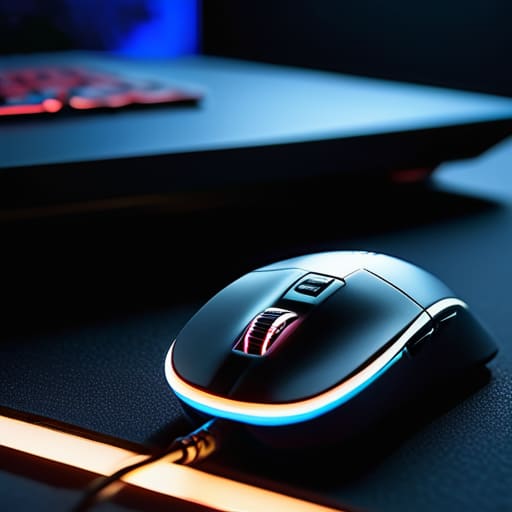
    If you aren’t accounting for the total journey, you’re essentially playing against a ghost. You might have a high-end mouse, but if you ignore the display lag vs input lag distinction, you’re missing the full picture. A fast gaming peripheral response time means nothing if your monitor takes an extra fifty milliseconds to actually show you the result of your action. This disconnect creates a cognitive friction that breaks your flow, turning a moment of intended precision into a clumsy mistake. To master a system, you have to respect the entire loop.

    Display Lag vs Input Lag Identifying Your Systems Friction

    Display Lag vs Input Lag Identifying Your Systems Friction

    It’s easy to lump everything together and blame “lag” for a missed parry, but if we want to play with intention, we have to be more precise. I often see players conflating two very different friction points: display lag vs input lag. Think of it this way: input lag is the time it takes for your controller’s signal to reach the console, whereas display lag is the delay caused by your monitor processing that image before it actually hits your eyes. When I’m restoring old handhelds, I see how much the hardware limitations of the screen itself can muddy the experience, regardless of how fast your buttons feel.

    To truly master your setup, you have to look at the entire chain. You might have a high-end mouse with an incredible gaming peripheral response time, but if you’re playing on a television with heavy post-processing enabled, that speed is essentially wasted. You’re fighting a ghost in the machine. Identifying where this friction lives—whether it’s the signal traveling through a wireless connection or the way your screen renders a frame—is the first step toward reclaiming that lost connection between your hands and the game.

    Cutting the Cord: Five Practical Ways to Reclaim Your Reaction Time

    • Prioritize wired connections over wireless whenever possible. I know, Bluetooth mice and wireless controllers feel convenient, but that tiny packet of data traveling through the air is a variable you don’t need. If you want that instant, tactile connection to the game, plug in.
    • Check your display settings for a “Game Mode.” Many modern TVs try to be “smart” by processing images to make them look prettier, but that processing is just a fancy word for delay. Turning on Game Mode bypasses that extra layer of digital polish to give you the raw, immediate frame.
    • Audit your peripheral polling rates. If you’re using a high-end gaming mouse, make sure it’s actually set to its highest polling rate in the software. There’s no point in having a professional-grade tool if it’s only communicating with your PC at a fraction of its potential speed.
    • Minimize the “middlemen” in your signal chain. Every time you run a signal through a capture card, a secondary monitor, or a complex hub, you’re adding milliseconds to the clock. Keep your signal path as direct and lean as possible to ensure your intentions reach the screen without hesitation.
    • Be mindful of V-Sync. While vertical sync is great for stopping screen tearing, it’s notorious for introducing significant input lag because it forces the GPU to wait for the monitor. If you can live with a little visual tearing in exchange for a more responsive feel, turn it off.

    The Path to Intentional Play: Reducing System Friction

    Stop treating lag as an unchangeable part of the game; start viewing it as a technical variable that you can actively minimize through better hardware choices and settings.

    Distinguish between the delay in your controller and the delay in your monitor so you can pinpoint exactly where your connection to the game is breaking down.

    Aim for a seamless loop between thought and action, because true mastery only happens when the system becomes an extension of your own intent rather than a barrier to it.

    The Rhythm of Intent

    Mastering a game isn’t just about fast reflexes; it’s about the seamless translation of thought into action. When latency creeps in, that connection breaks, and you’re no longer playing the system—you’re fighting against it.

    Delia Okonkwo

    Mastering the Rhythm

    Mastering the Rhythm of gaming performance.

    At the end of the day, understanding the distinction between input lag and display lag isn’t just about chasing technical specs; it’s about identifying the friction in your personal ecosystem. We’ve looked at how every millisecond of end-to-end delay acts as a tiny, invisible barrier between your brain and the game’s logic. Whether it’s a slow refresh rate on a monitor or a poorly optimized wireless controller, these delays disrupt the flow state that makes gaming so rewarding. By addressing these bottlenecks, you aren’t just “fixing a setup”—you are optimizing the feedback loop that allows your skill to actually manifest on the screen.

    Don’t let the pursuit of technical perfection become another source of frustration, but do refuse to settle for a system that works against you. Gaming is a lifelong dialogue between your intentions and the machine, and that dialogue should be as seamless as possible. When you minimize latency, you stop fighting your hardware and start mastering the system itself. Take the time to tune your gear, find your rhythm, and play with the intention you deserve. After all, the joy of the game isn’t just in the victory, but in the uninterrupted connection to the world you’re playing in.

    Frequently Asked Questions

    Is there a specific threshold where latency becomes noticeable enough to actually hinder my skill, or is it all just subjective?

    It’s a mix of both, but there is a hard physiological limit. Once you cross that 50ms to 80ms threshold, the “flow state” starts to fracture. You aren’t just playing the game anymore; you’re playing against your hardware. While some players can adapt, most feel a disconnect where their muscle memory clashes with the visual feedback. If you feel like you’re constantly “reacting to a ghost,” you’ve hit the limit where latency sabotages your intent.

    Can I actually fix these delays through software settings, or am I looking at a hardware limitation that requires a new monitor or controller?

    It’s usually a bit of both, but don’t panic—you don’t always need to empty your wallet. Start with the software; toggling “Game Mode” on your TV or disabling V-Sync in your settings can shave off precious milliseconds. If you’ve optimized your settings and still feel that disconnect, you’re likely hitting a hardware ceiling. At that point, upgrading to a high-refresh monitor or a wired controller isn’t a luxury; it’s reclaiming your agency.

    How much does my choice of connection—like switching from Bluetooth to a wired setup—really impact the rhythm of my gameplay?

    It’s not just a minor tweak; it’s a fundamental shift in how you interface with the game. Bluetooth is a convenience, but it introduces a variable, unpredictable delay that breaks your flow. When you switch to a wired connection, you’re removing that digital “mushiness.” You gain a direct, predictable line of communication that allows your muscle memory to actually sync with the screen, turning a stuttered reaction into a true, rhythmic response.

  • Paths to Pursuing Professional Esports

    Paths to Pursuing Professional Esports

    I remember sitting in my dimly lit study last Tuesday, sipping a lukewarm Earl Grey, staring at a headline claiming that an esports career was a “get rich quick” scheme for the teenage elite. It irritated me. The industry is constantly surrounded by this loud, neon-soaked hype that suggests if you aren’t a prodigy by age fourteen, you’ve already missed the boat. That’s a lie. People treat professional gaming like a lottery ticket, but they ignore the actual cognitive architecture required to sustain it.

    I’m not here to sell you on a dream of overnight stardom or mindless grinding. Instead, I want to pull back the curtain on what it actually takes to build a sustainable esports career through intentionality and psychological discipline. My goal is to provide you with a no-nonsense roadmap that treats gaming as the complex system it is. We aren’t just going to talk about high scores; we are going to discuss how to master the mechanics, manage your mental load, and turn your passion into a professional craft that lasts.

    Table of Contents

    Mastering the Pro Gamer Training Regimen

    Mastering the Pro Gamer Training Regimen.

    If you want to move beyond the casual loop, you have to stop treating your practice sessions like aimless playtime. A true pro gamer training regimen isn’t just about high APM or twitch reflexes; it’s about structured, deliberate practice. I’ve spent years studying how systems influence behavior, and I can tell you that the most successful players approach their setups like an athlete approaches a gym. This means scheduled VOD reviews, targeted mechanical drills, and—most importantly—understanding the psychology of tilt. You aren’t just playing the game; you are training your brain to remain calm under systemic pressure.

    Beyond the mechanical grind, you need to consider the mental architecture that supports longevity. This is where gaming performance coaching becomes a game-changer. Many aspiring pros overlook the fact that burnout is a physiological reality, not just a lack of motivation. Integrating physical wellness and cognitive recovery into your routine isn’t a distraction from your goals; it is the very foundation that allows you to sustain a high level of play. If you want to turn this passion into a sustainable lifestyle, you must learn to manage your most valuable asset: your own focus.

    Navigating Diverse Esports Industry Job Roles.

    When people think about a professional path in this space, they often default to the image of a teenager sitting in a high-end chair, clicking a mouse at lightning speed. But if you look closer at the actual architecture of the scene, you’ll see it’s far more nuanced. There is a massive spectrum of esports industry job roles that require entirely different cognitive toolkits. Some of you might find your calling in the high-pressure environment of esports management opportunities, where logistics and human psychology intersect to keep a roster functional. Others might lean into the analytical side, perhaps finding fulfillment in gaming performance coaching, helping athletes bridge the gap between raw talent and mental discipline.

    It isn’t just about the players, either. The ecosystem thrives on creators and strategists. I’ve seen brilliant minds pivot from competitive play into the art of building a gaming brand, turning their deep systemic knowledge into influential content. Whether you are navigating the academic route through esports scholarship programs or carving out a niche in production and data analysis, the key is to identify where your specific temperament meets the industry’s needs. It’s about finding your unique slot in the machine.

    Building Your Blueprint: 5 Pillars of a Sustainable Esports Career

    • Treat your mental health like your hardware. You wouldn’t run a high-end rig on a failing power supply, so don’t expect your brain to perform at a pro level if you’re neglecting sleep and burnout prevention.
    • Curate a digital footprint that reflects your professional intent. Whether you’re a player or a manager, your social presence is your resume; make sure it shows the discipline and insight you bring to the table.
    • Master the mechanics, but study the systems. Don’t just grind for hours in a vacuum; analyze the patch notes, study the meta-shifts, and understand the “why” behind the win to develop true strategic depth.
    • Network with intention, not just for clout. Real opportunities in this industry often come from the quiet connections made in community Discord servers or at small tournaments, not just by chasing followers.
    • Diversify your skill set early. The esports landscape is volatile, so learning adjacent skills like data analysis, technical writing, or broadcast production ensures you aren’t just a player, but an indispensable asset to any organization.

    The Blueprint for Intentional Growth

    Stop treating practice as mindless repetition; treat it as a psychological study of your own mechanics to build true mastery.

    Look beyond the player’s seat—the industry is a vast ecosystem where technical writing, psychology, and management are just as vital as mechanical skill.

    Longevity in esports requires a disciplined regimen that balances intense performance with the mental fortitude to navigate a rapidly shifting meta.

    Beyond the Controller

    “An esports career isn’t just about having the fastest reflexes in the lobby; it’s about understanding the underlying systems of the industry and treating your growth with the same technical precision you bring to your gameplay.”

    Delia Okonkwo

    Building Your Legacy in the Arena

    Building Your Legacy in the Arena.

    Transitioning from a casual player to a professional in the esports ecosystem requires more than just quick reflexes. We have looked at how a disciplined training regimen mimics the rigor of traditional athletics, and how the industry offers a vast landscape of roles—from coaching and management to technical production and data analysis. Whether you are aiming for the spotlight on stage or the stability of a behind-the-scenes position, the common denominator is intentionality. You cannot simply drift into a career in this space; you have to treat the industry as a complex system that rewards those who study its mechanics as deeply as they play its games.

    As I sit here with my tea, watching the telemetry of a high-level match, I am reminded that the landscape is constantly shifting. What works today might be obsolete by next season, but the fundamental drive to master a craft is timeless. Don’t let the fear of the “unproven” stop you from pursuing this path. Whether you are twenty or forty, the goal remains the same: to move beyond mindless consumption and start contributing something meaningful to the culture. Go into this with your eyes open and your strategy set, because the next great era of esports is waiting for those who are ready to play with purpose.

    Frequently Asked Questions

    How do I balance the intense physical and mental demands of professional training with long-term burnout prevention?

    You have to treat your brain like the high-performance engine it is. In my psychology studies, we call it cognitive load; in gaming, it’s just pure burnout waiting to happen. Don’t mistake mindless grinding for actual progress. Schedule deliberate “analog” breaks—step away from the screen, stretch, and let your nervous system reset. If you don’t build structure around your rest, the system will eventually break you. Play with intention, or you won’t be playing at all.

    Is it better to specialize in one specific title early on, or should I focus on building a broader understanding of different game genres?

    It’s a classic tension between depth and breadth. If you want to compete at the highest level, you eventually have to specialize; mastery requires an intimate understanding of a single game’s nuances. However, don’t rush that process. Early on, I suggest exploring different genres. Developing a broad mechanical foundation—understanding resource management in RTS or spatial awareness in shooters—builds a mental toolkit that makes mastering any specific title much more intuitive later.

    What are the most effective ways to build a personal brand that attracts sponsors without losing my authentic identity?

    The trick is to stop viewing sponsors as “patrons” and start seeing them as partners in your specific ecosystem. Don’t perform a character; that’s exhausting and eventually collapses. Instead, identify the values that already drive your play—whether it’s technical precision or a love for retro aesthetics—and find brands that mirror them. When your brand is built on your actual habits and insights, a sponsorship feels like a natural extension of your expertise, not a betrayal of it.

  • Navigating Ethics and Moral Choice in Game Narratives

    Navigating Ethics and Moral Choice in Game Narratives

    I remember sitting on my bedroom floor in 1988, the glow of a heavy CRT monitor washing over me as I stared at a pixelated choice that felt far heavier than the plastic joystick in my hand. Back then, we didn’t have academic journals dissecting the nuance of digital morality; we just had that nagging, quiet feeling in our chests when we did something “wrong” in a game. Today, people try to turn the conversation around gaming and ethics into these bloated, academic debates about systemic frameworks and high-level philosophy, but they miss the point entirely. It isn’t about a textbook definition; it’s about the visceral tension between our player instincts and our actual conscience.

    I’m not here to lecture you on abstract theories or give you a sanitized version of how games “should” work. Instead, I want to look at the actual mechanics of choice and how they shape our psychological engagement with the screen. My goal is to help you move past mindless consumption and start recognizing the intentionality behind every moral crossroads. We are going to strip away the hype and look at how these systems actually influence our brains, so you can play with more purpose and a much deeper sense of mastery.

    Table of Contents

    Decoding Ludo Narrative Dissonance Explained

    Decoding Ludo Narrative Dissonance Explained concept.

    We’ve all been there: a cutscene plays where your character weeps over the loss of a companion, but the moment you regain control, you’re back to grinding for loot or blowing things up without a second thought. This disconnect is what we call ludo-narrative dissonance explained in its simplest, most frustrating form. It occurs when the story tells you one thing—usually something profound or emotionally heavy—but the actual gameplay mechanics force you to act in direct opposition to those values. It’s a breakdown in the internal logic of the experience.

    When this happens, the immersion doesn’t just crack; it shatters. Instead of feeling the weight of your choices, you’re left feeling like a passenger in a hollow simulation. To truly master a game, we need to look for ethical game design principles that align the player’s actions with the narrative’s intent. When the mechanics and the story speak the same language, the psychological impact of the journey becomes much more potent, turning a simple pastime into a meaningful, cohesive reflection of the themes at hand.

    The Psychological Effects of Interactive Storytelling

    The Psychological Effects of Interactive Storytelling.

    When we sit down to play, we aren’t just passive observers like we are when watching a film; we are active participants in the narrative’s consequences. This shift from spectator to agent is where the real weight lies. Because the story reacts to our input, the psychological effects of interactive storytelling become deeply personal. When a character looks you in the eye after you’ve made a difficult choice, it triggers a level of empathy and cognitive dissonance that a book simply can’t replicate. You aren’t just reading about a struggle; you are owning the struggle.

    This agency is exactly why certain games feel so much more taxing than others. When developers lean into complex moral dilemmas in video games, they are essentially hacking our empathy circuits. We begin to weigh our real-world values against the immediate gratification of the game’s mechanics. It’s a delicate balance. If the game asks us to do something that contradicts our internal compass, it forces a moment of self-reflection that lingers long after the console is powered down. We aren’t just playing a character; we are testing our own boundaries.

    Playing with Purpose: How to Navigate the Moral Maze

    • Stop treating choices like checkboxes. When a game presents a moral crossroads, resist the urge to just pick the “good” or “bad” option to see what happens. Instead, pause and ask yourself why that specific choice feels uncomfortable. That friction is where the real learning happens.
    • Look past the immediate reward. Modern game design is incredibly good at using dopamine loops—loot boxes, quick XP gains, or flashy lights—to distract you from the ethical weight of your actions. If you find yourself rushing through a narrative just to get a shiny new item, you’ve stopped playing the game and started being played by it.
    • Analyze the “Why” behind the NPC. When you encounter a character who opposes you, try to step out of the combat mindset for a second. Use that psychological lens I’m always talking about: what are their motivations? Understanding the systemic reasons behind an antagonist’s behavior can turn a simple boss fight into a complex study of conflicting values.
    • Recognize your own biases in the heat of the moment. We often project our real-world morals onto digital avatars, but sometimes the game is intentionally testing your capacity for empathy or your willingness to compromise. Pay attention to when you feel genuine guilt; that’s a sign the game’s mechanics are successfully engaging your internal compass.
    • Practice intentionality in multiplayer spaces. Ethics isn’t just about the code; it’s about the community. Whether it’s how you treat a novice player or how you handle a competitive loss, treating the social ecosystem of a game with respect is the highest form of mastery. A skilled player doesn’t just win; they contribute to a functional, thoughtful environment.

    Mastering the Moral Landscape

    Stop treating choices as mere checkboxes; start analyzing how a game’s mechanics actually force you to confront your own values.

    Recognize when a game’s story and its gameplay are at odds, and use that friction to understand the developer’s intent.

    Transition from a passive consumer to an intentional player by questioning the systemic consequences of your digital actions.

    ## The Weight of the Choice

    “We need to stop treating moral choices in games as mere checkboxes for achievement points; when a system presents us with a dilemma, it isn’t just testing our reflexes—it’s asking us who we are when the stakes are digital.”

    Delia Okonkwo

    Beyond the Screen: Playing with Purpose

    Beyond the Screen: Playing with Purpose.

    We’ve traveled from the friction of ludo-narrative dissonance to the profound psychological weight that interactive choices place on our subconscious. It’s clear that ethics in gaming isn’t just a niche academic topic; it is the very glue that holds a meaningful experience together. When a game’s mechanics align with its moral compass, we aren’t just pressing buttons—we are navigating complex human landscapes. If we ignore these systemic connections, we miss the chance to truly understand why certain digital moments stay with us long after the console is powered down.

    As I sit here with my lukewarm tea, looking at a half-restored Game Boy, I’m reminded that games have always been mirrors. They reflect our capacity for empathy, our hesitation in the face of conflict, and our drive to do what is right even when there is no tangible reward. I challenge you to stop being a passive consumer of content and start becoming an intentional player. Don’t just chase the high score or the next unlock; look for the soul within the system. When we play with intention, every level becomes an opportunity to master not just the mechanics, but ourselves.

    Frequently Asked Questions

    How can we distinguish between a game intentionally challenging our morals and a game that is simply being nihilistic for the sake of shock value?

    Look for the “why” behind the cruelty. A game challenging your morals usually offers agency; it forces you to weigh a cost and live with the consequence. There’s a mechanical purpose to the discomfort. Nihilism for shock value, however, feels hollow. It’s just noise—meaningless violence or tragedy that doesn’t ask anything of you. If the game isn’t asking you to reflect on your choice, it isn’t teaching you ethics; it’s just being loud.

    If a game's mechanics reward unethical behavior, is the player actually making a moral choice, or are they just playing the system as it was designed?

    It’s a fine line between morality and optimization. When a game rewards a “ruthless” playstyle with better loot or faster progression, it creates a conflict between our values and our desire to win. In those moments, you aren’t necessarily making a moral choice; you’re solving a mathematical problem. If the system is rigged to favor the “villain,” you’re just playing the mechanics as intended. The real test is whether you choose the reward or the principle.

    At what point does a developer's responsibility for a player's psychological reaction end and the player's personal agency begin?

    I see this tension often when I’m analyzing a new system. Developers are responsible for the tools they build—the mechanics, the feedback loops, and the emotional cues. They must ensure the game isn’t predatory or psychologically manipulative. However, once the mechanics are set, the player’s agency takes over. We choose how to interpret those systems and how we react to them. Ultimately, the developer provides the architecture, but we own our emotional response.

  • Understanding Roguelike Game Mechanics

    Understanding Roguelike Game Mechanics

    I remember sitting on my bedroom floor in 1989, the glow of a heavy CRT monitor washing over me, feeling that specific, stinging frustration of a “Game Over” screen. It wasn’t just about losing progress; it was the realization that the rules of the world had shifted beneath my feet. Nowadays, developers love to slap a few roguelike elements onto a game—a bit of randomized loot here, a slightly different map there—and call it a revolution. But let’s be honest: just because a game is unpredictable doesn’t mean it’s deep. Most of the time, it’s just noise masquerading as complexity, designed to keep you clicking without actually teaching you anything.

    I’m not here to sell you on the hype of endless replayability or the dopamine hit of a lucky drop. Instead, I want to pull back the curtain on the actual systems at play. We are going to look past the surface-level chaos to understand how these mechanics actually function and, more importantly, how you can master them. My goal is to help you stop playing on autopilot and start recognizing the patterns that turn a frustrating death into a calculated lesson for your next run.

    Table of Contents

    Navigating Procedural Level Design Mechanics With Intention

    When we talk about procedural level design mechanics, it’s easy to dismiss them as just “randomness” designed to pad out playtime. But if you approach a run with the right mindset, you realize the randomness isn’t the enemy; it’s the variable you have to solve. Instead of getting frustrated when a layout feels claustrophobic or a resource node is missing, I try to view it as a shift in the tactical landscape. You aren’t just wandering through a maze; you are adapting your mental model to a shifting environment.

    The trick to playing with intention is recognizing how these layouts interact with other systems. A sudden change in terrain isn’t just a visual tweak; it fundamentally alters your combat rhythm and how you manage your positioning. When you stop fighting the RNG and start studying the patterns within the chaos, you begin to see the underlying logic. This is where you move past mindless clicking and start engaging with the emergent gameplay mechanics that make these titles so rewarding. You aren’t just surviving the map; you are mastering the art of the pivot.

    Finding Strategy Within Randomized Loot Tables

    Finding Strategy Within Randomized Loot Tables.

    It’s easy to view a randomized loot drop as a simple stroke of luck, but if you’re playing with intention, you’ll see it’s actually a test of adaptability. When you’re staring at a selection of three items that don’t quite fit your current build, the game isn’t just being difficult; it’s forcing you to pivot. This is where the real skill lies. Instead of praying for that one legendary sword, I’ve learned to look at randomized loot tables as a series of tactical puzzles. You have to weigh the immediate survival benefit against your long-term build strategy, making the best of a hand that was never meant to be perfect.

    This constant tension is what drives those high stakes gameplay loops that keep us coming back. You aren’t just collecting gear; you are managing risk. Sometimes, the most efficient path forward isn’t finding the “best” item, but finding the item that mitigates your current weakness. When you stop viewing randomness as an obstacle and start seeing it as a variable to be managed, the frustration evaporates, leaving only the satisfaction of a well-executed plan.

    Playing the Long Game: How to Turn Chaos into Mastery

    • Stop chasing the “perfect” run. In a roguelike, you aren’t looking for a flawless victory; you’re looking for the moment you finally understand why a specific combination of items or skills actually works.
    • Treat every death as a data point. When you hit a wall, don’t just restart out of frustration. Take a second to sit with your lukewarm tea and ask: Was that a failure of luck, or did I miss a mechanical cue?
    • Learn to prioritize synergy over raw power. A high-damage weapon is useless if it doesn’t play nice with your current build. The real skill lies in recognizing how disparate systems can lock together to create something unstoppable.
    • Master the “known” to survive the “unknown.” While the levels are procedural, the enemy behaviors and environmental hazards usually follow set patterns. If you master the core combat rhythm, the randomness of the map becomes much less intimidating.
    • Manage your risk with intention. Every decision—whether to push into a dark room or retreat to heal—should be a calculated trade-off. If you’re playing purely on impulse, you’re letting the game play you.

    Mastering the Chaos: My Core Principles for Roguelike Play

    Stop viewing randomness as an obstacle and start seeing it as a set of variables; the goal isn’t to beat the luck, but to build a strategy that survives it.

    Treat every procedural layout as a unique puzzle to be solved through pattern recognition rather than just a series of corridors to run through.

    Shift your mindset from “winning the run” to “mastering the system,” ensuring that even a failed attempt leaves you with a deeper understanding of the game’s underlying mechanics.

    ## The Psychology of the Reset

    “A true roguelike isn’t testing your luck; it’s testing your ability to extract logic from chaos. When the seed changes, your goal shouldn’t be to beat the game, but to master the underlying systems so well that no amount of randomness can keep you down.”

    Delia Okonkwo

    Beyond the Death Loop

    Mastering gameplay Beyond the Death Loop.

    At its core, mastering roguelike elements isn’t about fighting against the chaos; it’s about learning to dance with it. We’ve looked at how procedural generation demands a flexible mindset and how randomized loot requires us to pivot our strategies on a dime. When you stop viewing a sudden change in level layout or a mediocre weapon drop as a setback, you start seeing them for what they actually are: opportunities to test your adaptability. By understanding the underlying systems of these games, you move away from the frustration of the “unfair” RNG and toward a state of intentional mastery where every run, no matter how short, contributes to your growth.

    As I sit here with my tea, watching the flickering light of a handheld screen, I’m reminded that the beauty of the genre lies in its refusal to let us stay stagnant. These games demand that we evolve alongside them. Don’t let the cycle of death discourage you; instead, treat every failure as a data point in your own personal psychological evolution. The goal isn’t just to reach the end of a run, but to refine your ability to think under pressure. Play with purpose, embrace the unpredictability, and remember that the greatest skill you can develop is the resilience to keep trying until the systems finally bend to your will.

    Frequently Asked Questions

    How can I tell the difference between meaningful procedural generation and just feeling like the game is being unfair?

    It comes down to agency. If you die because you misread a pattern or failed to manage your resources, that’s a system working as intended. That’s a lesson. But if you die because a level spawned a boss in a room with zero exit routes, that’s just bad design. Meaningful generation gives you tools to mitigate risk; unfairness just throws a brick at your head and calls it “randomness.” Play to master the chaos, not just survive it.

    At what point does the "randomness" stop being a challenge and start feeling like a barrier to actually mastering the game?

    It becomes a barrier the moment your agency disappears. When you realize that no amount of skill, pattern recognition, or strategic foresight can overcome a mathematically poor seed, you aren’t playing a game anymore—you’re just watching a dice roll. True mastery requires a feedback loop where my decisions actually matter. If the RNG dictates the outcome before I even press a button, the system has stopped challenging my intellect and started disrespecting my time.

    How do I balance the urge to just "try again" with the need to actually sit down and analyze my failed runs?

    It’s a fine line between persistence and mindless repetition. When that “just one more run” itch hits, your brain is usually chasing a dopamine hit rather than progress. To break the cycle, I use a “post-mortem” rule: before you hit restart, you have to name one specific mechanical failure. Was it a positioning error or a resource mismanagement? If you can’t identify it, you aren’t playing; you’re just gambling. Slow down. Analysis is where the mastery lives.

  • Understanding Movement Patterns in Multiplayer Games

    Understanding Movement Patterns in Multiplayer Games

    I remember sitting on my bedroom floor in 1992, the glow of a CRT television humming in the dark, feeling that specific, crushing frustration when a boss would corner me. I wasn’t losing because I lacked fast reflexes; I was losing because I was playing reactively, panicking every time the sprite flashed. I spent years thinking I just wasn’t “built” for high-level play, but the truth was much simpler: I hadn’t learned to read the movement patterns of the game. Most modern guides will try to sell you on “frame-perfect inputs” or expensive hardware to fix your mistakes, but that’s just noise. You don’t need faster thumbs; you need to stop fighting the game and start predicting it.

    In this deep dive, I’m stripping away the jargon to focus on how you can actually decode these systems. I won’t give you a list of button combos to memorize; instead, I’m going to show you how to observe the logic behind the chaos. My goal is to help you transition from mindless button-mashing to a state of intentional play, where every dodge and reposition is a calculated choice rather than a lucky accident.

    Table of Contents

    Optimizing Locomotion Dynamics for Intentional Play

    Optimizing Locomotion Dynamics for Intentional Play.

    When I’m tinkering with a vintage Game Boy or analyzing a modern AAA title, I’ve realized that most players treat locomotion as a mere means to an end—a way to get from point A to point B. But if you want to move from reactive play to true mastery, you have to look closer at your locomotion dynamics. It isn’t just about pushing the analog stick; it’s about understanding how your character interacts with the physics of the world. When you stop treating movement as a chore and start seeing it as a tool, you begin to notice how small adjustments in momentum can change the entire outcome of an encounter.

    To achieve this, you need to develop more sophisticated motor control strategies. Instead of frantic, panicked dashing, try to focus on predictive positioning. This means anticipating where you need to be before the threat even manifests. By studying the way your character’s weight shifts or how they maintain balance during a sprint, you transition from mindless button-mashing to a state of controlled, intentional flow. It’s the difference between fighting the controls and actually commanding the space around you.

    Mastering Spatial Navigation Techniques in Complex Systems

    Mastering Spatial Navigation Techniques in Complex Systems.

    When you step into a dense, multi-layered environment—think of the labyrinthine corridors in a classic dungeon crawler or the verticality of a modern open world—your brain isn’t just looking for the exit. It’s trying to map a set of rules. To move effectively, you have to move past simple wayfinding and start utilizing advanced spatial navigation techniques. It isn’t enough to know where the enemy is; you need to understand how the geometry of the room dictates your options. If you aren’t accounting for the terrain, you’re essentially playing blind.

    I’ve found that the difference between a frantic player and a composed one often comes down to dynamic stability. Instead of reacting wildly to every corner, start observing how the environment forces your character into certain paths. By analyzing how your character interacts with the floor and obstacles, you can refine your motor control strategies to avoid unnecessary friction. Once you stop fighting the map and start working with its inherent flow, you stop being a passenger in the game and start becoming the architect of your own momentum.

    Five Ways to Stop Reacting and Start Navigating

    • Stop fighting the camera. In most modern titles, your movement is tethered to your field of view; if you aren’t training your eyes to lead your character, you’re always going to be a half-second behind the action.
    • Learn the rhythm of the terrain. Every map has a pulse—a cadence of sprints, jumps, and pauses. If you try to maintain a constant speed in a game that demands bursts, you’ll lose your sense of timing and find yourself stumbling into traps.
    • Treat your cooldowns like movement tools. Don’t just see a dash or a double-jump as an escape mechanic; view them as ways to manipulate your trajectory and dictate the geometry of the fight.
    • Practice “intentional stillness.” Sometimes the best way to master a movement pattern is to stop moving entirely. Learning when to hold your position allows you to observe the enemy’s patterns without the noise of your own frantic inputs.
    • Build muscle memory through repetition, not just speed. It’s easy to mash your way through a platforming section, but if you can’t execute the same precise movement three times in a row while keeping your focus on the next obstacle, you haven’t actually mastered the mechanic yet.

    Moving with Purpose: My Final Thoughts

    Stop treating movement as a way to get from point A to point B; start seeing it as your primary tool for controlling the game’s rhythm.

    Mastery comes when you stop reacting to the environment and start anticipating it by reading the underlying spatial logic.

    Intentionality is the bridge between mindless button-mashing and genuine skill—once you master your own locomotion, the game stops playing you.

    ## Beyond the Input

    Stop treating your character like a cursor you’re dragging across a screen; once you start recognizing the rhythm of these movement patterns, you stop reacting to the game and start dictating the tempo of the encounter.

    Delia Okonkwo

    Moving Beyond the Input

    Moving Beyond the Input for proactive command.

    At the end of the day, mastering movement isn’t about memorizing a list of button combos or reacting to every flicker on the screen. It’s about the transition from reactive play to proactive command. We’ve looked at how optimizing your locomotion dynamics and decoding complex spatial navigation can transform a chaotic session into a disciplined study of the game’s internal logic. When you stop treating your character as a mere cursor and start viewing them as an extension of your own intent, the entire experience shifts. You aren’t just fighting the controls anymore; you are navigating the system with a level of clarity that most players never even realize is possible.

    I remember sitting in front of a flickering arcade cabinet as a kid, frustrated because I couldn’t seem to “get” the rhythm of a certain level. It wasn’t until I stopped mashing and started observing the patterns that everything clicked. Gaming, much like life, is a continuous process of adaptation and refinement. Don’t get discouraged by the steep learning curves or the moments where you feel out of sync. Instead, treat every stumble as a data point. If you approach your play with deliberate intention, you’ll find that the mastery you’re seeking isn’t just a destination—it’s the very thing that makes the journey worth playing.

    Frequently Asked Questions

    How can I tell the difference between a game's intentional movement design and just clunky, unpolished controls?

    It comes down to feedback loops. In intentional design, every input—even a slight delay—feels like a consequence of the character’s weight or the environment’s physics. You can feel the “why” behind the movement. Clunky controls, however, just feel like a lack of communication; they’re unpredictable and break your flow without reason. If the friction feels like a mechanic you can learn to master, it’s design. If it just feels like fighting the controller, it’s unpolished.

    Are there specific drills or ways to practice these patterns without feeling like I'm just grinding for the sake of it?

    The trick is to stop treating practice like a chore and start treating it like a study. Instead of mindless grinding, try “isolated repetition.” Pick one specific mechanic—say, a dash-cancel or a precise strafe—and spend ten minutes mastering just that in a controlled environment. I like to set a tiny, intentional goal: “I won’t leave this training area until I can execute this movement five times perfectly.” It turns a grind into a series of small, satisfying wins.

    How much does my physical setup—like controller latency or even my chair height—actually impact my ability to read these patterns in real-time?

    It’s a valid concern, and honestly, it’s more significant than most people realize. If you’re fighting input lag or dealing with a chair that forces you into a hunched, tense posture, you aren’t truly “reading” the game—you’re just reacting to the friction. Physical discomfort and latency create cognitive noise. To play with intention, your setup needs to be invisible. When your ergonomics and hardware are dialed in, your brain can finally focus on the patterns, not the struggle.

  • Maintaining Your Gaming Hardware Longevity

    Maintaining Your Gaming Hardware Longevity

    I still remember the smell of ozone and scorched dust from my first real rig back in the late nineties—a warning sign I was too inexperienced to read. I spent hours thinking that as long as the screen stayed on, everything was fine, only to watch my frame rates tank during a critical boss fight because of a simple, neglected build-up of grime. Most people treat pc maintenance like some mystical, expensive ritual that requires a degree in electrical engineering or a massive budget for boutique cleaning kits. They fall for the hype that you need constant, high-end upgrades just to keep things running smoothly, but that’s a total fallacy that ignores the basic mechanics of how hardware actually functions.

    I’m not here to sell you on overpriced canned air or unnecessary software subscriptions. Instead, I want to treat your setup like the complex system it is, focusing on the intentional habits that actually preserve your hardware’s longevity. I’m going to walk you through a practical, no-nonsense approach to pc maintenance that prioritizes efficiency over flash. My goal is to help you master your machine’s environment so you can stop fighting your hardware and start focusing on the game.

    Table of Contents

    Preventing Computer Overheating Through Disciplined Thermal Management

    Preventing Computer Overheating Through Disciplined Thermal Management

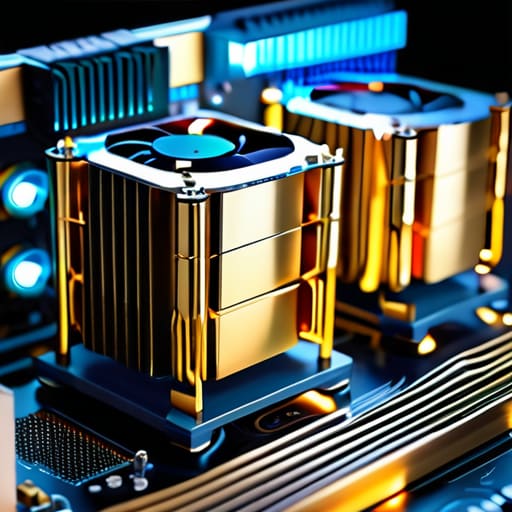
    If you’ve ever felt your laptop fans ramping up to a frantic whine during a heavy boss fight, you’ve experienced a system struggling under thermal stress. Think of heat as the ultimate debuff; it slows your processing speed and forces your hardware into a defensive posture known as thermal throttling. To combat this, preventing computer overheating isn’t just about adding more fans, but about ensuring the airflow remains unobstructed. I’ve found that even the smallest buildup of dust acts like a barrier, trapping heat where it doesn’t belong and forcing your components to work twice as hard for half the output.

    I treat thermal management much like I approach a difficult level in a strategy game: it requires consistent, proactive attention rather than reactive panic. A simple routine of cleaning computer fans and ensuring your vents aren’t smothered by fabric or debris can drastically extend your hardware’s lifespan. It’s one of those essential hardware longevity tips that many people overlook until they see a blue screen of death. By keeping your internal environment cool and clear, you aren’t just protecting your investment; you’re ensuring your system has the thermal headroom to perform at its absolute peak.

    Cleaning Computer Fans to Ensure Peak Hardware Longevity Tips

    Cleaning Computer Fans to Ensure Peak Hardware Longevity Tips

    If you’ve ever sat through a long session only to hear your rig start sounding like a jet engine taking off, you’re likely dealing with dust accumulation. I like to think of dust as the “environmental debuff” of the hardware world; it builds up quietly, slowly sapping your efficiency until your frame rates suffer. Cleaning computer fans isn’t just a chore; it’s a fundamental part of preventative computer care that keeps your components from choking on their own exhaust.

    When I’m working on a project or diving into a complex strategy game, the last thing I want is a thermal throttle mid-boss fight. To do this right, grab a can of compressed air and some microfiber cloths. Avoid using a vacuum directly on the components—that’s a recipe for static discharge, and we want to avoid permanent damage. Instead, use short bursts of air to dislodge the grime from the blades and the heat sink fins. It’s a simple ritual, but it’s one of the most effective hardware longevity tips I can offer. Keeping those fans spinning freely is essential for optimizing system performance over the long haul.

    Beyond the Dust: Five Systems to Optimize for Peak Performance

    • Audit your startup sequence. Just like a cluttered inventory slows you down in an RPG, too many background processes act as “bloatware” that eats your CPU cycles before you even launch a game. Strip it down to the essentials.
    • Manage your storage like a strategic resource. If your SSD is nearing capacity, you’re essentially forcing your OS to fight for breathing room, which can lead to stuttering and longer load times. Keep at least 15-20% of your drive free to maintain high-speed data access.
    • Update your drivers with intention. Don’t just click “update all” blindly; check for specific GPU driver releases that optimize for your current library. It’s the digital equivalent of fine-tuning your controller sensitivity—it changes the feel of the entire experience.
    • Run regular software integrity checks. Sometimes, a corrupted file is the hidden debuff causing your crashes. Use built-in tools like SFC or DISM to ensure your system files are intact and your “base stats” are actually what they say they are.
    • Mind your cable management. It sounds like a cosmetic fix, but disorganized cables are more than just an eyesore; they can obstruct airflow and create thermal pockets. A clean workspace leads to a stable, cool-running machine.

    Mastering Your Hardware: The Core Principles

    Treat thermal management as a core gameplay mechanic; keeping your components cool isn’t just about longevity, it’s about preventing the performance throttling that ruins your flow.

    Consistency is your best strategy—small, disciplined cleaning sessions are far more effective for your hardware than waiting for a total system failure to take action.

    View maintenance as an optimization process rather than a chore; a well-maintained system is the foundation that allows you to focus entirely on the skill and mastery of the game.

    ## The Mindset of Maintenance

    “Think of PC maintenance not as a chore, but as the ultimate optimization strategy; you wouldn’t attempt a high-level raid with a glitchy controller, so why expect peak performance from a system you haven’t cared for?”

    Delia Okonkwo

    Mastering the Long Game

    PC maintenance: Mastering the Long Game.

    At the end of the day, maintaining your PC isn’t just about preventing a hardware failure or avoiding a sudden blue screen during a boss fight. It’s about the cumulative effect of small, disciplined actions—managing your thermals and keeping those fans clear of dust buildup. When we treat our hardware with respect, we aren’t just being “tech-savvy”; we are optimizing our environment to ensure that the machine never becomes the bottleneck to our skill. By staying on top of these mechanical fundamentals, you ensure that your focus remains entirely on the gameplay, rather than on a stuttering frame rate or a thermal throttle.

    I’ve spent years restoring old handhelds and tinkering with vintage rigs, and if there is one thing I’ve learned, it’s that longevity is a choice. We often view gaming as a series of fleeting moments, but the tools we use to access those worlds are part of the journey. Don’t view maintenance as a chore that pulls you away from the screen; view it as investing in your future sessions. When you approach your setup with intention, you aren’t just playing a game—you are mastering the entire system. Now, grab your screwdriver, clear the dust, and get back to the level.

    Frequently Asked Questions

    How often should I actually be opening up my case, or am I just risking more dust buildup by messing with it too frequently?

    It’s a classic case of over-tuning. In gaming, if you tweak your settings every five minutes, you never actually find your flow; PC maintenance is similar. Opening your case once every three to six months is usually the sweet spot. If you do it weekly, you’re likely just introducing skin cells and ambient dust back into the system. Treat it like a seasonal maintenance cycle: stay consistent, but don’t let tinkering become a distraction from the play.

    Is it worth investing in high-end thermal paste, or is that just one of those "pay more for marginal gains" scenarios?

    Honestly, it’s a bit of both. If you’re running a standard office build, premium thermal paste is likely overkill—you’re paying for marginal gains that won’t change your experience. However, if you’re pushing your rig through heavy rendering or intense gaming sessions, that extra thermal conductivity matters. Think of it like optimizing a character’s stats; it’s a small tweak, but when you’re playing at the highest level, every degree of temperature reduction helps prevent throttling.

    Beyond the physical cleaning, what kind of software-side maintenance is necessary to keep my system running as smoothly as my hardware?

    Think of software maintenance as managing your system’s cognitive load. Just as a cluttered mind slows down decision-making, bloated background processes and fragmented registries drag down your frame rates. I recommend auditing your startup programs and clearing out old cache files regularly. It’s about removing the digital “noise” so your hardware can focus entirely on the task at hand. Treat your OS with the same intentionality you’d use to master a complex skill tree.

  • Creating Effective Character Builds

    Creating Effective Character Builds

    I remember sitting in front of a bulky CRT monitor in the late 90s, staring at a screen full of spreadsheets and community wiki pages, trying to make sense of why my hero kept dying in the third act. I wasn’t playing the game; I was playing a math equation, desperately chasing a “meta” that felt more like a chore than a hobby. Most people treat character builds like a scavenger hunt for the single most efficient combination of stats, turning what should be an act of creativity into a rigid, mindless pursuit of optimization. We’ve been conditioned to believe that if we aren’t following a professional streamer’s exact blueprint, we’re somehow doing it wrong.

    I’m here to tell you that’s nonsense. In this series, I’m stripping away the hype and the complicated jargon to help you understand the underlying logic of the systems you’re playing with. I won’t give you a list of “best” setups to copy and paste; instead, I’ll show you how to architect your own character builds with intention. My goal is to move you past the guesswork so you can stop fighting the mechanics and start actually commanding them.

    Table of Contents

    The Art of Precise Attribute Point Allocation

    The Art of Precise Attribute Point Allocation

    When you finally reach that level where the game stops holding your hand, you’re faced with the most consequential decision in your journey: how to distribute your hard-earned points. I’ve seen too many players treat attribute point allocation like a casual suggestion, dumping everything into raw strength or magic without a second thought. That’s a mistake. If you want to move beyond mere survival and start actually controlling the flow of battle, you have to treat these points like a finite resource in a complex equation.

    It isn’t just about making a number go up; it’s about understanding the underlying combat efficiency mechanics that govern your character’s performance. A single point diverted from health into dexterity might feel negligible in the early game, but as you approach the late-game loops, that choice dictates whether you are a glass cannon or a reliable tank. You need to look at how these stats interact with your intended playstyle. True mastery comes when you stop playing reactively and start architecting your stats to exploit the game’s systems rather than just struggling against them.

    Unlocking Power Through Skill Tree Synergies

    Unlocking Power Through Skill Tree Synergies.

    Once you’ve stabilized your base stats, the real magic happens when you stop looking at individual nodes and start looking at the connections between them. Most players fall into the trap of picking skills that look “cool” or powerful in isolation, but true mastery comes from identifying skill tree synergies that multiply your effectiveness. I often see players treat their progression like a shopping list, picking one fire spell here and a physical buff there, without realizing they’ve created a disjointed mess. If you want to move beyond mere survival, you have to understand how one talent feeds into the next, creating a loop of momentum that carries you through the toughest encounters.

    This is where the transition from casual play to serious theorycrafting begins. It isn’t just about maximizing damage; it’s about how your chosen path dictates your entire rhythm in combat. When your abilities work in concert, you aren’t just reacting to the enemy—you are dictating the terms of the engagement. Developing these interconnected webs of power is what separates a player who is merely grinding from one who has truly mastered the underlying systems.

    Beyond the Numbers: Five Strategies for Intentional Build Design

    • Stop chasing the meta and define your purpose. Before you touch a single attribute point, decide what you actually want your character to do—whether that’s a tank that dictates the flow of combat or a glass cannon that punishes mistakes. A build without a goal is just a collection of random stats.
    • Map out your synergy chains before you commit. It’s easy to get distracted by a shiny new skill, but if that skill doesn’t talk to your existing gear or passive traits, it’s dead weight. Look for the invisible threads that connect your abilities into a cohesive system.
    • Embrace the “opportunity cost” mindset. Every point you put into Strength is a point you’ve permanently denied to Agility or Intelligence. Treat your build like a finite resource; if you try to be everything to everyone, you’ll end up being nothing to anyone.
    • Account for the “Gear Gap.” A build that looks perfect on paper can fall apart if the game’s loot system doesn’t support your specific requirements. Always build with a realistic view of what equipment you can actually acquire, rather than dreaming of a theoretical endgame setup.
    • Leave room for tactical flexibility. The most robust builds aren’t the ones that solve every problem with one button, but the ones that provide a toolkit for different scenarios. Don’t build a specialist so narrow that a single change in enemy mechanics renders your entire character obsolete.

    The Blueprint for Intentional Play

    Stop treating attribute points like a currency to be spent randomly; view them as the foundational architecture of your character’s identity.

    True power doesn’t come from stacking single stats, but from identifying the subtle synergies between skills that turn a collection of abilities into a cohesive system.

    A successful build is a dialogue between your playstyle and the game’s mechanics—don’t just follow a meta, master the logic behind why it works.

    ## Beyond the Numbers

    “A character build isn’t just a checklist of stats to satisfy a meta; it’s the blueprint of how you intend to interact with the world the developers created. When you stop guessing and start architecting, you stop fighting the game and start mastering it.”

    Delia Okonkwo

    Beyond the Numbers: Building with Purpose

    Beyond the Numbers: Building with Purpose.

    At the end of the day, a great character build isn’t just about finding the highest damage output or the fastest way to clear a dungeon. It’s about the intersection of mathematical precision and personal preference. We’ve looked at how careful attribute allocation creates a stable foundation and how skill tree synergies turn a simple character into a specialized force of nature. When you stop viewing these systems as chores and start seeing them as tools for expression, you stop playing against the game and start commanding the mechanics exactly as the developers intended.

    As I sit here with my tea, watching a new build finally click into place after hours of tinkering, I’m reminded that the struggle is where the growth happens. Don’t be afraid to experiment, to fail, or to scrap a build that no longer serves your vision. The goal isn’t just to reach the end credits; it’s to master the system along the way. Gaming is a lifelong evolution, and every time you refine your approach, you aren’t just leveling up a digital avatar—you are sharpening your own ability to engage with the world’s most complex systems. Now, go out there and build something that is uniquely yours.

    Frequently Asked Questions

    How do I know when I've gone too far down one path and actually need to reset my build to stay viable?

    You’ll know you’ve overshot when the “fun” turns into a slog. If you find yourself struggling against basic mobs or feeling like you’re constantly playing defense just to survive, your build has likely lost its synergy. When the mechanics stop feeling like tools and start feeling like obstacles, you’ve specialized yourself into a corner. Don’t be afraid to pull the plug and reset; a tactical retreat is better than a dead-end run.

    Is it better to focus on one "super-stat" for raw power, or should I aim for a more balanced spread to cover my weaknesses?

    It’s the classic dilemma: the glass cannon versus the jack-of-all-trades. If you want raw, visceral impact, stacking a “super-stat” is incredibly satisfying—it lets you command the game’s math. But don’t ignore the friction of being one-dimensional. A balanced spread offers resilience, but it often lacks the bite needed to end encounters quickly. My advice? Pick a primary pillar for your identity, then build just enough utility to ensure you don’t crumble when the systems pivot.

    At what point in the game should I stop experimenting with different setups and commit to a definitive build?

    Stop experimenting the moment you feel the friction of “trial and error” outweighing the joy of discovery. If you’re spending more time in menus than actually engaging with the game’s systems, you’ve drifted from intention into aimless tinkering. Once you identify a core loop that resonates with your playstyle, commit. Mastery requires a stable foundation; you can’t truly learn the nuances of a mechanic if you’re constantly shifting the ground beneath your feet.

  • How Emerging Technology Reshapes the Gaming Landscape

    How Emerging Technology Reshapes the Gaming Landscape

    I still remember the smell of ozone and heated plastic in my uncle’s basement, the way the heavy CRT monitor hummed like it was alive while I gripped a controller with sweaty palms. Back then, the connection between gaming and technology felt tactile and immediate; you weren’t just consuming content, you were wrestling with a machine to achieve mastery. Today, that feeling often gets lost in a sea of neon marketing and “next-gen” promises that feel more like empty hype than actual progress. We’ve traded that raw, mechanical intimacy for hyper-processed graphics that sometimes feel like they’re doing all the heavy lifting for us.

    I’m not here to tell you which overpriced GPU will make you a pro or to chase the latest shiny gadget. Instead, I want to strip away the noise and look at how these tools actually shape our cognitive engagement with play. My promise to you is simple: we are going to move past the mindless consumption of hardware and start focusing on intentional mastery. I’ll provide you with honest, experience-based insights into how to leverage modern tools to actually sharpen your skills and find deeper joy in the systems we play.

    Table of Contents

    Decoding GPU Performance Trends for Intentional Play

    When we look at current gpu performance trends, it’s easy to get lost in the spec wars and the sheer numbers. But if we apply a bit of psychological scrutiny, we see that these hardware leaps aren’t just about prettier textures; they are about reducing the cognitive load required to process a digital environment. When a machine struggles to maintain a steady frame rate, your brain is forced to work overtime to compensate for the visual stutters, pulling you out of the “flow state” that makes gaming so rewarding.

    For those of us building high-performance gaming rigs, the goal shouldn’t just be hitting 4K resolution for the sake of vanity. We should be looking for consistency and responsiveness. A more powerful GPU allows for more stable frame times, which directly translates to more precise input handling. If you want to play with intention, you need hardware that disappears into the background, leaving nothing between your decision-making process and the on-screen action. We aren’t just chasing pixels; we are chasing the ability to react without hesitation.

    Next Gen Gaming Consoles and the Pursuit of Mastery

    Next Gen Gaming Consoles and the Pursuit of Mastery

    While the raw power of a new GPU can certainly turn heads, I find myself looking past the marketing hype of next-gen gaming consoles to see what they actually offer a player’s cognitive flow. It isn’t just about more polygons or faster loading screens; it’s about the reduction of friction. When a system eliminates the stutter or the micro-lag that breaks your concentration, it allows for a state of deep immersion that was nearly impossible on older hardware. For me, the hardware should feel invisible, acting as a seamless conduit between my intent and the game’s response.

    However, we have to be careful not to mistake sheer spectacle for actual depth. As we see more ai-driven game development shaping how worlds react to our presence, the challenge shifts from mastering a static map to navigating a living system. True mastery in this new era requires us to adapt to environments that are more reactive and unpredictable than ever before. We aren’t just memorizing patterns anymore; we are learning to read the logic of a machine that is constantly evolving alongside us.

    Optimizing Your Setup: Tech Strategies for the Intentional Gamer

    • Stop chasing every single frame and start prioritizing stability; a consistent, predictable frame rate is far more valuable for developing muscle memory than a high but erratic peak.
    • Audit your input lag regularly because even the most sophisticated game mechanics feel sluggish if your hardware is creating a bottleneck between your intent and the action.
    • Don’t let “feature creep” distract you from your core setup; sometimes the best upgrade isn’t a new peripheral, but optimizing your existing drivers and settings to eliminate digital friction.
    • Invest in high-quality audio rather than just flashy lighting; understanding the spatial cues in a soundscape is a technical skill that directly translates to better situational awareness.
    • Treat your hardware maintenance like a ritual—keep those cooling systems clean—because thermal throttling is the silent killer of the flow state we work so hard to achieve.

    The Path to Intentional Play

    Stop chasing raw specs for the sake of numbers; focus on how hardware stability and frame consistency actually translate to your ability to execute complex mechanics under pressure.

    View next-gen hardware not as a way to consume more content, but as a more precise toolset that allows for the deeper, more nuanced mastery of game systems.

    True skill isn’t found in the latest graphics settings, but in the mental discipline of understanding the machine well enough to let the technology disappear during play.

    Beyond the Specs

    We often get so caught up in chasing higher frame rates and more teraflops that we forget the hardware is just a vessel; the real magic happens when you stop staring at the benchmark numbers and start using that precision to master the systems in front of you.

    Delia Okonkwo

    The Path Forward

    Mastering technology: The Path Forward.

    We’ve looked at how the hardware under the hood—from the raw power of modern GPUs to the streamlined ecosystems of next-gen consoles—is fundamentally changing the way we interact with digital worlds. But as we’ve discussed, technology is merely the vessel. Whether you are chasing higher frame rates for competitive precision or seeking the immersive fidelity of a new console, the goal shouldn’t just be to own the latest gear. It should be to use that gear to bridge the gap between your current ability and the mastery of the system. Technology is the tool, but your intention is the driver.

    As I sit here with my tea, watching the glow of a screen I’ve spent years learning to understand, I’m reminded that the evolution of gaming is really an evolution of ourselves. We aren’t just consuming content; we are engaging with increasingly sophisticated cognitive puzzles. Don’t let the shiny new specs distract you from the actual experience. Instead, let them empower you to dive deeper, play smarter, and find that sweet spot where technology meets human skill. Keep pushing, keep learning, and remember that true mastery is a lifelong journey that never truly ends.

    Frequently Asked Questions

    How much does hardware latency actually impact my ability to develop muscle memory compared to just playing more often?

    Look, playing more often builds the foundation, but hardware latency is the ceiling on your potential. If you’re battling input lag, you aren’t practicing precision; you’re practicing compensation. You end up training your brain to react to a delay rather than the actual game state. That’s not building muscle memory—it’s building bad habits. To truly master a mechanic, your nervous system needs a 1:1 connection with the screen. Minimize the lag, or you’re just fighting your own gear.

    Is investing in high-end peripherals a genuine way to improve my skill, or am I just falling for better marketing?

    It’s a bit of both, honestly. A high-polling rate mouse or a mechanical keyboard won’t magically grant you better reflexes, but they do reduce the friction between your intention and the game’s response. If your gear is lagging or imprecise, you’re fighting the hardware instead of the boss. Don’t chase every RGB trend, but do invest in reliability. Buy tools that disappear into your workflow, rather than gadgets that demand your attention.

    As technology evolves, how can I ensure I'm still engaging with the core mechanics of a game rather than just being overwhelmed by visual spectacle?

    It’s easy to let ray-tracing and hyper-realistic textures hijack your dopamine receptors, but don’t let the spectacle blind you to the systems. When a game gets visually overwhelming, I consciously dial back the sensory noise—sometimes even lowering brightness or turning off HUD elements—to focus on rhythm and input timing. Ask yourself: “If this were a pixelated sprite, would I still know exactly why I just died?” If the answer is no, you’re watching a movie, not playing a game.

  • How to Expand Your Character Selection

    How to Expand Your Character Selection

    I remember sitting on a cramped carpet in 1988, the glow of a heavy CRT television warming my face as I stared at a screen of pixelated sprites. Back then, character selection wasn’t about reading a twenty-page wiki or analyzing frame data; it was a gut feeling, a choice made between the hero who looked fast and the one who looked strong. Today, that simplicity has been buried under a mountain of “meta” spreadsheets and paid coaching, turning what should be an intuitive moment of agency into a chore of optimization. We’ve been conditioned to believe that there is only one “correct” way to pick, as if the game’s mechanics are a math problem to be solved rather than a system to be felt.

    I’m not here to give you a list of the current top-tier picks that will be obsolete by next Tuesday’s patch. Instead, I want to help you reclaim the intentionality of your playstyle by understanding the psychology behind the choice. We are going to strip away the hype and look at how your selection dictates your entire mental approach to the game. My goal is to teach you how to choose a character that doesn’t just win matches, but actually aligns with how your brain processes the chaos of combat.

    Table of Contents

    Navigating the Drafting Phase Importance in matches.

    Think of the drafting phase not as a waiting room, but as the first actual battlefield of the match. It is where the mental heavy lifting begins. When I’m analyzing a high-level match, I see that the most successful players aren’t just looking at their own roster; they are actively calculating the synergy between characters to build a cohesive unit. If you treat this stage as a mere formality, you’ve already surrendered the tactical advantage. You aren’t just picking icons on a screen; you are constructing a mathematical framework that your team will have to inhabit for the next thirty minutes.

    This is also where the concept of the skill ceiling vs floor becomes tangible. A novice might pick a high-floor character just to stay afloat, but a player with intention looks toward the long-term potential of the composition. You have to weigh the immediate safety of a pick against its ability to scale. Understanding meta game strategies means recognizing that a single “safe” choice can inadvertently create a hole in your team’s defense that an opponent will exploit instantly. It’s about seeing the game three steps ahead of the actual combat.

    Decoding the Skill Ceiling vs Floor

    Decoding the Skill Ceiling vs Floor infographic.

    When you’re looking at a roster, it’s easy to get distracted by who looks the coolest in a cinematic trailer. But if you want to move past casual play, you have to understand the tension between the skill floor and the skill ceiling. The floor is simply how easy it is to be “okay” with a character; some heroes are designed to be forgiving, letting you participate in the action almost immediately. However, a low floor often comes with a low ceiling, meaning you might hit a plateau where you simply cannot improve further, no matter how much practice you put in.

    On the other hand, high-ceiling characters require a massive investment of time to master their nuances. These are the ones that define the meta game strategies at higher levels of play. While they might feel punishing during your first few matches, the payoff is a level of mechanical control that simpler characters just can’t offer. I’ve found that the most rewarding way to play is to find that sweet spot: a character that challenges your cognitive load without making the game feel like an impossible chore.

    Beyond the Aesthetic: Five Strategies for Intentional Selection

    • Stop falling for the “cool factor.” It’s easy to pick the character with the most intimidating silhouette or the flashiest ultimate ability, but if their kit doesn’t synergize with your natural playstyle, you’re just setting yourself up for frustration. Look past the skin and study the utility.
    • Map your character to the current ecosystem. A character might be a powerhouse in a vacuum, but if the current meta favors high mobility and you pick a slow-moving tank, you aren’t playing the game—you’re fighting the game. Always ask how your choice interacts with what everyone else is bringing to the table.
    • Respect the learning curve. There is a massive psychological difference between picking a character you can play well today and one you might play well in three months. If you’re in a competitive setting, don’t sacrifice immediate team stability for the sake of “potential.” Master the fundamentals with a reliable kit before chasing the high-skill ceiling.
    • Analyze the “counter-play” potential. Every character has a weakness, and part of mastering selection is knowing exactly how much pressure you can actually handle. If you pick a glass cannon, you need to be honest with yourself about whether your mechanical execution is high enough to survive the inevitable retaliation.
    • Play for the system, not the ego. Sometimes the best move isn’t picking the hero that gets the most kills, but the one that provides the structural support your team lacks. True mastery comes from understanding that your character is a tool designed to solve specific problems within the game’s complex mechanics.

    The Strategy Behind the Selection

    Stop choosing based on aesthetics; treat your character choice as the foundational layer of your tactical setup.

    Identify where your personal skill level meets the character’s mechanics to avoid the frustration of an impossible learning curve.

    View character selection as an active part of the game’s system rather than a mere menu screen before the real action starts.

    The Psychology of the Pick

    “Stop treating character selection like a cosmetic choice and start seeing it for what it actually is: your first strategic decision of the match. You aren’t just picking a skin; you are choosing the specific set of tools you’ll use to navigate the system’s constraints.”

    Delia Okonkwo

    Beyond the Character Select Screen

    Beyond the Character Select Screen strategy.

    At the end of the day, character selection isn’t just about picking a favorite skin or chasing the most popular meta; it is about understanding the underlying architecture of the game. We have looked at how the drafting phase sets the tone for your entire session and how the tension between skill floors and ceilings dictates your long-term growth. When you stop viewing your roster as a list of options and start seeing them as specialized tools within a complex system, your approach to every match changes. You move away from reactive, mindless clicking and toward a strategy where your choices are deliberate and informed.

    As you head back into your next session, I want you to remember that the goal isn’t just to win, but to master the mechanics that make those wins possible. Whether you are playing a high-floor character for immediate gratification or a high-ceiling hero that requires months of practice, play with intention. Gaming is a lifelong evolution, and every time you refine your selection process, you are leveling up your own cognitive approach to the game. Don’t just play the game—master the system and find the genuine joy that comes with true competence.

    Frequently Asked Questions

    How do I balance my personal playstyle with the current competitive meta without feeling like I'm just playing a clone?

    Think of the meta as a set of rules, not a script. You don’t have to mimic a pro player’s exact build to be effective. Instead, identify the core mechanical strengths the current meta rewards—like high mobility or area denial—and find the character that offers those same advantages but fits your natural rhythm. Use the meta to inform your strategy, but use your own intuition to execute it. That’s how you stay competitive without losing your soul to the copy-paste culture.

    When a character has a high skill floor, is the long-term reward actually worth the initial frustration of the learning curve?

    It’s a fair question, and one I’ve wrestled with while studying player motivation. If a character’s ceiling is significantly higher than their floor, the answer is usually yes—but only if you enjoy the process of deconstructing the mechanics. The frustration isn’t just a hurdle; it’s the cognitive cost of mastery. If the character offers unique tactical agency that others can’t touch, that long-term payoff makes every botched combo worth the effort.

    How much weight should I give to character synergy versus individual mechanical strength when building a consistent strategy?

    Think of it like a well-tuned machine. Individual mechanical strength is your engine, but synergy is the transmission that actually delivers that power to the wheels. If you pick a high-skill character who doesn’t mesh with your team, you’re just a powerful engine spinning in the mud. I tend to prioritize synergy for consistency; it builds a safety net. Master the system by choosing characters that amplify each other’s strengths rather than just playing solo.