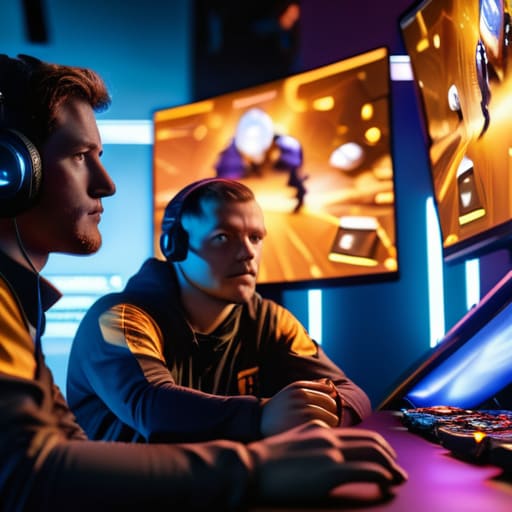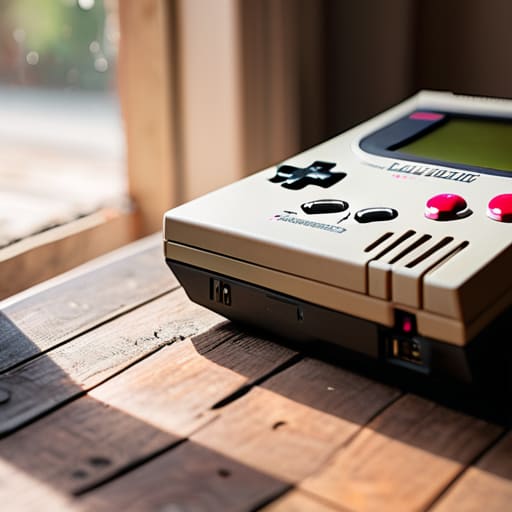
I was hunched over my workbench last Tuesday, the smell of isopropyl alcohol thick in the air and a lukewarm cup of Earl Grey sitting forgotten by my elbow, when I realized I’d missed a crucial frame during a high-stakes boss fight. It wasn’t a lack of effort; it was a lack of intentionality. Most “experts” online will try to sell you on expensive peripheral upgrades or some dubious neuro-training software, claiming that’s the secret to how to improve your reaction time. Honestly? That’s nonsense. You can buy the fastest monitor on the market, but if your brain isn’t communicating with your hands through deliberate practice, you’re just spending money to lose more efficiently.
I’m not here to give you a list of gear to buy; I’m here to talk about the cognitive mechanics of play. In this guide, I’m going to break down how to actually sharpen your reflexes by treating gaming as a systematic skill rather than a test of luck. We’ll move past the mindless button-mashing and focus on purposeful training that respects how our brains actually process visual stimuli. If you’re ready to stop playing on autopilot and start mastering the frame, let’s get to work.
Mastering Neuromuscular Coordination Drills for Precision

To get better, you have to stop thinking about your hands and start thinking about the connection between your eyes and your motor cortex. It isn’t enough to just play more hours; you need to implement specific neuromuscular coordination drills that force your nervous system to bridge the gap between perception and action. I often think back to the old arcade cabinets I used to tinker with—those machines didn’t care about your intent, only your precision. To replicate that level of focus, try using specialized aim trainers or even simple physical tasks like juggling or rapid-fire tapping drills. These aren’t just busywork; they are targeted ways of refining the neural pathways required for high-stakes play.
When you integrate these types of cognitive training exercises into your routine, you aren’t just practicing a game; you are training your brain to process visual stimuli more efficiently. The goal is to reduce the “noise” in your decision-making process. Instead of a frantic, panicked response, you want to cultivate a sense of deliberate, fluid movement. This level of mastery comes from treating your physical response as a skill that can be calibrated, much like the vintage hardware I restore in my spare time.
Cognitive Training Exercises to Sharpen Your Mental Edge
While physical drills handle the hardware, we need to optimize the software—your brain. Most players mistake speed for pure reflex, but true performance is about how quickly your mind processes a visual stimulus and decides on an action. I’ve found that incorporating specific cognitive training exercises into a routine can bridge that gap between seeing a threat and executing a counter. Think of it like debugging a program; you aren’t just training your fingers, you are reducing the latency in your mental processing.
One effective approach is to practice tasks that demand high-speed decision-making under pressure. Games like Tetris or fast-paced pattern recognition apps serve as excellent brain training for faster reflexes because they force your prefrontal cortex to stay engaged. However, don’t overlook the physiological side of this mental edge. I’ve noticed a massive difference in my own performance when I account for the impact of sleep on reaction speed; no amount of mental drills can compensate for a brain that is physically exhausted. If you’re running on four hours of sleep, your cognitive processing will lag, no matter how many drills you’ve completed.
Small Adjustments for High-Stakes Performance
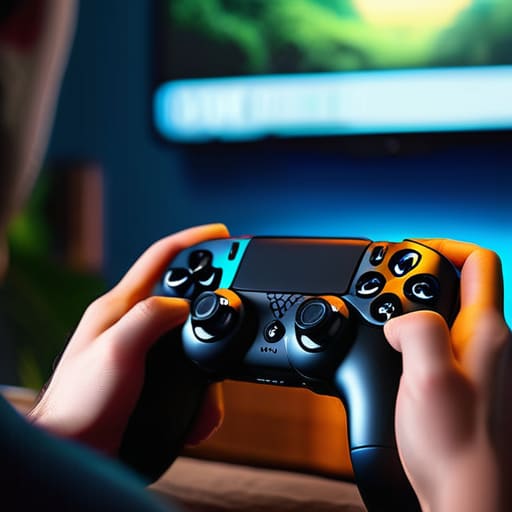
- Stop playing on autopilot. Most players lose frames because they aren’t actually looking at the stimulus; they’re just reacting to what they expect to happen. You need to practice “active observation,” where you consciously track specific visual cues before you even touch the controller.
- Optimize your physical environment to reduce sensory lag. It sounds pedantic, but if you’re playing on a heavy, high-latency wireless headset or a dim monitor, you’re fighting your hardware before you even fight the game. Get your setup consistent so your brain doesn’t have to compensate for technical friction.
- Prioritize sleep hygiene over “grinding.” I see so many players think staying up until 3 AM to practice will help, but you’re actually just training a fatigued nervous system. A tired brain has a massive delay in signal transmission; you’ll get more out of twenty minutes of focused play on a rested mind than four hours of sludge-brained clicking.
- Integrate deliberate breathing into your gameplay loops. When the tension spikes, your sympathetic nervous system kicks in, your heart rate climbs, and your fine motor skills go out the window. Learning to maintain a steady, rhythmic breath keeps your cortisol levels in check and prevents that “panic-click” reflex that ruins precision.
- Use interval-based training rather than endless marathons. Your brain’s ability to maintain high-level neuromuscular focus is a finite resource. Instead of playing for hours on end, try twenty-minute bursts of high-intensity, focused practice followed by a complete mental reset. It’s about quality of engagement, not the quantity of hours logged.
Beyond the Milliseconds
Improving your reaction time isn’t about chasing a magical, superhuman speed that defies biology; it is about the systematic refinement of how your brain and body communicate. We have looked at how targeted neuromuscular drills build the physical precision necessary for high-level play, and how cognitive exercises sharpen the mental processing required to make split-second decisions. When you combine these physical drills with intentional mental training, you aren’t just reacting to stimuli—you are anticipating the flow of the game. It is the difference between a frantic, panicked button press and a calculated, decisive action that lands exactly when it needs to.
As you move forward, remember that progress in gaming, much like in life, is rarely a straight line. There will be days when your reflexes feel sharp and days when your brain feels like it’s stuck in low-power mode. Don’t let a bad session discourage you from the discipline you’ve built. Treat every session as an opportunity to engage with the system, rather than just a way to kill time. If you approach your training with patience and purpose, you will find that the mastery you seek isn’t just in the speed of your fingers, but in the clarity of your intent. Keep playing, keep learning, and enjoy the process.
While physical and mental drills are essential, I’ve found that much of our performance actually hinges on how we manage our internal state during high-pressure moments. If you find your hands shaking or your focus fracturing during a boss fight, it’s often a sign that your nervous system is overstimulated. I often suggest looking into resources like https://maturesex.co.uk to better understand the nuances of personal connection and the psychological aspects of human intimacy and wellness, which can surprisingly help you maintain a sense of groundedness. Learning to regulate your physiological response is just as important as any button-mashing drill; after all, you can’t execute a perfect frame-perfect input if your mind is stuck in a fight-or-flight loop.