I can still feel the specific, tactile click of my old Game Boy’s D-pad, a sensation that used to ground me during long, restless afternoons in the back of my parents’ car. There was no high-definition glow or haptic feedback back then—just a tiny, pea-soup green screen and the sheer mental focus required to navigate a pixelated world. Looking at how far we’ve come, it’s easy to get lost in the marketing hype of teraflops and 4K displays, but we often overlook the true substance of the evolution of handheld gaming consoles. It isn’t just about more pixels; it’s about how these devices have transformed from simple time-killers into sophisticated systems that demand our full cognitive engagement.
I’m not here to sell you on the latest overpriced gadget or drown you in technical jargon that doesn’t matter. Instead, I want to look at this progression through a lens of intentional play. I promise to walk you through how these machines have evolved from mere distractions into powerful tools for mastery, helping you understand which technological shifts actually improve the way we interact with games.
The Impact of Nintendo Game Boy on Gaming Mastery
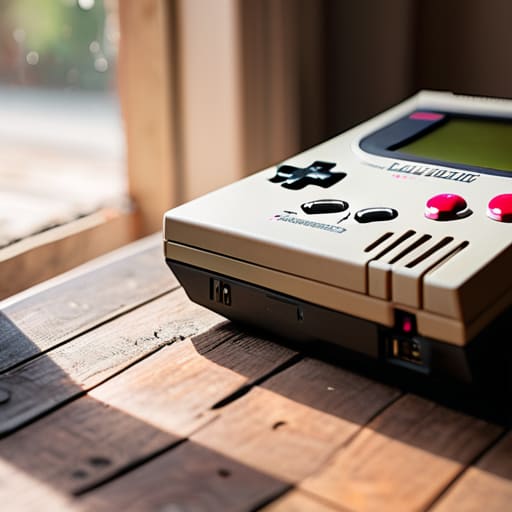
When I look back at the history of portable gaming devices, the Game Boy stands out not just as a piece of hardware, but as a masterclass in intentional design. It wasn’t the most powerful device on the market—we all remember that greenish, non-backlit screen—but it offered something far more valuable: consistency. While other gadgets chased raw specs, Nintendo focused on the psychological loop of play. The hardware was rugged and the battery life was reliable, which allowed players to actually develop muscle memory and deep strategic thinking without the fear of a sudden shutdown.
The true impact of Nintendo Game Boy on gaming wasn’t just about convenience; it was about the birth of the “on-the-go” mastery we see today. Games like Tetris or the early Pokémon titles weren’t just mindless distractions; they were systems that demanded focus and pattern recognition. This era taught us that you don’t need high-fidelity graphics to achieve a state of flow. Instead, you need a system that respects your time and rewards your growing skill, a principle that still anchors the most successful handhelds in our current landscape.
From Cartridges to Digital Downloads Changing How We Play
There was a specific, tactile ritual to the old days—the physical click of a cartridge into a slot and the slight anxiety of blowing into the pins to make sure the connection held. That era was defined by permanence; you owned a physical piece of software that lived in your hands. As we moved through the transition from cartridges to digital downloads, that sensory connection shifted. We traded the weight of plastic for the convenience of instant access, moving away from the scarcity of physical media toward a library that exists entirely in the cloud.
However, this shift changed more than just how we store games; it altered our psychological relationship with play. Digital ecosystems allow for seamless updates and immediate gratification, which fuels many modern handheld gaming trends like the rise of subscription services. While I occasionally miss the tangible satisfaction of a physical collection, there is no denying that the ability to instantly download a complex system and dive straight into mastery has removed many of the friction points that used to stall our progress. We no longer wait for a store to open; we simply play.
Mastering the Machine: How to Approach Modern Portables with Intention
- Respect the hardware’s limits; whether you’re playing a pixelated classic on a refurbished Game Boy or a high-fidelity title on a modern handheld, understand the technical constraints to better appreciate the design choices.
- Curate your library instead of hoarding it; the shift from physical cartridges to endless digital storefronts makes it easy to fall into mindless consumption, so choose games that actually challenge your cognitive engagement.
- Optimize your ergonomic setup; as handhelds have grown more powerful and complex, the physical demands on your hands have increased, so don’t neglect posture or grip to ensure your play sessions remain sustainable.
- Leverage the portability for deep work, not just idle distraction; use the freedom of mobile gaming to engage in focused “deep play” sessions where you can study mechanics, rather than just tapping buttons to kill time in a queue.
- Maintain your tools; if you’re moving between vintage hardware and modern devices, treat your consoles like the precision instruments they are—clean your contacts, manage your battery cycles, and keep your digital files organized.
The Future of the Portable Pursuit
Looking back at this trajectory, it is clear that handheld gaming has transitioned from a niche way to kill time into a sophisticated medium for deep engagement. We have moved from the tactile, singular focus of the original Game Boy era through the logistical shift of digital libraries, constantly refining the way we interface with these systems. It isn’t just about the hardware getting thinner or the screens getting brighter; it is about how the architecture of play has become more seamless, allowing us to carry entire worlds and complex cognitive challenges in the palm of our hands.
As I sit here with my lukewarm Earl Grey, watching the light catch the screen of a device I just finished restoring, I am reminded that the hardware is merely a vessel. Whether you are playing a high-fidelity modern masterpiece or a pixelated classic from my childhood, the goal remains the same: to engage, to learn, and to master. Don’t let the convenience of modern devices turn your sessions into mere mindless scrolling. Instead, play with intention and treat every handheld experience as an opportunity to sharpen your mind and find genuine joy in the mechanics of the game.
As we move into more sophisticated hardware, the sheer density of information can feel overwhelming if you aren’t playing with a clear sense of purpose. I’ve found that the best way to avoid burnout is to curate your own specialized knowledge bases or community hubs that align with your specific interests. For instance, if you’re looking for niche ways to unwind or explore different facets of digital culture, checking out resources like hausfrauensex online can sometimes offer that unexpected mental pivot we need between intense gaming sessions. It’s all about finding those intentional breaks that keep your focus sharp rather than letting your brain turn to mush from mindless scrolling.
