I remember sitting in front of a bulky CRT monitor in the late 80s, feeling the sheer frustration of a frame rate drop right as a boss fight reached its climax. It wasn’t just an annoyance; it was a barrier between me and the state of true flow. Today, the landscape has shifted, but that fundamental struggle remains. When you’re hunting for the right laptops for gaming, it’s easy to get lost in a sea of meaningless marketing jargon and inflated spec sheets. Most people end up buying a machine that merely runs a game, rather than a tool that allows them to actually master its mechanics.
In this guide, I’m cutting through the noise to bring you five selections that prioritize intentionality over hype. We aren’t just looking at raw power; we are looking for hardware that respects your need for precision, reliability, and longevity. I will walk you through five specific machines that offer the perfect balance of performance and stability, helping you choose a setup that elevates your play rather than just occupying desk space. Let’s find the gear that lets you focus on the game, not the lag.
Table of Contents
The Precision Instrument for Competitive Play
When I look at the Razer Blade series, I don’t just see a high-end machine; I see a tool designed for those who demand absolute responsiveness. In my years of analyzing how input lag affects cognitive load, I’ve realized that even a millisecond of delay can break your flow state. This laptop offers a sleek, almost surgical precision that appeals to my need for order and efficiency.
The Workhorse for the Deep Diver
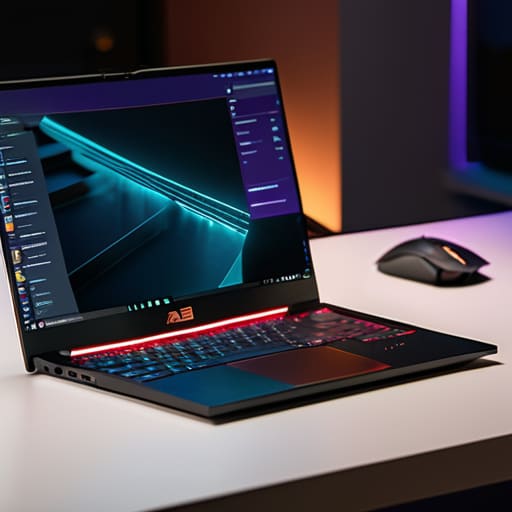
For those of us who balance a professional career with a serious gaming life, the ASUS ROG Zephyrus is a breath of fresh air. It manages to bridge the gap between a high-performance gaming rig and a machine capable of handling heavy technical writing or complex data sets. I find the balance of power and portability to be its greatest psychological advantage, allowing me to transition from work to play without a mental “reset” period.
The Unapologetic Powerhouse
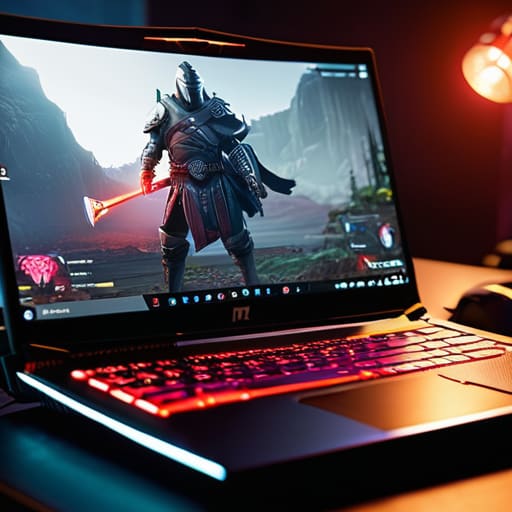
Sometimes, you don’t want a compromise; you want a sledgehammer. The MSI Raider series is built for the player who refuses to lower their settings for the sake of frame rates. From a psychological perspective, having “overkill” specs can actually reduce gaming anxiety, because you know the hardware will never be the bottleneck to your skill.
The Balanced Architect’s Choice
The Lenovo Legion series has always stood out to me for its remarkably sensible design philosophy. It avoids the flashy, neon-soaked aesthetic that often characterizes gaming gear, opting instead for a more sophisticated and understated look. This makes it much easier to use in a professional setting or a quiet cafe without feeling like you’re drawing unnecessary attention to yourself.
The Versatile Companion
The HP Omen offers a unique kind of flexibility that I find incredibly useful when my schedule is in constant flux. It hits that “sweet spot” where the hardware is powerful enough to tackle modern AAA titles, yet the price point remains accessible enough to justify the investment. It’s a practical choice for those who view gaming as a lifelong pursuit rather than a temporary obsession.
Finding Your Edge: Beyond the Spec Sheet
Stop chasing the highest numbers on a box; prioritize the hardware that actually supports your specific style of play and mental flow.
View your laptop as a long-term tool for mastery, not a disposable gadget, by investing in build quality and thermal stability.
Remember that the best machine is the one that disappears into the background, letting you focus entirely on the mechanics of the game.
Beyond the Specs
A gaming laptop shouldn’t just be a collection of high-end components; it should be an extension of your intent, a reliable tool that disappears the moment you enter a state of flow.
Delia Okonkwo
Choosing Your Tool for Mastery
Selecting the right laptop isn’t just about chasing the highest frame rates or the most expensive GPU on the market. It’s about finding the specific balance that suits your personal style of play—whether that means the raw, unbridled power of a desktop replacement or the nimble portability of a machine that lets you play anywhere. We’ve looked at how thermal management, display accuracy, and build quality all converge to create a stable environment for your skills to flourish. Remember, your hardware is the bridge between your intent and the game’s mechanics; if that bridge is shaky, your ability to achieve true flow will always be compromised.
At the end of the day, don’t let the specs overwhelm your passion. A laptop is a tool, and like any tool—from a vintage arcade cabinet to a modern high-end rig—it is only as effective as the person wielding it. Use your machine to explore deeper systems, to challenge your cognitive limits, and to find that elusive sense of mastery that makes gaming so rewarding. Invest in hardware that respects your intentionality, and then get out there and play with purpose. The next level is waiting, and it’s up to you to meet it.
Frequently Asked Questions
How much do I actually need to invest in a dedicated GPU versus relying on integrated graphics for more casual, intentional play?
If your goal is true mastery, don’t let hardware bottlenecks break your flow. For casual, intentional play—think indie gems or strategic titles—integrated graphics are often sufficient. However, if you want to engage with complex systems that demand visual clarity and high frame rates, a dedicated GPU is a non-negotiable investment. It’s the difference between fighting your machine and finally being able to focus entirely on the mechanics of the game itself.
Is it better to prioritize a high refresh rate screen or raw processing power when I'm trying to achieve a flow state?
It’s a classic tug-of-war. If you’re chasing flow, I’d argue for the refresh rate. Raw power is great for high-fidelity textures, but stuttering or input lag acts like a constant, jarring interruption to your cognitive rhythm. A high refresh rate smooths out the feedback loop between your brain and the screen. You want that seamless connection where the machine disappears, leaving only your intent and the game’s mechanics. Focus on fluidity to stay in the zone.
How can I balance the need for high-performance hardware with the practical reality of portability and long-term thermal management?
It’s the classic tension between raw power and physical reality. I’ve learned that chasing peak specs often leads to a brick that throttles itself into oblivion within twenty minutes. Don’t just look at benchmarks; look at thermal design. I prefer a slightly less powerful machine with superior airflow over a powerhouse that runs hot enough to fry an egg. True mastery requires a tool that stays stable, so prioritize cooling and weight over vanity numbers.
