
I remember sitting on my bedroom floor in 1988, the low hum of my CRT television providing the only soundtrack to a frantic boss battle. My thumbs were sweaty, my heart was racing, and I was completely lost in the loop. But looking back through the lens of psychology, I realize it wasn’t just the difficulty that kept me glued to the screen; it was the rhythm of the experience. Most modern critiques of gameplay pacing focus on whether a game is “too fast” or “too slow,” but they miss the nuance of how tension and release actually function within our brains. It isn’t about the speed of the action, but the intentionality behind the shifts in intensity.
I’m not here to give you a textbook lecture on game design theory or sell you on some overpriced masterclass. Instead, I want to share what I’ve learned from decades of dissecting these systems—from the twitch-heavy arcade classics to the sprawling narratives of today. I promise to show you how to recognize when a game is working with you and when it’s simply wasting your time. We are going to look at how to master the flow of your sessions so you can move past mindless consumption and start playing with real purpose.
Table of Contents
Navigating the Dance of Combat vs Exploration Balance
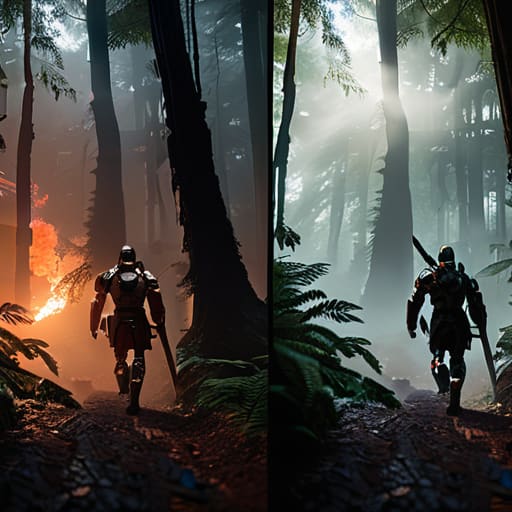
When a game nails the combat vs exploration balance, it feels less like a series of chores and more like a conversation. You move from the high-octane adrenaline of a boss fight into a quiet, atmospheric corridor, and that shift is intentional. If a game stays in “fight mode” for too long, you hit a wall of mental exhaustion; conversely, if the exploration drags on without purpose, your focus starts to drift. It’s all about managing those intensity spikes and plateaus so that the quiet moments actually feel earned rather than just empty space.
I’ve noticed that the best titles use these transitions to reinforce their player engagement loops. The exploration isn’t just filler; it’s the recovery period that allows your brain to reset before the next challenge. When the rhythm is right, the tension builds naturally, pulling you forward without making you feel like you’re being chased by a relentless, exhausting treadmill. Mastering this isn’t just about button mashing—it’s about learning when to lean in and when to breathe.
Harnessing Intensity Spikes and Plateaus for Total Control

If you treat every minute of a game like a high-octane boss fight, you’re going to burn out before you even reach the final act. I’ve seen it happen countless times—players hitting a wall not because the mechanics are too hard, but because they’ve lost their mental stamina. To play effectively, you have to recognize when a developer is intentionally throwing intensity spikes and plateaus at you. These aren’t just random shifts in speed; they are calculated moments designed to test your reflexes and then allow your brain to reset.
When the action hits a fever pitch, your focus needs to narrow. But when the game pulls back into a quiet, atmospheric stroll, don’t just zone out. Use those quieter stretches for active recovery. This is where you analyze your previous mistakes, manage your inventory, or simply soak in the world-building. Mastering this rhythm is essentially a form of fatigue management; by leaning into the lulls rather than fighting them, you ensure that when the next spike arrives, you actually have the cognitive resources to meet it head-on.
Five Ways to Stop Reacting and Start Commanding the Pace
- Learn to recognize the “breathing room.” Every high-intensity combat sequence is followed by a lull for a reason; don’t rush through the quiet moments, use them to inventory your resources and mentally reset for the next spike.
- Watch your own fatigue levels. If you find yourself making sloppy mistakes during a boss fight, you aren’t just losing skill—you’re likely hitting a pacing wall where your brain can no longer process the rapid stimulus. Take a break, sip some tea, and come back when your focus is sharp.
- Master the art of the “controlled burn.” In games with resource management, don’t dump all your high-tier abilities during the first wave of enemies. Save that momentum for the crescendo of the encounter to ensure you aren’t left scrambling when the intensity peaks.
- Don’t fight the rhythm, join it. Instead of trying to overpower every encounter, observe the enemy’s movement patterns. Once you understand the tempo of the fight, you can move from frantic button-mashing to a deliberate, surgical style of play.
- Use exploration as a tactical tool, not a distraction. If a game’s pacing feels too frantic, lean into the side content or world-building. Use those slower segments to build your character’s strength so that when the game demands high-speed execution, you actually have the tools to meet it.
Finding Your Rhythm: Three Lessons in Pacing
Stop fighting the lull; use the quiet moments of exploration to study enemy patterns and manage your resources so you aren’t caught off guard when the chaos returns.
Learn to recognize the “tells” of an upcoming intensity spike so you can shift from a reactive mindset to a proactive one, commanding the flow rather than just surviving it.
Master the ebb and flow of the game’s tempo to ensure you’re playing with intention, turning every shift in pace into an opportunity to refine your skill.
The Rhythm of Mastery
“Don’t mistake a slow moment for a lack of progress; the most skilled players know that the quiet stretches are just as vital as the chaos, providing the necessary breathing room to process what you’ve learned before the next storm hits.”
Delia Okonkwo
Finding Your Own Rhythm

At the end of the day, mastering gameplay pacing isn’t about memorizing every frame of an animation or playing like a machine. It’s about understanding the ebb and flow of the system you’re interacting with. Whether you are balancing the quiet tension of exploration against the sudden chaos of combat, or learning to ride the wave between high-intensity spikes and much-needed plateaus, you are essentially learning to read a language. When you stop merely reacting to what’s on the screen and start anticipating the rhythm, the game stops being something that happens to you and starts being something you command.
As I sit here with my tea, watching the light fade on my workbench, I’m reminded that gaming is a lifelong conversation between the designer and the player. We aren’t just consumers of content; we are students of mechanics. Don’t get discouraged when a level feels overwhelming or a plateau feels stagnant. Instead, take a breath, observe the patterns, and play with intention. The true joy of gaming doesn’t come from mindless progression, but from that profound moment of clarity when the chaos settles and you realize you are finally in sync with the machine.
Frequently Asked Questions
How can I tell if a game's slow periods are intentional design choices or just poor pacing that's wasting my time?
Look for the “why” behind the lull. If a slow period offers a moment to breathe, process what you just learned, or manage your resources, it’s intentional—it’s a setup for the next peak. But if you’re just walking through empty corridors or repeating mindless fetch quests that don’t build tension or narrative, that’s poor pacing. If the downtime isn’t serving the rhythm of the game, it’s just wasted time.
Are there specific mental techniques I can use to stay focused during those long, quiet stretches of exploration without losing my edge for the next combat encounter?
It’s easy to let your brain drift when the adrenaline drops, but that’s exactly when you lose your edge. I call it “active observation.” Instead of zoning out, treat the quiet stretches as data collection. Study the environment, map your route, or analyze your resource management. By keeping your mind engaged with the game’s systems during the lulls, you maintain a state of “relaxed alertness” rather than sliding into a mental fog.
How do I adjust my own playstyle when a game shifts from a high-intensity rhythm to a much slower, more methodical pace?
When the adrenaline starts to dip, don’t fight the shift; lean into it. I’ve found that when a game slows down, my instinct is to keep pressing buttons, trying to force that old high-octane rhythm. That’s a mistake. Instead, treat the lull as a tactical reset. Use this methodical phase to scan the environment, manage your resources, and study enemy patterns. You aren’t losing momentum; you’re gathering the intel needed to dominate the next spike.
