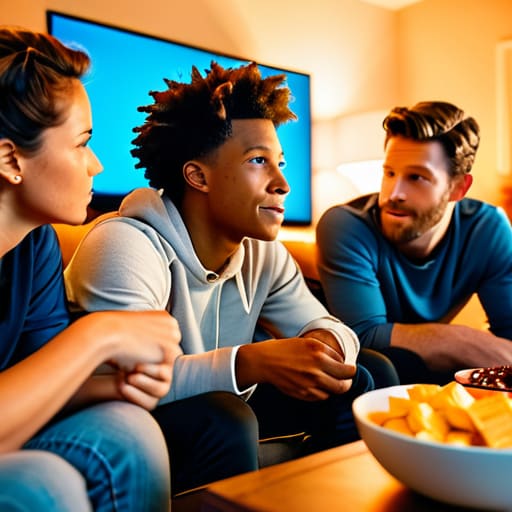
I remember sitting on a worn-out carpet in my parents’ living room in ’92, the smell of ozone from a warm CRT television filling the air as my brother and I fought over a single controller. We weren’t just “socializing”—we were learning the high-stakes language of non-verbal cues and split-second timing. Most people today treat the benefits of playing cooperative video games together as some vague, fuzzy concept like “making friends,” but that misses the entire point. It isn’t about just killing time with buddies; it’s about the cognitive synchronization that happens when you and a teammate move as a single, intentional unit to overcome a system designed to break you.
I’m not here to give you a sanitized list of “social skills” pulled from a corporate HR manual. Instead, I want to dissect how these shared digital struggles actually rewire our ability to communicate and problem-solve under pressure. I’ll be sharing my perspective on how to move past mindless button-mashing and toward a more purposeful way of playing with others. We are going to look at how to turn every raid and every co-op mission into a masterclass in collaborative intelligence.
Refining Collaborative Problem Solving in Video Games
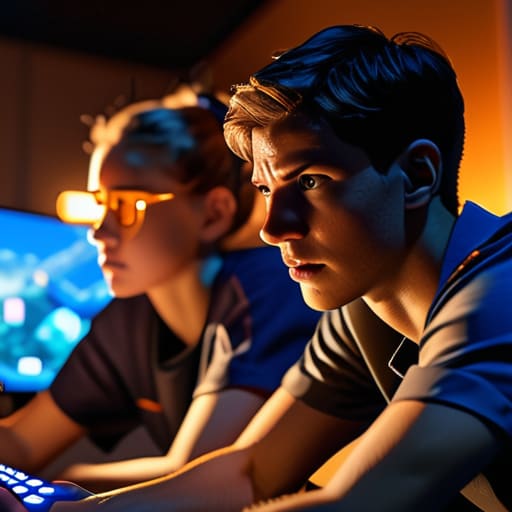
When you’re staring down a boss fight that feels mathematically impossible, the solution rarely comes from a single person mashing buttons faster. Instead, it comes from the friction of different minds working against a singular obstacle. This is where collaborative problem solving in video games moves from a simple mechanic to a cognitive exercise. You aren’t just reacting; you are synthesizing information, delegating roles, and adjusting your strategy in real-time based on a teammate’s sudden movement or a missed cue.
It’s a mental dance that requires more than just proximity; it requires active listening. In a high-stakes raid or a complex puzzle level, the ability to distill complex chaos into actionable instructions is vital. This process does more than just help you clear a stage; it hones your ability to navigate high-pressure environments. By focusing on teamwork and communication in multiplayer games, you’re essentially training your brain to bridge the gap between individual intent and collective execution. It’s about moving past the “me” mentality and learning how to leverage the specific strengths of the people sitting—or logging—beside you.
Sharpening Teamwork and Communication in Multiplayer Games
When you’re in the middle of a high-stakes firefight or a frantic dungeon crawl, there’s no room for vague instructions or ego. You quickly learn that effective teamwork and communication in multiplayer games isn’t about shouting orders; it’s about the economy of information. I’ve noticed that the players who truly excel are those who can distill complex battlefield chaos into precise, actionable cues. It’s a high-speed exercise in clarity that forces you to strip away the noise and focus on what actually matters for the collective win.
This isn’t just about winning the match, though. There is a profound level of social skills development in gaming that happens when you have to navigate different playstyles and temperaments under pressure. You learn to read the unspoken rhythm of your teammates, anticipating their movements before they even make them. When we move past the mindless button-mashing and start treating our squad like a finely tuned machine, we aren’t just playing a game—we are practicing the art of synchronized human intent.
Moving from Chaos to Coordination: 5 Ways to Play with Intent
- Stop the “shout-and-hope” method. Instead of yelling random directions during a chaotic firefight, establish a shared vocabulary. Using concise, standardized callouts for locations or enemy types reduces cognitive load and lets your brain focus on the actual mechanics of the game.
- Embrace the role of the specialist. Cooperative gaming is most rewarding when you stop trying to be the hero in every scenario and instead master a specific niche. Whether you’re the healer, the tank, or the scout, leaning into a singular function builds a sense of mutual reliance that mindless solo play can’t replicate.
- Practice “post-game” debriefs, even if it feels nerdy. After a failed run or a lost raid, don’t just hit ‘rematch’ immediately. Take thirty seconds to analyze why the system broke down. Was it a mechanical failure or a communication lapse? Treating a loss as data rather than a frustration is how you actually level up.
- Prioritize synchronization over speed. It’s tempting to rush toward the objective, but true mastery comes from timing your abilities with your teammates. Learning to wait that extra second so your combined cooldowns hit at once turns a frantic scramble into a choreographed display of skill.
- Manage your emotional bandwidth. High-stakes cooperative play can trigger real stress responses. If you find your heart rate spiking and your decision-making becoming erratic, you aren’t “playing better”—you’re just reacting. Learning to maintain a calm, observant mindset under pressure is the ultimate competitive advantage.
Moving Beyond the Screen
When we strip away the flashy graphics and the dopamine loops, what we’re really left with is a masterclass in human connection. We’ve looked at how these digital spaces force us to sharpen our communication, refine our collective problem-solving, and build a level of trust that is often harder to find in the “real” world. Cooperative gaming isn’t just a way to kill an hour on a Tuesday; it is a structured environment where we practice intentional cooperation and learn to navigate complex social systems. By treating these multiplayer encounters as opportunities for growth rather than mere distractions, we transform a simple pastime into a meaningful exercise in cognitive and social agility.
As I sit here with my tea, watching the light fade across my desk, I’m reminded that the games we play change as we do, but the need for connection remains constant. Whether you are navigating a high-stakes raid or a simple puzzle-platformer, remember that the real victory isn’t found in the loot or the final boss’s defeat. The true reward is the shared language of skill you develop with your teammates. Stop playing just to see the credits roll; start playing to master the art of being part of something larger than yourself. The level is just the beginning.
While the cognitive benefits of these shared experiences are clear, I’ve found that the most profound growth happens when we step outside our usual digital loops to seek out genuine human connection in the physical world. It’s easy to get lost in the mechanics of a raid, but sometimes the best way to reset your social battery and apply that same collaborative energy is to explore your local surroundings, much like how I might look for sex near me when I need to reconnect with the tangible reality outside my screen. Finding that balance between digital mastery and real-world presence is what keeps the passion for gaming sustainable over a lifetime.
