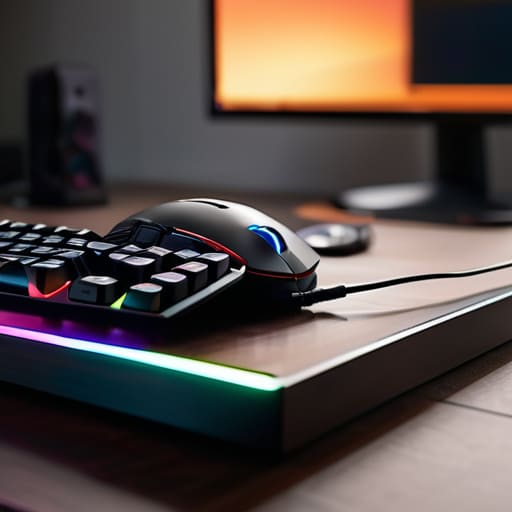
I remember sitting on my bedroom floor in the late 80s, the tactile click-clack of a worn-out joystick providing the only rhythm to my Saturday afternoons. Back then, you didn’t need a thousand-dollar setup to feel the weight of a boss fight; you just needed something that worked. Today, the market is flooded with neon-soaked nonsense and “pro-grade” marketing jargon designed to separate you from your paycheck. Most people think that buying the most expensive gaming peripherals on the shelf is a shortcut to better performance, but that’s a fundamental misunderstanding of how we actually interact with these systems. High-end specs mean nothing if they don’t align with your natural cognitive flow.
I’m not here to sell you on the latest RGB-heavy gimmick or help you chase a spec sheet that looks good on paper but feels hollow in practice. Instead, I want to help you approach your setup with intention. My goal is to provide a grounded, analytical look at how your gear actually influences your mastery of a game. We’re going to strip away the hype and focus on finding the tools that offer genuine tactile feedback and reliability, ensuring your hardware serves your skill rather than distracting from it.
Table of Contents
Decoding High Dpi Gaming Sensors for Absolute Control
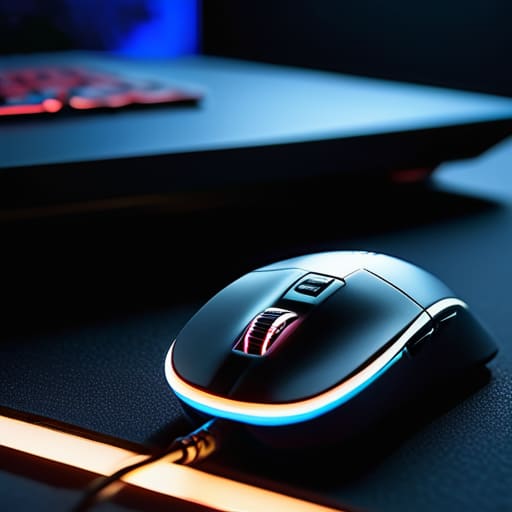
When you look at a spec sheet, it’s easy to get lost in the numbers, but high DPI is often a misunderstood metric. In my experience, a higher Dots Per Inch doesn’t inherently mean better precision; in fact, chasing astronomical numbers often leads to jittery, unmanageable movement. What actually matters is the quality of the high DPI gaming sensors themselves and how accurately they translate your physical hand movements into digital input. You want a sensor that offers consistent tracking without the “acceleration” artifacts that can ruin your muscle memory during a high-stakes session.
True mastery comes from finding that sweet spot where your hardware feels like an extension of your nervous system. This is where the conversation shifts from raw speed to predictable responsiveness. If you are aiming for gaming setup optimization, don’t just buy the mouse with the highest number on the box. Look for sensors that prioritize stability and minimal jitter. When your gear provides that level of granular accuracy, you stop fighting the hardware and start focusing entirely on the mechanics of the game.
Low Latency Gaming Gear Eliminating the Margin of Error
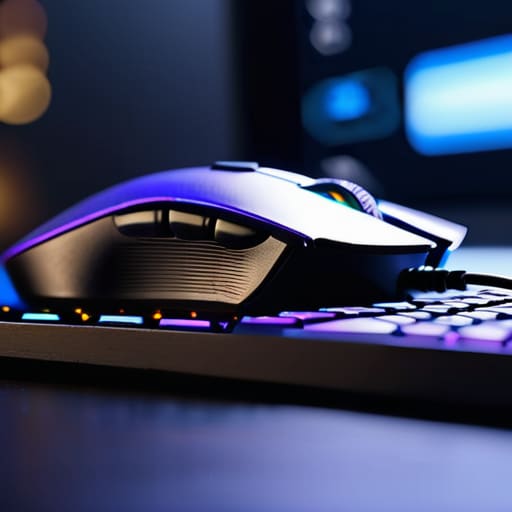
When we talk about intentional play, we have to address the invisible enemy: delay. In my years of analyzing how we interact with digital systems, I’ve realized that even a few milliseconds of lag can create a profound cognitive disconnect. You feel the input, but the action on screen arrives just a heartbeat too late. This is why investing in low latency gaming gear isn’t about chasing vanity specs; it’s about closing the gap between your nervous system and the game engine. Whether it’s the polling rate of your mouse or the response time of your monitor, you want the hardware to disappear so only your skill remains.
This brings us to the classic debate of wireless vs wired peripherals. For a long time, the industry standard was to stick to cables to avoid the dreaded dropouts. However, modern wireless protocols have matured significantly, offering speeds that rival wired connections without the desk clutter. If you’re optimizing your space for deep focus, a high-performance wireless setup can be a game-changer, provided the tech is reliable. Ultimately, eliminating that margin of error is about ensuring that your mechanical execution is never sabotaged by your equipment.
Precision over Hype: Five Ways to Curate Your Setup
- Stop chasing the highest specs on the box. A mouse with 25,000 DPI sounds impressive in a marketing meeting, but unless you’re a professional aim-trainer, it’s often just noise. Focus on sensor consistency and how the weight feels in your actual hand during a long session.
- Prioritize tactile feedback over RGB lighting. If you’re playing a game where every millisecond of a keystroke matters, you need switches that tell your brain exactly when an action has registered. Aesthetics are fine, but mechanical reliability is what actually builds muscle memory.
- Don’t overlook your surface. You can own the most expensive sensor in the world, but if you’re using it on a worn-out, uneven mousepad, you’re fighting your own gear. A consistent glide is the foundation of intentional movement.
- Audit your ergonomics to prevent burnout. As someone who’s been at this since the arcade era, I’ve learned that physical discomfort is the fastest way to kill your focus. If your wrist is aching, your brain isn’t analyzing the game mechanics—it’s just waiting for the pain to stop.
- Match your gear to your specific genre. A lightweight mouse is a godsend for tactical shooters, but if you’re playing a complex MMO or a strategy game, you might actually benefit from more programmable macro keys and a more substantial, stable feel. Play with the tools that suit your intent.
The Intentional Player’s Checklist
Stop chasing the highest numbers on a spec sheet; focus instead on how the sensor’s precision aligns with your actual muscle memory and movement patterns.
Treat latency reduction as a way to close the gap between your intent and the game’s response, rather than just another way to gain a competitive edge.
View your peripherals as extensions of your own cognitive processes, choosing tools that serve your mastery rather than just adding more noise to your setup.
The Extension of Intent
We often mistake peripherals for mere accessories, but when you’re playing with intention, your gear ceases to be an external tool and becomes a seamless extension of your own nervous system.
Delia Okonkwo
Beyond the Specs: Making the Gear Your Own
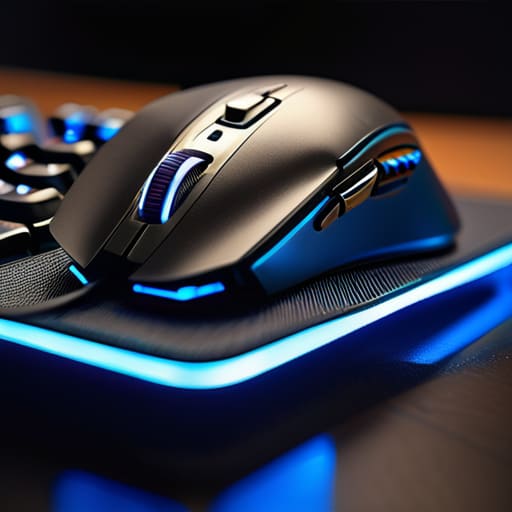
At the end of the day, selecting the right peripherals isn’t about chasing every glowing RGB trend or buying the most expensive kit on the shelf. It’s about understanding the technical bridge between your intent and the game’s response. We’ve looked at how high-precision sensors provide the granular control necessary for complex maneuvers and how minimizing latency removes those frustrating, invisible barriers to success. When you align your hardware with your specific playstyle—whether that’s the lightning-fast flick of a shooter or the steady, rhythmic input of a strategy game—you stop fighting your tools and start mastering the system.
As I sit here with my tea, watching the light fade on my desk, I’m reminded that the best gear is ultimately invisible. The goal isn’t to marvel at your mouse or keyboard; it’s to reach a state of flow where the hardware simply disappears, leaving only your skill and the digital world ahead of you. Don’t just consume tech for the sake of an upgrade; invest in tools that respect your intention. Play with purpose, refine your setup with care, and remember that the most important component in any gaming rig will always be the person behind the controls.
Frequently Asked Questions
How much of my performance is actually due to my gear versus my own muscle memory and reaction time?
It’s the age-old debate: is it the player or the tool? Honestly, it’s a symbiotic relationship. Your muscle memory and reaction time are the foundation—without them, the most expensive mouse is just a paperweight. But think of gear as the bridge between your intent and the game’s response. High-quality peripherals don’t grant you skill, but they stop hardware limitations from sabotaging the skill you’ve already worked so hard to build.
Is it worth investing in high-end peripherals if I primarily play casual or slower-paced strategy games?
Honestly? It depends on what you mean by “worth.” If you’re playing grand strategy games where a single misclick can derail a decades-long campaign, then yes—investing in a reliable, high-quality mouse and a tactile keyboard is about precision and reducing frustration. You aren’t chasing millisecond reaction times, but you are chasing intentionality. Don’t buy for the hype of competitive shooters; buy for the comfort and accuracy that lets you focus entirely on the system.
How do I find the right balance between ergonomic comfort and the tactile responsiveness needed for competitive play?
It’s a delicate tightrope walk. If you prioritize pure responsiveness, you often end up with gear that feels clinical and unforgiving, leading to wrist fatigue after a few hours. Conversely, “comfy” gear can feel mushy, masking the subtle mechanical feedback your brain needs to time a frame-perfect input. I suggest looking for “hybrid” tactile profiles—mechanical switches with a clear tactile bump or mice with contoured grips that don’t sacrifice weight. Don’t sacrifice your joints for a millisecond of speed.
