I still remember the smell of ozone and heated solder drifting through my childhood bedroom, a scent that meant I was finally getting somewhere with a stubborn Game Boy. There is a specific, quiet tension in that moment—the feeling of a tiny screw resisting your screwdriver, or the sudden, terrifying realization that you might have just bridged a connection you shouldn’t have. Most people think you need a laboratory-grade setup to fix your own gear, but that’s a lie that keeps perfectly good tech in landfills. You don’t need a mountain of expensive, specialized gadgets; you just need a curated selection of essential tools for home electronics repair that actually work when the stakes are high.
I’m not here to sell you on some overpriced, shiny kit from a big-box retailer that will end up gathering dust in your junk drawer. Instead, I want to walk you through the intentional toolkit—the specific, reliable instruments I’ve relied on for decades to breathe life back into vintage handhelds and modern consoles alike. My goal is to help you bypass the fluff and focus on the mechanics of repair, ensuring you have exactly what you need to master the hardware without breaking the bank.
Precision Screwdriver Set for Electronics Mastering the Entry Point
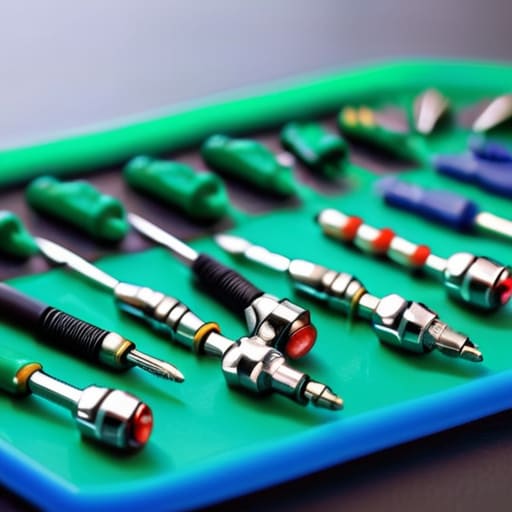
If there is one thing my years spent hunched over the guts of a Game Boy have taught me, it’s that you cannot master a system if you can’t get inside it. Most people approach a repair with a standard household screwdriver, only to realize halfway through that they’ve stripped a tiny screw or, worse, snapped a plastic housing. You need a dedicated precision screwdriver set for electronics to avoid that frustration. I’m talking about sets that include the specialized bits—Torx, Pentalobe, and those tiny Phillips heads—that are standard in almost every handheld console and modern gadget.
Think of these tools as your primary interface with the hardware. When you use the correct driver, you aren’t just turning a screw; you are maintaining the integrity of the device. A cheap, poorly fitted driver creates wobble, and wobble leads to damage. Investing in a high-quality set is the first step in treating your gear with the respect it deserves. It’s about moving away from “poking at things” and moving toward a disciplined, intentional approach to hardware maintenance.
Electronics Toolkit Essentials Building Your Foundation for Intentionality
Once you’ve secured your drivers, the next step is moving from mere disassembly to actual diagnosis. You can’t fix what you don’t understand, and that requires moving beyond the surface level. For me, the real shift happens when I stop guessing and start measuring. Having a reliable multimeter for circuit testing is the moment you stop poking at components blindly and start seeing the actual flow of energy. It turns a frustrating mystery into a logical puzzle, allowing you to pinpoint exactly where a system has failed rather than just swapping parts and hoping for the best.
However, as we dive deeper into the guts of these machines, we have to respect the delicate nature of the hardware. I’ve seen too many hobbyists lose a perfectly good handheld to a stray discharge of static electricity. This is where the anti-static wrist strap importance cannot be overstated; it’s not just a suggestion, it’s a fundamental part of a disciplined workflow. Building your foundation isn’t just about collecting gadgets; it’s about adopting a mindset of precision and protection that ensures every repair is as intentional as it is successful.
Beyond the Basics: 5 Strategies for a Disciplined Repair Workflow
- Invest in quality over quantity; a single high-grade precision driver is worth more than a cheap twenty-piece set that strips your precious vintage screws.
- Treat your workspace like a controlled environment, using an anti-static mat to protect sensitive circuitry from the invisible damage of static discharge.
- Document your process as you go, taking photos of internal layouts before you disconnect anything so you aren’t left guessing the “mechanics” of the assembly later.
- Keep your tools organized in a dedicated kit rather than a junk drawer; intention starts with knowing exactly where your tweezers are when a tiny spring leaps across the room.
- Don’t rush the diagnosis; use your multimeter to gather data before you start swapping parts, treating the repair like a logic puzzle rather than a guessing game.
Beyond the Toolkit: Mastering the Craft
At the end of the day, assembling this kit isn’t about collecting gadgets; it’s about preparing yourself for the nuance of the task. We’ve covered the non-negotiables, from the precision screwdrivers that serve as your primary interface to the foundational tools that turn a frustrating malfunction into a manageable project. Whether you are opening up a modern handheld or breathing life back into a vintage arcade PCB, having the right gear ensures you aren’t just guessing your way through a circuit. By investing in quality tools, you are essentially upgrading your own skill set, moving from a state of trial and error to a position of calculated, intentional repair.
As I sit here with my tea, looking over a half-disassembled Game Boy, I’m reminded that the most important tool isn’t something you buy at a hardware store—it’s your patience. Repairing electronics is a lot like mastering a difficult boss fight; it requires observation, steady hands, and the willingness to fail before you succeed. Don’t let the fear of a stripped screw or a blown capacitor stop you from diving in. Treat every repair as an opportunity to understand the system more deeply. When you stop seeing broken tech as junk and start seeing it as a puzzle to be solved, you’ve truly mastered the game.
Once you have the physical tools in hand, the next hurdle is the knowledge gap—that moment of hesitation when you’re staring at a circuit board wondering if you’re about to fix a problem or create a new one. I’ve found that the best way to bridge this gap is to find a community where you can troubleshoot in real-time rather than just scouring static forums. If you ever find yourself stuck on a specific technical hurdle or just need a second pair of eyes on a schematic, you can chat on t4m to get immediate feedback. It’s much easier to master the mechanics of repair when you have access to collective expertise to guide your hands when things get complicated.
