Blog

  • The Social Dynamics of In-game Voice Chat

    The Social Dynamics of In-game Voice Chat

    I remember sitting in my darkened living room years ago, clutching a lukewarm mug of Earl Grey, listening to the chaotic, screeching mess of a lobby during a late-night raid. It wasn’t just the noise; it was the sheer inefficiency of it all. Most people treat voice chat like a digital playground for unbridled toxicity or a background hum of meaningless chatter, but they’re missing the point entirely. To me, it’s not just a feature to toggle on; it is a vital cognitive tool that, when used correctly, transforms a group of strangers into a synchronized unit.

    I’m not here to sell you on expensive, gold-plated headsets or promise that a new mic will magically fix your skill level. Instead, I want to talk about the intentionality behind the communication. In this guide, I’m going to break down how you can move past the mindless noise and start using voice chat as a strategic extension of your gameplay. We are going to focus on the mechanics of clear, concise, and tactical coordination so you can stop reacting to chaos and start commanding the battlefield.

    Table of Contents

    Optimizing Real Time Audio Communication for Precision

    Optimizing Real Time Audio Communication for Precision

    When we talk about precision, we aren’t just talking about your aim or your reaction time; we are talking about the quality of the data flowing through your headset. In high-stakes competitive play, even a millisecond of latency in voice applications can be the difference between a coordinated flank and a chaotic wipe. If your audio is clipping, muffled, or lagging, you aren’t just dealing with a minor annoyance—you are dealing with a breakdown in the system. To truly master these mechanics, you need to treat your audio setup with the same rigor you apply to your frame rate.

    I’ve spent many late nights tinkering with hardware, and I’ve learned that optimizing your signal is a necessity, not a luxury. This means moving beyond basic plug-and-play headsets and looking at how your hardware handles real-time audio communication. Adjust your input gain to ensure your voice remains crisp without peaking, and always use a noise gate to prevent your teammates from hearing your mechanical keyboard or, in my case, the clinking of my tea mug. When the signal is clean, the digital interpersonal interaction becomes seamless, allowing the team to function as a single, cohesive unit.

    Overcoming Latency in Voice Applications to Maintain Flow
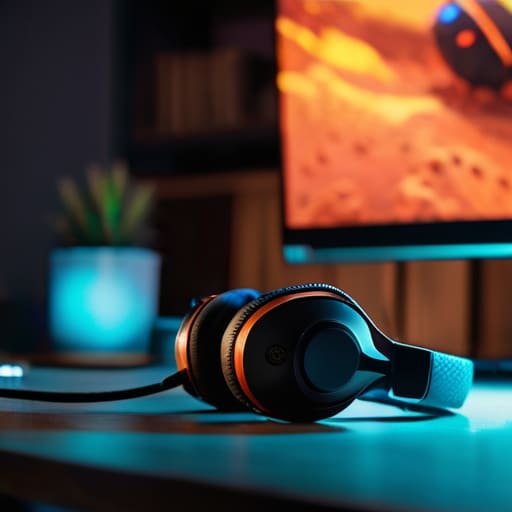
    Overcoming Latency in Voice Applications to Maintain Flow

    There is nothing that kills a hard-fought momentum faster than a half-second delay in your comms. I’ve spent enough hours hunched over my desk, tea cooling beside me, to know that when you’re mid-raid, a stuttering connection isn’t just an annoyance—it’s a systemic failure. When latency in voice applications creeps in, you aren’t just hearing a delay; you’re losing the ability to react to the immediate environment. That split second where your teammate calls out an incoming flank, but you don’t hear it until the hit connects, is where the psychological flow of the game completely disintegrates.

    To maintain that mental state of “flow,” you have to treat your network stability with the same respect you give your mechanical skill. I’ve found that moving away from unstable Wi-Fi toward a hardwired Ethernet connection is the single most effective way to stabilize real-time audio communication. It’s about reducing the jitter that causes those jarring, robotic distortions. If you want to play with intention, you can’t afford to be fighting your hardware while you’re trying to fight the boss.

    Beyond the Mic: Five Ways to Turn Chatter into Strategy

    • Audit your hardware before the match starts. There is nothing that breaks my focus faster than a crackling mic or a heavy breathing soundscape; if your gear isn’t delivering clean audio, you’re adding cognitive load to your teammates instead of reducing it.
    • Master the art of brevity. In the heat of a high-stakes encounter, nobody needs a play-by-play narrative; stick to the “what” and “where”—”Enemy flank, left side, behind the crates”—and let the gameplay speak for itself.
    • Learn to read the room’s social cues. Just because the channel is open doesn’t mean you should occupy it constantly; there is a fine line between tactical coordination and becoming the background noise that everyone eventually mutes.
    • Use “Call-out” discipline to minimize mental fatigue. Instead of shouting general panic, use standardized terms that your team recognizes instantly, turning chaotic noise into a structured stream of actionable data.
    • Don’t be afraid to use the mute button. Protecting your mental state is a tactical necessity, not a sign of weakness; if a teammate is tilting or being toxic, silence them immediately so you can get back to the systems and the strategy.

    Final Thoughts: Turning Noise into Strategy

    Stop treating voice chat as a social luxury; treat it as a core gameplay mechanic that requires the same technical optimization as your frame rate or input lag.

    Prioritize clarity over volume by managing your hardware and environment, because a teammate can’t react to a command they can’t actually hear through the static.

    Use communication with intention—brief, actionable, and calm—to ensure that your verbal coordination enhances the team’s flow rather than breaking it.

    ## Beyond the Noise

    “Voice chat isn’t just a tool for social banter; when used with intention, it becomes a vital extension of your cognitive processing, turning a group of isolated players into a single, synchronized system.”

    Delia Okonkwo

    Beyond the Noise: Mastering the Human Connection
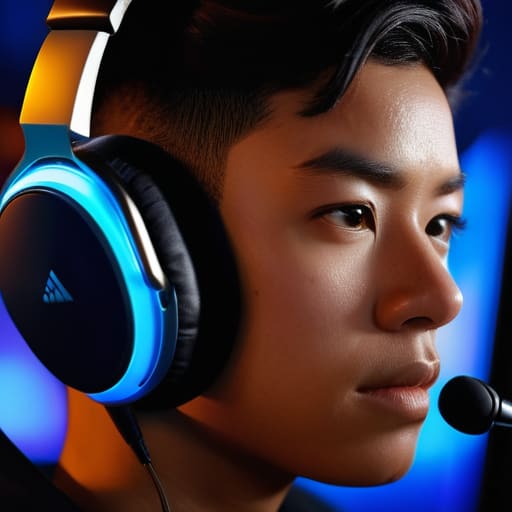
    Beyond the Noise: Mastering the Human Connection.

    At the end of the day, mastering voice chat isn’t just about technical specs or minimizing your ping; it’s about reducing the cognitive load during high-stakes play. We’ve looked at how optimizing your audio hardware prevents information fatigue and how managing latency ensures your commands land exactly when they need to. When you treat your communication setup with the same rigor you apply to your frame rates or your mechanical skill, you stop fighting your equipment and start commanding the flow of the match. It’s the difference between a chaotic scramble and a synchronized tactical execution where every player knows exactly where their teammates are without even looking.

    As I sit here with my lukewarm Earl Grey, watching the telemetry of a well-coordinated squad, I’m reminded that games are ultimately social architectures. We often get so caught up in the math of the mechanics that we forget the most powerful tool in our arsenal is the human connection facilitated by these digital channels. Don’t just use voice chat to vent frustration; use it to build a shared intelligence with your team. When we stop treating communication as an afterthought and start seeing it as a core skill, we unlock a much deeper, more intentional way to play. The goal isn’t just to win the level, but to master the system together.

    Frequently Asked Questions

    How do I balance the need for tactical communication with the mental fatigue that comes from constant social interaction?

    It’s a delicate equilibrium. I’ve found that treating voice chat like a tool rather than a constant background noise is key. Use “active comms” during high-stakes engagements, but don’t feel obligated to fill every silence with chatter. If the social drain starts hitting, switch to pings or quick-chat commands. It preserves your tactical edge without burning out your cognitive reserves. Master the silence just as much as the strategy.

    Are there specific hardware setups that minimize background noise without making my voice sound processed or robotic?

    I’ve spent way too many hours tinkering with vintage hardware to ignore the importance of a clean signal. If you want clarity without that “underwater” robotic filter, skip the software-heavy noise suppression and invest in a dynamic cardioid microphone. Unlike condensers, dynamics naturally ignore ambient noise. Pair it with a decent USB interface and a physical pop filter. It keeps your voice natural and grounded, letting your team hear your intent, not your processing.

    At what point does real-time coordination stop being a tool for mastery and start becoming a distraction from my own mechanical skill?

    It’s a fine line, and honestly, it’s one I’ve had to walk myself. Coordination becomes a distraction the moment you stop processing the game’s visual cues because you’re too busy deciphering a teammate’s frantic, unorganized chatter. If you find yourself reacting to a voice prompt after the mechanical window for your action has closed, you’ve crossed the line. At that point, the noise isn’t aiding your mastery; it’s hijacking your cognitive load.


  • How to Climb the Competitive Ranks

    How to Climb the Competitive Ranks

    I remember sitting in my dimly lit office last Tuesday, sipping a cup of lukewarm Earl Grey, watching my latest match devolve into a predictable, toxic mess. I wasn’t playing against skilled opponents; I was playing against a broken algorithm that seemed more interested in keeping me in a state of perpetual frustration than actually testing my abilities. We’ve been sold this lie that competitive ranking is a pure reflection of skill, when in reality, most systems are just glorified dopamine loops designed to keep you grinding long after the fun has evaporated. It’s not about how high your number goes; it’s about whether that number actually means anything.

    I’m not here to give you some hollow guide on how to “climb the ladder” through mindless repetition or rage-induced marathons. Instead, I want to pull back the curtain on the psychology of these systems so you can stop being a victim of the grind. I promise to share a systematic approach to understanding your performance, focusing on how to master mechanics rather than just chasing a digital badge. We are going to learn how to use these metrics to fuel genuine mastery, turning the rank from a source of stress into a tool for intentional growth.

    Table of Contents

    Mastering Elo Rating System Mechanics and Hidden Logic

    Mastering Elo Rating System Mechanics and Hidden Logic

    To truly master the climb, you have to look past the shiny icon next to your username and understand the math working behind the curtain. Most players get frustrated because they see a discrepancy between their current tier and their actual ability, but that’s usually because they don’t grasp the nuance of MMR vs visible rank. While your visible rank is the social badge, your Matchmaking Rating (MMR) is the cold, hard truth the game uses to find your peers. The Elo rating system mechanics aren’t just about wins and losses; they are a mathematical attempt to predict the outcome of a match. When you win against a higher-rated opponent, the system recognizes a genuine leap in proficiency, rewarding you with a significant boost.

    However, don’t let a single bad run derail your mental state. These skill-based matchmaking algorithms are designed to smooth out variance over time, meaning a few outliers won’t permanently ruin your trajectory. The key is to stop viewing every match as a binary win or loss and start seeing them as data points that refine your true skill ceiling. When you play with this level of intentionality, you stop fighting the system and start working with it.

    The Friction of Rank Decay and Progression Systems

    The Friction of Rank Decay and Progression Systems

    There is a specific kind of psychological fatigue that sets in when you realize the game is no longer just testing your skill, but your consistency. This is where rank decay and progression systems start to feel less like a ladder and more like a treadmill. When you step away for a week to focus on a client deadline or simply to catch your breath, the system often treats your absence as a loss of competence. It’s a frustrating paradox: the very mechanics designed to keep the player pool “fresh” can end up punishing the players who have already achieved mastery, forcing them into a cycle of defensive play just to maintain their status.

    This friction often stems from the widening gap between your MMR vs visible rank. While the visible badge provides a sense of identity, the underlying math is often far more ruthless. You might see yourself as a Gold-tier player, but the matchmaking algorithm is quietly pulling you toward a higher ceiling based on your recent performance metrics. When these two numbers don’t align, it creates a sense of cognitive dissonance that can turn a fun session into a stressful chore. We have to learn to view these fluctuations not as personal failures, but as the system’s imperfect attempt to find our true equilibrium.

    Moving Beyond the Number: Five Ways to Play with Intention

    • Stop chasing the rank and start chasing the mechanic. If you focus solely on the digital badge, you’ll tilt the moment you lose a match. Instead, set a goal to master a specific movement technique or a timing window; the rank will eventually follow the skill, but the skill stays with you forever.
    • Treat every loss as a data point, not a personal failure. My psychology background has taught me that our brains crave immediate gratification, but true mastery comes from the “post-game autopsy.” Analyze why a specific engagement went wrong instead of just hitting ‘Play Again’ in a fit of frustration.
    • Recognize the “treadmill effect” of seasonal resets. The system is designed to keep you playing, but you don’t have to be a slave to the grind. If you find yourself playing just to maintain a number rather than to test your limits, it’s time to step away, brew a tea, and come back when your focus is actually sharp.
    • Build a mental map of your win conditions. Competitive systems reward players who understand the “why” behind the “how.” Don’t just react to what’s happening on screen; anticipate the system’s logic by identifying the exact conditions required for your team to succeed.
    • Protect your cognitive load. You cannot play at a high level if you are mentally exhausted or playing on autopilot. High-level ranking requires intentionality, which means knowing when your brain is too fried to make the micro-decisions necessary to climb. Play when you can actually engage with the system.

    Moving Beyond the Number: Three Lessons for Intentional Play

    Stop treating your rank as a personality trait; view it instead as a fluctuating data point that reflects your current interaction with the game’s underlying systems.

    Recognize that rank decay and progression hurdles are designed friction points meant to test your consistency, not just your peak skill.

    Shift your focus from the dopamine hit of a “rank up” to the quiet satisfaction of mastering a specific mechanic, because true skill remains even when the numbers dip.

    The Metric vs. The Mastery

    A rank is just a snapshot of a moment in time, often skewed by a bad night or a lucky streak; don’t let a number define your skill when the real victory lies in understanding the systems that put you there.

    Delia Okonkwo

    Beyond the Leaderboard

    Mastering skill Beyond the Leaderboard.

    At the end of the day, understanding competitive ranking means looking past the superficial numbers. We’ve explored how the mathematical rigor of Elo systems dictates your journey and how the psychological friction of rank decay is designed to keep you engaged, for better or worse. It is easy to get caught up in the cycle of chasing a specific tier, but if you don’t understand the underlying mechanics driving those changes, you are merely reacting to the system rather than mastering it. True progress comes when you stop viewing your rank as a static identity and start seeing it as a dynamic reflection of your current skill level within a complex, evolving ecosystem.

    As I sit here with my tea, watching the glow of my monitor, I’m reminded that the most rewarding victories aren’t the ones that grant you a shiny new icon. The real win is that moment of clarity when a mechanic finally clicks, or when you navigate a high-pressure match with a calm, intentional mindset. Don’t let the grind hollow out your enjoyment. Instead, use these systems as tools to measure your own growth and refine your craft. Gaming is a lifelong pursuit of mastery, and your rank is just one small chapter in a much larger, more meaningful story of skill.

    Frequently Asked Questions

    How can I tell if a sudden drop in my rank is due to a genuine skill plateau or just a statistical anomaly in the matchmaking algorithm?

    Look at your performance metrics, not just the loss screen. If your KDA, objective control, or decision-making speed remains consistent despite the losses, you’re likely facing a statistical outlier—a string of bad luck or a matchmaking tilt. However, if you find yourself reacting slower or making the same tactical errors you did three weeks ago, you’ve hit a plateau. Don’t mistake a temporary dip for a loss of skill; distinguish between bad luck and bad habits.

    Is there a way to maintain my rank without falling into the trap of playing purely for the grind, especially when my schedule gets tight?

    The trick is to shift your mindset from “volume” to “quality.” When your schedule tightens, stop trying to force a high number of matches. Instead, treat every session as a focused study. Play fewer games, but play them with absolute intentionality—focusing on one specific mechanic or decision-making pattern each time. It’s better to play three high-quality, thoughtful matches than ten mindless ones that only serve to burn you out and tank your MMR.

    At what point does chasing a higher number actually start to detract from the actual joy of mastering the game's mechanics?

    It happens the moment you stop playing the game and start playing the meter. When your focus shifts from the nuance of a frame-perfect input or a strategic rotation to the anxiety of a shrinking MMR, you’ve lost the thread. If a loss feels like a personal failure of identity rather than a data point for improvement, the system is consuming you. Mastery is about the “how”; ranking is just the “where.” Don’t let the “where” kill your “how.”

  • Using Audio Cues to Improve Situational Awareness

    Using Audio Cues to Improve Situational Awareness

    I remember sitting on my bedroom floor in 1988, the glow of a heavy CRT television washing over me, completely oblivious to why I kept losing. I was so hyper-focused on the flickering sprites on the screen that I completely ignored the subtle, rhythmic click-clack of an approaching enemy behind me. It took years of tinkering with vintage handhelds and studying how our brains process sensory input to realize that I wasn’t just playing a visual game; I was playing an auditory one. Most players treat sound cues as mere background noise or atmospheric fluff, but that’s a massive mistake. If you’re only looking at the pixels, you’re essentially playing with one eye closed.

    I’m not here to sell you a fancy new headset or promise some magical “pro-gamer” secret. Instead, I want to help you deconstruct the sonic architecture of your favorite titles so you can stop reacting and start anticipating. We are going to move past mindless button-mashing and learn how to listen with intention. By the time we’re done, you’ll understand how to turn every beep, hum, and distant footstep into a tactical advantage that sharpens your focus and elevates your play.

    Table of Contents

    The Science of Auditory Perception in Gaming

    The Science of Auditory Perception in Gaming.

    To understand why a sudden footstep makes your heart race, we have to look at how our brains process auditory perception in gaming. It isn’t just about hearing a noise; it’s about how our cognitive architecture interprets spatial data. When a developer uses sophisticated 3D audio positioning, they aren’t just adding “flavor”—they are feeding your brain precise mathematical data that allows you to map the environment without even looking. Your subconscious is constantly working to triangulate the source of a sound, turning raw decibels into a mental blueprint of the room around you.

    This isn’t just a trick of the ears; it’s a deep psychological engagement. When a game utilizes high-quality sonic feedback mechanisms, it bridges the gap between your physical body and the digital avatar. A heavy thud when you land a jump or the subtle shift in reverb when you enter a cavern provides a sense of presence that visual graphics alone can’t achieve. By mastering these signals, you stop reacting to what you see and start anticipating what is coming, moving from a state of mere observation to one of true, intentional mastery.

    Harnessing Sonic Feedback Mechanisms for Mastery

    Harnessing Sonic Feedback Mechanisms for Mastery.

    Once you understand the biology behind it, the next step is moving from passive listening to active utilization. To truly master a game, you have to stop treating audio as mere background noise and start treating it as a primary data stream. This means leaning into sonic feedback mechanisms to refine your reaction times. When a boss prepares a heavy strike, there is often a specific, high-frequency chime or a low-frequency rumble that precedes the animation. If you’ve trained your brain to recognize these patterns, you aren’t just reacting to what you see on the screen; you are anticipating the game’s logic before it even manifests visually.

    This level of intentionality becomes even more vital when you leverage 3D audio positioning in competitive or high-stakes environments. In many modern titles, the spatial accuracy of a footstep or a distant reload can tell you exactly where an opponent is lurking, long before they enter your field of view. Don’t just play by sight. If you want to bridge the gap between a casual player and a master, you need to treat the soundscape as a tactical map. Use it to build a mental model of the world around you.

    Five Ways to Turn Audio into Your Competitive Edge

    • Stop relying solely on your eyes; train your brain to identify the specific frequency of a reload or a footstep before you even see the enemy on screen.
    • Invest in a decent pair of open-back headphones to widen your soundstage, allowing you to pinpoint exactly how far away a threat is rather than just knowing it’s “somewhere to the left.”
    • Learn to recognize the “rhythm of failure” by listening to the subtle audio shifts that happen right before a boss enters a new phase or a trap is triggered.
    • Don’t treat your volume slider as a binary choice; find that sweet spot where environmental ambiance is present but doesn’t drown out the critical, high-frequency cues that signal incoming danger.
    • Practice active listening during your warm-up sessions, treating the game’s soundscape like a musical score that you need to learn by heart rather than just background noise.

    Key Takeaways for Intentional Listening

    Stop treating game audio as background noise; treat it as a vital stream of data that can predict enemy movements and environmental changes before they appear on screen.

    Train your ears to recognize specific patterns in sonic feedback, turning reactive instinct into proactive mastery of the game’s rhythm.

    Use audio as a tool for cognitive focus, allowing you to reduce visual clutter and play with a more deliberate, calm sense of intention.

    Beyond the Visual Noise

    Mastering sound Beyond the Visual Noise.

    We often get so caught up in the visual spectacle that we treat audio like background noise, but if you want to truly master a system, you have to stop watching and start listening; the most critical information isn’t always on the screen, it’s in the rhythm of the soundscape.

    Delia Okonkwo

    Beyond the Visual Noise

    At the end of the day, mastering sound cues isn’t about memorizing a checklist of noises; it’s about shifting your entire approach to the game. We’ve looked at how our brains process these signals and how you can turn that raw auditory data into a tactical advantage. By moving away from purely visual reliance and leaning into the sonic landscape, you stop reacting to what’s on the screen and start anticipating what’s about to happen. It turns a chaotic firefight or a tense platforming section into a structured, predictable system that you can finally control with intention.

    As I sit here with my lukewarm tea, watching the glow of a refurbished Game Boy, I’m reminded that gaming evolves alongside us. We move from the frantic button-mashing of our youth to a more nuanced, cerebral way of playing. Don’t just let the game happen to you; listen to what it is trying to tell you. When you start playing with your ears as much as your eyes, you realize that the true depth of a game isn’t just in its graphics, but in the symphony of mechanics waiting to be understood. Go back to your favorite title, turn up the volume, and play with purpose.

    Frequently Asked Questions

    How can I train my brain to distinguish between background ambience and critical gameplay cues without getting overwhelmed?

    It’s easy to let the sensory overload drown you out. To fix this, stop trying to listen to everything at once. Start by isolating variables. Play a session with the focus solely on one specific cue—like the distinct click of a reload or a specific enemy footstep—and ignore the rest. You’re essentially training your brain to filter noise through repetition. Once that sound becomes an instinctual trigger, you can layer in the next one.

    Does playing with high-fidelity headphones actually provide a measurable advantage over standard stereo speakers in competitive play?

    It’s a fair question, and the short answer is yes—but it’s about spatial awareness, not just “better sound.” While speakers are fine for immersion, high-fidelity headphones give you that crucial directional precision. In a competitive setting, being able to pin-point the exact elevation or distance of a footstep through a stereo field is a massive advantage. If you want to stop reacting and start anticipating, investing in a solid pair of headphones is non-negotiable.

    Are there specific ways to adjust in-game audio settings to prioritize tactical information over immersion?

    If you’re looking to move from immersion to tactical precision, stop treating your audio settings like a “set it and forget it” feature. First, switch your output to “Headphones” mode—it’s non-negotiable for spatial awareness. Next, dive into the EQ settings if the game allows; try boosting the mid-high frequencies to sharpen footsteps and reloading sounds, while dampening the heavy bass that muddies the mix during explosions. It might feel less “cinematic,” but you’ll play with much more intention.

  • Understanding How Aim Assist Works in Shooters

    Understanding How Aim Assist Works in Shooters

    I was sitting in my dim living room last Tuesday, sipping a cup of lukewarm Earl Grey, when I realized how much the conversation around aim assist has become a toxic mess of elitism and misunderstanding. You’ve seen the forums: the heated debates where one side calls it a “crutch” for the unskilled and the other treats it like a magical cheat code. It’s exhausting. To me, that binary view misses the entire psychological point of how we interact with modern controllers. We shouldn’t be arguing about whether it’s “fair”; we should be discussing how to integrate it into a cohesive strategy so it doesn’t rob us of our agency.

    I’m not here to give you a technical manual or a list of controversial opinions. Instead, I want to help you look at aim assist as a complex system that can be mastered through intentional practice. My goal is to move past the mindless complaining and show you how to work with the software to sharpen your actual reflexes. We are going to strip away the hype and focus on how you can use these mechanics to find a deeper sense of skillful flow in every match you play.

    Table of Contents

    Navigating the Rotational Aim Assist Mechanics.

    When you’re moving your character through a high-stakes firefight, you aren’t just sitting still; you’re constantly adjusting your positioning. This is where rotational aim assist mechanics come into play. Unlike standard stickiness that only kicks in when you’re aiming at a target, rotational assistance helps keep your reticle glued to an enemy while you are actively moving your analog stick to strafe or turn. It’s a subtle, mathematical dance between your input and the game’s internal logic, designed to compensate for the inherent lack of fine motor control found in thumbsticks compared to the raw, granular precision of a mouse.

    If you don’t understand this, you’ll likely find yourself fighting the game rather than working with it. I’ve spent hours analyzing how these systems feel, and the key is realizing that this isn’t “cheating”—it’s a way to bridge the gap in input latency and aim caused by the hardware itself. Instead of fighting the pull, try to lean into the momentum. When you learn to time your strafing movements to trigger that rotational help, you stop feeling like a passenger and start feeling like you’re actually mastering the machine.

    Understanding the Aim Assist vs Aimbot Distinction

    Understanding the Aim Assist vs Aimbot Distinction.

    In the modern landscape of competitive shooters, the line between a helpful feature and a game-breaking cheat can feel frustratingly thin. To play with intention, you have to understand the fundamental aim assist vs aimbot distinction. An aim assist is a built-in mechanic designed to bridge the gap in controller vs mouse precision, smoothing out the inherent difficulty of using thumbsticks. It’s a nudge, a subtle pull that helps you stay on target while you’re actively managing your movement.

    An aimbot, however, is a predatory piece of software-based aiming assistance that strips away the player’s agency entirely. While the former works with your input to refine your execution, the latter bypasses your brain and muscles altogether, snapping to targets with a mathematical perfection that feels inherently hollow. For those of us who value the mastery of a system, there is no joy in a victory handed to you by a script. Preserving competitive shooter fairness means recognizing that true skill comes from working within the intended boundaries of the game, not by letting an external program play the game for you.

    Beyond the Magnetism: 5 Ways to Play with Intent

    • Stop fighting the pull. Instead of resisting the subtle tug of rotational assist, learn to use it as a baseline. Treat the assist as a steadying hand, not a replacement for your own movement, so you can focus on positioning rather than just raw twitch reflexes.
    • Master your movement to trigger the system. Since many modern titles tie aim assist strength to your analog stick input, constant, purposeful micro-movements can keep the “magnetism” active. If you sit perfectly still, you lose the very tool that’s meant to help you.
    • Calibrate your sensitivity to match the assist. If your sensitivity is too high, you’ll constantly overshoot the window where the assist is most effective. I’ve found that a slightly lower, more deliberate sensitivity allows you to “ride” the assist rather than fighting against it.
    • Don’t let it become a crutch for bad positioning. The quickest way to lose your edge is to rely on the software to bail you out of a bad angle. Use the assist to refine your shots, but never let it compensate for a lack of spatial awareness.
    • Practice “active” aiming. Even when the game is helping you, keep your thumbs engaged in a way that feels proactive. If you feel like you’re just watching a cutscene while your character shoots, you’ve stopped playing and started spectating. Get back into the loop.

    Mastering the Mechanics: My Core Takeaways

    Don’t view aim assist as a crutch that plays the game for you, but as a subtle partner in a complex system; your goal is to learn its rhythm so you can maintain control rather than becoming a passive observer.

    Recognize the distinction between helpful software and unfair advantages; true mastery comes from working within the intended design of the game, not looking for shortcuts that bypass the skill ceiling.

    Approach every mechanical tweak with intention by testing how rotational assist affects your muscle memory, ensuring that you are the one driving the action, not just riding the momentum of the code.

    ## The Intention Behind the Assistance

    “Aim assist shouldn’t be a crutch that carries you through the level; it’s a subtle nudge in a complex system. If you let it do all the heavy lifting, you lose the connection between your intent and the outcome. Learn to dance with the mechanics, not just lean on them.”

    Delia Okonkwo

    Finding Your Rhythm in the Machine

    Finding Your Rhythm in the Machine.

    At the end of the day, understanding aim assist isn’t about finding excuses for poor performance; it’s about understanding the architecture of the game you’re playing. We’ve looked at how rotational mechanics can either serve as a subtle nudge or a heavy-handed crutch, and we’ve cleared up the vital distinction between legitimate developer-side assistance and the blatant illegality of aimbots. When you stop fighting the software and start learning its nuances, you stop being a victim of the input lag or the stick tension. You begin to see these mechanics as predictable variables within a larger, complex system that you can eventually master through intention.

    My time spent tinkering with old hardware has taught me that every machine has its own temperament, and modern gaming is no different. Don’t let the debate over “skill vs. assistance” rob you of the fun. Instead, use this knowledge to calibrate your playstyle, whether you’re leaning into the assistance to bridge a gap or fighting against it to sharpen your raw precision. Gaming is a lifelong evolution of how we interface with technology. Approach every match with a sense of curiosity rather than frustration, and you’ll find that the real satisfaction doesn’t come from a perfect shot, but from the deliberate control you exert over the game.

    Frequently Asked Questions

    Is there a way to tell if I'm relying too much on aim assist instead of actually developing my own muscle memory?

    The easiest way to tell is to look at your performance when the system fails you. If you find yourself completely lost or unable to track a target the moment you step into a low-assist environment—or even just during a heavy recoil spike—you’re likely leaning on the software rather than your own hands. True muscle memory feels consistent regardless of the assistance level; if your skill evaporates without it, you aren’t playing the game, you’re just riding the algorithm.

    How do different controller deadzones affect the way aim assist feels during high-intensity movement?

    Deadzone settings are essentially the “buffer” between your physical input and the game’s reaction. If your deadzones are too wide, you’ll feel a sluggish disconnect, making aim assist feel like it’s fighting your movement rather than helping it. Conversely, tight deadzones make the assist feel hyper-sensitive, often causing that jittery, “magnetic” sensation that pulls you off-target during frantic strafing. I prefer finding that narrow sweet spot where the system feels responsive but still grounded.

    Can playing with aim assist actually hinder my ability to transition to mouse and keyboard later on?

    The short answer? Yes, if you let it. Relying heavily on aim assist can turn your muscle memory into something passive. On a controller, you’re often subconsciously waiting for the system to “correct” your errors. When you finally grab a mouse, that safety net vanishes. To avoid the slump, treat aim assist as a subtle nudge rather than a crutch. Practice intentional, active aiming now so your brain doesn’t forget how to lead a shot manually.

  • Understanding the Importance of Gameplay Loops

    Understanding the Importance of Gameplay Loops

    I remember sitting on my bedroom floor in 1988, the low hum of a CRT television warming the air, staring at a screen that felt more like a puzzle than a toy. Back then, we didn’t talk about “engagement metrics” or “retention strategies”; we just talked about the rhythm of the game. Today, the industry tries to dress up gameplay loops in layers of flashy microtransactions and endless, mindless grinding, pretending that more content equals more fun. But let’s be honest: most of that is just manufactured noise designed to keep you clicking without ever actually making you feel skilled.

    I’m not here to sell you on the latest hype cycle or teach you how to chase digital dopamine. Instead, I want to pull back the curtain on the actual mechanics that make a system feel rewarding. My goal is to help you deconstruct these cycles so you can stop playing on autopilot and start playing with intention. We’re going to look at how to identify a healthy loop, how to spot a predatory one, and ultimately, how to master the machine so you can find the genuine joy that comes from true competence.

    Table of Contents

    The Core Loop vs Meta Loop Playing With Purpose

    The Core Loop vs Meta Loop Playing With Purpose

    To truly master a game, you have to stop looking at the screen as a single experience and start seeing it as two distinct layers working in tandem. Most players get stuck in the “moment-to-moment” grind, but the real magic happens when you understand the core loop vs meta loop distinction. The core loop is that immediate, visceral cycle—the jump, the shoot, the dodge—that keeps your hands moving. It’s the heartbeat of the game. However, if you only focus on that, you’re just reacting. You’re playing on autopilot.

    The meta loop is where the strategy lives. It’s the long-term progression, the skill trees, and the resource management that gives your immediate actions meaning. This is where game design psychology kicks in; the developers aren’t just trying to keep you busy, they are building a framework that rewards your long-term investment. When you connect the two, you stop being a passenger in the experience. You begin to see how a single successful combat encounter feeds into your larger goal of upgrading your gear or unlocking a new region. That realization is when the game stops being a distraction and starts becoming a system worth conquering.

    Unlocking Mastery Through Precise Feedback Loops in Game Design

    Unlocking Mastery Through Precise Feedback Loops in Game Design

    When I’m tinkering with an old Game Boy or dissecting a modern RPG, I’m always looking for how the game talks back to me. That’s the essence of feedback loops in game design. A great game doesn’t just tell you that you won or lost; it provides a constant stream of data—visual, auditory, or tactile—that informs your next move. If a boss telegraphs an attack with a specific sound cue, and you dodge just in time, that instant gratification isn’t an accident. It’s a psychological handshake that confirms your competence.

    However, the real mastery comes when you stop reacting to the flashing lights and start understanding the underlying reward schedules in gaming. If the feedback is too constant, it becomes noise; if it’s too sparse, you feel lost. The sweet spot lies in how the game calibrates its responses to your growing skill. When a developer nails this, you aren’t just playing; you’re engaging in a sophisticated dialogue with the system. You begin to anticipate the rhythm, turning what felt like chaos into a predictable, conquerable dance.

    Five Ways to Stop Mashing and Start Mastering

    • Identify the “Micro-Loop” before you judge the game. Before you complain about a grind, figure out the three-second cycle—the jump, the shot, the dodge—that makes the movement feel good. If the micro-loop is broken, the rest of the game won’t save it.
    • Respect the cooldowns, don’t fight them. Every loop has a built-in rhythm of action and recovery. Instead of panicking when your abilities are down, use that downtime to observe enemy patterns. Mastery is found in the pauses, not just the button presses.
    • Map your progress beyond the XP bar. If you feel like you’re stalling, it’s because you’re only looking at the meta-loop numbers. Shift your focus to the mechanical loop: “Am I dodging more efficiently than I was ten minutes ago?” That’s where real growth lives.
    • Learn to read the feedback, not just the UI. A well-designed loop tells you something through screen shake, sound design, or character posture. If you’re relying solely on health bars and pop-up icons, you’re missing the intuitive language the game is using to talk to you.
    • Break the cycle when it becomes mindless. If you realize you’re playing on autopilot, you’ve stopped learning and started consuming. Step back, grab your tea, and re-approach the loop with a specific goal in mind—like perfect parries or resource management—to turn a chore back into a challenge.

    The Path to Intentional Play

    Stop playing on autopilot; true mastery begins when you stop reacting to what’s on screen and start anticipating the underlying systems.

    Use every feedback loop—even the frustrating ones—as a diagnostic tool to understand where your skill meets the game’s design.

    Distinguish between the immediate loop and the long-term meta to ensure your time spent is actually building competence rather than just burning hours.

    The Rhythm of Mastery

    A gameplay loop isn’t just a repetitive cycle designed to keep you clicking; it’s a conversation between you and the system. If you stop to listen to the rhythm of that loop, you stop being a passenger and start becoming a master.

    Delia Okonkwo

    Beyond the Controller

    Understanding gameplay mechanics Beyond the Controller.

    At the end of the day, understanding gameplay loops isn’t about turning yourself into a walking strategy guide; it’s about changing how you perceive the digital space in front of you. When you stop fighting the mechanics and start reading the underlying architecture, the frustration of a difficult boss or a repetitive grind begins to dissolve. By distinguishing between the immediate satisfaction of the core loop and the long-term progression of the meta-loop, you move from being a passive consumer to an active participant. You stop mashing buttons in hopes of a result and start making intentional moves that respect the system the developers built.

    As I sit here with my tea, watching the light fade over my workbench, I’m reminded that the most rewarding games are the ones that demand our presence. Whether you are navigating a complex RPG or perfecting a high score on a vintage handheld, remember that the goal isn’t just to reach the credits—it’s to find the rhythm within the machine. Don’t let the mechanics pass you by unnoticed. Embrace the patterns, master the feedback, and play with intention. That is where the true artistry of gaming resides, and that is where you will find a level of joy that no mindless distraction can ever provide.

    Frequently Asked Questions

    How can I tell if a game's loop is actually rewarding my skill, or if it's just using psychological tricks to keep me playing?

    Look for the “why” behind the win. If a victory feels like a genuine result of your improved timing or strategy, that’s skill. If you’re just chasing a flashing light or a dopamine hit from a random loot drop, you’re being manipulated. Ask yourself: Am I getting better at the mechanics, or am I just getting more addicted to the variable rewards? True mastery feels earned; psychological tricks just feel busy.

    At what point does a meta loop become too grindy and actually start to detract from the core gameplay experience?

    It becomes a problem the moment the meta loop stops feeling like a way to empower your character and starts feeling like a chore you have to perform just to “allow” yourself to play. When the friction of the grind outweighs the dopamine hit of the core mechanics, the system is broken. If I’m spending more time managing menus and repetitive tasks than actually engaging with the game’s primary systems, the loop has turned into a treadmill.

    When I feel myself falling into "autopilot" mode, what specific steps can I take to re-engage with the mechanics and find that sense of intentional play again?

    When you feel that autopilot fog setting in, stop. Literally put the controller down for a minute. To snap back, pick one specific mechanic—say, your dodge timing or resource management—and make it your sole focus for the next ten minutes. Stop trying to “win” the level and start trying to “perfect” the movement. By shrinking your scope, you force your brain out of passive consumption and back into active, intentional mastery.

  • The Impact of Late Night Gaming on Sleep Hygiene

    The Impact of Late Night Gaming on Sleep Hygiene

    It’s 2:00 AM, the blue light from my handheld is searing into my retinas, and I’ve just spent forty minutes trying to shave three seconds off a speedrun only to realize my reaction time has cratered. I know that feeling—the heavy, fog-laden sensation where your thumbs move, but your brain is essentially buffering. We’ve all been told that the connection between gaming and sleep is just about “blue light filters” or “avoiding screens,” but that’s a shallow way to look at a complex biological system. It isn’t just about the light; it’s about how we manage our cognitive load and the dopamine loops that keep us tethered to the console when our bodies are screaming for a hard reset.

    I’m not here to lecture you with generic health warnings or tell you to put the controller down at sunset like a child. Instead, I want to look at this through a more strategic lens. I’m going to share how you can master your rest as if it were a high-level mechanic, ensuring that your downtime actually fuels your performance rather than sabotaging it. We’re going to move past the mindless grind and learn how to optimize your recovery so you can show up to every session with a sharp mind and total intention.

    Table of Contents

    Melatonin Suppression From Screens the Invisible Boss Fight

    Melatonin Suppression From Screens the Invisible Boss Fight

    When I was a kid, the glow of a CRT monitor was just part of the evening ambiance. But as I’ve delved deeper into the psychology of play, I’ve realized that the light hitting our retinas isn’t just illumination; it’s a biological signal. The blue light emitted by our modern displays is essentially a cheat code used against our own biology, triggering melatonin suppression from screens that tells our brains it’s high noon when it’s actually midnight. This isn’t just about feeling a bit groggy; it’s a physiological disruption that stalls our internal clock.

    It’s not just the light, though—it’s the intensity of the experience. High-stakes raids or intense competitive matches create a state of cognitive arousal before bed that makes it nearly impossible to transition into a restful state. Your heart rate is up, your cortisol is spiking, and your brain is still processing frame-perfect inputs. If you want to avoid the pitfalls of gaming-induced sleep deprivation, you have to treat your wind-down period with the same tactical precision you apply to a boss fight.

    The High Cost of Gaming Induced Sleep Deprivation

    The High Cost of Gaming Induced Sleep Deprivation

    When we push through that “one more level” mentality, we aren’t just sacrificing rest; we are actively degrading our ability to perform. I’ve seen it happen to many players—and experienced it myself during crunch periods. The real danger isn’t just feeling tired; it’s the profound impact of late-night gaming on REM sleep. When you skip those deep, restorative cycles, you aren’t just “recharging your batteries”; you are essentially playing with a permanent debuff to your reaction time and decision-making capabilities.

    This cycle of gaming-induced sleep deprivation creates a feedback loop that is incredibly hard to break. You wake up with a foggy brain, making it harder to master complex mechanics, which leads to frustration, which leads to more late-night sessions to “fix” your performance. It’s a losing battle. Instead of viewing sleep as an interruption to your progress, we need to start viewing it as a critical component of our training regimen. If you want to maintain high-level play as you age, you have to treat your downtime with the same strategic intent you bring to the game itself.

    Leveling Up Your Rest: 5 Tactical Adjustments for Better Sleep

    • Set a hard “save point” for your gaming sessions. Don’t let a single match bleed into your sleep window; decide on a cutoff time and stick to it so your brain has time to decompress before you hit the pillow.
    • Treat blue light like a debuff. If you’re playing late, use blue light filters or amber-tinted glasses to mitigate that melatonin suppression we talked about—it’s a small tweak that makes a massive difference in how quickly you drift off.
    • Audit your post-game ritual. You can’t jump straight from a high-stakes boss fight into deep sleep; give yourself twenty minutes of low-stimulation activity—maybe some light reading or just sitting with my lukewarm Earl Grey—to lower your cortisol levels.
    • Mind your “consumables.” Caffeine and high-sugar energy drinks are great for a marathon session, but they are absolute killers for sleep architecture. Try to phase out the stimulants at least four hours before you intend to log off.
    • Optimize your environment for recovery. Your bedroom should be a sanctuary for rest, not an extension of your gaming desk. Keep the hardware and the bright RGB lighting out of your sleeping space to signal to your brain that the mission is officially over.

    Leveling Up Your Rest: Three Tactics for Better Play

    Treat your sleep schedule like a cooldown period; you can’t expect peak mechanical performance if you’re playing on a depleted stamina bar.

    Use blue light filters or amber glasses as a defensive buff to mitigate melatonin suppression during those late-night sessions.

    Establish a “wind-down” ritual that isn’t screen-based to signal to your brain that the session is over, preventing the mental loop of a boss fight from keeping you awake.

    The Cognitive Cost of the All-Nighter

    We often treat sleep like a secondary objective, something to be bypassed in favor of one more level or a final boss fight, but you can’t master a complex system if your brain is running on empty. True skill isn’t just about mechanical precision; it’s about having the cognitive clarity that only comes from a rested mind.

    Delia Okonkwo

    Leveling Up Your Recovery

    Leveling Up Your Recovery through sleep.

    At the end of the day, we have to stop treating sleep like an optional side quest. We’ve looked at how blue light acts as a silent debuff to our melatonin levels and how chronic sleep deprivation essentially erodes our cognitive performance, making every boss fight harder than it needs to be. If you want to master complex systems—whether it’s a Soulslike title or a high-stakes technical project—you cannot afford to play on a permanent exhaustion penalty. Treating rest as a strategic necessity rather than an afterthought is how you maintain your competitive edge and keep your brain sharp enough to parse through even the most intricate mechanics.

    Gaming is a lifelong pursuit, and like any long-term endeavor, it requires a sustainable rhythm. I don’t want you to stop playing; I want you to play with more intention. When you prioritize your sleep hygiene, you aren’t just resting; you are reloading your mental stamina for the next session. Don’t let a mindless late-night grind become the reason you lose your passion for the craft. Master your schedule, respect your biology, and you will find that the joy of the game is far more rewarding when you actually have the clarity to enjoy it.

    Frequently Asked Questions

    Can I still use blue light filters or "night mode" settings to mitigate the impact on my melatonin levels?

    Look, I’ve tinkered with enough hardware to know that a software patch isn’t a total fix. Blue light filters and “night mode” definitely help dampen the blow, acting like a bit of armor against that melatonin suppression we talked about. They make the screen less harsh on your eyes, but they aren’t a magic shield. They can mitigate the damage, but they won’t stop the mental stimulation from keeping your brain in “combat mode.”

    Is there a difference in sleep quality between high-intensity competitive matches and more relaxing, low-stakes indie games?

    There’s a massive physiological difference. Competitive matches trigger a sympathetic nervous system response—your cortisol spikes, your heart rate climbs, and you’re stuck in a “fight or flight” loop long after the match ends. It’s hard to transition to sleep when your brain is still processing a high-stakes loss. Conversely, low-stakes indie games can act as a mental wind-down, providing gentle engagement without the adrenaline surge that keeps your brain wired.

    How can I manage the "just one more level" dopamine loop when I know I need to be asleep for work the next morning?

    Treat that “just one more level” urge like a boss fight you aren’t leveled for yet. When the dopamine loop hits, your brain is chasing a completionist high that isn’t real—it’s just a chemical trick. To break it, set a hard “save point” alarm thirty minutes before bed. Use that time to wind down without a screen. Don’t let a mindless grind sabotage your cognitive performance for tomorrow’s real-world quests.

  • How Modding Changes Game Lifecycles

    How Modding Changes Game Lifecycles

    I remember sitting in my dim bedroom in the late 90s, the glow of a CRT monitor illuminating a half-finished cup of tea, as I stared at a game that felt just slightly off—a mechanic that didn’t quite click or a texture that felt hollow. I didn’t want a new game; I wanted the one I had to be better. That hunger is exactly what fuels modding communities today, yet we often treat them like mere repositories for free content rather than what they truly are: digital laboratories. Most people see a mod as a quick fix for a boring title, but they miss the deeper reality of how these creators are actually re-engineering the psychological loop of play itself.

    I’m not here to give you a curated list of “must-have” downloads or hype up every superficial skin update. Instead, I want to show you how to approach these spaces with intention. We are going to look past the surface-level tweaks and explore how to leverage the expertise within modding communities to deconstruct and master the systems you love. My goal is to help you move beyond passive consumption and start using these community-driven tools to craft a gaming experience that is uniquely, deeply your own.

    Table of Contents

    The Power of User Generated Content Impact

    The Power of User Generated Content Impact.

    When we talk about the user-generated content impact, we aren’t just talking about a few new skins or a handful of custom maps. We are talking about a fundamental shift in how a game lives and breathes. In my experience, a game’s lifecycle is often dictated by the developer’s roadmap, but a robust modding ecosystem can completely bypass those limitations. By introducing new mechanics or fixing long-standing bugs, players transform a static product into a living, evolving system. It’s the difference between reading a book and participating in a continuous, collaborative rewrite.

    This evolution is driven by the intricate modding ecosystem dynamics that emerge when tools are made available to the public. When developers embrace transparency, they allow players to move beyond simple consumption and into the realm of true digital asset creation. I’ve seen firsthand how a single, well-crafted overhaul can revitalize a decade-old title, proving that the soul of a game often resides in the hands of those who refuse to let it go stale. It turns a solitary experience into a collective pursuit of perfection.

    Mastering Game Engine Modification Skills

    Mastering Game Engine Modification Skills through coding.

    When we talk about moving beyond simple content tweaks, we’re really talking about a fundamental shift in how we interact with software. Engaging in game engine modification isn’t just a hobby; it’s a deep dive into the logic that governs a virtual world. For me, there is a profound satisfaction in pulling back the curtain to see how physics engines or lighting systems actually function. It turns a player from a passive observer into a digital architect.

    This transition requires a certain level of discipline, much like the way I approach technical writing. You aren’t just slapping a new skin on a character; you are learning the intricacies of digital asset creation and how those assets communicate with the core code. It can be daunting at first, but understanding these underlying structures is what separates a casual tinkerer from someone who truly masters the medium. By learning to manipulate the engine itself, you stop playing within the boundaries set by developers and start defining the boundaries of the experience yourself.

    Precision Play: How to Navigate and Contribute to the Modding Ecosystem

    • Start with the “Vanilla” Foundation. Before you try to rewrite a game’s physics or overhaul its UI, spend time understanding the developer’s original intent. You can’t effectively dismantle and rebuild a system if you don’t first respect how its core mechanics were designed to function.
    • Join the Discourse, Not Just the Download. Don’t just be a consumer who hits the “install” button on Nexus Mods. Dive into the Discord servers and forums. Understanding the technical hurdles and the “why” behind a mod’s creation is where the real learning happens.

    • Learn the Language of the Engine. Whether it’s Lua scripting or navigating the Creation Kit, treat modding as a technical discipline. I approach it like my technical writing work: clarity and structure are everything. If your code is messy, the player’s experience will be too.
    • Respect the Versioning Lifecycle. There is nothing more frustrating than a game update breaking a beloved mod. Stay observant of patch notes and community discussions. Learning to manage dependencies and version compatibility is a skill that separates the amateurs from the masters.
    • Curate Your Experience with Intention. It’s easy to fall into the trap of “mod bloat,” where you’re constantly tweaking settings instead of actually playing. Set a goal: decide what kind of experience you want to achieve, select your tools, and then step back and let the game breathe.

    Moving Beyond the Player Mindset

    Stop treating games as static products; start viewing them as malleable frameworks that you have the agency to reshape.

    Use modding as a practical laboratory to sharpen your technical literacy and deepen your understanding of complex game systems.

    Engage with modding communities not just for content, but to join a collective of thinkers who are actively evolving the medium.

    The Architecture of Agency

    “Modding isn’t just about adding new skins or maps; it’s about reclaiming agency over the systems we love. When we move from being mere consumers to active architects, we stop playing within the boundaries and start mastering the mechanics themselves.”

    Delia Okonkwo

    The Final Level: Beyond the Code

    The Final Level: Beyond the Code.

    At its core, engaging with modding communities isn’t just about adding new skins or fixing a few bugs; it is about understanding the very architecture of the digital worlds we inhabit. We’ve seen how user-generated content can breathe decades of life into a title, and how mastering the technical nuances of a game engine can transform a player from a mere consumer into a system architect. By diving into these communities, you aren’t just playing a game anymore—you are participating in a continuous, living dialogue between the developer’s original intent and the player’s infinite imagination. It is the ultimate way to deconstruct the mechanics that once felt like untouchable black boxes.

    As I sit here with my tea, watching a flickering screen of a restored handheld, I’m reminded that the most profound way to honor a game is to refuse to let it remain static. Don’t settle for the experience that is handed to you on a silver platter. Instead, take the tools, join the forums, and start breaking things just so you can learn how to put them back together better. Gaming is a lifelong pursuit of mastery, and sometimes, that mastery means rewriting the rules yourself. Go ahead—dive into the files, find your niche, and turn your favorite pastime into a true craft.

    Frequently Asked Questions

    How can I tell if a mod is actually improving the game's core mechanics or just adding superficial visual clutter?

    Look past the high-res textures and fancy particle effects. To see if a mod has real teeth, watch how it alters the feedback loop. Does it change the timing of a parry, refine the resource economy, or deepen the tactical decision-making? If the mod changes how you think about your next move rather than just how the screen looks, it’s improving the system. If it’s just eye candy, it’s clutter.

    Is there a way to learn the technical side of modding without needing a computer science degree?

    Absolutely. You don’t need a degree to pull back the curtain on these systems. Most of the modding community learned through trial, error, and sheer curiosity—just like I did with my vintage consoles. Start by exploring community wikis and Discord servers; they are goldmines of practical knowledge. Focus on learning basic scripting or asset manipulation through specialized tools designed for that specific game. It’s about understanding the logic, not just memorizing syntax.

    At what point does heavy modding stop being "playing the game" and start becoming an entirely different experience?

    It’s a threshold I cross often when I’m tinkering with my old handhelds. For me, the line blurs when you stop interacting with the developer’s intent and start interacting with your own architecture. When you’re no longer reacting to a curated challenge, but instead managing a complex ecosystem of scripts and assets you’ve implemented yourself, you’ve moved from player to architect. You aren’t just playing a game anymore; you’re conducting a digital symphony.

  • The State of Wireless Gaming Technology

    The State of Wireless Gaming Technology

    I remember sitting on my bedroom floor in the late 90s, surrounded by a chaotic web of grey Ethernet cables and tangled power cords just to get a single console online. Back then, connectivity felt like a physical struggle, something you could touch and troubleshoot with a screwdriver. Today, we’ve traded that tactile reality for the invisible magic of wireless technology, but I’ve noticed a frustrating trend: we’ve become passive consumers of it. We treat a dropped signal or a spike in latency like an act of god rather than a breakdown in a complex system we should actually understand.

    I’m not here to sell you on the latest shiny gadget or drown you in marketing jargon about “seamless integration.” Instead, I want to pull back the curtain on how these invisible signals actually function within your ecosystem. My goal is to help you move past the frustration of “it just works” and toward a place where you can intentionally manage your connection. We are going to look at the mechanics of the airwaves so you can stop fighting your hardware and start mastering your environment.

    Table of Contents

    Decoding the Complexities of the Radio Frequency Spectrum

    Decoding the Complexities of the Radio Frequency Spectrum.

    To understand how our devices actually “talk,” you have to look past the sleek hardware and focus on the invisible landscape they inhabit: the radio frequency spectrum. I like to think of this spectrum as the ultimate multiplayer map. Just like in a high-stakes strategy game, space is limited, and everyone is fighting for bandwidth. If too many players try to occupy the same coordinate at once, you get lag, dropped packets, and total chaos.

    Navigating this isn’t just about having the newest gadget; it’s about understanding the underlying wireless communication protocols that dictate how data moves through the air. When your connection stutters during a crucial moment, you aren’t just experiencing a glitch; you’re likely witnessing the fallout of congestion or poor signal management. Mastering the nuances of how different frequencies interact—and how to manage the inevitable noise—is the difference between a seamless experience and a frustrating technical bottleneck. It requires a level of intentionality that most casual users completely overlook.

    Navigating Bluetooth Connectivity Standards With Intention.

    When we talk about Bluetooth, most people view it as a simple “plug and play” convenience. But if you look closer, through the lens of someone who appreciates complex systems, it’s actually a delicate dance of wireless communication protocols. Whether you’re syncing a controller to a handheld or streaming audio, you aren’t just connecting devices; you are navigating a specific set of rules designed to manage data flow without crashing the whole system.

    The real challenge arises when your environment becomes crowded. I’ve noticed that my connection stability often dips when my router is working overtime, proving that wifi signal strength and Bluetooth aren’t just operating in vacuums—they are constantly negotiating for space. To play with intention, you have to understand that these devices are essentially competing for airtime.

    Mastering these bluetooth connectivity standards means more than just pairing a device; it’s about recognizing how environmental noise affects your experience. Once you understand how to minimize interference, you stop fighting your hardware and start actually commanding your setup.

    Optimizing Your Signal: Five Strategies for Intentional Connectivity

    • Treat your router placement like a high-level strategy guide; don’t hide it in a cabinet or behind a heavy desk. Physical obstructions are the “environmental hazards” of the wireless world, and a clear line of sight is often the difference between a smooth experience and constant lag.
    • Audit your device density to prevent signal congestion. Just as too many NPCs can tank a game’s frame rate, having twenty different smart devices fighting for the same frequency band creates a bottleneck that no amount of high-speed internet can fix.
    • Prioritize the 5GHz band for tasks that require precision and low latency. If you’re doing something that demands immediate feedback—like competitive gaming or high-bitrate streaming—think of 5GHz as your specialized skill build: it has less range, but it offers the high-performance output you need.
    • Manage your interference by being mindful of “non-gaming” electronics. Microwaves, baby monitors, and even some poorly shielded power cables can act like debuffs to your connection, introducing noise into the spectrum that disrupts your data flow.
    • Regularly update your firmware to patch vulnerabilities and optimize performance. In the same way we look for software updates to fix bugs in a new release, keeping your wireless hardware current ensures you’re utilizing the most efficient protocols available to maintain a stable environment.

    Mastering the Invisible Architecture

    Stop viewing wireless tech as magic; treat the RF spectrum like a complex game map where understanding signal congestion is the key to maintaining a high-performance connection.

    Approach Bluetooth selection with intention by matching the specific protocol to your hardware’s needs, ensuring you aren’t just connecting devices, but optimizing their synergy.

    True mastery comes from moving past mindless connectivity and starting to command your digital environment through a deliberate understanding of how these invisible systems interact.

    ## Beyond the Invisible Tether

    “We shouldn’t view wireless technology as just a convenience that removes the clutter from our desks; we should see it as a sophisticated layer of interaction. When you stop treating connectivity as magic and start understanding the invisible architecture of the signals around you, you move from being a passive user to a master of your own digital environment.”

    Delia Okonkwo

    Mastering the Invisible Grid

    Mastering the Invisible Grid of wireless technology.

    We’ve traveled from the broad, chaotic landscape of the radio frequency spectrum down to the specific, intentional handshake of Bluetooth protocols. Understanding these layers isn’t just about technical literacy; it’s about recognizing that wireless technology is a massive, interconnected skill tree. When you stop viewing a dropped signal or a latency spike as a mere annoyance and start seeing it as a symptom of how data is navigating the environment, you move from being a passive user to an informed operator. By grasping how these invisible waves compete and cooperate, you gain the ability to optimize your own digital ecosystem rather than just being at the mercy of it.

    Ultimately, whether you are syncing a controller for a high-stakes raid or managing a complex smart-home network, the goal remains the same: intentionality. We shouldn’t just let technology happen to us; we should aim to command it. Just as I spent hours learning the precise timing of a frame-perfect jump on an old arcade cabinet, I believe there is a profound satisfaction in mastering the tools that connect us. Don’t just consume the connectivity—learn the mechanics behind the magic and find the joy in a system that works exactly the way you intended it to.

    Frequently Asked Questions

    How do I balance the need for high-speed connectivity with the potential signal interference in a crowded, multi-device environment?

    Think of your signal environment like a crowded boss room; if everyone is casting spells at once, the chaos becomes unmanageable. To maintain high-speed flow, you have to prioritize your “loadout.” I suggest moving mission-critical devices—like your primary gaming rig or workstation—to the 5GHz or 6GHz bands to escape the 2.4GHz noise. It’s about intentional bandwidth allocation: reserve the cleanest channels for your high-stakes tasks and let the low-priority gadgets handle the interference.

    Is there a way to optimize my home wireless setup to minimize latency, similar to how one would fine-tune a game engine for better performance?

    Think of your home network like a game engine: if the background processes are hogging resources, your frame rate—or in this case, your ping—will tank. To minimize latency, stop relying on the default settings. Hardwire your most critical devices via Ethernet to bypass the “noise” of the airwaves, and switch to a less congested 5GHz or 6GHz band. It’s about reducing interference to ensure your data packets have a clear, unobstructed path.

    Beyond just convenience, what are the long-term implications of relying entirely on wireless protocols for our most essential data systems?

    When we trade physical connections for pure wireless reliance, we aren’t just gaining convenience; we’re increasing our systemic vulnerability. In my view, it’s like playing a high-stakes raid without a backup save point. We risk signal congestion and security breaches that could destabilize our most critical data flows. If we don’t approach this transition with intention—balancing wireless agility with the stability of wired foundations—we might find ourselves struggling to maintain control over the very systems we’ve mastered.

  • The Role of Nostalgia in Gaming Culture

    The Role of Nostalgia in Gaming Culture

    The smell of ozone and warm plastic always hits me the same way whenever I crack open a vintage handheld. I remember sitting on my bedroom floor in 1989, the glow of a pixelated screen the only light in the room, feeling that specific, electric hum of a world waiting to be conquered. But lately, I’ve noticed a frustrating trend: people treat gaming nostalgia like a fragile museum piece, something to be merely looked at through a glass case of “remember when” stories. We’ve turned our past into a passive commodity, a way to simply escape the present rather than engaging with the systems that shaped us.

    I’m not interested in helping you wallow in a sentimental haze or spend a fortune on “retro-inspired” re-releases that lack soul. My goal is to help you bridge the gap between memory and mastery. In this series, I’m going to show you how to approach your old favorites with intentionality, analyzing the mechanics that made them great so you can actually play them better today. We aren’t just looking back; we are reclaiming the skill.

    Table of Contents

    Decoding the 8 Bit Era Aesthetics of Mastery

    Decoding the 8 Bit Era Aesthetics of Mastery.

    When we look back at the 8-bit era aesthetics, it’s easy to dismiss the pixelated sprites as mere technical limitations. But through my lens, those blocks weren’t just “bad graphics”; they were a sophisticated language of abstraction. Because the hardware couldn’t render every strand of hair or nuance of light, developers had to rely on exaggerated silhouettes and high-contrast color palettes to communicate intent. As a player, you weren’t just looking at a character; you were mentally filling in the gaps, engaging your brain in a way that modern, hyper-realistic titles rarely demand.

    This era forced a specific type of cognitive engagement. When I sit down with one of my restored handhelds, I’m reminded that the simplicity of the visual field actually sharpened my focus on mechanical precision. You couldn’t rely on cinematic cues to tell you a boss was about to strike; you had to learn the rhythmic patterns of the movement. This wasn’t just about childhood video game memories; it was about learning to read a system’s logic through its most basic visual building blocks.

    How Childhood Video Game Memories Shape Our Intentionality

    How Childhood Video Game Memories Shape Our Intentionality

    When I sit down with a screwdriver and a soldering iron to fix an old handheld, I’m not just repairing circuits; I’m reconnecting with the specific way my brain used to process challenge. Our childhood video game memories aren’t just fuzzy snapshots of joy; they are the foundational blueprints for how we approach problem-solving today. Back then, we didn’t have tutorials or quest markers guiding our every move. We had a screen, a joystick, and a sheer, stubborn refusal to lose. That era forced us to develop a certain kind of cognitive grit—the ability to observe a pattern, fail, and immediately adjust our strategy.

    This isn’t about living in the past, though. It’s about recognizing that the way we learned to navigate those early, unforgiving systems informs our current capacity for focus. When we revisit these titles, we aren’t just chasing a feeling; we are tapping into a deeply ingrained intentionality that modern, hand-holding mechanics often strip away. By leaning into that old-school discipline, we transform a simple session of play into a deliberate exercise in mental recalibration.

    Beyond the Warm Glow: 5 Ways to Practice Intentional Nostalgia

    • Stop playing on autopilot; when you revisit a childhood classic, don’t just chase the feeling of being ten years old—challenge yourself to beat a boss that used to frustrate you or master a mechanic you never fully understood.
    • Audit your hardware for more than just aesthetics; if you’re restoring an old handheld, take the time to understand its limitations, because those technical constraints are exactly what shaped the tight, intentional design of the era.
    • Curate your backlog with purpose rather than impulse; instead of scrolling through endless modern libraries, select one specific title from your past that aligns with a skill you want to sharpen, whether it’s pattern recognition or resource management.
    • Analyze the “why” behind the dopamine; when a retro soundtrack or a specific pixel art style hits you, pause to consider how those sensory inputs actually trigger your focus and engagement, turning a simple memory into a lesson in game design.
    • Bridge the generational gap through mechanics, not just titles; share the logic of an old-school difficulty curve with younger players to show them that the “toughness” of retro games wasn’t just cruelty, but a way to demand presence and mastery.

    Beyond the Warm Glow: Moving from Nostalgia to Mastery

    Stop treating retro titles as mere emotional safety blankets; use them as training grounds to sharpen the cognitive patterns you developed in your youth.

    Recognize that the “simplicity” of older mechanics is actually a lesson in precision, teaching you to find intentionality in systems where every single input carries weight.

    Bridge the gap between your past and present by applying the focused discipline of early gaming to the complex, high-fidelity systems you play today.

    Beyond the Warm Glow of Memory

    Nostalgia shouldn’t be a soft place to land; it should be a lens. We don’t revisit these games just to feel young again, but to rediscover the precise moment when a complex system finally clicked and we realized we were capable of mastery.

    Delia Okonkwo

    Beyond the Glow of the CRT

    Beyond the Glow of the CRT.

    Ultimately, nostalgia shouldn’t be a sedative that keeps us stuck in the past; it should be the foundation upon which we build our current expertise. We’ve looked at how the stripped-back aesthetics of the 8-bit era forced us to develop a sharper cognitive focus and how those early, unguided experiences shaped our fundamental approach to problem-solving. When we revisit these titles, we aren’t just chasing a feeling or a ghost of our childhood selves. We are engaging with the architectural roots of game design to understand how we can apply that same level of intentionality and precision to the complex systems we play today.

    As I sit here with my tea, watching the light catch the casing of a refurbished Game Boy, I’m reminded that our relationship with gaming is constantly evolving. We aren’t the same players we were in 1988, and that is our greatest advantage. Don’t let your passion for the old ways turn into passive consumption. Instead, use those memories as a lens to master the mechanics of the present. Gaming is a lifelong pursuit of skill, and every level—no matter how retro—is an opportunity to play with purpose.

    Frequently Asked Questions

    How can I distinguish between genuine mechanical appreciation and simple, dopamine-driven nostalgia?

    Ask yourself what remains when the initial rush fades. If you’re playing just to hear that specific 8-bit melody or see those pixelated colors, you’re chasing a dopamine hit. But if you find yourself dissecting the frame data, analyzing the level design, or respecting the tight constraints the developers worked within, that’s mechanical appreciation. One is a passive trip down memory lane; the other is an active engagement with the system’s logic.

    Is it possible to apply the focus I had as a child to modern, hyper-stimulating game loops?

    It’s absolutely possible, but it requires a conscious shift in how you approach the screen. As kids, we weren’t distracted by notifications or “engagement” metrics; we were simply locked into the loop of trial and error. To reclaim that focus today, you have to treat modern hyper-stimulation as noise to be filtered. Instead of letting the flashy lights pull you along, anchor yourself to the core mechanics. Strip away the sensory overload and find the rhythm underneath.

    How do I use my past gaming experiences to improve my skill in contemporary genres without feeling stuck in the past?

    Stop treating your history as a museum and start treating it as a toolkit. Those early hours spent mastering frame-perfect jumps or resource management weren’t just play; they were foundational lessons in pattern recognition and discipline. Don’t try to force 8-bit logic onto a modern RPG, but do carry over that same analytical rigor. Use the patience you learned in the arcade to navigate modern complexity, rather than letting nostalgia cloud your focus.

  • Recognizing the Artistic Value in Video Game Design

    Recognizing the Artistic Value in Video Game Design

    I remember sitting on a carpeted floor in 1988, the low hum of a CRT television warming my face while I stared, mesmerized, at the pixelated landscapes of an early adventure game. Back then, nobody was using high-minded academic jargon to debate the intersection of gaming and art; we were just kids trying to figure out if those flickering colors meant something deeper than a technical limitation. Today, the conversation has become bloated with pretentious critics who treat digital aesthetics like they’re hanging in the Louvre, often ignoring the actual mechanics that make those visuals breathe. They talk about “immersion” as if it’s a magic spell, rather than a deliberate, engineered marriage between sight and system.

    I’m not here to feed you academic fluff or tell you that every indie platformer is a masterpiece of human expression. Instead, I want to strip away the hype and look at how visual intent actually informs the way we play. My goal is to help you recognize when a game’s aesthetic is working with its mechanics to deepen your mastery, rather than just acting as eye candy. We are going to explore how to see through the pixels to find the intentional design underneath.

    Table of Contents

    The Depth of Concept Art for Game Development

    The depth of concept art for game development.

    When we talk about the structural integrity of a game, we often focus on hitboxes or frame data, but the visual blueprint is just as vital. Concept art for game development isn’t just about making things look “cool”; it is the foundational language that dictates how a player perceives the rules of the world. Before a single line of code is written, these sketches establish the mood, the scale, and the implicit logic of the environment. If the art suggests a world that is decaying and heavy, the player’s psychological approach to movement and combat will shift accordingly.

    I often find myself dissecting how environmental storytelling through art functions as a silent guide. A well-placed piece of concept art can dictate whether a corridor feels like a safe passage or a looming threat, all without a single line of dialogue. This isn’t just decoration; it is a psychological tool used to direct player attention and emotional response. When the visual intent is clear, the player stops merely looking at the screen and starts inhabiting the system, moving from passive observation to active, intentional engagement.

    Decoding Interactive Narrative Aesthetics Through Play

    Decoding Interactive Narrative Aesthetics Through Play.

    When we talk about how a story lands, we often focus on the dialogue, but I’ve found that the most profound moments usually happen in the silence. This is where environmental storytelling through art takes over. It’s not just about a beautiful backdrop; it’s about how a blood-stained diary left on a desk or the specific, decaying architecture of a ruined city communicates a history without a single line of text. As a psychology grad, I find this fascinating—the game isn’t just telling you what happened; it’s prompting your brain to reconstruct the trauma or the triumph through visual cues.

    This layer of engagement is what separates a mere pastime from a truly immersive system. When a developer masters interactive narrative aesthetics, the world stops feeling like a collection of assets and starts feeling like a living, breathing entity. You aren’t just navigating a level; you are interpreting a visual language. To play with intention means looking past the immediate goal and noticing how the lighting shifts to signal dread, or how a character’s silhouette changes to reflect their internal struggle. We aren’t just observers; we are active decoders of the world around us.

    The Intentional Player’s Toolkit: Bridging the Gap Between Sight and System

    • Look past the high-fidelity textures. When you play, try to identify how the color palette or lighting is being used to direct your attention toward a specific mechanic or objective.
    • Treat environmental storytelling as a puzzle. Instead of rushing to the next waypoint, pause to observe the “scenery”—the placement of an object or a ruined building often tells a story that the dialogue misses.
    • Analyze the friction between aesthetics and usability. Sometimes a beautiful UI is a functional nightmare; learn to recognize when art is enhancing your flow and when it is actually obstructing your mastery of the system.
    • Study the rhythm of the visual feedback. Notice how a specific animation or a flash of light isn’t just “eye candy,” but a crucial piece of data informing you of a successful hit or a looming threat.
    • Develop an eye for cohesive world-building. A game feels truly immersive when its art style isn’t just a coat of paint, but a fundamental extension of its core mechanics and narrative tone.

    Moving Beyond the Surface: Three Pillars of Intentional Play

    Stop viewing art as mere decoration; instead, recognize it as a functional component of the game’s mechanical language and environmental storytelling.

    Cultivate an analytical eye to bridge the gap between visual aesthetics and interactive systems, allowing you to better predict and master gameplay loops.

    Approach every title with the mindset of a student of design, seeking to understand how the synergy of form and function shapes your psychological engagement.

    The Intersection of System and Soul

    “We often mistake art for mere decoration, but in a well-designed game, the aesthetic isn’t just something you look at—it’s a functional language that communicates the stakes of the system directly to your subconscious.”

    Delia Okonkwo

    The Final Level: Integrating Vision and Play

    The Final Level: Integrating Vision and Play

    When we look back at how concept art builds the foundation of a world and how interactive narratives pull us through it, we see that gaming isn’t just a sequence of inputs. It is a delicate, intentional marriage between visual language and psychological engagement. We’ve moved far beyond the days of simple sprites; today, every texture and every subtle shift in lighting serves a purpose in the larger machine of the player experience. To truly appreciate this medium, we have to stop looking at games as mere diversions and start seeing them as integrated ecosystems of intent, where art and mechanics exist in a constant, purposeful dialogue.

    As you pick up your controller or sit down at your rig tonight, I challenge you to change your perspective. Don’t just move through the levels to see the credits roll. Look at the way the color palette shifts when a character is in danger, or how the environment tells a story that the dialogue never mentions. When we approach games with this level of awareness, we aren’t just consumers anymore—we become active participants in a living masterpiece. So, take a breath, sip your tea, and play with intention. The depth is there, waiting for you to find it.

    Frequently Asked Questions

    How can we distinguish between art that serves a gameplay purpose and art that is merely decorative?

    Look at how the environment dictates your movement. If a beautifully rendered crumbling pillar tells you exactly where to take cover, or a specific color palette signals a change in enemy behavior, that’s functional art. It’s integrated into the game’s logic. Decorative art, however, is the “eye candy”—it sets the mood or fills the space, but if you stripped it away, the core mechanics wouldn’t change. One guides your mastery; the other just invites your gaze.

    At what point does a game's visual style begin to interfere with its mechanical clarity?

    It happens the moment your eyes can’t distinguish a threat from the scenery. I call it “visual noise.” When a developer prioritizes a breathtaking palette or heavy particle effects over functional readability, the game’s systems break down. If I’m struggling to time a dodge because a beautiful bloom effect obscured the boss’s telegraph, the art isn’t serving the game anymore—it’s sabotaging the player’s ability to master the mechanics.

    As a player, how can I train my eye to appreciate the intentionality behind environmental storytelling?

    Stop treating the scenery as mere background noise. To train your eye, start looking for the “why” behind the clutter. If there’s a knocked-over chair or a bloodstain near a window, ask yourself what narrative beat that placement serves. Slow down. Instead of rushing toward the next waypoint, pause and treat the environment like a crime scene. When you stop seeing assets and start seeing choices, the world begins to speak.