Blog

  • Importance of Ergonomics for Long Gaming Sessions

    Importance of Ergonomics for Long Gaming Sessions

    I remember sitting hunched over a flickering CRT monitor in my childhood bedroom, my spine curved like a question mark as I tried to beat a boss level in Castlevania. Back then, I didn’t know any better; I just thought the ache in my wrists was a small price to pay for progress. Fast forward a few decades, and I see the industry trying to sell us “ergonomic” solutions that cost more than a vintage GameBoy, claiming a thousand-dollar chair is the magic fix for everything. Honestly, most of that high-priced gear is just marketing fluff. Real gaming ergonomics isn’t about buying the most expensive plastic throne on the market; it’s about understanding how your physical setup interacts with your cognitive focus.

    In this guide, I’m stripping away the flashy hype to give you the practical, science-backed adjustments that actually matter. I want to help you bridge the gap between your physical comfort and your mental performance so you can play with true intention. We’ll look at how to optimize your space to support your body, ensuring that physical strain never becomes the bottleneck for your skill.

    Table of Contents

    Optimizing Monitor Height Adjustment for Precision Focus

    Optimizing Monitor Height Adjustment for Precision Focus.

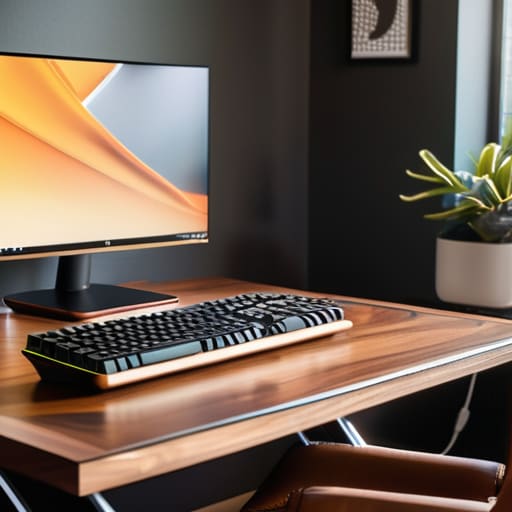
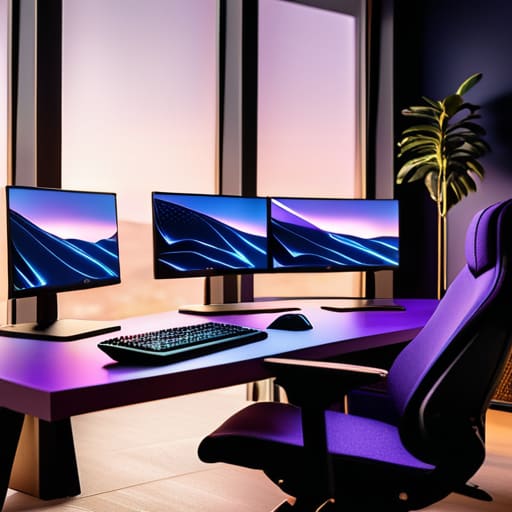
    We often focus so much on our mouse grip or keyboard positioning that we completely overlook the vertical axis of our vision. If your screen is too low, you’re essentially forcing your neck into a permanent downward tilt, which creates a cascade of tension through your upper back and shoulders. When I’m deep in a session—usually with a cup of Earl Grey cooling beside me—I’ve noticed that even a slight misalignment can turn a focused flow state into a dull ache. Proper monitor height adjustment is about ensuring that your eyes naturally land on the top third of the screen, allowing your neck to remain in a neutral, relaxed position.

    This isn’t just about comfort; it’s about cognitive endurance. When your body is fighting physical strain, your brain has fewer resources to dedicate to complex game mechanics. By aligning your screen correctly, you reduce the micro-distractions caused by physical discomfort, which is a cornerstone of repetitive strain injury prevention. If you find yourself slouching, don’t just reach for a pillow; look at your line of sight. A well-calibrated setup ensures that your physical interface supports, rather than sabotages, your mental precision.

    The Vital Role of Lumbar Support for Gamers

    The Vital Role of Lumbar Support for Gamers

    We often focus so much on our reaction times and input precision that we completely neglect the foundation of our physical performance: the spine. As someone who spent countless hours hunched over a CRT monitor in the 90s, I can tell you firsthand that the “gamer slouch” isn’t just a bad habit; it’s a systematic failure of your setup. Without proper lumbar support for gamers, your lower back inevitably rounds, forcing your muscles to work overtime just to keep you upright. This constant tension doesn’t just cause dull aches; it disrupts your concentration and can lead to long-term fatigue that pulls you away from the very games you love.

    Finding that right curve against your lower back is essential for maintaining a neutral spine. When your lumbar is supported, your pelvis stays in a stable position, which naturally improves your posture and reduces the risk of repetitive strain injury prevention efforts being undermined by poor seating. It’s about creating a stable base of operations. If you can’t sit comfortably, you can’t play with intention. Investing time into your seating geometry is just as important as upgrading your ergonomic gaming peripherals if you want to stay in the game for the long haul.

    Beyond the Chair: Fine-Tuning Your Physical Interface

    • Stop treating your peripherals like afterthoughts; your keyboard and mouse should be positioned so your wrists stay neutral, not cocked at awkward angles that invite strain.
    • Mind the “elbow rule” by ensuring your armrests or desk height allow your elbows to stay at roughly a 90-degree angle, preventing that heavy, aching tension in your shoulders.
    • Don’t let your feet dangle like a kid in a high chair; keep them flat on the floor or use a footrest to stabilize your pelvis and take the pressure off your lower back.
    • Integrate the 20-20-20 rule into your sessions—every 20 minutes, look at something 20 feet away for 20 seconds—to prevent your eyes from locking into a fatigued, unblinking stare.
    • Watch your grip tension during high-stakes moments; I’ve noticed many players subconsciously white-knuckle their controllers, which only leads to faster fatigue and diminished fine motor control.

    Building a Sustainable Foundation for Play

    Treat your physical setup as a tool for skill acquisition, not just a place to sit; if your body is in pain, your brain can’t focus on the mechanics.

    Small, intentional adjustments to your monitor height and lumbar support prevent the long-term fatigue that turns a passion into a chore.

    Mastery requires consistency, and you can’t maintain high-level play if you’re constantly fighting against poor ergonomics.

    The Body as an Interface

    We often focus so much on mastering the software and the mechanics that we forget our own bodies are the primary hardware. If your posture is fighting against your focus, you aren’t playing the game—you’re just managing discomfort.

    Delia Okonkwo

    The Long Game

    Ergonomic setup for playing The Long Game.

    At the end of the day, ergonomics isn’t about buying the most expensive gear or following a strict set of rules just for the sake of it. It’s about recognizing that your physical setup is the foundation of your performance. We’ve looked at how monitor height keeps your focus sharp and how proper lumbar support prevents your body from becoming a distraction during intense sessions. When you align your monitor, your chair, and your peripherals with the way your body actually moves, you stop fighting your environment and start mastering the interface. It’s about removing the friction between your intentions and your actions so that nothing—not even a dull ache in your neck—stands in the way of your progress.

    I’ve spent decades moving from arcade cabinets to high-end PC rigs, and if there is one thing I’ve learned, it’s that our bodies change even as our passion for gaming stays constant. We can’t afford to play mindlessly when it comes to our health. Treat your setup with the same respect you give to a complex game mechanic or a difficult boss fight. If you invest in your physical well-being now, you aren’t just preventing discomfort; you are ensuring that you can play with intention for many years to come. Gaming is a lifelong pursuit, and your body deserves to be a partner in that journey, not an obstacle.

    Frequently Asked Questions

    How can I tell if my current desk height is actually causing long-term strain versus just feeling uncomfortable in the moment?

    It’s easy to dismiss a little ache as just “part of the game,” but there’s a difference between temporary fatigue and structural strain. Pay attention to the “hangover” effect: if you notice stiffness in your neck or a dull ache in your wrists that persists long after you’ve put the controller down, your desk height is likely the culprit. If you’re constantly shrugging your shoulders to reach your keyboard, you’re inviting long-term tension.

    Are there specific stretches I can do during loading screens to prevent my wrists from locking up?

    Don’t let a loading screen go to waste. I’ve learned the hard way that if I don’t move, my wrists start feeling like they’re made of rusted gears. Try some gentle wrist circles or a simple prayer stretch—palms together, elbows out, and slowly lower your hands. Even just a quick shake-out helps reset the tension. It’s about maintaining your physical interface so your focus stays on the mechanics, not the discomfort.

    Since I'm often playing on handhelds or smaller devices, how do I maintain good posture without a full desktop setup?

    The handheld dilemma is real. When you’re playing on a Switch or a Steam Deck, the temptation is to hunch into a “gamer’s shrimp” position. To fight this, stop playing in your lap on the couch. Try using a lap desk to bring the device closer to eye level, or prop yourself up with firm pillows to maintain that lumbar curve. If you’re in bed, sit against the headboard rather than lying flat. Keep your elbows tucked; don’t let your arms hang unsupported.

  • The Impact of Streamer Culture on Modern Gaming

    The Impact of Streamer Culture on Modern Gaming

    Stop letting the neon lights and high-energy hype cycles dictate how you perceive gaming. We’ve reached a point where streamer culture often feels less like a community of skilled players and more like a relentless, loud performance designed to keep you scrolling. I see so many players falling into the trap of mimicking a streamer’s frantic playstyle or chasing their specific “meta,” only to lose the actual intentionality that makes gaming rewarding. It’s easy to get swept up in the spectacle, but when you stop playing for the dopamine hit of a chat reaction and start playing for the mechanics, the game changes entirely.

    I’m not here to tell you which personality to subscribe to or how to build a perfect setup. Instead, I want to strip away the performative fluff and look at the actual systems at play. My goal is to help you navigate the influence of streamer culture without losing your own agency as a player. We are going to analyze how to extract real skill from these broadcasts and turn passive consumption into a tool for your own mastery.

    Table of Contents

    Decoding the Digital Creator Economy and Its Systems

    Decoding the Digital Creator Economy and Its Systems

    To understand why we watch, we have to look past the neon lights and the high-energy commentary and examine the underlying architecture of the digital creator economy. It isn’t just a hobbyist’s pursuit anymore; it is a highly sophisticated ecosystem of feedback loops and financial incentives. When we watch a creator, we aren’t just observing gameplay; we are participating in a marketplace where attention is the primary currency. This economy thrives on a delicate balance of various monetization strategies for creators, ranging from direct subscriptions to complex brand integrations that often feel seamless—until you look closely at the mechanics behind them.

    This system is fueled by a specific psychological driver: the rise of parasocial relationships in streaming. Because these creators broadcast from their bedrooms and interact with us in real-time, the boundary between “performer” and “friend” becomes incredibly porous. It’s a brilliant, if sometimes taxing, way to build loyalty, but as a psychologist, I find the mechanics fascinating. We aren’t just consuming content; we are investing emotionally in a system designed to turn connection into a scalable commodity.

    Navigating Complex Gaming Community Dynamics.

    It’s easy to get lost in the noise of a busy chat room, but if you step back, you start to see the underlying architecture of how these groups function. We aren’t just watching a broadcast; we are participating in a highly structured social ecosystem. One of the most challenging aspects of this is navigating the gray area of parasocial relationships in streaming. When a creator shares their life through a lens, the line between a viewer and a friend becomes incredibly thin. For the player, it’s vital to maintain that boundary so you don’t lose your sense of agency or perspective within the broader gaming landscape.

    The way these spaces are moderated also dictates the quality of the experience. Effective community engagement tactics can turn a chaotic stream into a masterclass of collaborative play, but they can also be used to enforce rigid social hierarchies. To truly master your place in these digital spaces, you have to observe the unwritten rules of engagement. It isn’t just about being a spectator; it’s about understanding the social mechanics that keep the ecosystem balanced and ensuring your presence adds value rather than just adding to the clutter.

    Reclaiming Your Agency: 5 Ways to Engage Without Losing Yourself

    • Stop treating a streamer’s reaction as the definitive way to experience a game. They are playing for an audience, which often means prioritizing high-energy spectacle over deep, methodical mastery. If you want to understand a game’s true mechanics, close the tab and play it yourself.
    • Audit your “parasocial” investment. It is easy to feel like a streamer is your close friend when you watch them every night, but remember that you are witnessing a curated performance. Maintain a healthy psychological distance to ensure your enjoyment remains grounded in the game, not the persona.
    • Filter the hype through your own analytical lens. When a streamer screams about a “broken” mechanic or a “must-have” item, don’t jump into the fray immediately. Take a breath, look at the data or the frame rates, and decide if the mechanic actually serves the game’s system or if it’s just loud.
    • Avoid the “echo chamber” effect of live chats. Twitch chats can become a hive mind that dictates how a game “should” be played. If you find yourself feeling pressured to follow a specific meta just because the chat is spamming it, step back. Your personal progression is more important than following the crowd.
    • Use streamers as tutorials, not blueprints. A great streamer can be an incredible resource for learning complex systems or high-level strategies, but don’t let their playstyle become your only way of playing. Use their insights to inform your own unique approach to the game.

    Moving Beyond the Spectacle: How to Play with Intention

    Stop treating streamers as the sole blueprint for how a game should be played; instead, deconstruct their mechanical choices to understand the underlying systems for yourself.

    Protect your own gaming experience by recognizing when community hype is driving genuine engagement and when it’s just a manufactured cycle of mindless consumption.

    Shift your focus from passive observation to active mastery, ensuring that your relationship with gaming remains a personal pursuit of skill rather than a reaction to a digital trend.

    The Spectacle vs. The Skill

    “We have to be careful not to mistake the high-octane performance of a stream for the actual mastery of a game; when we prioritize the hype of the entertainer over the mechanics of the play, we stop being players and start being mere spectators in our own hobby.”

    Delia Okonkwo

    Reclaiming the Player in the Age of the Spectacle

    Reclaiming the Player in the Age of the Spectacle

    We’ve looked under the hood of this massive machine, from the economic engines driving the creator economy to the intricate, often messy social hierarchies within digital communities. It’s easy to get lost in the noise, letting the constant stream of high-energy clips and parasocial connections dictate how we perceive gaming. But when we strip away the flashy overlays and the dopamine-driven chat loops, we find that streamer culture is ultimately just another layer of the ecosystem. If we don’t approach it with a sense of critical awareness, we risk becoming passive spectators in a medium that was designed for us to be active participants.

    My advice is simple: don’t let the spectacle replace the experience. Use the brilliance of these creators as a springboard for your own growth, but never let their hype overshadow your own intentional play. Whether you are watching a pro-level run to deconstruct a difficult mechanic or simply enjoying the company of a community, remember that you are the one holding the controller of your own time. Gaming is a lifelong pursuit of mastery, and that mastery begins the moment you decide to stop mindless consumption and start playing with purpose.

    Frequently Asked Questions

    How can I distinguish between genuine skill-based gameplay and the performative hype designed solely to drive engagement?

    Look past the loud reactions and the high-energy banter. To find the real skill, watch the player’s hands and their decision-making during quiet moments, not just during a big play. Genuine mastery is consistent; it shows in how they manage resources or position themselves when nothing “exciting” is happening. If the intensity drops and the fundamentals remain solid, you’re watching a pro. If the play only exists for the camera, it’s just performance.

    Is there a way to participate in these communities without falling into the trap of mindless, passive consumption?

    It’s easy to let the constant stream of emotes and hype cycles turn you into a spectator in your own hobby. To avoid that, you have to shift from watching to dissecting. Instead of just soaking in the streamer’s energy, ask yourself why a specific play worked or how their pacing affects the tension. Treat every stream like a case study. Engage with the mechanics, not just the personality, and you’ll keep your agency intact.

    How does the constant pressure for "content" change the way streamers actually master and interact with the game mechanics themselves?

    The relentless drive for “content” forces streamers into a shallow loop of performance over practice. Instead of the slow, methodical mastery I value—the kind that requires quiet focus and repetitive failure—streamers often prioritize high-energy reactions and immediate engagement. They aren’t playing to understand the system; they’re playing to feed the algorithm. This shifts the goal from technical proficiency to spectacle, turning deep mechanical engagement into a frantic, performative struggle for views.

  • Ways to Increase Your Frames Per Second

    Ways to Increase Your Frames Per Second

    I remember sitting in my dimly lit bedroom in the late 90s, clutching a controller and feeling that sickening, jarring stutter during a crucial boss fight. It wasn’t just a technical glitch; it felt like the game was betraying my muscle memory. Most modern “tech gurus” will try to sell you a $3,000 rig by drowning you in meaningless jargon, claiming that higher fps frame rates are the only way to achieve greatness. They treat hardware like a status symbol, but they ignore the psychological reality: if your visual feedback doesn’t match your brain’s processing speed, you aren’t playing the game—you’re fighting your own equipment.

    I’m not here to help you chase empty numbers or participate in a hardware arms race. My goal is to strip away the marketing fluff and help you understand how to actually sync your senses with your system. We are going to look at how to optimize your settings so that your movements feel fluid and your decision-making remains sharp. I promise to provide you with a grounded, technical roadmap that prioritizes intentional play over mindless consumption, ensuring you master the rhythm of every frame.

    Table of Contents

    Frames Per Second vs Refresh Rate Finding Your Flow

    Frames Per Second vs Refresh Rate Finding Your Flow

    I often see players getting frustrated because their screen feels “choppy,” even when their hardware seems powerful. This usually stems from a misunderstanding of frames per second vs refresh rate. Think of it this way: your GPU is the artist drawing the frames, while your monitor is the canvas displaying them. If your GPU is pumping out 144 frames but your monitor is stuck at a standard 60Hz, those extra frames are essentially wasted energy. You aren’t seeing them, but you are definitely feeling the mismatch in how the image updates.
    To truly find your flow, you need to align these two systems. When they are out of sync, you deal with screen tearing or inconsistent motion blur and frame pacing, which breaks your immersion and ruins your timing. I’ve spent many late nights tinkering with my own setups, learning that it isn’t always about chasing the highest number possible. It’s about stability. By optimizing gaming settings for fps to match your monitor’s ceiling, you create a seamless loop of visual information that allows your brain to react instinctively rather than fighting against a stuttering image.

    Minimizing System Latency for Intentional Precision

    Minimizing System Latency for Intentional Precision.

    It’s one thing to see high numbers on a counter, but it’s another thing entirely to feel the game responding to your touch in real-time. When we talk about minimizing system latency, we aren’t just chasing vanity metrics; we are trying to close the gap between our brain’s intent and the screen’s reaction. I’ve spent countless hours analyzing how even a few milliseconds of delay can shatter a player’s flow state. If there is a disconnect between your input and the visual output, you aren’t playing the game—you’re playing catch-up with your own hardware.

    This is where many players run into the wall of gpu bottlenecking explained in much simpler terms: your graphics card might be working overtime to render beautiful scenery, but if it can’t push those images out fast enough to match your input, you’ll feel a heavy, sluggish drag. To combat this, I recommend optimizing gaming settings for fps by prioritizing performance over sheer visual fidelity. Turning down certain post-processing effects can reduce the heavy lifting your system has to do, ensuring that every click feels crisp, immediate, and—most importantly—intentional.

    Tuning Your System for Intentional Play

    • Stop chasing the highest number for its own sake; find the “sweet spot” where your hardware remains stable. A fluctuating frame rate is more taxing on your focus than a slightly lower, but consistent, one.
    • Match your monitor’s refresh rate to your output to prevent screen tearing. If you’re playing a fast-paced title, that visual stutter isn’t just an eyesore—it’s a break in the cognitive rhythm you need to master the mechanics.
    • Prioritize your CPU and GPU balance. I’ve seen many players upgrade their graphics cards only to realize their processor is bottlenecking the entire system, leaving those precious extra frames stuck in traffic.
    • Disable V-Sync if you’re playing competitively. While it smooths things out, it introduces input lag that can make your movements feel sluggish and disconnected from your intentions.
    • Use your hardware’s built-in tools to monitor performance in real-time. Knowing exactly when your system dips allows you to adjust your settings mid-session, ensuring you stay in the flow rather than fighting the hardware.

    Mastering the Technical Rhythm

    Stop treating frame rates as just a number on a screen; view them as the actual heartbeat of your interaction with the game world.

    True precision comes from aligning your hardware’s output with your monitor’s capabilities to eliminate the sensory friction that breaks your focus.

    Aim for consistency over raw peaks, because a stable, predictable flow is what allows you to transition from reactive clicking to intentional, masterful play.

    The Psychology of Smooth Motion

    “When we chase higher frame rates, we aren’t just looking for pretty pictures; we are trying to close the gap between our intention and the machine’s reaction. A stuttering screen is more than a technical glitch—it’s a cognitive disruption that pulls you out of the flow and reminds you that you’re just fighting a piece of hardware instead of mastering the game.”

    Delia Okonkwo

    Beyond the Numbers: Tuning Your Experience

    Beyond the Numbers: Tuning Your Experience.

    At the end of the day, optimizing your frame rates isn’t just about chasing a higher number on a counter; it’s about bridging the gap between your intention and the game’s response. We’ve looked at how distinguishing between FPS and refresh rates prevents visual stutter, and how shaving off milliseconds of latency allows you to actually feel the rhythm of the software. When you align your hardware with your biological reaction time, you stop fighting the machine and start working with it. It turns a frustrating, laggy mess into a seamless extension of your own reflexes, allowing you to focus entirely on the strategy and the skill required to win.

    As I sit here with my tea, watching the light catch the screen of a handheld I’ve been tinkering with, I’m reminded that technology is constantly shifting, but the pursuit of mastery remains constant. Don’t get lost in the endless cycle of hardware upgrades or the pursuit of perfection for its own sake. Instead, aim for that sweet spot of intentionality where the technology disappears, leaving only you and the challenge ahead. Whether you are playing on a high-end rig or a restored classic, play with purpose, understand your tools, and most importantly, find the joy in the mastery.

    Frequently Asked Questions

    If I'm already hitting my monitor's refresh rate, is there any actual benefit to pushing my hardware to get even higher FPS?

    It’s a common misconception that once you hit your refresh rate, you’ve reached the finish line. Even if your monitor can’t physically display those extra frames, pushing for higher FPS still matters. Why? Because it reduces input latency. More frames mean your computer processes your inputs more frequently, narrowing the gap between your physical movement and the game’s reaction. Think of it as sharpening your reflexes; it’s about making the system feel more responsive and intuitive.

    How much of my input lag is actually caused by my monitor versus the internal processing speed of the game engine itself?

    It’s a tug-of-war between two different worlds. The game engine’s processing speed—the time it takes to calculate your inputs and render the next frame—is your internal delay. Your monitor, however, introduces its own lag through signal processing and pixel response times. Usually, the engine is the heavy lifter, but a slow, aging display can act as a bottleneck, making even the smoothest engine feel sluggish and disconnected.

    Is it better to prioritize a rock-solid, consistent frame rate, or should I chase the highest possible peaks even if they come with frequent stutters?

    Consistency wins every single time. Chasing those erratic, high-peak numbers is a trap; those sudden stutters break your cognitive flow and force your brain to constantly readjust to a shifting rhythm. When your frame rate jumps wildly, you lose that intuitive connection to the game’s mechanics. I’d much rather have a stable, predictable 60 FPS that I can build muscle memory around than a chaotic 120 FPS that feels like a rollercoaster.

  • How to Optimize Your Frame Rate for Gaming

    How to Optimize Your Frame Rate for Gaming

    I remember sitting in my dim home office last Tuesday, nursing a cup of lukewarm Earl Grey, watching a high-stakes boss fight dissolve into a stuttering, unplayable mess. It wasn’t a lack of talent that failed me; it was the hardware’s inability to keep up with the game’s logic. We’ve been sold this lie that fps optimization is some magical, expensive ritual involving the latest liquid-cooled behemoths or overpriced driver updates that promise the moon. Honestly? Most of that hype is just noise designed to separate you from your paycheck. You don’t need a supercomputer to achieve precision; you need to understand the actual mechanics of how your system communicates with the software.

    I’m not here to sell you on mythical hardware upgrades or complicated bloatware. Instead, I want to walk you through a disciplined, no-nonsense approach to stripping away the digital friction that stands between your intent and your execution. We are going to focus on intentional tuning—the kind of practical, system-level adjustments that actually move the needle. My goal is to help you stabilize your performance so you can stop fighting your monitor and start mastering the game.

    Table of Contents

    Decoding Driver Update Performance for Seamless Play

    Decoding Driver Update Performance for Seamless Play

    We often treat driver updates like those annoying OS notifications—something to click “remind me later” on until we’re forced to face them. But if you’re serious about precision, ignoring your software is a mistake. A fresh driver isn’t just about new game support; it’s about how your hardware communicates with the engine. I’ve noticed that a clean, stable installation can significantly reduce input lag, making the gap between your physical movement and the on-screen reaction feel almost non-existent.

    However, don’t just blindly hit “update” and hope for the best. Sometimes, the newest version introduces regressions that can actually tank your stability. I always recommend a “clean install” using a utility to wipe out old, conflicting files first. This is a crucial part of driver update performance that many players skip. When you treat your drivers as a finely tuned component of your system rather than an afterthought, you stop fighting the machine and start mastering the mechanics. It’s about creating a predictable, reliable environment where your skill can actually shine.

    Low Latency Gaming Settings for Competitive Precision

    Low Latency Gaming Settings for Competitive Precision

    Once you’ve stabilized your frame rates, the next hurdle is the invisible enemy: delay. You can have a hundred frames per second, but if there is a perceptible gap between your mouse click and the action on screen, you’ve already lost the engagement. To truly reduce input lag, we need to look at how your hardware communicates with your monitor. This is where the eternal debate of v-sync vs g-sync comes into play. While V-Sync is great for preventing screen tearing, it often introduces a sluggishness that feels like playing through molasses. For competitive precision, I generally recommend disabling V-Sync entirely or utilizing G-Sync/FreeSync to maintain smoothness without sacrificing that instantaneous tactile response we crave.

    Beyond the monitor, look at your software’s “Low Latency” modes within your GPU control panel. Enabling these settings allows the GPU to prioritize frame rendering timing, effectively shortening the queue of frames waiting to be processed. It’s about tightening the loop between your intention and the game’s reaction. When you fine-tune these low latency gaming settings, you aren’t just chasing numbers; you are removing the friction between your brain and the machine.

    The Fine-Tuning Phase: Five Tactics to Reclaim Your Frame Rate

    • Audit your background processes. I’ve learned through years of technical writing that “bloatware” is the silent killer of performance; close those unnecessary browser tabs and startup apps that are eating your CPU cycles before you even hit ‘Start.’
    • Tame your power settings. If you’re on a laptop, ensure your OS isn’t trying to “save energy” by throttling your hardware; switch to High Performance mode so your components actually have the permission to run at full tilt.
    • Optimize your texture quality vs. VRAM. It’s tempting to crank everything to Ultra, but if you exceed your video memory capacity, you’ll hit a stuttering wall that no amount of driver updates can fix. Find the sweet spot where visuals meet stability.
    • Disable V-Sync for the competitive edge. While it prevents screen tearing, the input lag it introduces is a cognitive tax you don’t need. If you can handle a little tearing, the immediate responsiveness of your inputs is far more valuable for mastering mechanics.
    • Clean up your shader cache. Over time, old, fragmented shader files can cause unexpected stutters during intense gameplay; a quick purge and rebuild can sometimes feel like giving your GPU a fresh start.

    The Core Essentials for a Smoother Session

    Don’t treat driver updates as a chore; view them as essential maintenance for the complex system you’re trying to master.

    Prioritize input latency over flashy visual presets to ensure your physical reflexes translate perfectly to the screen.

    Stop chasing every single frame and start focusing on a stable, consistent delivery that allows for intentional, focused play.

    The Psychology of the Frame

    “We often treat low frame rates as a mere technical nuisance, but in reality, stuttering is a cognitive tax. When your hardware struggles to keep up, your brain is forced to spend precious mental energy compensating for visual gaps instead of focusing on the mastery of the game itself. Optimization isn’t just about pretty pictures; it’s about clearing the path so your intent can meet your action without friction.”

    Delia Okonkwo

    Beyond the Benchmarks

    Optimizing gaming performance Beyond the Benchmarks.

    At the end of the day, optimizing your FPS isn’t just about chasing a higher number on a counter; it’s about removing the friction between your intent and the game’s response. We’ve covered everything from the necessity of clean driver updates to the surgical precision required in your latency settings. When you fine-tune your drivers and strip away the bloat from your OS, you aren’t just making the game look smoother—you are reclaiming control over the environment. By minimizing stutter and input lag, you ensure that your hardware is an extension of your reflexes rather than a barrier to your mastery.

    As I sit here with my tea, watching the light catch the screen of a recently restored handheld, I’m reminded that the gear we use is merely a vessel for the experience. Don’t let the pursuit of the “perfect” setup turn into a distraction from the actual art of play. Optimization is a tool, not the endgame. Use these technical adjustments to clear the path, then step into the arena with intention. Once the machine is humming in perfect synchronization with your movements, the real work begins: finding the joy in the challenge and the skill in the struggle.

    Frequently Asked Questions

    Will optimizing my settings actually reduce input lag, or am I just chasing a higher number on the counter?

    It’s a fair question, and honestly, it’s where many players get lost in the weeds. You aren’t just chasing a vanity metric. While a higher FPS counter looks good on a screenshot, the real win is the reduction in frame time—the interval between each frame being rendered. By optimizing your settings, you’re shortening that interval, which directly shrinks the delay between your physical input and the on-screen reaction. It’s about responsiveness, not just aesthetics.

    How do I find the sweet spot between making the game look decent and maintaining the frame stability I need for high-level play?

    It’s the classic tug-of-war: visual fidelity versus raw responsiveness. I’ve learned that chasing “Ultra” settings is usually a trap that compromises your reaction time. To find that sweet spot, prioritize frame stability over sheer beauty. I suggest locking your settings to a medium-high hybrid: keep textures high to maintain depth, but dial back shadows and volumetric effects—those are the real frame killers. You want a crisp image, but never at the cost of a stutter.

    At what point does tweaking my software become a distraction from actually practicing the mechanics?

    It becomes a distraction the moment you stop looking at your screen and start staring at menus. If you’re spending more time debating refresh rates than actually practicing your aim or timing, you’ve fallen into the trap of “productive procrastination.” Optimization should serve your skill, not replace it. Fine-tune your system to create a stable foundation, then step away from the settings and actually play. Mastery happens in the game, not the config file.

  • How to Improve Your Aim in First Person Shooters

    How to Improve Your Aim in First Person Shooters

    I spent most of my Saturday morning hunched over a disassembled Game Boy Color, the scent of old solder and dust filling my workspace, but my mind kept drifting back to a frustrating realization I had during my last match. We’ve been sold this lie that fps aim training is about grinding endless, soul-crushing hours in a sterile simulator until your wrist aches. I see people treating it like a mindless chore—just clicking dots on a screen to satisfy some arbitrary metric—and frankly, it’s a waste of a perfectly good brain. If you aren’t understanding the neurological connection between your intent and your mouse movement, you aren’t training; you’re just practicing being tired.

    I’m not here to sell you on some expensive peripheral or a “secret” routine that promises pro-level skill overnight. Instead, I want to help you approach your practice with actual intentionality. We are going to strip away the hype and look at the mechanics of how you actually move, focusing on building a foundation that sticks even when the pressure is on. My goal is to help you transform your fps aim training from a repetitive grind into a disciplined, rewarding craft that you can actually enjoy mastering.

    Table of Contents

    Mastering the Mechanics Tracking vs Flicking Techniques

    Mastering the Mechanics Tracking vs Flicking Techniques

    When we break down the mechanics of precision, we really have to look at the fundamental divide between tracking vs flicking techniques. In my experience, players often struggle because they try to treat every engagement the same way. Tracking is about sustained, fluid motion—it’s a rhythmic dance where your crosshair stays glued to a moving target, much like trying to follow a single thread through a moving needle. This is the backbone of games like Overwatch or Apex Legends. Flicking, on the other hand, is about explosive, momentary precision. It’s that sudden, violent correction you make in a tactical shooter like CS2 to snap onto a head before the enemy even realizes you’re there.

    Mastering these requires more than just raw speed; it requires a deep understanding of your own physical limits. If you find yourself constantly overshooting, you might need to reconsider your low sensitivity vs high sensitivity balance. A lower sensitivity often provides the stability needed for micro-adjustments in tracking, whereas a higher sensitivity can make those rapid-fire flicks feel more intuitive. Don’t expect to master both overnight. Instead, approach each technique as a distinct discipline within your broader practice.

    Building Your Foundation an Aim Training Routine for Beginners

    Building Your Foundation an Aim Training Routine for Beginners

    You can’t build a house on sand, and you certainly can’t build precision if your fundamentals are shaky. When I first started looking at the psychology of muscle memory, I realized that most players fail because they jump straight into high-intensity matches without a structured aim training routine for beginners. You need to start small. Instead of grinding for four hours and burning out, aim for twenty to thirty minutes of focused, deliberate practice. Think of it like a warm-up for your brain; you’re teaching your nervous system to communicate more efficiently with your hand.

    During these sessions, pay close attention to your hardware setup before you even touch a target. I’ve seen so many players struggle simply because their mouse acceleration settings are fighting against their natural movement. Once you’ve stabilized your environment, focus on repetitive, slow movements. It’s tempting to go for speed, but if you aren’t being precise, you’re just practicing being inaccurate. Build that steady hand first; the speed will come as a natural byproduct of your mastery.

    Precision Over Pace: Five Ways to Refine Your Aim

    • Stop chasing high scores in your trainer. It’s easy to get caught up in the dopamine hit of a high number, but if your technique is sloppy, you’re just practicing bad habits. Focus on the smoothness of your movement rather than how fast you can click.
    • Respect your hardware settings. I’ve spent too many hours tinkering with vintage handhelds to ignore the importance of tactile feedback. If your sensitivity is too high, you’ll never develop the fine motor control needed for precision; find a DPI that allows you to be intentional, not reactive.
    • Analyze your mistakes like a scientist. When you whiff a shot, don’t just grit your teeth and reset. Ask yourself: Was I overshooting because of tension, or was I undershooting because I lacked speed? Treating every miss as data makes the learning process much more efficient.
    • Manage your physical tension. I notice that when I’m getting frustrated, my grip on the mouse tightens, and my aim becomes jittery. True mastery comes from a relaxed hand; keep your grip light to ensure your micro-adjustments remain fluid.
    • Integrate training with actual gameplay. Aim trainers are great for building the raw mechanics, but they lack the cognitive load of a real match. You have to bridge the gap by taking those practiced movements into high-pressure scenarios where decision-making is just as important as your crosshair placement.

    The Path to Intentional Aim

    Stop treating aim training like a chore and start treating it like a skill; focus on the “why” behind your movements rather than just chasing higher scores on a leaderboard.

    Balance is non-negotiable, so ensure your routine alternates between the smooth, controlled precision of tracking and the explosive, reactive nature of flicking.

    Consistency beats intensity every single time—ten minutes of focused, mindful practice is far more effective for your muscle memory than a three-hour marathon of mindless clicking.

    ## The Psychology of the Click

    “Stop treating aim training like a mindless grind and start seeing it for what it actually is: a way to rewire your brain’s connection to the machine. When you move from clicking blindly to understanding the mechanics of your own movement, that’s when the game finally starts to feel like an extension of yourself.”

    Delia Okonkwo

    Beyond the Crosshair

    Mastering aim training: Beyond the Crosshair.

    At the end of the day, mastering your aim isn’t about memorizing a specific set of mouse movements or blindly following a spreadsheet of training scores. It is about understanding the interplay between your tracking precision and your flicking speed, then building a consistent, intentional routine that respects your brain’s ability to learn. We’ve covered how to differentiate your techniques and how to structure a beginner-friendly foundation, but remember that these are just tools. The real work happens when you stop treating aim training as a chore and start treating it as a systematic study of your own mechanics.

    As I sit here with my tea, watching the progress of my own skill evolution over the decades, I am reminded that gaming is a lifelong journey of refinement. You might have days where your aim feels heavy and disconnected, and that is perfectly fine. The goal isn’t perfection; it is deliberate progress. Don’t let the grind consume the joy of the game itself. Instead, approach every training session with curiosity and every match with intention. If you treat your skill as a craft rather than a destination, you will find that the mastery you seek is much more rewarding than a simple high score.

    Frequently Asked Questions

    How do I know if I'm actually improving through deliberate practice or if I'm just hitting a plateau of mindless muscle memory?

    It’s the classic trap: you feel fast, but you’re actually just on autopilot. To tell the difference, look at your “why.” If you’re hitting targets but can’t explain why you missed the previous shot, you’re just building mindless muscle memory. True deliberate practice requires cognitive friction. If a drill feels easy and comfortable, you aren’t learning; you’re just rehearsing. Real improvement feels mentally taxing because you’re actively correcting your micro-adjustments in real-time.

    Is it better to focus on high-sensitivity precision or should I be looking into lowering my sensitivity for more stability?

    It’s a classic trade-off, but if you’re looking for long-term mastery, lean toward lower sensitivity. High sensitivity might feel snappy at first, but it often sacrifices the fine motor control needed for true precision. I’ve found that lowering your sensitivity provides the stability required to treat aiming like a craft rather than a frantic reflex. Find that sweet spot where you can still turn quickly, but prioritize the control that allows for intentional, calm shots.

    How much time should I realistically spend in aim trainers versus actually playing the game to ensure my skills translate to real matches?

    Don’t fall into the trap of endless, mindless clicking in a trainer. I see so many players treat aim training like a chore to be finished, but it’s a tool, not the destination. Aim for a 30/70 split: thirty percent of your time refining mechanics in the trainer, and seventy percent applying them in actual matches. You need the live game to master target prioritization and movement—things a static bot simply can’t teach you.

  • Deciding When to Upgrade Your Graphics Card

    Deciding When to Upgrade Your Graphics Card

    I remember sitting in my dimly lit home office last Tuesday, staring at a stuttering frame rate that turned a beautifully designed tactical RPG into a frustrating slideshow. It wasn’t just an annoyance; it was a cognitive barrier, a glitch in the system that pulled me right out of the flow state I work so hard to achieve. We’ve been conditioned to believe that a gpu upgrade is some sort of expensive, mystical ritual required to stay relevant in the gaming world, but that’s mostly marketing noise. Most of the hype focuses on chasing impossible benchmarks rather than addressing the actual disconnect between your hardware and your ability to engage with a game’s mechanics.

    I’m not here to sell you on the latest, most overpriced silicon just because a reviewer told you to. My goal is to help you approach this decision with intention, treating your hardware as a tool for mastery rather than a status symbol. I’ll provide you with a direct, no-nonsense breakdown of when a gpu upgrade actually serves your gameplay and when it’s just wasted capital. Let’s look past the flashy numbers and focus on what truly matters: getting you back into the game with the clarity and precision you deserve.

    Table of Contents

    Achieving a Gaming Performance Boost With Intention

    Achieving a Gaming Performance Boost With Intention

    When we talk about a gaming performance boost, it is easy to get lost in the hype of raw frame rates and flashy benchmarks. But for me, true intentionality means looking at your rig as a cohesive ecosystem rather than just a collection of expensive parts. If you slap a high-end card into an aging system without considering bottlenecking prevention, you aren’t actually mastering your hardware; you’re just creating a digital traffic jam. You have to ensure your CPU can actually keep pace with your new silicon, or you’ll find yourself frustrated by stutters that no amount of expensive hardware can fix.

    Beyond the processor, I always advise looking at the foundation. It is a common oversight, but checking your power supply requirements is non-negotiable. There is nothing more disheartening than the sudden, dark silence of a system crash during a critical boss fight because your PSU couldn’t handle the sudden voltage spike. We should approach our setups with the same precision we use to study game mechanics—understanding the underlying systems so that when we finally sit down to play, the technology disappears, leaving only the experience.

    Preventing Bottlenecking to Master Complex Systems

    Preventing Bottlenecking to Master Complex Systems.

    There is a specific kind of frustration that comes from investing in high-end hardware only to find your frame rates stuttering during a crucial boss fight. It feels like trying to run a marathon while breathing through a straw. This is often the result of a system imbalance, where one component acts as a ceiling for the rest. To truly achieve a seamless experience, you have to approach bottlenecking prevention with the same precision a psychologist uses to analyze a behavioral pattern; you need to ensure every part of your system is communicating effectively.

    It isn’t just about the raw power of the card itself, but how it integrates into your existing ecosystem. I’ve spent many late nights tinkering with vintage handhelds, so I know that even the smallest mismatch can derail the entire experience. You must consider your power supply requirements to ensure you aren’t starving your new hardware of the energy it needs to perform. If your PSU can’t handle the sudden spikes in demand, you aren’t just playing poorly—you’re fighting against your own machine. Building a balanced system is the only way to ensure your hardware serves your skill, rather than hindering it.

    Precision Upgrading: Five Strategic Steps to Better Play

    • Audit your power supply before buying; there is nothing more frustrating than the technical failure of a system mid-session because your wattage couldn’t handle the new architecture.
    • Prioritize VRAM for the long game, as modern textures are becoming increasingly complex and you want your hardware to remain relevant as game engines evolve.
    • Match your resolution to your hardware’s capability, because pushing 4K on a mid-range card isn’t “mastering the system”—it’s just inviting stutter and lag into your experience.
    • Don’t ignore the thermal environment of your case, because even the most powerful GPU will throttle its performance if it can’t breathe, turning a high-end upgrade into a frustrating bottleneck.
    • Research the specific driver stability for your target titles, ensuring that your hardware works in harmony with the software rather than fighting against it.

    Mastering Your Hardware: Final Thoughts on Intentional Upgrades

    View a GPU upgrade not as a pursuit of raw numbers, but as a way to remove the friction between your skill and the game’s complexity.

    Always respect the balance of your entire system; a powerful card is wasted if your CPU can’t keep pace with the world you’re trying to conquer.

    Invest with purpose by targeting the specific visual and performance thresholds that allow you to engage more deeply with your favorite titles.

    Beyond the Frame Rate

    “A GPU upgrade isn’t just about chasing higher numbers on a spec sheet; it’s about removing the technical friction between your intent and the game’s world, allowing you to finally stop fighting your hardware and start mastering the system.”

    Delia Okonkwo

    Investing in Your Experience

    Investing in Your Experience with GPU upgrades.

    At the end of the day, choosing a GPU upgrade isn’t just about chasing higher numbers on a benchmark sheet; it’s about ensuring your hardware doesn’t stand in the way of your focus. We’ve looked at how a powerful card can elevate your visual immersion and, perhaps more importantly, how you must balance your entire system to prevent bottlenecks from stalling your progress. When you align your components with intention, you aren’t just buying more frames per second—you are removing the technical friction that pulls you out of the zone. By treating your rig as a cohesive system rather than a collection of parts, you ensure that every upgrade serves a specific purpose in your playstyle.

    As I sit here with my tea, watching the light catch the screen of a freshly restored handheld, I’m reminded that the tools we use change, but the drive to master a system remains constant. Whether you are upgrading to conquer a massive open world or simply to enjoy the subtle textures of an indie masterpiece, remember that your gear is an extension of your intent. Don’t just consume technology for the sake of having the latest thing; invest in your ability to engage more deeply with the worlds you inhabit. Play with purpose, keep refining your setup, and most importantly, never stop seeking the joy found in the mastery of the game.

    Frequently Asked Questions

    How do I know if my current power supply can actually handle a more powerful card without crashing mid-session?

    Checking your power supply is about more than just avoiding a crash; it’s about ensuring the stability of your entire system. First, look at the wattage requirements for your new card and compare them to your PSU’s rating. But don’t just look at the number—check the quality. If you’re seeing sudden blackouts or reboots during intense boss fights, your PSU is likely struggling to manage the transient power spikes. Don’t gamble with your hardware.

    Is it worth investing in a high-end GPU if I primarily play older titles or indie games with simpler graphics?

    Honestly? For most indie titles and retro classics, a high-end GPU is overkill. If you’re playing pixel art or stylized 3D, you aren’t gaining much “mastery” by throwing more power at the problem. However, if you value stability—zero stuttering and perfect frame pacing—a mid-range card is a better investment. Don’t chase raw teraflops if your games don’t demand them; play intentionally by spending your budget where it actually impacts your experience.

    Beyond raw frame rates, how much does a GPU upgrade actually impact the "feel" and responsiveness of a game's mechanics?

    It’s about more than just smoothness; it’s about the reduction of input latency. When your GPU struggles, there’s a microscopic disconnect between your brain’s command and the screen’s reaction. That “heavy” or “sluggish” feeling is often just your hardware failing to keep pace with your reflexes. A solid upgrade tightens that loop, making the mechanics feel tactile and immediate. To play with true intention, you need the hardware to disappear so only the skill remains.

  • How Monitor Specifications Affect Gameplay

    How Monitor Specifications Affect Gameplay

    I remember sitting in front of a heavy, flickering CRT in my childhood bedroom, mesmerized by the glow of an arcade port, thinking that the screen was the entire world. Fast forward decades later, and I see people dropping thousands of dollars on a high-end gaming monitor based solely on a flashy marketing campaign or a streamer’s recommendation, without understanding a single thing about their own visual needs. It frustrates me to see players chasing unnecessary specs that add nothing to their actual performance, essentially paying a premium for hype rather than utility.

    I’m not here to sell you on the latest overpriced gimmick or help you join a consumerist arms race. Instead, I want to strip away the jargon and look at the hardware through a lens of intentionality and mastery. In this guide, I’ll provide you with a grounded, no-nonsense breakdown of what actually matters—from response times to panel types—so you can choose a tool that genuinely enhances your connection to the game. My goal is to help you invest in hardware that respects your skill and your sanity.

    Table of Contents

    Decoding the Panel Ips vs Tn vs Va Panels

    Decoding the Panel Ips vs Tn vs Va Panels.

    When you dive into the technical specs, you’ll quickly realize that the panel type is the actual heart of the machine. It’s not just about brightness; it’s about how the hardware interprets the data you’re feeding it. If you’re looking for the best gaming monitor for esports, you’ll likely find yourself gravitating toward TN panels. They are the old guard—fast, responsive, and built for pure speed—but they often sacrifice color accuracy and viewing angles to get there. They’re utilitarian, much like the arcade cabinets I used to play, focusing on the win rather than the aesthetic.

    On the other hand, if you value the psychological immersion of a lush, vibrant world, IPS is where you want to be. IPS panels offer superior color reproduction and wide viewing angles, making them ideal for those who want to see the nuance in every shadow. However, if you find yourself drawn to deep blacks and high contrast for cinematic single-player journeys, VA panels are the way to go. Understanding IPS vs TN vs VA panels is the first step in moving from a passive consumer to an intentional player who chooses tools based on their specific goals.

    Resolution Strategy 4k Gaming Monitor vs 1440p

    Resolution Strategy 4k Gaming Monitor vs 1440p

    When we talk about resolution, we aren’t just talking about “prettier” pictures; we are talking about the density of information your brain has to process. If you’re staring at a 4K gaming monitor vs 1440p setup, the decision usually boils down to a trade-off between visual fidelity and raw performance. 4K is breathtaking for immersive, single-player experiences where every texture matters, but it demands a massive amount of horsepower to keep things smooth.

    For those of us who view gaming as a discipline, 1440p often feels like the sweet spot of efficiency. It provides enough pixel density to keep the image crisp without forcing your hardware—or your frame rates—to buckle under the pressure. If your goal is to compete at a high level, you might find that the extra clarity of 4K doesn’t actually translate to better reaction times. In fact, many players find that the stability of 1440p allows for a more consistent, intentional flow during intense sessions. Ultimately, you have to decide if you want to marvel at the scenery or focus on the mechanics of the win.

    Mastering the Setup: Five Ways to Optimize Your Visual Field

    • Stop ignoring refresh rates; if you’re chasing mastery in fast-paced titles, a higher Hz isn’t a luxury, it’s the baseline for reducing input lag and seeing the game’s rhythm clearly.
    • Match your monitor’s response time to your genre, because nothing kills your focus faster than ghosting artifacts blurring the very mechanics you’re trying to study.
    • Don’t let color accuracy be an afterthought—adjust your calibration so you aren’t just seeing bright lights, but the actual depth and shadow intended by the developers.
    • Mind your ergonomics and viewing distance; a monitor that’s too large or positioned poorly forces your brain to work harder on spatial processing rather than on the game itself.
    • Invest in a high-quality connection, specifically DisplayPort, to ensure you aren’t bottlenecking your hardware and losing the precision you’ve worked so hard to achieve.

    Mastering Your Setup: Three Lessons for the Intentional Player

    Don’t chase specs just because they’re trending; choose a panel type that aligns with how you actually play, whether that’s color precision for immersion or raw speed for reaction time.

    Prioritize the resolution that balances your hardware’s capability with your visual needs, ensuring you aren’t sacrificing fluid motion for unnecessary pixel density.

    View your monitor as a precision tool rather than a mere peripheral—the right display shouldn’t just show you the game, it should bridge the gap between your intent and your execution.

    The Window to the System

    “A monitor isn’t just a peripheral; it is the lens through which you interpret a game’s logic. If your hardware is muddy or lagging, you aren’t truly playing the system—you’re just struggling against it.”

    Delia Okonkwo

    Choosing Your Window to the System

    Choosing Your Window to the System.

    Selecting a monitor isn’t just about checking off a list of specs; it’s about deciding how you want to interface with the digital worlds you inhabit. We’ve looked at how panel technology dictates your visual fidelity, how resolution defines the clarity of the systems you’re trying to master, and how those choices impact your cognitive load during intense play. Whether you prioritize the rapid response of a TN panel or the lush, immersive colors of an IPS display, remember that your hardware should serve your specific playstyle. Don’t fall into the trap of buying the most expensive screen on the market if it doesn’t align with your actual gaming intentions.

    At the end of the day, the monitor is simply the lens through which you view your progress. As I sit here with my tea, looking at the glow of a well-calibrated screen, I’m reminded that the gear is secondary to the experience itself. Use these tools to sharpen your focus, to reduce eye strain, and to see the nuances you might otherwise miss. Invest in quality, but never forget that the true mastery happens in your mind and your hands. Play with purpose, refine your setup, and let every frame be a step toward becoming a better player.

    Frequently Asked Questions

    How much does refresh rate actually impact my reaction time versus just making the image look smoother?

    It’s a common misconception that a higher refresh rate is just about “eye candy.” While the visual fluidity is undeniably satisfying, the real advantage lies in reducing input lag and motion blur. When you’re playing at 144Hz or 240Hz, you aren’t just seeing a smoother image; you’re receiving updated information from the game engine more frequently. This allows your brain to process changes in the environment faster, effectively shortening the gap between perception and reaction.

    Is it worth investing in a high-end monitor now, or should I wait for next year's tech to avoid obsolescence?

    The fear of obsolescence is real, but don’t let it paralyze your current experience. In my experience, hardware cycles move fast, but the leap from a mediocre screen to a high-end one provides immediate cognitive and tactile benefits. If your current setup is hindering your ability to read the game’s nuances, invest now. Mastery requires the right tools, and waiting for a marginal 5% improvement next year isn’t worth sacrificing a year of intentional play.

    How do I balance the need for color accuracy with the speed required for competitive play?

    It’s the classic tug-of-war: visual fidelity versus reaction time. If you’re chasing high-level competitive play, you can’t afford the ghosting that plagues slower panels, but sacrificing color can make a game feel lifeless. My advice? Aim for a high-refresh IPS panel. Modern IPS technology has bridged the gap significantly, offering the color depth needed for immersion without the sluggish response times of older models. Don’t settle for a compromise that dulls your perception.

  • How to Improve Your Aiming Skills in Shooters

    How to Improve Your Aiming Skills in Shooters

    I remember sitting in front of a flickering CRT monitor in my childhood bedroom, gripped by the frustration of a missed shot in a pixelated shooter. Back then, I thought better reflexes were just a matter of luck or raw talent, but my background in psychology eventually taught me something much more profound. Most people approach gaming aim training like a mindless grind, throwing hours at aim trainers without ever understanding the neurological feedback loops they are trying to build. They treat it like a chore to be finished rather than a system to be understood, and that’s exactly why they hit a plateau.

    I’m not here to sell you on some overpriced peripheral or a “secret” sensitivity setting that promises instant pro status. Instead, I want to strip away the hype and look at the mechanics of how we actually move. I promise to provide you with a structured, intentional approach to mastering your fine motor skills through the lens of cognitive science and practical experience. We are going to move past the mindless clicking and start treating your training like a deliberate craft, ensuring that every minute you spend practicing actually translates to better performance in the heat of the game.

    Table of Contents

    Precision Foundations Mouse Dpi Settings and Hand Positioning

    Precision Foundations Mouse Dpi Settings and Hand Positioning

    Before you even touch an aim trainer, you have to address the physical interface between your intent and the screen. I often see players struggling with consistency because their hardware setup is working against them. Finding your ideal mouse DPI settings for gaming isn’t about chasing the highest number; it’s about finding the sweet spot where your fine motor skills can actually translate to the digital space. If your sensitivity is too high, you’re essentially fighting your own nervous system, turning every micro-adjustment into an overcorrection.

    Once the sensitivity feels stable, focus on your ergonomics. I’ve spent years observing how tension affects performance, and I can tell you that hand positioning for precision is everything. Whether you use a palm, claw, or fingertip grip, your hand should feel like an extension of the mouse, not a clenched fist fighting for control. Don’t overlook the surface, either. The relationship between your mouse feet and gaming mousepad friction can be the difference between a smooth glide and a jittery, unpredictable movement. Treat these mechanical fundamentals as the bedrock of your practice.

    The Physics of Control Managing Gaming Mousepad Friction

    The Physics of Control Managing Gaming Mousepad Friction

    We often obsess over sensor specs and polling rates, but we frequently overlook the physical interface between our hand and the desk: the mousepad. To me, the surface tension of your pad is just as vital as your mouse DPI settings for gaming. If you’re using a pad that’s too “fast” (low friction), you might find yourself overshooting targets during rapid movements. Conversely, a “muddy” or high-friction pad can make it feel like you’re dragging your mouse through sand, which is a nightmare when you’re trying to master tracking vs flicking techniques.

    I’ve spent many late nights—usually with a cooling cup of Earl Grey—experimenting with different textures to see how they affect my muscle memory. A control pad offers a bit of “stopping power,” which is essential for those micro-adjustments that separate a hit from a miss. It’s not just about speed; it’s about predictability. When you understand the gaming mousepad friction you’re working with, you stop fighting your equipment and start working with it, turning every swipe into a deliberate, controlled action.

    Beyond the Hardware: Cultivating Intentional Muscle Memory

    • Stop the “panic clicking.” When you’re in a high-pressure firefight, your instinct is to jerk the mouse toward the target. Instead, practice slow, deliberate tracking in your trainer. You need to teach your nervous system the difference between a reactive flinch and a controlled movement.
    • Treat your training sessions like a cognitive workout, not a mindless grind. If you’re just clicking targets while scrolling through a podcast, you aren’t building skill; you’re just practicing bad habits. Focus entirely on the visual cues of the target to bridge the gap between your eyes and your hand.
    • Embrace the “micro-correction” phase. Most players think they have bad aim when they actually just have poor fine motor control. Spend time on small, incremental adjustments rather than large sweeps. Mastery lives in those tiny, millimeter-perfect corrections made right before the shot lands.
    • Use varied target sizes to prevent mental stagnation. If you only practice on large, easy-to-hit bots, your brain gets lazy. Introduce smaller, more erratic targets to force your brain to stay engaged and keep your precision sharp under changing conditions.
    • Monitor your mental fatigue, not just your K/D ratio. Because I look at this through a psychological lens, I know that aim degrades the moment your focus slips. If you feel your movements becoming heavy or imprecise, walk away. Pushing through a “brain fog” session only reinforces the muscle memory of being sloppy.

    Refining Your Approach to Mechanical Mastery

    Stop treating your gear as static tools; your DPI and mousepad friction are active variables in the physics of your aim that require constant, intentional calibration.

    True precision isn’t about mindless repetition, but about understanding the relationship between your hand positioning and the tactile feedback of your hardware.

    Aim training should be viewed as a disciplined craft rather than a chore, focusing on the intentional mastery of mechanics to bridge the gap between instinct and execution.

    ## Beyond the Click

    Aim training isn’t about repeating the same mindless flick until your wrist aches; it’s about developing a conscious connection between your intent and your hardware. If you aren’t analyzing the “why” behind every missed shot, you aren’t practicing—you’re just playing in place.

    Delia Okonkwo

    Beyond the Settings: The Path to Mastery

    Beyond the Settings: The Path to Mastery

    At the end of the day, mastering your aim isn’t just about finding the perfect DPI or picking the most expensive cloth mousepad. It’s about the synergy between your physical setup and your cognitive intent. We’ve looked at how fine-tuning your hardware and understanding the friction of your surface creates the necessary foundation, but those are merely the tools in your kit. Without a disciplined approach to how you actually move your hand and process visual information, even the best gear won’t save you from inconsistent performance. You have to treat these technical adjustments as the structural framework that allows your actual skill to flourish.

    As you move forward, I want you to remember that progress in gaming isn’t a straight line; it’s a series of plateaus and breakthroughs. Don’t get discouraged when a training session feels sluggish or your muscle memory seems to fail you. Instead, step back, take a sip of your tea, and analyze the system. When you stop viewing aim training as a chore and start seeing it as a lifelong study of mechanics, the frustration melts away into genuine satisfaction. Aim for intentionality over intensity, and you’ll find that the joy of the game isn’t just in the victory, but in the mastery of the craft itself.

    Frequently Asked Questions

    How can I tell if I'm actually improving my muscle memory or if I'm just getting used to the repetitive motions of a specific trainer?

    It’s easy to mistake familiarity for mastery. If you’re just getting “used” to a trainer, you’re likely just building comfort within a narrow, predictable loop. Real muscle memory improvement shows up when you can translate those mechanics into high-pressure, unpredictable environments—like a chaotic team fight. If your precision holds up when the stakes change and the targets stop moving in straight lines, you’re actually evolving. Otherwise, you’re just practicing being comfortable.

    Is it better to focus on small, micro-adjustments for precision, or should I be training large-scale arm movements to build better spatial awareness?

    It isn’t an either/or scenario; it’s about building a cohesive system. Think of your arm as the foundation and your wrist as the fine-tuning tool. You need those large-scale arm movements to navigate the map and maintain spatial awareness without straining your joints. However, once you’ve centered your crosshair, those micro-adjustments are what actually secure the kill. Don’t neglect either. Master the sweep to find the target, then master the twitch to hit it.

    At what point does intentional practice stop being productive and start turning into mindless, fatigued clicking?

    You’ve hit the wall when your movements lose their purpose. It’s that moment where you aren’t correcting a specific micro-adjustment, but just twitching your wrist in frustration. If you find yourself staring at the crosshair without a plan, or if your hand feels heavy and your focus is blurring, stop. Pushing through that fatigue isn’t “grinding”; it’s just reinforcing bad muscle memory. Listen to your body—rest is as much a part of mastery as the practice itself.

  • Understanding Role Playing Game Mechanics

    Understanding Role Playing Game Mechanics

    I remember sitting on my bedroom floor in 1992, the glow of a heavy CRT television warming my face while I stared blankly at a screen full of incomprehensible stats. I wasn’t playing; I was just calculating. There is this pervasive, exhausting myth that to truly enjoy a game, you have to treat rpg mechanics like a second job or a mathematical dissertation. We’ve reached a point where “complexity” is often used as a mask for bad design, forcing players to navigate layers of bloated menus and arbitrary math just to feel a sense of progression. It’s frustrating because it turns what should be a flow state into a chore of mindless spreadsheet management.

    I’m not here to sell you on a new meta or a way to exploit a glitch to skip the grind. Instead, I want to pull back the curtain on how these systems actually interact with your decision-making. My goal is to help you look past the numbers and understand the intentional design behind the curtain. We’re going to break down how to master these systems so you can stop reacting to the UI and start playing with actual purpose.

    Table of Contents

    The Art of Precision in Combat Systems Design

    The Art of Precision in Combat Systems Design.

    When we talk about combat systems design, it’s easy to get lost in the flashy particle effects or the sheer scale of an encounter. But if you look closer, the real magic lies in the tension between player agency and the underlying math. I’ve spent many late nights analyzing how a game handles the friction of a fight. A well-designed system doesn’t just ask you to click faster; it demands that you understand the rhythm of the encounter. Whether you are navigating the calculated pauses of turn-based vs real-time mechanics or reacting to a boss’s telegraph, the goal is the same: intentionality.

    True mastery comes when you stop reacting blindly and start predicting. You begin to see the combat not as a chaotic brawl, but as a series of predictable, solvable puzzles. When a developer nails this, the combat feels earned rather than gifted. You aren’t just surviving by luck; you are winning because you’ve decoded the logic of the encounter. That moment of clarity—where the mechanics finally click and your strategy aligns perfectly with the game’s rules—is exactly why we play.

    Calculating Success Through Dice Roll Probability

    Calculating Success Through Dice Roll Probability.

    There is a specific kind of tension that only exists when you’re staring at a digital d20, waiting for the math to settle. It’s that moment where your carefully planned strategy meets the cold, hard reality of dice roll probability. I’ve spent many late nights, tea cooling on my desk, realizing that the most engaging games don’t just let you win; they force you to negotiate with chance. When a system uses randomness, it isn’t just “luck”—it’s a psychological tool that tests your ability to manage risk under pressure.

    To truly master these systems, you have to look past the frustration of a missed critical hit and start seeing the underlying architecture. High-level play is about understanding how your stat allocation and leveling choices buffer those inevitable low rolls. If you’ve built a character that relies entirely on a single high-variance roll, you aren’t playing a strategy game; you’re just gambling. The real skill lies in building a toolkit that remains effective even when the dice decide to be unkind.

    Beyond the Stat Sheet: Five Ways to Play with Intention

    • Stop treating your character build like a checklist. Instead of just chasing the highest numbers, look at how your stats actually interact with the game’s core systems; a well-rounded build often survives longer than one that’s just a glass cannon of pure damage.
    • Learn to read the “math” behind the curtain. When you understand whether a game favors additive or multiplicative scaling, you stop guessing which gear is better and start making calculated decisions that actually move the needle.
    • Respect the economy of your resources. Whether it’s mana, stamina, or limited-use consumables, the best players don’t just use them when they’re low—they manage them so they never reach that point of desperation in the first place.
    • Don’t ignore the “flavor” mechanics. Sometimes a seemingly useless skill or a niche attribute provides the exact situational utility you need to bypass a difficult encounter entirely, turning a grueling fight into a clever tactical win.
    • Observe the feedback loops. Pay attention to how the game rewards your specific playstyle; if the mechanics are punishing you for being too aggressive, don’t just mash harder—adjust your rhythm to match the system’s internal logic.

    Moving Beyond the Numbers

    Stop viewing mechanics as obstacles to overcome; instead, start seeing them as the language the game uses to communicate its challenges to you.

    True mastery isn’t about memorizing stat spreadsheets, but about understanding the underlying logic so you can make intentional decisions when the pressure is on.

    When you stop playing on autopilot and start engaging with the system’s rhythm, the game shifts from a mindless grind into a deeply rewarding intellectual exercise.

    ## Systems Over Stats

    “Stop looking at your character sheet as a list of numbers to increase, and start seeing it as a map of possibilities; once you understand how these mechanics actually interact, the game stops being a grind and starts being a dance.”

    Delia Okonkwo

    Beyond the Numbers: Finding the Rhythm

    Beyond the Numbers: Finding the Rhythm.

    When we pull back the curtain, we see that RPG mechanics aren’t just math problems to be solved or obstacles to be bypassed. Whether you are navigating the high-stakes tension of a precision combat encounter or learning to respect the inherent chaos of a dice roll, these systems are the language the game uses to speak to you. By understanding how these layers—combat, probability, and progression—interact, you move from being a passive consumer to an active participant. You stop fighting against the game and start playing within its logic, which is where the true depth of the experience finally reveals itself.

    At the end of the day, I don’t want you to just “beat” the game; I want you to understand why it works. There is a profound, quiet satisfaction in seeing a complex system click into place, much like the feeling of finally getting a vintage handheld to power up after weeks of tinkering. Don’t let the complexity intimidate you. Instead, embrace it as a puzzle designed to challenge your mind and reward your growth. Play with intention, look for the patterns, and remember that every mechanic is an invitation to master something new.

    Frequently Asked Questions

    How do I balance my character's build without falling into the trap of just following a meta-guide?

    Stop treating builds like math problems to be solved by a stranger on a forum. To avoid the meta-trap, start by identifying your “core fantasy”—how do you actually want to feel when the combat starts? Once you have that, look at the internal synergy of your stats. If a specific gear piece breaks your intended rhythm, toss it, even if a guide says it’s “optimal.” True mastery comes from understanding the system, not just copying it.

    At what point do complex math systems stop being engaging and start feeling like a chore?

    It happens the moment the math stops serving the fantasy and starts demanding a spreadsheet. When I’m playing, I want to feel the weight of a critical hit or the tension of a narrow escape, not feel like I’m filing my taxes. If you’re spending more time staring at stat modifiers than interacting with the world, the system has failed. Complexity should deepen the immersion, not act as a barrier to the actual joy of play.

    How can I recognize when a game is subtly manipulating my dopamine response through its reward mechanics?

    Look for the “near-miss” effect. If a game consistently gives you a flashing light or a triumphant sound effect right when you almost win, it’s likely tugging at your dopamine receptors. It’s that itch to try “just one more time” because the reward feels imminent, even if it isn’t. When the loop feels less like mastering a system and more like chasing a slot machine, take a sip of tea and step back.

  • Developing Better Game Sense in Multiplayer Titles

    Developing Better Game Sense in Multiplayer Titles

    I remember sitting in a dim basement in 1992, the smell of ozone from a warm CRT television filling the air, staring at a boss fight that felt mathematically impossible. I spent hours mashing buttons, convinced that my failure was a lack of speed, only to realize that my thumbs were actually my biggest enemy. It wasn’t about having the fastest reflexes in the room; it was about the sudden, quiet realization that I could actually predict the pattern. That was my first real encounter with game sense—that elusive, intuitive leap where the chaos of the screen finally starts to make sense.

    I’m not here to sell you on some expensive coaching seminar or a “secret” setting that will magically turn you into a pro. My goal is to strip away the noise and look at the psychology of play. Over the next few sections, I’m going to share how you can move past mindless button-mashing and start reading the systems beneath the surface. We are going to focus on intentionality and observation, turning your gameplay from a series of lucky guesses into a disciplined, rewarding mastery of the machine.

    Table of Contents

    Reaction Time vs Game Sense Why Speed Isnt Everything

    Reaction Time vs Game Sense Why Speed Isnt Everything

    I spent my teenage years glued to arcade cabinets, where I thought being the fastest button-masher was the only way to survive. I believed that if I could just shave a few milliseconds off my twitch response, I’d be unbeatable. But as I’ve grown—and as my reflexes have naturally slowed down a bit—I’ve realized that relying solely on raw speed is a losing strategy. There is a massive difference between reaction time vs game sense; one is a physiological reflex, while the other is a cognitive discipline.

    If you rely only on your eyes and hands, you’re always playing catch-up, reacting to things after they’ve already happened. True mastery comes from improving tactical awareness so that you aren’t reacting to the present, but anticipating the future. Instead of panicking when an enemy appears, you should be reading opponent movements to predict where they’ll be three seconds from now. When you build these mental models, you stop playing a game of reflexes and start playing a game of chess. Speed is a tool, but intelligence is the architect.

    Building Mental Models for Gamers to Predict the Unseen

    Building Mental Models for Gamers to Predict the Unseen

    To truly level up, you have to stop looking at what is happening on the screen and start looking at what could happen. This is where mental models for gamers come into play. Think of it like a psychological blueprint; you aren’t just reacting to a sprite moving across a pixelated field, you are interpreting a set of intentions. When I’m troubleshooting a vintage Game Boy or dissecting a high-level match, I’m looking for patterns. Are they rotating toward the objective? Are they holding a specific angle based on the cooldown of their last ability? By building these internal frameworks, you move from being a passenger in the match to being the architect of your own victory.

    This process is essentially about improving tactical awareness through pattern recognition. Instead of being surprised by an ambush, you should be able to feel it coming because the “rhythm” of the map has shifted. You begin reading opponent movements not as isolated actions, but as symptoms of a larger strategy. It’s less about having lightning-fast reflexes and more about having the foresight to be exactly where you need to be before the conflict even erupts.

    Developing Your Intuition: Five Ways to Sharpen Your Mental Edge

    • Stop looking at your character and start looking at the world. Most players get tunnel vision, focusing entirely on their own model. To build real game sense, you need to observe the periphery—the subtle shifts in the environment or the way an enemy’s positioning changes when they think they’re safe.
    • Practice “active” rather than “passive” observation. When you die in a match, don’t just get frustrated and hit respawn. Take five seconds to ask yourself, “What did I miss in the thirty seconds leading up to that?” If you can identify the pattern that led to your mistake, you’ve just turned a loss into a data point.
    • Learn the rhythm of the game’s economy and cooldowns. Whether it’s mana regeneration, ability timers, or resource management, everything in a well-designed system has a heartbeat. Once you understand the tempo of these cycles, you’ll stop reacting to events and start anticipating them.
    • Record your gameplay, but watch it through a lens of detachment. When I’m reviewing my own sessions, I try to look at the screen as if I’m a third-party analyst rather than the person holding the controller. It’s much easier to spot a lapse in logic or a missed opportunity when your ego isn’t in the driver’s seat.
    • Embrace the “Why” behind the meta. Don’t just memorize which items or builds are currently “strong” because a guide told you to. Use that psychological curiosity to understand why they work. When you understand the underlying mechanics of a strategy, you can adapt it on the fly when the unexpected happens.

    The Core Principles of Intentional Play

    Stop relying on raw reflexes to bail you out of bad positioning; true mastery comes from understanding the system well enough to avoid the crisis altogether.

    Treat every match as a data set to build your mental models, learning to recognize patterns rather than just reacting to individual events.

    Shift your mindset from mindless consumption to active observation, focusing on why a play worked or failed instead of just moving on to the next round.

    The Architecture of Play

    “True mastery isn’t found in how fast your fingers move, but in how clearly your mind sees the invisible patterns moving beneath the surface of the screen.”

    Delia Okonkwo

    The Long Game

    Mastering strategy through The Long Game.

    At the end of the day, mastering game sense isn’t about chasing the fastest twitch reflexes or memorizing every frame of an animation. It’s about the shift from being a passenger to being a pilot. We’ve looked at how true skill lies in the gap between reaction and anticipation, and how building robust mental models allows you to see the patterns beneath the chaos. When you stop playing purely on instinct and start playing with intention, you stop being a victim of RNG or sudden upsets. You begin to understand that every mistake is just more data, and every victory is a testament to your ability to read the system.

    As I sit here with my tea, watching the light fade on my workbench, I’m reminded that this journey doesn’t have a final boss. Gaming evolves as we do, and our ability to perceive and interpret these complex digital worlds will only deepen with time. Don’t get discouraged by a losing streak or a plateau in your rank; instead, take a breath and look closer at the mechanics at play. Mastery is a lifelong pursuit, and the real joy isn’t found in the scoreboard, but in the moment you realize you’ve finally learned how to see. Keep playing, keep analyzing, and never stop questioning the game.

    Frequently Asked Questions

    How can I actually practice game sense when I'm playing solo without a team to provide feedback?

    When you’re flying solo, you have to become your own coach. Stop playing on autopilot. I find that “post-mortem” analysis works best: after a death or a lost round, don’t just reload. Pause, take a sip of my tea, and ask, “What was the specific trigger I missed?” Treat every mistake as a data point in a system. If you can’t explain why you died, you didn’t lose to luck; you lost to a lack of awareness.

    Is game sense something that can be taught, or is it just a natural intuition that some people are born with?

    I get asked this a lot, and I hear the same hesitation in people’s voices. Honestly? It’s a bit of both, but don’t let that discourage you. While some people might have a natural predisposition for pattern recognition, game sense is fundamentally a learned skill. It’s about training your brain to recognize cues and build those mental models we talked about. It isn’t magic; it’s practice, observation, and intentionality. You can absolutely learn to see the game.

    At what point does studying game mechanics stop being helpful and start becoming a distraction from actually playing the game?

    It’s a fine line, and I’ve crossed it more than once while tinkering with a new build. Studying mechanics becomes a distraction the moment you stop applying what you’ve learned to the actual flow of play. If you’re staring at a spreadsheet or a wiki instead of reading the rhythm of the match, you aren’t learning; you’re procrastinating. Theory should be the fuel for your intuition, not a substitute for the experience itself.