Author: Delia Okonkwo

  • How Much Memory Is Needed for Gaming

    How Much Memory Is Needed for Gaming

    I was sitting at my desk last night, nursing a lukewarm cup of Earl Grey, when a frame drop stuttered through a boss fight I’ve played a dozen times. It wasn’t a graphics issue or a slow CPU; it was the frustration of a system that simply couldn’t keep up with the data flow. We’ve all been sold this myth that you need the most expensive, glowing sticks of DDR5 to see a difference, but the truth is much more nuanced. Most people overspend on flashy aesthetics when they should be focusing on the actual architecture of their build. Finding the right ram for gaming isn’t about chasing the highest number on a box; it’s about understanding the specific equilibrium between capacity and latency that keeps your experience seamless.

    I’m not here to give you a marketing brochure or a list of overpriced hardware. Instead, I want to strip away the hype and look at these components through a psychological lens: how does hardware stability affect your cognitive flow? I’m going to share exactly what I look for when I’m upgrading my own rigs, focusing on the technical sweet spots that provide real-world performance without the nonsense. My goal is to help you master your system so you can focus on the game, not the stutter.

    Table of Contents

    Ddr5 vs Ddr4 for Gaming Choosing Your Strategic Edge
    Ddr5 vs Ddr4 for Gaming Choosing Your Strategic Edge

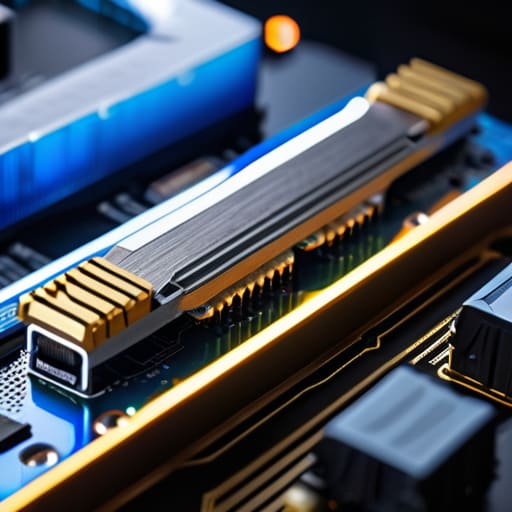
    When we look at the shift from DDR4 to DDR5, it isn’t just about higher numbers on a spec sheet; it’s about how much bandwidth your system can actually handle when the action gets intense. If you are building a fresh rig today, the debate of DDR5 vs DDR4 for gaming often comes down to your long-term roadmap. DDR5 offers significantly higher data rates, which helps mitigate those tiny micro-stutters that can break your immersion during high-frame-rate sessions. However, if you are working with a tight budget, a high-quality DDR4 kit can still deliver a very smooth experience, provided you understand the trade-offs in raw throughput.

    That said, speed isn’t everything. As someone who looks at the psychological flow of a game, I know that even a millisecond of delay can pull you out of “the zone.” This is why you need to pay attention to the CAS latency impact on FPS. While DDR5 provides more lanes for data to travel, its higher latency can sometimes offset those gains if you aren’t careful. Finding that sweet spot—where capacity meets responsiveness—is what truly turns a machine into a precision tool for play.

    Navigating Gaming Pc Memory Requirements With Intention
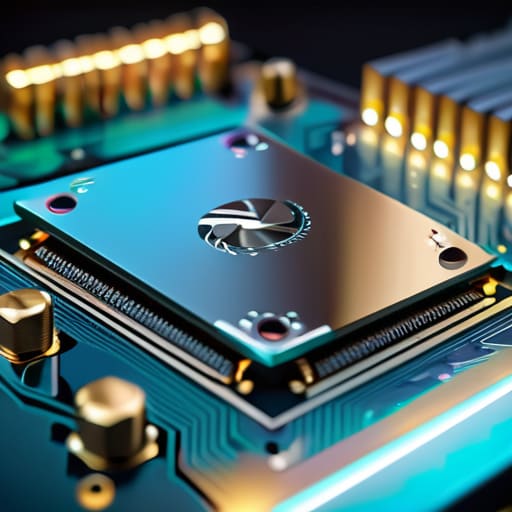
    When I look at the current landscape of hardware, it’s easy to get lost in a sea of spec sheets and marketing jargon. But if we approach our builds with intention, we realize that meeting the standard gaming PC memory requirements isn’t just about checking a box; it’s about creating a stable foundation for your performance. I’ve seen too many players chase the highest numbers only to realize they’ve ignored the actual synergy between their components. It’s not just about capacity—it’s about how that data flows when the pressure is on.

    To truly master your setup, you have to look deeper than just the total gigabytes. You need to consider how the optimal RAM frequency for PC gaming interacts with your specific CPU architecture. If your speeds are too low, you’re essentially putting a governor on your engine, creating micro-stutters that break your concentration during a crucial boss fight. I always tell people to stop viewing memory as a passive component and start seeing it as a dynamic tool for precision. When you align your frequency and timings correctly, you aren’t just playing the game; you’re removing the friction between your intent and the screen.

    Precision Tactics: Five Ways to Optimize Your Memory Setup

    • Don’t chase the highest number just because it’s on the box; focus on finding the sweet spot of latency and frequency that actually stabilizes your frame rates during intense combat.
    • Always buy your RAM in matched kits rather than mixing individual sticks, because consistency in timing is what prevents those micro-stutters that break your flow.
    • Remember that more isn’t always better; while 32GB is becoming the new standard for multitasking, overspending on 64GB won’t give you more skill if your current library doesn’t demand it.
    • Once your hardware is installed, don’t forget to actually enable your XMP or EXPO profile in the BIOS, otherwise you’re leaving significant performance on the table by running at base speeds.
    • Keep an eye on your dual-channel configuration; ensuring your sticks are in the correct slots is a simple mechanical fix that can drastically improve how your CPU communicates with your memory.

    Mastering Your Hardware: Three Pillars of Memory Strategy

    Don’t just chase high numbers; prioritize stability and capacity to ensure your hardware supports your focus rather than fracturing it.

    Choose your RAM generation based on your long-term roadmap, ensuring your current build provides the strategic foundation for future upgrades.

    Treat your memory configuration as a vital component of your system’s ecosystem, where the right balance prevents technical friction from breaking your immersion.

    ## The Cognitive Cost of Latency

    “We often treat RAM as just another line item in a build, but in reality, it’s the foundation of your flow state; when your memory stutters, your ability to master the system breaks along with it.”

    Delia Okonkwo

    Mastering Your Hardware, Mastering the Game
    Mastering Your Hardware, Mastering the Game.

    At the end of the day, selecting your RAM isn’t just about checking boxes on a spec sheet; it’s about ensuring your hardware serves your intent. Whether you’ve decided to invest in the future-proofing of DDR5 or you’re optimizing a reliable DDR4 setup, the goal remains the same: removing the friction between your mind and the machine. We’ve looked at how capacity, speed, and latency work together to create a stable environment, and we’ve discussed how to scale your memory to match your specific gaming ambitions. Don’t let a bottleneck turn a moment of pure flow into a moment of frustration. By choosing your components with deliberate precision, you are setting the stage for a much more seamless experience.

    As I sit here with my tea, watching the glow of my monitor, I’m reminded that the gear we use is simply a tool to facilitate a deeper connection to the worlds we explore. We don’t buy high-performance memory just to see higher numbers in a benchmark; we do it so that when the boss fight reaches its climax, nothing stands in our way but our own skill. Treat your setup as a complex system worth mastering, and you’ll find that the joy of the game increases alongside your technical proficiency. Build with intention, play with purpose, and never stop seeking that perfect synergy between player and platform.

    Frequently Asked Questions

    Is it actually worth the extra investment to jump to DDR5 if I'm playing older titles or indie games that don't seem to push my system?

    If you’re primarily exploring indie gems or revisiting the classics, jumping to DDR5 feels more like an expensive indulgence than a strategic necessity. Those titles aren’t hungry enough to justify the premium. However, I look at it through the lens of longevity. If you’re building a system meant to evolve alongside your library, that investment acts as a buffer. But for now? Stick to DDR4 and put that extra cash toward a better controller or a new indie backlog.

    How much does RAM speed versus RAM capacity actually impact my frame rates during intense, high-action sequences?

    It’s a classic tension between stability and speed. Think of capacity as your workspace; if you run out of room, the whole system stutters and collapses. But speed? Speed is your reaction time. In high-action sequences, higher frequency RAM reduces frame time variance, smoothing out those micro-stutters that break your flow. Capacity keeps the game running, but speed ensures it runs with the precision required to actually master the mechanics.

    If I upgrade my memory now, am I just delaying an inevitable motherboard swap, or can I build a system that grows with me?

    It’s a valid concern, and honestly, it’s about how you view your system’s lifecycle. If you’re on a DDR4 platform, adding more memory is a smart, tactical move to stabilize your current performance. It isn’t a permanent fix, but it buys you breathing room. However, if you want a foundation that evolves alongside your skill and hardware needs, investing in a DDR5-ready motherboard now ensures you aren’t just delaying the inevitable, but building for longevity.


  • Mastering the Mechanics of Soulslike Games

    Mastering the Mechanics of Soulslike Games

    I remember sitting in my dim home office last Tuesday, my lukewarm Earl Grey forgotten on the desk, as I stared at a “YOU DIED” screen for the fourteenth time in an hour. My hands weren’t shaking from fear, but from that specific, exasperating friction that comes when a game feels like it’s cheating rather than challenging. There is a pervasive myth in gaming circles that soulslike difficulty is synonymous with unfairness or mindless punishment, a way to gatekeep “hardcore” status from the uninitiated. But as someone who spent my childhood deciphering the logic of arcade cabinets, I know that true difficulty isn’t about how many times you fail; it’s about the clarity of the lesson learned in that failure.

    I’m not here to give you hollow platitudes about “just trying harder” or to sell you on some overpriced guide of broken builds. Instead, I want to pull back the curtain on the psychological architecture of these games. I promise to share an honest, mechanics-first breakdown of how to read the rhythm of combat and turn frustration into mastery. We aren’t just playing to survive; we are playing to understand the system.

    Table of Contents

    Navigating the Steep Learning Curve in Action Rpgs

    When you first step into these worlds, the sheer weight of the learning curve in action RPGs can feel less like a challenge and more like a wall. It’s easy to feel overwhelmed when a single mistake sends you back to a bonfire, but that’s where the psychology of the genre kicks in. You aren’t just fighting enemies; you are learning a language of animations and timing. I’ve found that the shift happens when you stop treating every encounter as a frantic struggle for survival and start viewing them as rhythmic patterns to be decoded.

    The magic lies in the rewarding failure mechanics that these games employ. Instead of punishing you with a “Game Over” screen that feels hollow, these systems treat every death as a data point. You learn the exact wind-up of a boss’s heavy swing or the precise window for mastering dodge rolls and parries. It’s a cycle of trial, error, and eventual triumph. When you finally land that perfect counter-attack, it isn’t just luck; it’s the tangible result of your own skill progression manifesting in real-time.

    Embracing Rewarding Failure Mechanics as a Path to Growth

    Embracing Rewarding Failure Mechanics as a Path to Growth

    In many ways, these games treat death not as a “Game Over” screen, but as a vital data point. When I’m working on a particularly stubborn boss, I’ve learned to stop viewing a loss as a personal failure and start seeing it as a necessary part of the feedback loop. These rewarding failure mechanics are designed to strip away your ego. They force you to stop relying on luck and instead focus on the granular details—the exact frame a boss winds up an attack or the subtle tell of an incoming strike.

    Once you stop fighting the inevitability of dying, you start to notice how much your internal rhythm changes. It’s about the transition from panic to precision. You begin mastering dodge rolls and parries not through sheer reflexes, but through a calm, almost meditative observation of the enemy’s patterns. This is where the real psychological shift happens. You aren’t just playing a game anymore; you are participating in a deliberate process of refined skill progression, where every mistake is simply an invitation to try a more intelligent approach.

    The Delia Method: Five Strategies for Intentional Mastery

    • Stop the button-mashing reflex. In a Soulslike, every input has a cost. Before you press anything, take a breath and observe the enemy’s rhythm. If you aren’t playing with intention, you’re just providing the boss with free practice.
    • Treat your stamina bar like your most precious resource. It’s easy to get caught up in the adrenaline of a fight and burn through your reserves, but a player with zero stamina is a player waiting to be punished. Manage your breath, and you’ll manage the fight.
    • Study the environment as much as the combat. These games are masterclasses in visual storytelling and level design. Often, the “difficulty” isn’t just the monsters, but the pathing and the traps. Look for the cues the developers left for you; they want you to succeed, even if they make you work for it.
    • Learn to love the “Information Phase.” Every time you die, you haven’t just lost progress; you’ve gained data. Did the boss telegraph a heavy swing with a specific shoulder movement? Did a certain trap trigger when you stepped on a specific tile? Treat every death as a research note for your next attempt.
    • Know when to step back and recalibrate. Sometimes the best way to “play better” is to stop playing for a moment. If you feel your frustration rising, your cognitive ability to analyze mechanics drops. Step away, grab a fresh cup of tea, and come back when you can approach the system with a calm, analytical mind.

    Mastering the Rhythm of the Grind

    Stop viewing death as a setback and start seeing it as data collection; every failed attempt is just another piece of the puzzle being solved.

    Shift your focus from reactive button-mashing to proactive observation, studying enemy patterns until the combat feels less like a struggle and more like a predictable dance.

    Respect the intentionality of the design by playing with patience, understanding that the frustration is often a necessary precursor to the profound satisfaction of a hard-won victory.

    The Psychology of the Struggle

    “The sting of a boss fight isn’t a sign of failure; it’s the friction required to turn mindless button-mashing into intentional mastery. We don’t play these games to win easily; we play them to feel the weight of our own progress.”

    Delia Okonkwo

    The Mastery Within the Struggle

    The Mastery Within the Struggle.

    At its core, the difficulty of a Soulslike isn’t a barrier designed to keep you out; it’s a framework designed to pull you in. We’ve looked at how navigating that steep learning curve requires a shift from reflex to deliberate observation, and how every crushing defeat is actually a vital data point in your evolution as a player. By moving away from mindless button-mashing and instead embracing the mechanics of failure, you transform the experience from a frustrating slog into a sophisticated dance of cause and effect. It is about learning to read the rhythm of the combat and respecting the systems that govern the world.

    Ultimately, I want you to remember that the tension you feel during a boss fight is exactly where the magic happens. When you finally land that perfect parry or dodge a frame-perfect attack, the rush isn’t just about winning; it’s about the profound satisfaction of intentional mastery. Don’t let the daunting difficulty scare you away from the starting line. Instead, approach every level with curiosity and a steady hand. Gaming, especially in these punishing genres, is a lifelong pursuit of skill, and the struggle is precisely what makes the victory worth holding onto.

    Frequently Asked Questions

    How can I tell the difference between a game that is genuinely challenging and one that is just poorly designed or unfair?

    It comes down to agency. A well-designed challenge respects your intelligence; when you die, you should be able to point to a specific mistake—a mistimed roll or a greedy swing—and say, “I see what I did wrong.” If you feel like you’re losing to invisible math, broken hitboxes, or camera angles that actively sabotage you, that isn’t difficulty. That’s just bad engineering. True mastery requires a fair fight.

    Is there a specific mental framework I should use to stay calm when I feel myself getting frustrated during a boss fight?

    When the adrenaline spikes and your hands start to shake, I recommend shifting from a reactive mindset to an observational one. Stop treating the boss as an enemy to be defeated and start treating it as a pattern to be decoded. Ask yourself: “What specific move just caught me?” By turning the fight into a data-collection exercise, you detach your ego from the loss. It’s much harder to stay frustrated when you’re busy being a student.

    At what point does "playing with intention" turn into unnecessary grinding, and how do I find that balance?

    Grinding becomes a trap when you stop analyzing the combat and start just repeating motions to see a number go up. If you’re killing the same mob for the tenth time without learning a new dodge timing or parry window, you’ve lost your intention. That’s mindless consumption, not mastery. If the loop feels hollow, step back. Re-evaluate your build or your strategy instead of just throwing more hours at the problem.

  • Ways to Build a Professional Competitive Mindset

    Ways to Build a Professional Competitive Mindset

    I remember sitting in my dimly lit home office last Tuesday, nursing a cup of lukewarm Earl Grey, watching a pro-player lose a championship because they simply cracked. It wasn’t a lack of mechanical skill or a bad internet connection; it was a total collapse of their internal architecture. Most people think developing an esports mentality requires expensive coaching sessions or high-tech biofeedback sensors, but that’s just marketing fluff designed to separate you from your money. In reality, the mental game isn’t about flashy psychological hacks; it’s about how you handle the quiet, crushing weight of a losing streak when no one is watching.

    I’m not here to sell you on some overnight transformation or a “winner’s mindset” checklist. Instead, I want to pull back the curtain on the actual cognitive systems that separate the players who tilt from those who master the machine. We are going to strip away the hype and focus on the practical, grounded ways you can build mental resilience and intentionality into your play. My promise to you is simple: no fluff, just honest, experience-based insights to help you navigate the psychological complexities of high-stakes gaming.

    Table of Contents

    Mastering the Psychology of Professional Gaming

    Mastering the Psychology of Professional Gaming.

    When we peel back the layers of high-level play, we find that the difference between a good player and a champion isn’t just mechanical speed; it’s the ability to manage the internal storm. The psychology of professional gaming is less about the pixels on the screen and more about the person behind the controller. I’ve spent years studying how stress impacts cognitive function, and in a competitive setting, your brain is your most volatile piece of hardware. If you can’t manage your adrenaline, you’re essentially playing with a broken input device.

    This is where emotional regulation in gaming becomes a non-negotiable skill. It’s easy to stay composed when you’re winning, but true mastery is found in how you react to a devastating loss or a sudden tilt. You have to develop a way to reset your mental state in real-time. I often think of it like restoring a vintage handheld: you can’t just force the components to work; you have to understand the underlying system and maintain its stability. If you want to compete at the highest level, you must learn to quiet the noise and maintain focus when the stakes are at their peak.

    Building Cognitive Endurance for Sustained Excellence

    Building Cognitive Endurance for Sustained Excellence.

    Most players think the battle is won in the first ten minutes, but the real war is fought in the fourth hour. When your eyes start to glaze and your reaction times dip, you aren’t just fighting an opponent; you’re fighting your own biology. Developing cognitive endurance for gamers isn’t about caffeine or sheer willpower; it’s about training your brain to maintain high-level decision-making under prolonged stress. If you treat your gaming sessions like a sprint rather than a marathon, you’ll find yourself making catastrophic errors just when the stakes are highest.

    To sustain this level of focus, you have to view mental fatigue as a technical variable, much like frame data or ping. This requires intentional emotional regulation in gaming to prevent the “tilt” that often follows a period of intense concentration. I’ve found that treating my breaks as active recovery—stepping away from the screen to reset my sensory input—is far more effective than simply powering through. True mastery means learning how to manage your mental energy so that your skill level remains consistent from the first round to the final, decisive map.

    Five Mental Frameworks for Intentional Play

    • Stop chasing the “flow state” and start building the discipline to enter it. You can’t wait for inspiration to strike mid-match; you have to cultivate the mental habits that make focus an inevitability rather than a lucky accident.
    • Treat every loss as a data point, not a personal failure. When I’m restoring a vintage handheld, a broken circuit isn’t a reason to quit—it’s a puzzle to solve. Apply that same clinical detachment to your gameplay; analyze the mechanic that failed you instead of spiraling into frustration.
    • Deconstruct your “tilt” before it deconstructs your rank. Recognize the physical cues—the tightened jaw, the shallow breathing—that signal you’re losing emotional control. Once you name the feeling, you reclaim the power to override the impulse to play recklessly.
    • Practice “active observation” even when you aren’t playing. Watch high-level matches not just to see the flashy plays, but to understand the decision-making architecture behind them. You need to see the ‘why’ behind the ‘what’ to truly master the system.
    • Respect your cognitive limits by scheduling intentional downtime. Your brain isn’t a machine, and even the most sophisticated hardware needs to cool down. If you’re playing through mental fatigue, you aren’t practicing; you’re just reinforcing bad habits.

    The Blueprint for Intentional Play

    Stop treating every match like a mindless grind; true mastery comes from analyzing the “why” behind your failures rather than just resetting the queue.

    Treat your mental stamina like a finite resource, much like a battery in one of my vintage handhelds—if you don’t manage your cognitive load, you’ll hit a wall long before the final round.

    Shift your focus from raw mechanical reflex to systemic understanding, because a player who understands the game’s underlying architecture will always outlast a player who only relies on twitch skills.

    The Difference Between Playing and Mastering

    “Competitive gaming isn’t just about how fast your fingers can move; it’s about how much control you have over the chaos in your own mind when the pressure hits.”

    Delia Okonkwo

    The Path Forward

    Mastering esports discipline: The Path Forward.

    At the end of the day, mastering an esports mentality isn’t about achieving a state of constant, flawless execution; it’s about how you navigate the inevitable friction of a match. We’ve looked at how psychological resilience allows you to weather a losing streak and how cognitive endurance keeps your decision-making sharp when the fatigue sets in. It’s a delicate balance of understanding your own mental architecture and learning to regulate your responses when the pressure mounts. If you can move past the habit of mindless clicking and start approaching every match as a study of systems and self-control, you aren’t just playing a game anymore—you are mastering a discipline.

    As I sit here with my lukewarm tea, watching the glow of my monitor, I’m reminded that the most significant victories often happen long before the final boss or the match point. They happen in those quiet moments of self-reflection when you choose curiosity over frustration. Whether you are climbing the ranked ladder or just playing for the sheer love of the mechanics, remember that your growth is a marathon, not a sprint. Don’t let a bad session convince you that you’ve hit a ceiling. Instead, play with intention, embrace the complexity, and let every setback be the data you need to build a stronger, more focused version of yourself.

    Frequently Asked Questions

    How do I stop my brain from spiraling into "tilt" after a particularly frustrating loss?

    When you feel that heat rising in your chest after a loss, your prefrontal cortex is essentially offline. You’re operating on pure, reactive emotion. The moment you realize you’re spiraling, step away. Don’t try to “win it back” immediately; that’s how you cement a losing streak. Grab your tea, breathe, and treat the tilt as data. Ask yourself: was it a mechanical error or a lapse in judgment? Analyze the system, don’t punish yourself.

    Can I actually train my cognitive endurance, or is some people's mental stamina just hardwired?

    It’s a common misconception that mental stamina is a fixed trait. While some people might have a slightly higher baseline for focus, cognitive endurance is much more like a muscle than a hardwired circuit. You can absolutely train it. It’s about incremental exposure—gradually increasing your session length or complexity without hitting total burnout. Think of it as conditioning; you’re teaching your brain to manage fatigue rather than just trying to power through it.

    How do I balance the intense, intentional focus required for high-level play with the need to actually enjoy the game again?

    It’s the classic paradox of the dedicated player: the moment you turn a passion into a discipline, you risk losing the spark that started it all. To fix this, you have to treat “play” as a distinct state from “practice.” When you’re practicing, you’re dissecting mechanics; when you’re playing for joy, you must intentionally silence that inner analyst. Don’t let the pursuit of mastery turn your hobby into a second job.

  • What It Takes to Go Professional in Esports

    What It Takes to Go Professional in Esports

    I remember sitting in my dim living room in the late 90s, the hum of a CRT monitor providing the only soundtrack to my weekend, thinking that “getting good” just meant playing more hours. Today, the conversation around esports professionalization has shifted from raw talent to a dizzying, expensive blur of high-performance centers, specialized nutritionists, and massive corporate sponsorships. There is a growing myth that you need a million-dollar infrastructure to be considered a “pro,” but that’s just noise designed to sell coaching packages. To me, professionalization isn’t about how much capital is poured into a team; it’s about the psychological shift from playing for dopamine to playing for mastery.

    I’m not here to sell you on the glitz of the stadium lights or the hype of the massive orgs. Instead, I want to strip away the fluff and look at the actual mechanics of how a player evolves from a hobbyist into a disciplined professional. We are going to dive into the intentional systems—the mental frameworks and deliberate practice habits—that actually move the needle. My promise is simple: no industry jargon, no empty promises, just a direct look at how you can approach the game with the precision of a professional.

    Table of Contents

    Building a Robust Professional Gaming Infrastructure

    Building a Robust Professional Gaming Infrastructure.

    You can’t build a skyscraper on a foundation of sand, and the same logic applies to the competitive scene. For too long, we’ve treated rising stars like they were invincible, expecting them to perform through sheer grit alone. But if we want to see true growth, we have to move toward a sophisticated professional gaming infrastructure that supports the person, not just the player. This means moving beyond high-speed internet and ergonomic chairs to include structured training schedules and data-driven analysis.

    It isn’t just about hardware, though. To sustain a career that lasts longer than a single season, we need to integrate esports coaching methodologies that focus on cognitive load and decision-making patterns. We also can’t ignore the psychological toll of constant high-stakes play; prioritizing esports athlete mental health is the only way to ensure we aren’t just burning through talent like disposable fuel. If we want a stable ecosystem, we have to stop treating players like machines and start treating them like the high-performance professionals they actually are.

    Optimizing Gaming Performance Through Intentionality

    Optimizing Gaming Performance Through Intentionality photograph.

    Optimizing Gaming Performance Through Intentionality

    Most players approach a match as a series of reactive impulses, reacting to what’s on the screen rather than anticipating what’s coming next. If you want to move beyond the plateau, you have to shift your focus toward gaming performance optimization that goes deeper than just high refresh rates or better peripherals. It’s about the cognitive architecture behind your clicks. I’ve spent years looking at how we process stress and patterns, and I can tell you that true mastery comes when you stop playing the game and start playing the system. This requires a disciplined approach to VOD review and deliberate practice—analyzing not just where you failed, but why your mental model of the game broke down in that specific moment.

    This level of intentionality is also the only way to ensure long-term success. We often see young talents burn out because they treat their bodies and minds like disposable hardware. By integrating structured esports coaching methodologies that prioritize cognitive load management and recovery, players can avoid the trap of mindless grinding. When you treat your training as a deliberate psychological exercise rather than a marathon of repetition, you aren’t just playing better; you are building the foundation for a sustainable career.

    Moving Beyond the Click: 5 Pillars of the Professional Mindset

    • Treat your setup like a workstation, not a toy; professionalization starts with an environment designed for focus, where ergonomic stability and hardware reliability are non-negotiable.
    • Replace mindless grinding with deliberate practice; stop playing for hours just to “feel” the game and start drilling specific mechanics with a clear, measurable objective in mind.
    • Build a mental toolkit for tilt management; since I study psychology, I can tell you that a pro isn’t someone who never gets frustrated, but someone who has a system to reset their nervous system after a loss.
    • Study the meta as a scholar, not a consumer; don’t just follow the trends—analyze the underlying mathematical systems and patch notes to understand why the landscape is shifting before everyone else does.
    • Prioritize cognitive recovery; you cannot master complex systems if your brain is running on empty, so treat sleep and downtime as active components of your training regimen rather than absences from it.

    The Path to Intentional Mastery

    Move beyond the mindless grind by treating every match as a data point; professionalization isn’t about playing more hours, but about analyzing the systems you’re interacting with.

    True performance requires a structural foundation, meaning you need to invest as much in your physical and mental infrastructure as you do in your hardware.

    Shift your mindset from consumer to practitioner, recognizing that high-level play is a disciplined pursuit of skill rather than just a high-stakes hobby.

    Moving Beyond the Click

    Professionalization isn’t about turning a hobby into a chore; it’s about transitioning from a player who reacts to a player who understands the architecture of the game. We have to stop treating esports like a high-speed reflex test and start treating it like the complex, systemic discipline it actually is.

    Delia Okonkwo

    The Path Toward Intentional Mastery

    The Path Toward Intentional Mastery in esports.

    At the end of the day, professionalizing esports isn’t just about securing massive sponsorships or building high-tech training facilities; it’s about the fundamental shift from playing for fun to playing with purpose. We’ve looked at how infrastructure provides the skeleton, but it is the mental framework of intentionality that provides the soul. When we stop viewing gaming as a series of mindless button presses and start seeing it as a complex system of variables to be mastered, the entire landscape changes. Whether you are an organization building a team or a solo player looking to climb the ranks, the goal remains the same: moving beyond the grind to find the underlying mechanics that drive true excellence.

    As I sit here with my tea, watching the industry evolve, I’m reminded that the most successful players aren’t just the ones with the fastest reflexes, but the ones with the most disciplined minds. Professionalization is a journey, not a destination, and it requires us to respect the depth of the medium we love. Don’t just play to win; play to understand. If you can cultivate that sense of deliberate practice, you won’t just be a participant in the esports era—you will be a master of it. The systems are waiting for you; it’s time to start engaging with them on a deeper level.

    Frequently Asked Questions

    How can independent players transition from casual, high-level play to a structured professional environment without losing the joy of the game?

    The transition feels heavy because we often mistake “professional” for “robotic.” To avoid burnout, you have to bridge the gap between discipline and play. Start by treating your practice sessions like a technical writer treats a draft: intentional, structured, and focused on specific systems. But when the timer stops, step back. Keep your “why” visible—whether it’s the thrill of a perfect combo or the mechanics of a complex map. If you lose the curiosity, you’ve lost the game.

    What specific psychological tools can players use to manage the burnout that often comes with the intense intentionality required for pro-level systems?

    To manage the mental tax of hyper-intentionality, you need to employ cognitive reframing and deliberate detachment. When the grind feels heavy, stop viewing fatigue as a failure of discipline and start seeing it as a data point—your brain signaling a need for systemic reset. I recommend practicing “compartmentalized rest”: actively stepping away from the screen to engage in low-dopamine activities. This prevents the burnout that comes from constant, high-stakes cognitive load.

    As the infrastructure around esports grows, how do we ensure that the focus remains on genuine skill mastery rather than just commercial scalability?

    We have to be careful not to let the pursuit of viewership turn players into mere content creators. When scalability becomes the only metric, the depth of the game often suffers. To prevent this, our community must continue to prioritize high-level mechanical analysis and strategic nuance over flashy, high-octane moments that only serve an algorithm. We protect the soul of esports by valuing the quiet, disciplined mastery of a system as much as the roar of the crowd.

  • Examining the Relationship Between Gaming and Mental Health

    Examining the Relationship Between Gaming and Mental Health

    I remember sitting on my bedroom floor in 1988, the low hum of a CRT television warming the air while I gripped a controller with sweaty palms, trying to navigate a level that felt impossible. Back then, nobody was talking about the psychological feedback loops or the dopamine hits; we were just kids trying to beat the high score. Today, the conversation around gaming and mental health has become so cluttered with clinical jargon and “wellness” buzzwords that we’ve lost sight of the actual experience. People act like gaming is either a mindless addiction or a magical cure-all, but they’re missing the nuance of how these complex systems actually interface with our brains.

    I’m not here to sell you on some utopian fantasy or lecture you with academic fluff. My goal is to strip away the noise and look at how we can use these digital landscapes to build genuine resilience. I want to show you how to transition from passive consumption to intentional play, using the mechanics of the games you love to sharpen your focus and manage stress. We aren’t just killing time; we are learning to master the mind through the medium of play.

    Table of Contents

    The Positive Psychological Impact of Gaming as a Skill

    The Positive Psychological Impact of Gaming as a Skill

    When we look past the surface-level distractions, we find that games act as a sophisticated training ground for the brain. It isn’t just about high scores; it’s about the way our minds adapt to complex, shifting variables. This is where neuroplasticity and gaming intersect in a truly fascinating way. As we navigate intricate level designs or manage resource scarcity, we aren’t just reacting—we are building new neural pathways. We are teaching our brains to remain calm under pressure and to approach problems with a structured, analytical mindset rather than a panicked one.

    I’ve often found that the difference between mindless scrolling and purposeful play lies in the sense of agency. In a game, your actions have direct, predictable consequences, which can be incredibly grounding. When you engage in mindful gaming practices—treating each encounter as a puzzle to be solved rather than a reflex to be triggered—you start to see a shift in your cognitive resilience. This isn’t about escaping reality, but about refining the very mental tools we need to navigate it.

    Video Games and Anxiety Management via Mindful Gaming Practices

    Video Games and Anxiety Management via Mindful Gaming Practices.

    When my anxiety starts to spike, I’ve noticed that my instinct is often to reach for a controller, but the way I play makes all the difference. There is a massive distinction between using a game to escape reality and using it to regulate your nervous system. If you’re just mindlessly grinding to numb the noise, you aren’t actually managing anything. However, when you lean into mindful gaming practices, you can transform a session into a form of active meditation. By focusing intensely on a complex mechanic or the rhythmic flow of a puzzle, you’re essentially practicing a high-stakes version of grounding techniques.

    This isn’t about losing yourself in a digital void; it’s about leveraging the cognitive load to quiet the mental chatter. When I’m deep in a strategy game, the precision required forces my brain to prioritize the present moment over future-based worries. This is where the real magic of video games and anxiety management happens—not in the distraction, but in the intentional engagement with the system. You aren’t running away; you’re training your brain to find focus amidst the chaos.

    Practical Strategies for Building a Healthier Relationship with Your Controller

    • Audit your emotional baseline before you hit start; if you’re already redlining from a stressful workday, don’t dive into a high-stakes competitive match that will only spike your cortisol further.
    • Set physical boundaries that mirror your mental ones, like using a timer to prevent “flow state” from turning into mindless exhaustion, ensuring you step away before the dopamine crash hits.
    • Curate your social environment by muting toxic players and seeking out communities that prioritize growth and camaraderie over mindless aggression, protecting your headspace from unnecessary friction.
    • Practice “post-game reflection” to deconstruct your wins and losses, treating a frustrating defeat as a data point for skill acquisition rather than a personal failure or a reason to spiral.
    • Diversify your library to include different cognitive loads, balancing high-intensity mechanical challenges with low-stakes, meditative experiences to keep your brain engaged without burning out.

    The Bottom Line: Playing with Purpose

    Stop treating games as mindless escapes; when you approach them as systems to be mastered, you transform passive consumption into active cognitive training.

    Use gaming as a controlled sandbox for emotional regulation, leveraging the mechanics of high-stakes play to build real-world resilience against anxiety.

    Prioritize intentionality over duration—the mental benefits lie in how deeply you engage with the challenge, not just how many hours you spend staring at the screen.

    The Cognitive Shift

    We need to stop viewing gaming as a mere escape from reality and start seeing it for what it actually is: a controlled environment where we can practice resilience, sharpen our focus, and rebuild our sense of agency one mechanic at a time.

    Delia Okonkwo

    Beyond the Controller

    Mindful gaming: Beyond the Controller.

    At the end of the day, the relationship between our minds and our consoles isn’t about choosing one over the other. We’ve looked at how gaming can serve as a structured way to build cognitive resilience and how mindful engagement can act as a powerful tool for managing anxiety. It isn’t about whether you play or not; it’s about how you play. When we stop treating games as mere escapism and start viewing them as systems that require our presence and focus, we transform a simple hobby into a deliberate practice for mental well-being.

    As I sit here with my tea, watching the light fade on a vintage handheld, I’m reminded that our capacity to learn and adapt doesn’t expire with age or stress. Whether you are navigating a complex RPG or just trying to find a moment of peace in a puzzle game, remember that you are the architect of your own experience. Don’t just let the levels pass you by; lean into the challenge, find the rhythm, and play with intention. The goal isn’t just to finish the game, but to master the mindset that stays with you long after the screen goes dark.

    Frequently Asked Questions

    How can I tell the difference between healthy, intentional play and using games as a way to avoid dealing with real-world stress?

    It comes down to how you feel when you finally put the controller down. If you’re stepping away feeling recharged, focused, or even a little proud of a skill you’ve sharpened, that’s intentional play. But if you’re shutting the console off feeling heavy, numb, or like you’ve just been running from a deadline, you’re likely using the game as a buffer. Ask yourself: am I playing to grow, or just to disappear?

    Are there specific types of game mechanics—like high-intensity combat versus slow-paced puzzles—that are better suited for managing different emotional states?

    It really depends on what your nervous system is asking for in the moment. If you’re feeling lethargic or stuck in a mental fog, high-intensity combat can act like a cognitive jumpstart, forcing focus and adrenaline. But if you’re already spiraling or overstimulated, that’s when I reach for a slow-paced puzzle game. Those mechanics allow you to regulate your breathing and practice patience, turning a chaotic headspace into a structured, solvable problem.

    How do I prevent the "flow state" from turning into a compulsive loop that negatively impacts my sleep or daily responsibilities?

    The trick is to treat your gaming sessions like any other technical project: you need a hard stop. When you’re deep in a flow state, your brain is marinating in dopamine, making it easy to ignore the clock. I use external cues—a loud, obnoxious timer or a scheduled wind-down period—to break the trance. Don’t wait for a natural pause; create one. Protecting your sleep is just another way of mastering the game.

  • How to Maintain Healthy Posture While Gaming

    How to Maintain Healthy Posture While Gaming

    I remember sitting hunched over a flickering CRT monitor in my childhood bedroom, convinced that if I just leaned in closer, I could somehow merge with the game. Back then, I didn’t realize that my body was paying a silent tax for every hour spent in that position. Now, as I sit with my lukewarm Earl Grey, I see so many people falling for the marketing trap of “ergonomic” chairs that cost more than a used car but offer nothing but fancy stitching. We’ve been told that perfect gaming posture is something you can buy in a box, when in reality, it’s a discipline you have to cultivate.

    I’m not here to sell you on a thousand-dollar throne or give you a lecture filled with clinical jargon. Instead, I want to share what I’ve learned from decades of playing—and the physical toll that comes when you ignore the mechanics of your own body. I’m going to show you how to treat your physical form with the same intentionality you bring to a difficult boss fight. We are going to focus on practical, sustainable adjustments that keep you in the game longer, without the unnecessary hype.

    Table of Contents

    Optimizing Your Ergonomic Gaming Station Setup

    Optimizing Your Ergonomic Gaming Station Setup.

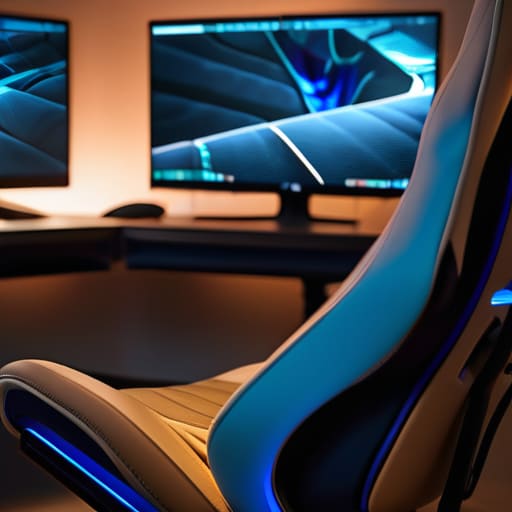
    Setting up a space for long-term play isn’t about buying the most expensive RGB-lit chair on the market; it’s about understanding the geometry of your body. When I’m deep into a technical manual or a complex strategy game, I’ve learned that my focus evaporates the moment my physical comfort falters. To avoid this, you need a deliberate ergonomic gaming station setup that respects your natural alignment. Start with your eyes: if you’re constantly tilting your chin down to see the screen, you’re begging for trouble. Aim for an optimal monitor height for gaming where the top third of the screen sits at eye level, keeping your spine neutral and your gaze steady.

    Next, let’s talk about the foundation. If you’re sitting on a kitchen chair or a sofa, you’re essentially playing against your own anatomy. I always insist on using a dedicated cushion or a chair that provides firm lumbar support for long sessions to maintain the natural curve of your lower back. Your elbows should rest at a 90-degree angle, not perched on high armrests that force your shoulders upward. When your environment is tuned to your physical needs, you stop fighting your furniture and start focusing entirely on the mechanics of the game.

    Finding Lumbar Support for Long Sessions

    Finding Lumbar Support for Long Sessions.

    When I’m deep into a complex strategy game or troubleshooting a vintage handheld, I often realize I’ve been leaning forward for an hour straight. That slight slouch might feel fine in the moment, but it puts immense pressure on the lower spine. Finding reliable lumbar support for long sessions isn’t just about comfort; it’s about maintaining the natural curve of your back so you aren’t paying for your session with chronic aches later.

    If your current chair feels like a bucket seat that offers no structural integrity, don’t feel like you have to drop hundreds on a high-end racing chair. Sometimes, a simple memory foam cushion or even a rolled-up towel placed at the small of your back can make a world of difference. The goal is to bridge that gap between your spine and the chair back. By stabilizing your lower half, you actually find it much easier to keep your head aligned, which is a crucial component of preventing gamer neck pain as the night progresses. It’s all about creating a foundation that allows you to focus on the mechanics, not your discomfort.

    Beyond the Chair: Five Habits to Protect Your Physical Form

    • Stop the “Gamer Lean.” It’s tempting to hunch forward when a boss fight gets intense, but that constant tension in your upper back is a recipe for long-term strain. Try to keep your spine neutral, even when the adrenaline kicks in.
    • The 20-20-20 Rule for Eye Strain. My psychology background tells me how much mental fatigue stems from sensory overload. Every 20 minutes, look at something 20 feet away for at least 20 seconds. It resets your focus and keeps your eyes from feeling like sandpaper.
    • Mind Your Wrist Angles. If you’re playing with a controller or a mouse, avoid bending your wrists upward or downward. Aim for a straight line from your forearm to your hand. I’ve seen too many people sacrifice their dexterity for a “comfortable” grip that actually kills their performance.
    • Incorporate Micro-Stretches. You don’t need a full yoga session, but every hour, take sixty seconds to roll your shoulders and stretch your neck. Think of it as a system reboot for your body; it clears the physical “lag” that accumulates during long sessions.
    • Match Your Screen Height to Your Eye Line. If you’re looking down at a monitor or a handheld, you’re putting immense pressure on your cervical spine. Your eyes should hit the top third of the screen so your head stays upright, not tucked into your chest.

    The Intentional Player’s Checklist

    Treat your physical setup as an extension of your game mechanics; if your body is uncomfortable, your cognitive focus will inevitably slip.

    Don’t wait for pain to become a distraction—proactive adjustments to your posture and lumbar support are essential for maintaining long-term skill.

    Mastery requires more than just mental acuity; it requires the physical discipline to maintain an ergonomic environment that supports your playstyle.

    The Mind-Body Connection in Mastery

    We often obsess over frame rates and input latency, yet we completely neglect the most critical hardware in our setup: our own bodies. If you aren’t treating your posture with the same precision you bring to a complex game mechanic, you aren’t playing with intention—you’re just waiting for your physical limitations to hold you back.

    Delia Okonkwo

    The Long Game: Investing in Your Future Self

    The Long Game: Investing in Your Future Self.

    At the end of the day, mastering your posture isn’t about following a rigid set of rules or buying the most expensive ergonomic chair on the market. It is about the cumulative effect of the small, intentional choices you make every time you sit down to play. From fine-tuning your monitor height to ensuring your spine has the proper lumbar support, these adjustments are the foundation of a sustainable hobby. If you neglect the physical mechanics of your body, you are essentially building your skill on a shaky foundation. By treating your setup with the same analytical precision you apply to a difficult boss fight or a complex game system, you ensure that your physical form remains an asset rather than a liability.

    I’ve spent decades watching the gaming landscape shift from pixelated sprites to hyper-realistic worlds, and if there is one thing I’ve learned, it’s that our bodies need to evolve alongside the technology. Gaming is a lifelong pursuit, and I want you to be able to enjoy it just as much twenty years from now as you do today. Don’t just play for the immediate dopamine hit; play with the intent to endure. When you respect your physical limits and optimize your environment, you aren’t just avoiding aches and pains—you are protecting your ability to explore every world, every mechanic, and every challenge that lies ahead.

    Frequently Asked Questions

    How can I tell if my current discomfort is just temporary fatigue or a sign of actual repetitive strain injury?

    It’s a fine line, and honestly, one I’ve had to learn the hard way. Fatigue usually feels like a dull heaviness that vanishes after a good stretch or a night’s sleep. But if that ache turns into a sharp, localized sting—or if you notice tingling and numbness in your hands—that’s your body sounding an alarm. Don’t mistake persistent, radiating pain for mere tiredness; that’s often the precursor to a real injury.

    Are there specific stretches I can do mid-session that won't break my focus or flow state?

    The key is “micro-stretching”—movements so subtle they don’t pull you out of the zone. While you’re waiting for a match to load or a checkpoint to trigger, try some seated spinal twists or simple wrist rotations. Even just a quick neck tilt to each side can reset your tension. I find that if I keep my eyes on the screen and move rhythmically, I can maintain my flow state while preventing that dreaded mid-session stiffness.

    Is it worth investing in high-end ergonomic gear, or can I achieve the same results with more affordable, DIY adjustments to my existing setup?

    Look, I get the temptation to drop a massive paycheck on a high-end throne, but you don’t need a thousand-dollar chair to play with intention. If your current setup is solid, start with DIY adjustments—a rolled-up towel for lumbar support or a footrest made from old books can work wonders. Invest in the “big” stuff only when your body tells you your current gear has reached its limit. Master your space, not your budget.

  • Managing Temperatures in a Gaming Pc

    Managing Temperatures in a Gaming Pc

    I still remember the smell of ozone and scorched plastic from my first attempt at restoring a handheld from the mid-90s; it’s a scent that stays with you, a visceral reminder of what happens when hardware is pushed too far. Most people treat thermal management as an afterthought, something to worry about only when their frame rates start tanking or their fans begin sounding like a jet engine. But if you’re serious about longevity, you need to realize that cooling systems aren’t just about preventing a crash—they are the silent guardians of your hardware’s cognitive integrity.

    I’m not here to sell you on overpriced, RGB-lit gimmicks that promise miracles while doing nothing but adding noise to your setup. Instead, I want to pull back the curtain on the actual mechanics of heat dissipation and how you can optimize your environment without breaking the bank. My goal is to provide you with a no-nonsense roadmap for maintaining thermal stability, ensuring that your gear remains a reliable tool for mastery rather than a temperamental liability.

    Table of Contents

    Optimizing Heatsink Efficiency for Peak Performance

    Optimizing Heatsink Efficiency for Peak Performance.

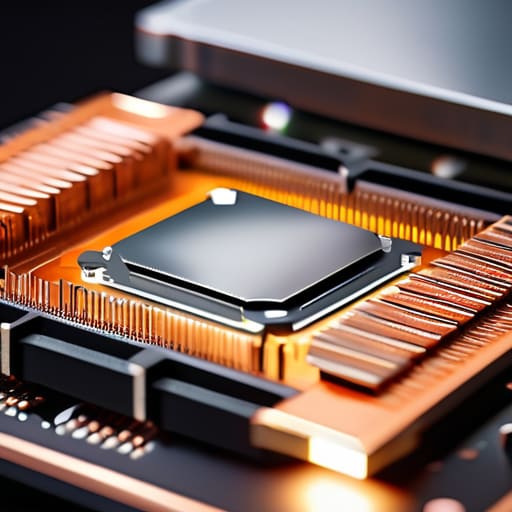
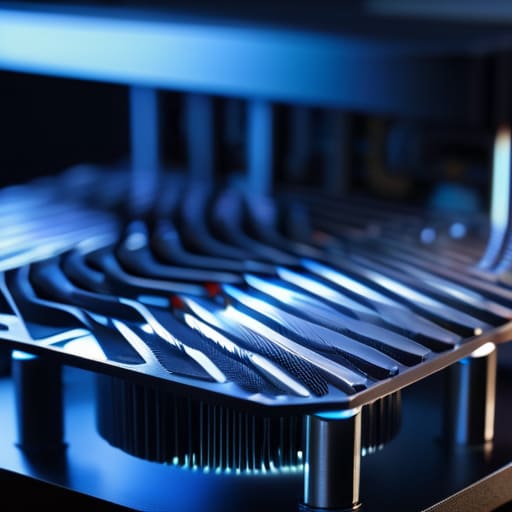
    When we talk about keeping a system stable, we have to look past the fans and focus on the actual physics of heat transfer. It isn’t enough to just have a big block of metal; you need to maximize heatsink efficiency by ensuring the interface between the chip and the metal is flawless. I’ve spent many late nights restoring old handhelds where a tiny air gap or dried-out paste meant the difference between a smooth session and a hard crash. If your thermal paste application is uneven, you’re essentially fighting a losing battle against physics from the moment you hit the power button.

    Beyond the contact point, understanding the nuances of convection vs conduction cooling changes how you approach your build. It’s a delicate balance: you want high thermal conductivity to pull heat away from the source, but you also need directed airflow to move that heat out of the chassis. I often find that players focus too much on expensive hardware while neglecting fan speed optimization. You don’t always need a jet engine’s worth of noise; sometimes, a smarter, more deliberate airflow pattern is what actually preserves your hardware’s longevity.

    The Strategy of Thermal Management Solutions

    The Strategy of Thermal Management Solutions explained.

    When we look at thermal management solutions, we have to move past the idea that more fans automatically equals better results. It’s a common mistake to think that simply cranking the volume on your hardware will solve everything, but that’s a recipe for nothing more than a loud, inefficient rig. To truly master your setup, you need to understand the interplay between convection vs conduction cooling. It isn’t just about moving air; it’s about how effectively that heat is being pulled away from the source and transferred into the flow.

    I’ve spent many late nights tinkering with vintage handhelds, and the lesson is always the same: efficiency is about the path of least resistance. In a modern build, this means paying close attention to thermal conductivity and how your materials actually behave under load. If your thermal paste is subpar or your mounting pressure is uneven, even the most expensive setup will struggle. Instead of chasing raw power, I prefer to focus on fan speed optimization. Finding that sweet spot where you maintain stable computer component temperature control without turning your desk into a jet engine is where the real skill lies.

    The Maintenance Ritual: 5 Practical Steps for Thermal Stability

    • Stop treating your PC like a sealed vault; dust is the silent killer of frame rates, so make regular airflow inspections part of your monthly routine.
    • Don’t get stingy with thermal paste; applying too much is just as messy and ineffective as too little, so aim for a precise, pea-sized application to ensure a clean bond.
    • Map your airflow like a strategy guide—ensure you have a clear path of intake and exhaust to prevent hot air from just swirling around your components in a useless loop.
    • Listen to your hardware; if your fans are ramping up to a frantic whine during a simple session, it’s a psychological cue from your rig that your thermal management is failing.
    • Manage your cable clutter with intention; a mess of wires isn’t just an eyesore, it’s a physical barrier to the efficient air circulation your high-performance components demand.

    The Core Principles of Thermal Mastery

    Treat your cooling setup as a core game mechanic; a stable thermal environment is the foundation that allows your hardware—and your skill—to perform without throttling.

    Move beyond a “set it and forget it” mindset by regularly auditing your airflow and heatsink integrity to ensure your system remains as responsive as your reflexes.

    Balance raw power with intentional design, recognizing that the most efficient cooling solution is one that optimizes performance without sacrificing the quiet focus required for deep play.

    The Psychology of Thermal Stability

    We often obsess over frame rates and input latency, but we forget that a system struggling against its own heat is a system losing its composure; true mastery requires building a foundation where your hardware can breathe as freely as your strategy.

    Delia Okonkwo

    Final Thoughts on Thermal Stability

    Final Thoughts on Thermal Stability for performance.

    At the end of the day, managing your system’s temperature isn’t just about preventing a hardware meltdown; it’s about protecting your ability to focus. We’ve looked at how optimizing heatsink efficiency and selecting the right thermal management strategy can fundamentally change your experience. When you stop worrying about thermal throttling or sudden frame drops, you stop fighting your hardware and start mastering the game. A stable system provides the consistent environment necessary for the kind of deep, intentional play I strive for in every session. Don’t treat your cooling setup as an afterthought—treat it as a foundational component of your performance architecture.

    As I sit here with my tea, watching the steady fans of my current rig, I’m reminded that the best way to enjoy our hobby is to respect the tools that make it possible. Whether you are restoring a vintage handheld or building a high-end desktop, the goal remains the same: longevity and reliability. Gaming is a lifelong pursuit, and we want our gear to last long enough to see us evolve alongside it. Take the time to tune your systems, invest in quality cooling, and play with intention. When your hardware is running cool, your mind is free to do what it does best: conquer the challenge.

    Frequently Asked Questions

    How do I know if my current thermal paste has degraded enough to actually impact my frame rates?

    It’s easy to get lost in the data, but you have to look for the physical symptoms. If you notice your fans ramping up to a frantic whine during relatively light tasks, or if you see sudden, jagged spikes in your temperature telemetry that don’t align with heavy GPU loads, that’s your system struggling. When thermal throttling kicks in, your clock speeds drop to prevent damage, and that’s exactly when those frustrating frame rate stutters begin.

    Is the extra noise from a high-performance fan setup worth the trade-off in concentration during intense sessions?

    It’s a classic trade-off between hardware stability and cognitive flow. From a psychological standpoint, sudden spikes in decibels can break your concentration, much like a sudden boss phase shift. If you’re playing something that requires intense focus, I’d suggest investing in high-quality noise-canceling headphones. It allows you to maintain a controlled auditory environment, letting the fans do their job in the background while you stay locked into the game’s rhythm.

    At what point does upgrading my cooling architecture become a better investment than just buying a new GPU?

    It’s a classic cost-benefit puzzle. If your current GPU is thermal throttling—meaning your frame rates tank the moment the fans kick in—upgrading your cooling architecture is a smart, surgical strike to reclaim lost performance. However, if your card is two generations old and struggling with modern shaders, no amount of premium thermal paste or liquid cooling will bridge that architectural gap. Invest in cooling when you’re fighting heat; invest in a new GPU when you’re fighting obsolescence.

  • Understanding Learning Curves in Complex Games

    Understanding Learning Curves in Complex Games

    I remember sitting on my bedroom floor in 1988, the glow of a heavy CRT television washing over me, staring at a “Game Over” screen that felt less like a challenge and more like a personal insult. I’d spent three hours trying to map out a single level, my thumbs aching and my lukewarm Earl Grey long forgotten on the nightstand. Back then, we didn’t call them learning curves; we just called them “getting good,” and the frustration was as much a part of the ritual as the button presses. There was no tutorial pop-up or hand-holding—just the raw, unadulterated friction between a player and a system that didn’t care if you succeeded or not.

    I’m not here to sell you on the idea that every struggle is “character building” or that you should just grind harder through a poorly designed mechanic. Instead, I want to help you deconstruct the friction. Over this article, I’ll share how to identify when a game is actually challenging your intellect versus when it’s simply wasting your time. We are going to look at how to approach these systems with intention, turning that initial wall of frustration into a roadmap for genuine mastery.

    Table of Contents

    Navigating Onboarding Experience Design With Purpose.

    When we talk about the start of a game, we aren’t just talking about a tutorial; we are talking about the critical window of onboarding experience design. As someone with a background in psychology, I find it fascinating how developers manage the delicate balance of information delivery. If a game dumps too much data on you in the first ten minutes, it spikes your cognitive load, leaving you feeling overwhelmed rather than empowered. A well-designed system doesn’t just teach you which buttons to press; it teaches you how to think within its specific logic.

    I’ve noticed that the most rewarding titles use a “show, don’t tell” approach. Instead of a wall of text, they place you in a controlled environment where you can fail safely. This method respects the player’s intelligence and ensures that the mechanics actually stick. When a game masters this, you don’t feel like you’re being lectured—you feel like you’re discovering the rules. It’s that subtle distinction that separates a frustrating slog from a journey that feels genuinely purposeful and engaging from the very first level.

    Understanding Exponential vs Linear Learning Patterns

    Understanding Exponential vs Linear Learning Patterns.

    When we look at how we actually absorb new mechanics, we have to distinguish between a steady climb and a sudden surge. In many classic titles, I’ve noticed a predictable, linear progression; you master one tool, and the game hands you a slightly more complex version of it. It feels safe, almost rhythmic. However, modern design often leans into exponential vs linear learning patterns, where the difficulty doesn’t just add up—it multiplies. You might feel like you’re making steady progress for an hour, only to hit a wall where the complexity of the systems suddenly outpaces your ability to process them.

    This is where cognitive load theory becomes incredibly relevant to our experience as players. If a game introduces too many variables at once, our brains simply hit a ceiling. I’ve spent many late nights, tea cooling beside me, staring at a screen wondering why a mechanic I thought I understood suddenly felt impossible. This isn’t a failure of skill, but rather a shift in how the game demands our mental energy. Recognizing whether you are in a period of steady growth or facing a sudden spike in complexity can help you decide whether to push through or step back and recalibrate your approach.

    Strategies for Intentional Mastery

    • Audit your frustration levels. If you find yourself hitting a wall where the joy disappears, you aren’t “bad” at the game; you’ve likely hit a spike in the curve that requires a tactical retreat to study the mechanics rather than brute-forcing the encounter.
    • Deconstruct the feedback loop. Instead of mindless repetition, stop and ask: “What specific action triggered this success or failure?” Understanding the ‘why’ behind the mechanic turns a grind into a lesson.
    • Embrace the plateau. In any complex system, there are periods where your skill feels stagnant. This isn’t a sign to quit; it’s the period where your brain is subconsciously consolidating new patterns before the next breakthrough.
    • Isolate variables. When a system feels overwhelming, stop trying to master everything at once. Focus on one specific sub-system—like resource management or movement timing—until it becomes muscle memory.
    • Respect the rhythm of the design. Every well-made game has a cadence of tension and release. Learn to recognize when the game is intentionally pushing you to the edge of your ability, and use those moments to refine your focus rather than panicking.

    Key Takeaways for Intentional Play

    Stop viewing difficulty as a barrier; instead, see it as a structured dialogue between the game’s mechanics and your own cognitive adaptation.

    Distinguish between a game that is punishingly complex and one that is deeply systemic—mastery comes from understanding the rules, not just memorizing patterns.

    Respect your own pace by recognizing whether a game is asking for linear progression or a sudden leap in skill, and adjust your practice accordingly.

    The Psychology of the Struggle

    “A steep learning curve isn’t a barrier meant to keep you out; it’s a psychological invitation to engage more deeply with the system. When we stop fighting the difficulty and start studying the mechanics, the frustration transforms into genuine mastery.”

    Delia Okonkwo

    Mastering the Ascent

    Mastering the Ascent through intentional learning growth.

    At the end of the day, understanding learning curves isn’t about memorizing math or technical jargon; it’s about recognizing the rhythm of the challenge. We’ve looked at how intentional onboarding sets the stage, and how the distinction between linear and exponential growth dictates your sense of progress. When you stop viewing a difficult spike in difficulty as a “wall” and start seeing it as a deliberate design choice, your entire relationship with the game changes. You move from being a passive consumer to an active participant in the system, capable of identifying exactly where you are in your journey toward mastery.

    As I sit here with my lukewarm tea, watching the glow of a handheld screen, I’m reminded that the struggle is often the most rewarding part of the experience. Don’t rush through the difficult bits just to see the credits roll; instead, lean into the friction. Whether you are navigating a complex RPG or a punishingly precise platformer, remember that every setback is just data for your brain to process. Embrace the curve, respect the system, and most importantly, find the joy in the climb. The view from the top is always better when you’ve actually earned the ascent.

    Frequently Asked Questions

    How can I tell if a game is actually challenging me or if the mechanics are just poorly designed and frustrating?

    Look for the “why” behind the frustration. If you fail because you misread a telegraph or missed a timing window, that’s a challenge—it’s a lesson in the system. But if you fail because a camera angle obscured your view or a hitbox felt arbitrary, that’s just bad design. Real challenge respects your agency; it demands skill. Poor design just demands your patience, and frankly, I’m too old to waste my tea on either.

    Is there a way to consciously adjust my playstyle to better match a game's specific learning pattern, like moving from linear to exponential?

    To shift your approach, you have to change how you process failure. In linear games, focus on incremental repetition—perfecting one specific movement or timing until it becomes muscle memory. But when you hit an exponential curve, stop trying to “grind” your way through. Instead, pause. Step back and analyze the underlying systems. You aren’t just looking for a better way to press buttons; you’re looking for a new way to understand the game’s logic.

    At what point does the "grind" stop being a tool for mastery and start becoming mindless consumption?

    The grind turns into mindless consumption the moment you stop asking “how” and start just asking “how much.” When you’re no longer analyzing a boss’s attack patterns or optimizing your resource management, and instead you’re just clicking buttons to watch a number go up, you’ve lost the thread. Mastery requires active engagement with the system; if you’re playing on autopilot just to satisfy a progress bar, you aren’t playing anymore—you’re just performing labor.

  • The Growing Influence of Indie Games on the Industry

    The Growing Influence of Indie Games on the Industry

    I was hunched over my workbench last Tuesday, the scent of isopropyl alcohol and old solder hanging in the air, trying to coax a temperamental Game Boy Color back to life. As I tinkered, I found myself thinking about how much the landscape has shifted since my arcade days. People often treat indie games as mere “budget alternatives” to the massive, polished AAA titles that dominate the headlines, but that’s a lazy way to look at it. To me, the real value isn’t in the price tag or the lack of a marketing budget; it’s in the intentionality of the design. When you strip away the bloat of a hundred-million-dollar production, you’re left with the raw, concentrated soul of a mechanic.

    I’m not here to give you a curated list of “hidden gems” just to pad your backlog. Instead, I want to help you look past the aesthetic and understand the systems at play. We are going to dive into how these smaller developers use tight, focused loops to challenge your brain and reward your mastery. My goal is to move you away from mindless scrolling through storefronts and toward a more purposeful way of playing that respects both your time and your intellect.

    Table of Contents

    Decoding the Mastery of Low Budget Game Design

    Decoding the Mastery of Low Budget Game Design

    When you strip away the billion-dollar marketing budgets and the hyper-realistic textures of a blockbuster title, you’re left with something much more raw: the core loop. In my experience, low budget game design isn’t a limitation; it’s a forced discipline. When a developer can’t rely on cinematic spectacle to hide a shallow experience, they are forced to make every mechanic count. You see this in the way a single jump or a specific resource management system becomes the heartbeat of the entire experience. It’s about the elegance of the system, not the polish of the skin.

    I often look at recent steam indie game hits through a psychological lens, observing how they leverage tight, intentional feedback loops to keep players engaged. Unlike the bloated, often aimless progression found in many AAA titles, these smaller projects succeed because they respect your cognitive load. They don’t try to overwhelm you with sheer scale; instead, they invite you to master a specific, refined set of rules. This is where the real joy lies—not in being dazzled by graphics, but in the profound satisfaction of finally understanding the logic behind a perfectly tuned system.

    Indie vs Aaa Gaming Seeking Depth Over Surface

    Indie vs Aaa Gaming Seeking Depth Over Surface

    When I look at the landscape of modern gaming, the divide between AAA blockbusters and smaller projects feels less like a budget gap and more like a philosophical one. AAA titles often operate on a scale of sheer spectacle, utilizing massive engines to deliver photorealistic environments that can, frankly, feel overwhelming. While they are impressive, they frequently suffer from “feature creep,” where the core loop is buried under layers of cinematic fluff. In contrast, the conversation around indie vs AAA gaming shouldn’t be about graphics, but about the purity of the mechanic.

    I’ve noticed that while major studios are often beholden to quarterly earnings and safe, iterative design, emerging indie developers have the freedom to be experimental. They aren’t trying to sell you a thousand microtransactions; they are trying to solve a mechanical puzzle. When you look at recent steam indie game hits, the common thread isn’t high-fidelity textures, but a singular, tight gameplay loop that demands your focus. These developers aren’t just making games; they are crafting intentional experiences that respect the player’s intelligence and time.

    Mastering the Indie Landscape: How to Play with Purpose

    • Look past the aesthetic; prioritize games where the core loop feels intentional and every mechanic serves a specific psychological purpose.
    • Embrace the friction. Indie developers often use difficulty not to frustrate, but to force you into a state of deep cognitive engagement with their unique systems.
    • Study the “micro-mechanics.” Since these games lack the massive budgets for spectacle, pay close attention to how small, granular details—like a character’s weight or a subtle sound cue—create a cohesive experience.
    • Stop playing for the dopamine hit alone. Instead of chasing mindless rewards, try to deconstruct why a specific level design or progression system is actually working on your brain.
    • Curate your library with intention. Don’t just follow the hype cycle; seek out titles that challenge your existing mental models of what a “game” can actually be.

    The Intentional Player's Checklist

    Stop treating indie titles as mere diversions; view them as masterclasses in focused mechanics where every design choice serves a specific purpose.

    Prioritize depth over spectacle by choosing games that challenge your cognitive engagement rather than those that simply offer high-fidelity distraction.

    Cultivate a mindset of mastery by looking past the budget and analyzing the underlying systems that make these smaller-scale experiences so rewarding.

    ## The Soul in the Code

    “AAA titles often aim to dazzle you with sheer scale, but indie games? They aim to challenge your understanding of what a game can actually be. Don’t just play them to pass the time; play them to see how a single, intentional mechanic can resonate deeper than a hundred million dollars of polish ever could.”

    Delia Okonkwo

    Beyond the Hype: Finding Your Next Challenge

    Beyond the Hype: Finding Your Next Challenge

    When we strip away the massive marketing budgets and the cinematic spectacle of AAA titles, we are left with something much more vital: the core loop. As we’ve explored, indie games succeed not by mimicking the giants, but by leaning into intentional design and mechanical purity. Whether it is the tight, punishing precision of a pixel-art platformer or the intricate systems of a management sim, these developers aren’t just making games; they are crafting puzzles for our intellects. By choosing to prioritize depth over surface-level polish, you aren’t just consuming content—you are engaging with complex systems that respect your intelligence and your time.

    My advice to you is simple: stop playing on autopilot. The next time you see a small title tucked away in a digital storefront, don’t just glance at it to kill an hour. Approach it with the same curiosity I feel when I’m hunched over a vintage Game Boy, trying to understand why a specific button press feels so satisfying. Seek out the games that demand your focus and reward your persistence. Gaming is a lifelong evolution, and by embracing the indie scene, you ensure that your journey remains purposeful and profound. Master the mechanics, find the joy, and never settle for mindless play.

    Frequently Asked Questions

    How can I distinguish between a game that is genuinely innovative and one that is simply unpolished due to budget constraints?

    Look for the “intentionality of friction.” A polished AAA game uses high-fidelity assets to smooth over the experience, but an innovative indie game uses its constraints to create unique mechanical tension. If a clunky control scheme feels like a mistake, it’s just unpolished. But if that same friction forces you to rethink your strategy or heightens the psychological stakes, you’ve found intentional design. Don’t mistake a lack of shine for a lack of soul.

    What specific mechanical patterns should I look for to understand if an indie developer is playing with intentional design?

    Look for “tight feedback loops”—where every input, no matter how small, produces a distinct, meaningful reaction. Pay attention to how the game handles failure; is it a punishing roadblock, or a teaching moment woven into the mechanics? I also look for “emergent complexity,” where simple rules interact to create unexpected depth. If a mechanic feels like it’s there just to fill space, it’s fluff. If it forces you to rethink your strategy, it’s intentional.

    As someone with limited gaming time, how do I curate my indie library to ensure I'm seeking depth rather than just consuming more content?

    Stop treating your backlog like a checklist. When time is scarce, you can’t afford to play games that rely on procedural bloat to feel “big.” Instead, look for “mechanical density”—titles where every single action feels deliberate and every system is interconnected. Before you buy, read the design philosophy behind the game. Ask yourself: “Will this challenge my cognitive patterns, or am I just clicking buttons to watch numbers go up?” Choose depth.

  • Understanding Different Types of Mouse Grips

    Understanding Different Types of Mouse Grips

    I remember sitting in my dim home office last Tuesday, nursing a cup of lukewarm Earl Grey, staring at a $150 “pro-grade” mouse that promised to fix my aim. I was frustrated, not because my gear was lacking, but because I was treating my equipment like a magic wand instead of a tool. We’ve been sold this lie that a higher DPI or a more expensive sensor is the silver bullet for performance, when the reality is far more tactile. Most players spend hundreds chasing specs while completely ignoring the most fundamental variable in their setup: their gaming mouse grip. If you aren’t intentional about how your hand actually interfaces with the hardware, you’re just fighting against your own biology.

    I’m not here to sell you on the latest marketing hype or tell you that you need a specialized ergonomic overhaul to be competitive. Instead, I want to look at the mechanics of movement from a psychological and practical perspective. We are going to break down the different styles—palm, claw, and fingertip—to understand how each one alters your control and mental load. My goal is to help you move past mindless clicking and toward a deliberate mastery of your interface, ensuring your hand and your intent are finally in sync.

    Table of Contents

    Optimizing Mouse Hand Positioning for Intentional Play

    Optimizing Mouse Hand Positioning for Intentional Play

    Once you’ve settled on a style, the real work begins with how your hand actually interacts with the hardware. It isn’t just about where your fingers rest; it’s about how your entire arm works in concert with the sensor. I’ve found that many players overlook the subtle tension held in their forearm, which can lead to fatigue during long sessions. Focusing on improving mouse control requires you to find a balance where your hand feels like an extension of your intent, rather than a heavy weight you’re dragging across a pad.

    This is also where the physical geometry of your gear comes into play. You cannot expect precision if you are fighting against a device that feels foreign to your anatomy. The relationship between your mouse hand positioning and the specific gaming mouse shape and size is the difference between a fluid flick and a clumsy, panicked movement. If the device is too large, you’ll find yourself overextending; if it’s too small, you lose that sense of stability. Aim for a setup that allows for micro-adjustments without forcing your joints into unnatural angles.

    How Gaming Mouse Shape and Size Dictate Precision

    How Gaming Mouse Shape and Size Dictate Precision

    It’s easy to fall into the trap of thinking a better sensor or higher DPI is the magic fix for your aim. But after years of analyzing how we interact with these tools, I’ve realized that the physical architecture of the device is often the true bottleneck. When we talk about gaming mouse shape and size, we aren’t just discussing aesthetics; we are discussing the fundamental way your nervous system communicates with the digital space. If your mouse is too large for your palm, you’ll find yourself fighting the hardware just to maintain stability, which inevitably leads to fatigue.

    A mouse that feels “right” is one that respects your natural anatomy. For those of us looking at improving mouse control, the geometry of the shell dictates how much leverage you actually have during high-stakes movements. A smaller, ambidextrous shape might invite a claw grip for rapid clicking, while a larger, ergonomic design supports a more relaxed palm placement. Choosing the wrong silhouette doesn’t just hinder your precision—it can lead to long-term issues like reducing wrist strain gaming becomes an impossibility if the device forces your hand into an unnatural, cramped posture.

    Refining Your Connection: Five Ways to Bridge the Gap Between Hand and Hardware

    • Stop fighting your anatomy; if you find yourself constantly shifting your hand to reach a button, your grip style is likely at odds with your mouse’s ergonomics.
    • Prioritize stability over raw speed by ensuring your palm or fingertips have a consistent “anchor point” to prevent micro-jitters during high-stakes moments.
    • Watch your tension levels like a hawk; a death grip might feel like control, but it actually creates muscle fatigue that sabotages your fine motor skills mid-session.
    • Test your grip’s versatility by practicing transitions—can you move from a relaxed palm grip to a precise fingertip grip without feeling like you’re wrestling the device?
    • Audit your mousepad surface in relation to your grip; a heavy-handed claw grip often requires more friction to maintain control than a light-touch fingertip style.

    The Core Principles of Intentional Grip

    Stop treating your mouse like a tool and start treating it like an extension of your nervous system; your grip style should bridge the gap between thought and action.

    Don’t settle for a “standard” setup just because it’s popular; prioritize a shape and size that respects your hand’s unique anatomy to prevent fatigue and maintain long-term precision.

    Recognize that mastery is a balance of stability and fluidity, where the right hand positioning transforms mindless clicking into deliberate, mechanical skill.

    <h2>The Connection Between Hand and Hardware</h2>

    “A mouse grip isn’t just about comfort; it’s the physical bridge between your intent and the game’s response. When you stop fighting your hardware and start mastering your positioning, you stop reacting to the screen and start commanding it.”

    Delia Okonkwo

    Beyond the Hardware: Finding Your Flow

    Beyond the Hardware: Finding Your Flow.

    At the end of the day, optimizing your setup isn’t just about buying the most expensive gear; it’s about the synergy between your biology and your tools. We’ve looked at how your hand positioning acts as the bridge between thought and action, and how the physical geometry of your mouse can either hinder or facilitate that connection. Whether you lean toward a claw grip for rapid-fire precision or a palm grip for sustained comfort during long sessions, the goal is to minimize the friction between intention and execution. Remember, a mouse that feels “right” isn’t just one that looks good on a desk, but one that allows you to command the mechanics without thinking twice about your fingers.

    As I sit here with my tea, watching the light fade over my workbench, I’m reminded that mastery is a moving target. Your grip might evolve as your skill ceiling rises, or as you move from fast-paced shooters to more methodical strategy games. Don’t get discouraged if your first attempt at a new technique feels clumsy; muscle memory is a slow build, not an instant switch. Treat your hardware as an extension of your own nervous system, and approach your practice with patience and purpose. Gaming is a lifelong evolution, and finding your perfect grip is just one more way to play with intention.

    Frequently Asked Questions

    How do I know if my current grip is causing long-term strain or repetitive strain injuries?

    Listen to your body, not your ego. If you feel a dull ache in your wrist or a tingling sensation in your fingers after a session, that’s your nervous system sending a distress signal. Don’t ignore it. I’ve seen many players push through “the burn,” but that’s how chronic issues start. If you’re experiencing stiffness or localized pain that persists even when you aren’t playing, your grip is likely working against your anatomy.

    Is it worth switching to a smaller mouse if I want to transition from a palm grip to a claw grip?

    In short: yes, it’s often necessary. Transitioning to a claw grip requires more dexterity and a tighter “arch” with your fingers. A large mouse designed for palm resting will likely fight your natural anatomy, forcing your hand into a cramped, inefficient position. Switching to a smaller, more contoured shape gives you the clearance needed to engage those finger muscles effectively. It’s about choosing a tool that facilitates your intent rather than one that limits it.

    How much does the texture or coating of a mouse actually impact my ability to maintain precision during high-intensity sessions?

    It’s easy to overlook, but texture is the silent bridge between your intent and the game’s response. During high-intensity sessions, your hands naturally sweat, which can turn a smooth plastic shell into a literal slip-and-slide. If you’re constantly micro-adjusting your grip just to keep the mouse steady, you’re wasting cognitive load that should be spent on the mechanics. A high-quality matte coating or even grip tape provides the tactile stability needed for true precision.