Category: Gaming Tips

  • Integrating Gaming Into a Balanced Lifestyle

    Integrating Gaming Into a Balanced Lifestyle

    I remember the specific, metallic scent of ozone and heated plastic that drifted from the arcade cabinets my father used to take me to in the late 80s. Back then, a “gaming lifestyle” wasn’t about owning a $5,000 liquid-cooled rig or a chair that looks like it belongs in a cockpit; it was about the tactile connection between your hands and a joystick, and the mental grit required to beat a level on your first try. Today, I see so much noise surrounding the industry—endless cycles of consumerism designed to make you feel like your setup is obsolete the moment you buy it.

    I’m not here to sell you on the latest RGB-lit gimmick or tell you that you need more gear to be a “real” gamer. Instead, I want to talk about how we can reclaim our time and our focus. My goal is to help you transition from mindless consumption into a more intentional way of playing. I’ll be sharing my own observations on how to build a sustainable, skill-focused routine that respects your time and your brain, ensuring that every hour you spend in front of a screen is an investment in your own mastery.

    Table of Contents

    Mastering Gaming Setup Ergonomics for Peak Performance

    Mastering Gaming Setup Ergonomics for Peak Performance

    We often talk about frame rates and input lag, but we rarely discuss the physical toll of a poorly optimized environment. If you are hunching over a desk for four hours straight, you aren’t just inviting back pain; you are actively degrading your cognitive focus. True gaming setup ergonomics isn’t about buying the most expensive RGB-lit chair on the market; it’s about the geometry of your body in relation to your peripherals. Your eyes should be level with the top third of your monitor, and your wrists need to remain neutral to avoid the repetitive strain that ends many promising runs.

    I’ve spent years studying how physical discomfort bleeds into mental fatigue. When your neck is stiff, your reaction time drops and your decision-making becomes sluggish. Integrating small gaming productivity hacks—like standing stretches every hour or adjusting your monitor height—can significantly extend your sessions without the usual post-game lethargy. We need to treat our bodies like the hardware they are: if the physical chassis is compromised, the software simply cannot perform at its peak.

    Prioritizing Mental Health for Gamers in High Stakes Play

    Prioritizing Mental Health for Gamers in High Stakes Play

    We often obsess over frame rates and peripheral latency, but we rarely audit the most critical component of our system: our own minds. When you’re deep in a competitive session or grinding through a complex RPG, the adrenaline can mask a creeping sense of cognitive fatigue. I’ve seen so many players mistake burnout for a lack of skill, when in reality, they’ve simply pushed their nervous systems past the breaking point. Prioritizing mental health for gamers isn’t some soft, secondary concern; it is a fundamental requirement for sustained high-level play.

    If you find yourself tilting or losing focus, stop trying to “power through” it. That’s not discipline; it’s a recipe for diminishing returns. Instead, treat your mental state like you would a piece of vintage hardware—it requires regular maintenance and careful calibration. Implementing small, intentional breaks isn’t a distraction from the game; it’s a way to ensure you aren’t falling victim to streamer burnout prevention strategies that most pros only learn after they’ve already hit a wall. Learn to recognize when your brain is no longer processing mechanics efficiently, and step away before the frustration becomes a habit.

    Beyond the Screen: Five Pillars of an Intentional Gaming Life

    • Curate your library with intention. Stop the “infinite scroll” on digital storefronts; instead, select games that challenge your cognitive limits or offer genuine emotional depth, ensuring every hour spent is an investment rather than a drain.
    • Implement a structured “cooldown” ritual. Just as I step away from my workbench after a long session of soldering vintage circuits, you need a mental buffer between high-intensity play and sleep to prevent cognitive burnout.
    • Treat your physical movement as a mechanic. Think of stretching and mobility not as a chore, but as essential maintenance for your hardware—your body—to prevent the stiffness that kills long-term performance.
    • Engage in social play that builds, rather than breaks. Seek out communities that foster constructive critique and shared mastery, avoiding the toxic noise that turns a rewarding hobby into a source of unnecessary cortisol.
    • Diversify your input methods. Don’t let your dexterity become one-dimensional; occasionally step away from the controller to engage with different systems, whether that’s tabletop strategy or even a bit of technical writing, to keep your brain’s problem-solving pathways flexible.

    The Intentional Player’s Checklist

    Treat your physical environment as part of your gear; a poorly optimized setup isn’t just uncomfortable, it’s a mechanical bottleneck that limits your reaction time and long-term consistency.

    Guard your mental clarity as fiercely as your frame rate; high-stakes play requires a rested, focused mind, not a burnt-out brain running on autopilot.

    Shift your mindset from passive consumption to active mastery by studying the underlying systems of a game rather than just chasing the next dopamine hit.

    ## The Intentional Player

    “A true gaming lifestyle isn’t about how many hours you can sink into a screen; it’s about the quality of your focus and the intention you bring to the mechanics. Stop treating your sessions like a way to kill time and start treating them like a discipline worth mastering.”

    Delia Okonkwo

    The Path Toward Intentional Play

    The Path Toward Intentional Play concept.

    At the end of the day, a sustainable gaming lifestyle isn’t about having the most expensive peripherals or the highest rank in a competitive ladder. It’s about the harmony between your physical environment and your mental state. We’ve looked at how optimizing your ergonomics can prevent the physical toll of long sessions and how prioritizing your mental health keeps you from burning out when the stakes get high. When you treat your body and mind with the same respect you give your hardware, you stop fighting against yourself and start playing with true intention. It’s the difference between merely surviving a marathon session and actually mastering the mechanics of your own well-being.

    As I sit here with my tea, watching the light fade over my workbench, I’m reminded that our relationship with games changes as we age. We move from the frantic button-mashing of our youth to a more nuanced, analytical appreciation of the systems before us. Don’t let your passion become a source of stress or a mindless habit that drains you. Instead, view every session as an opportunity to refine your skills, both in-game and in life. Gaming is a lifelong pursuit, and if you approach it with deliberate focus, you will find that the joy isn’t just in the victory screen, but in the disciplined journey it took to get there.

    Frequently Asked Questions

    How can I balance a demanding professional career with the time required to actually master complex game mechanics?

    Stop trying to grind for hours on weeknights when your brain is already fried from work. You can’t master complex systems through sheer exhaustion. Instead, treat your gaming like a technical deep dive. Spend twenty minutes during a lunch break watching high-level mechanical breakdowns or studying frame data. When you finally sit down to play, you aren’t just “playing”—you’re executing a studied plan. Quality of focus always beats quantity of hours.

    What are some practical ways to transition from playing for mindless escapism to playing with more intentionality?

    Stop treating your controller like a remote for mindless scrolling. To shift toward intentionality, start by setting a specific objective before you even power on your console. Are you practicing frame-perfect inputs, or are you studying a specific boss’s pattern? I find that keeping a small notebook nearby helps; jotting down a single mechanic you want to improve turns a passive session into a focused study. Play to learn, not just to disappear.

    Are there specific cognitive training exercises that can help improve my reaction times and decision-making without causing burnout?

    Don’t fall into the trap of mindless “brain training” apps; most of them are just glorified distractions. If you want real results, look toward deliberate practice. Try isolating specific mechanics—like practicing aim trainers for precision or playing high-tempo rhythm games to sharpen sensory processing. The key is the “flow state” threshold. Stop as soon as you feel mental fatigue setting in. True cognitive growth happens in that sweet spot of focused challenge, not through exhaustion.

  • How to Climb the Competitive Ranks

    How to Climb the Competitive Ranks

    I remember sitting in my dimly lit office last Tuesday, sipping a cup of lukewarm Earl Grey, watching my latest match devolve into a predictable, toxic mess. I wasn’t playing against skilled opponents; I was playing against a broken algorithm that seemed more interested in keeping me in a state of perpetual frustration than actually testing my abilities. We’ve been sold this lie that competitive ranking is a pure reflection of skill, when in reality, most systems are just glorified dopamine loops designed to keep you grinding long after the fun has evaporated. It’s not about how high your number goes; it’s about whether that number actually means anything.

    I’m not here to give you some hollow guide on how to “climb the ladder” through mindless repetition or rage-induced marathons. Instead, I want to pull back the curtain on the psychology of these systems so you can stop being a victim of the grind. I promise to share a systematic approach to understanding your performance, focusing on how to master mechanics rather than just chasing a digital badge. We are going to learn how to use these metrics to fuel genuine mastery, turning the rank from a source of stress into a tool for intentional growth.

    Table of Contents

    Mastering Elo Rating System Mechanics and Hidden Logic

    Mastering Elo Rating System Mechanics and Hidden Logic

    To truly master the climb, you have to look past the shiny icon next to your username and understand the math working behind the curtain. Most players get frustrated because they see a discrepancy between their current tier and their actual ability, but that’s usually because they don’t grasp the nuance of MMR vs visible rank. While your visible rank is the social badge, your Matchmaking Rating (MMR) is the cold, hard truth the game uses to find your peers. The Elo rating system mechanics aren’t just about wins and losses; they are a mathematical attempt to predict the outcome of a match. When you win against a higher-rated opponent, the system recognizes a genuine leap in proficiency, rewarding you with a significant boost.

    However, don’t let a single bad run derail your mental state. These skill-based matchmaking algorithms are designed to smooth out variance over time, meaning a few outliers won’t permanently ruin your trajectory. The key is to stop viewing every match as a binary win or loss and start seeing them as data points that refine your true skill ceiling. When you play with this level of intentionality, you stop fighting the system and start working with it.

    The Friction of Rank Decay and Progression Systems

    The Friction of Rank Decay and Progression Systems

    There is a specific kind of psychological fatigue that sets in when you realize the game is no longer just testing your skill, but your consistency. This is where rank decay and progression systems start to feel less like a ladder and more like a treadmill. When you step away for a week to focus on a client deadline or simply to catch your breath, the system often treats your absence as a loss of competence. It’s a frustrating paradox: the very mechanics designed to keep the player pool “fresh” can end up punishing the players who have already achieved mastery, forcing them into a cycle of defensive play just to maintain their status.

    This friction often stems from the widening gap between your MMR vs visible rank. While the visible badge provides a sense of identity, the underlying math is often far more ruthless. You might see yourself as a Gold-tier player, but the matchmaking algorithm is quietly pulling you toward a higher ceiling based on your recent performance metrics. When these two numbers don’t align, it creates a sense of cognitive dissonance that can turn a fun session into a stressful chore. We have to learn to view these fluctuations not as personal failures, but as the system’s imperfect attempt to find our true equilibrium.

    Moving Beyond the Number: Five Ways to Play with Intention

    • Stop chasing the rank and start chasing the mechanic. If you focus solely on the digital badge, you’ll tilt the moment you lose a match. Instead, set a goal to master a specific movement technique or a timing window; the rank will eventually follow the skill, but the skill stays with you forever.
    • Treat every loss as a data point, not a personal failure. My psychology background has taught me that our brains crave immediate gratification, but true mastery comes from the “post-game autopsy.” Analyze why a specific engagement went wrong instead of just hitting ‘Play Again’ in a fit of frustration.
    • Recognize the “treadmill effect” of seasonal resets. The system is designed to keep you playing, but you don’t have to be a slave to the grind. If you find yourself playing just to maintain a number rather than to test your limits, it’s time to step away, brew a tea, and come back when your focus is actually sharp.
    • Build a mental map of your win conditions. Competitive systems reward players who understand the “why” behind the “how.” Don’t just react to what’s happening on screen; anticipate the system’s logic by identifying the exact conditions required for your team to succeed.
    • Protect your cognitive load. You cannot play at a high level if you are mentally exhausted or playing on autopilot. High-level ranking requires intentionality, which means knowing when your brain is too fried to make the micro-decisions necessary to climb. Play when you can actually engage with the system.

    Moving Beyond the Number: Three Lessons for Intentional Play

    Stop treating your rank as a personality trait; view it instead as a fluctuating data point that reflects your current interaction with the game’s underlying systems.

    Recognize that rank decay and progression hurdles are designed friction points meant to test your consistency, not just your peak skill.

    Shift your focus from the dopamine hit of a “rank up” to the quiet satisfaction of mastering a specific mechanic, because true skill remains even when the numbers dip.

    The Metric vs. The Mastery

    A rank is just a snapshot of a moment in time, often skewed by a bad night or a lucky streak; don’t let a number define your skill when the real victory lies in understanding the systems that put you there.

    Delia Okonkwo

    Beyond the Leaderboard

    Mastering skill Beyond the Leaderboard.

    At the end of the day, understanding competitive ranking means looking past the superficial numbers. We’ve explored how the mathematical rigor of Elo systems dictates your journey and how the psychological friction of rank decay is designed to keep you engaged, for better or worse. It is easy to get caught up in the cycle of chasing a specific tier, but if you don’t understand the underlying mechanics driving those changes, you are merely reacting to the system rather than mastering it. True progress comes when you stop viewing your rank as a static identity and start seeing it as a dynamic reflection of your current skill level within a complex, evolving ecosystem.

    As I sit here with my tea, watching the glow of my monitor, I’m reminded that the most rewarding victories aren’t the ones that grant you a shiny new icon. The real win is that moment of clarity when a mechanic finally clicks, or when you navigate a high-pressure match with a calm, intentional mindset. Don’t let the grind hollow out your enjoyment. Instead, use these systems as tools to measure your own growth and refine your craft. Gaming is a lifelong pursuit of mastery, and your rank is just one small chapter in a much larger, more meaningful story of skill.

    Frequently Asked Questions

    How can I tell if a sudden drop in my rank is due to a genuine skill plateau or just a statistical anomaly in the matchmaking algorithm?

    Look at your performance metrics, not just the loss screen. If your KDA, objective control, or decision-making speed remains consistent despite the losses, you’re likely facing a statistical outlier—a string of bad luck or a matchmaking tilt. However, if you find yourself reacting slower or making the same tactical errors you did three weeks ago, you’ve hit a plateau. Don’t mistake a temporary dip for a loss of skill; distinguish between bad luck and bad habits.

    Is there a way to maintain my rank without falling into the trap of playing purely for the grind, especially when my schedule gets tight?

    The trick is to shift your mindset from “volume” to “quality.” When your schedule tightens, stop trying to force a high number of matches. Instead, treat every session as a focused study. Play fewer games, but play them with absolute intentionality—focusing on one specific mechanic or decision-making pattern each time. It’s better to play three high-quality, thoughtful matches than ten mindless ones that only serve to burn you out and tank your MMR.

    At what point does chasing a higher number actually start to detract from the actual joy of mastering the game's mechanics?

    It happens the moment you stop playing the game and start playing the meter. When your focus shifts from the nuance of a frame-perfect input or a strategic rotation to the anxiety of a shrinking MMR, you’ve lost the thread. If a loss feels like a personal failure of identity rather than a data point for improvement, the system is consuming you. Mastery is about the “how”; ranking is just the “where.” Don’t let the “where” kill your “how.”

  • Understanding the Importance of Gameplay Loops

    Understanding the Importance of Gameplay Loops

    I remember sitting on my bedroom floor in 1988, the low hum of a CRT television warming the air, staring at a screen that felt more like a puzzle than a toy. Back then, we didn’t talk about “engagement metrics” or “retention strategies”; we just talked about the rhythm of the game. Today, the industry tries to dress up gameplay loops in layers of flashy microtransactions and endless, mindless grinding, pretending that more content equals more fun. But let’s be honest: most of that is just manufactured noise designed to keep you clicking without ever actually making you feel skilled.

    I’m not here to sell you on the latest hype cycle or teach you how to chase digital dopamine. Instead, I want to pull back the curtain on the actual mechanics that make a system feel rewarding. My goal is to help you deconstruct these cycles so you can stop playing on autopilot and start playing with intention. We’re going to look at how to identify a healthy loop, how to spot a predatory one, and ultimately, how to master the machine so you can find the genuine joy that comes from true competence.

    Table of Contents

    The Core Loop vs Meta Loop Playing With Purpose

    The Core Loop vs Meta Loop Playing With Purpose

    To truly master a game, you have to stop looking at the screen as a single experience and start seeing it as two distinct layers working in tandem. Most players get stuck in the “moment-to-moment” grind, but the real magic happens when you understand the core loop vs meta loop distinction. The core loop is that immediate, visceral cycle—the jump, the shoot, the dodge—that keeps your hands moving. It’s the heartbeat of the game. However, if you only focus on that, you’re just reacting. You’re playing on autopilot.

    The meta loop is where the strategy lives. It’s the long-term progression, the skill trees, and the resource management that gives your immediate actions meaning. This is where game design psychology kicks in; the developers aren’t just trying to keep you busy, they are building a framework that rewards your long-term investment. When you connect the two, you stop being a passenger in the experience. You begin to see how a single successful combat encounter feeds into your larger goal of upgrading your gear or unlocking a new region. That realization is when the game stops being a distraction and starts becoming a system worth conquering.

    Unlocking Mastery Through Precise Feedback Loops in Game Design

    Unlocking Mastery Through Precise Feedback Loops in Game Design

    When I’m tinkering with an old Game Boy or dissecting a modern RPG, I’m always looking for how the game talks back to me. That’s the essence of feedback loops in game design. A great game doesn’t just tell you that you won or lost; it provides a constant stream of data—visual, auditory, or tactile—that informs your next move. If a boss telegraphs an attack with a specific sound cue, and you dodge just in time, that instant gratification isn’t an accident. It’s a psychological handshake that confirms your competence.

    However, the real mastery comes when you stop reacting to the flashing lights and start understanding the underlying reward schedules in gaming. If the feedback is too constant, it becomes noise; if it’s too sparse, you feel lost. The sweet spot lies in how the game calibrates its responses to your growing skill. When a developer nails this, you aren’t just playing; you’re engaging in a sophisticated dialogue with the system. You begin to anticipate the rhythm, turning what felt like chaos into a predictable, conquerable dance.

    Five Ways to Stop Mashing and Start Mastering

    • Identify the “Micro-Loop” before you judge the game. Before you complain about a grind, figure out the three-second cycle—the jump, the shot, the dodge—that makes the movement feel good. If the micro-loop is broken, the rest of the game won’t save it.
    • Respect the cooldowns, don’t fight them. Every loop has a built-in rhythm of action and recovery. Instead of panicking when your abilities are down, use that downtime to observe enemy patterns. Mastery is found in the pauses, not just the button presses.
    • Map your progress beyond the XP bar. If you feel like you’re stalling, it’s because you’re only looking at the meta-loop numbers. Shift your focus to the mechanical loop: “Am I dodging more efficiently than I was ten minutes ago?” That’s where real growth lives.
    • Learn to read the feedback, not just the UI. A well-designed loop tells you something through screen shake, sound design, or character posture. If you’re relying solely on health bars and pop-up icons, you’re missing the intuitive language the game is using to talk to you.
    • Break the cycle when it becomes mindless. If you realize you’re playing on autopilot, you’ve stopped learning and started consuming. Step back, grab your tea, and re-approach the loop with a specific goal in mind—like perfect parries or resource management—to turn a chore back into a challenge.

    The Path to Intentional Play

    Stop playing on autopilot; true mastery begins when you stop reacting to what’s on screen and start anticipating the underlying systems.

    Use every feedback loop—even the frustrating ones—as a diagnostic tool to understand where your skill meets the game’s design.

    Distinguish between the immediate loop and the long-term meta to ensure your time spent is actually building competence rather than just burning hours.

    The Rhythm of Mastery

    A gameplay loop isn’t just a repetitive cycle designed to keep you clicking; it’s a conversation between you and the system. If you stop to listen to the rhythm of that loop, you stop being a passenger and start becoming a master.

    Delia Okonkwo

    Beyond the Controller

    Understanding gameplay mechanics Beyond the Controller.

    At the end of the day, understanding gameplay loops isn’t about turning yourself into a walking strategy guide; it’s about changing how you perceive the digital space in front of you. When you stop fighting the mechanics and start reading the underlying architecture, the frustration of a difficult boss or a repetitive grind begins to dissolve. By distinguishing between the immediate satisfaction of the core loop and the long-term progression of the meta-loop, you move from being a passive consumer to an active participant. You stop mashing buttons in hopes of a result and start making intentional moves that respect the system the developers built.

    As I sit here with my tea, watching the light fade over my workbench, I’m reminded that the most rewarding games are the ones that demand our presence. Whether you are navigating a complex RPG or perfecting a high score on a vintage handheld, remember that the goal isn’t just to reach the credits—it’s to find the rhythm within the machine. Don’t let the mechanics pass you by unnoticed. Embrace the patterns, master the feedback, and play with intention. That is where the true artistry of gaming resides, and that is where you will find a level of joy that no mindless distraction can ever provide.

    Frequently Asked Questions

    How can I tell if a game's loop is actually rewarding my skill, or if it's just using psychological tricks to keep me playing?

    Look for the “why” behind the win. If a victory feels like a genuine result of your improved timing or strategy, that’s skill. If you’re just chasing a flashing light or a dopamine hit from a random loot drop, you’re being manipulated. Ask yourself: Am I getting better at the mechanics, or am I just getting more addicted to the variable rewards? True mastery feels earned; psychological tricks just feel busy.

    At what point does a meta loop become too grindy and actually start to detract from the core gameplay experience?

    It becomes a problem the moment the meta loop stops feeling like a way to empower your character and starts feeling like a chore you have to perform just to “allow” yourself to play. When the friction of the grind outweighs the dopamine hit of the core mechanics, the system is broken. If I’m spending more time managing menus and repetitive tasks than actually engaging with the game’s primary systems, the loop has turned into a treadmill.

    When I feel myself falling into "autopilot" mode, what specific steps can I take to re-engage with the mechanics and find that sense of intentional play again?

    When you feel that autopilot fog setting in, stop. Literally put the controller down for a minute. To snap back, pick one specific mechanic—say, your dodge timing or resource management—and make it your sole focus for the next ten minutes. Stop trying to “win” the level and start trying to “perfect” the movement. By shrinking your scope, you force your brain out of passive consumption and back into active, intentional mastery.

  • How to Reduce Latency and Lag

    How to Reduce Latency and Lag

    I remember sitting in my dim living room years ago, clutching a worn-out controller, feeling that sickening disconnect between my brain and the screen. I knew exactly when I pressed the button, but the character on the screen seemed to be operating on a different timeline entirely. It’s a specific kind of psychological frustration—the feeling that your skill is being sabotaged by your hardware. Most “experts” will try to sell you a thousand-dollar router or a specialized gaming peripheral to solve it, but they’re missing the point. Real latency reduction isn’t about buying your way out of a problem; it’s about understanding the systemic bottlenecks that turn a fluid experience into a stuttering mess.

    I’m not here to peddle expensive gear or technical jargon that leaves you more confused than when you started. Instead, I want to walk you through the practical, no-nonsense ways to tighten that connection between your intent and the game’s response. We are going to strip away the hype and focus on the actual mechanics of your setup, from network stability to input processing. My goal is to help you reclaim that lost precision so you can stop fighting your equipment and start mastering the systems you play.

    Table of Contents

    Bandwidth vs Latency Explained Understanding Your Systems Limits

    Bandwidth vs Latency Explained Understanding Your Systems Limits

    I often see players conflating the two, but in my experience, treating them as the same thing is a recipe for frustration. Think of it this way: bandwidth is the width of the highway—it determines how much data can travel at once—while latency is the speed limit. You might have a massive, high-speed connection capable of streaming 4K video, but if your connection is plagued by high ping, that “wide highway” won’t help you react to an enemy’s movement in real-time. When we dive into bandwidth vs latency explained, we’re really talking about the difference between volume and velocity.

    To achieve true system mastery, you have to focus on the velocity. Even with a high-capacity line, minimizing network congestion is what actually keeps your gameplay fluid. If too many devices are competing for that “highway” space, you’ll experience stuttering or jitter, regardless of your total download speed. For me, the goal isn’t just having a “fast” internet plan; it’s about ensuring that every single bit of data reaches its destination without unnecessary detour or delay.

    Reducing End to End Delay to Achieve True Flow

    Reducing End to End Delay to Achieve True Flow

    When we talk about achieving “flow”—that elusive state where your hands move before your conscious mind even processes the command—we are really talking about the elimination of friction. In a perfect system, the delay between your physical input and the game’s reaction should be imperceptible. To get there, you have to focus on reducing end-to-end delay by addressing every link in the chain, from your local hardware to the server across the ocean. It isn’t just about having a fast connection; it’s about ensuring that every piece of data travels the shortest, cleanest path possible.

    A significant part of this journey involves minimizing network congestion within your own home. If your smart fridge is updating its firmware while you’re mid-raid, you’ve already lost the battle. I’ve found that optimizing router settings for gaming—specifically through Quality of Service (QoS) rules—is often the most effective way to prioritize your gaming traffic over background noise. By carving out a dedicated lane for your data, you ensure that your commands aren’t stuck in a digital traffic jam, allowing your execution to finally match your intention.

    Practical Steps to Tighten Your Feedback Loop

    • Prioritize a wired connection over Wi-Fi; even the most expensive routers struggle with the signal interference that causes those frustrating, unpredictable micro-stutters.
    • Disable V-Sync in your game settings if you’re chasing competitive speed, as the frame synchronization it provides often comes at the heavy cost of added input delay.
    • Optimize your monitor settings by enabling a “Game Mode” to bypass unnecessary post-processing layers that the hardware uses to “beautify” the image at the expense of speed.
    • Clean up your background processes; an unoptimized OS running heavy telemetry or unnecessary updates in the background can steal the CPU cycles you need for consistent frame timing.
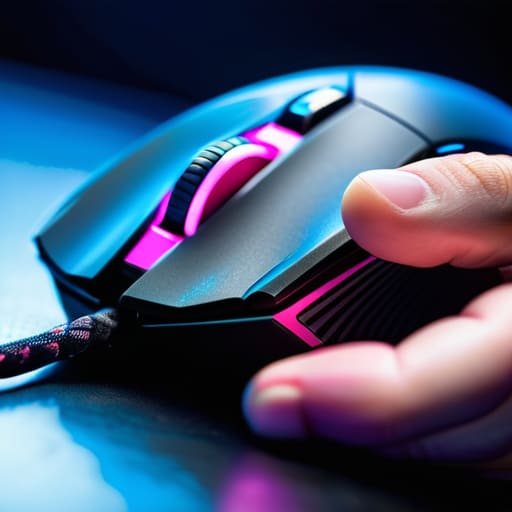
    • Invest in high-polling rate peripherals, because the more frequently your mouse or controller communicates with your system, the more seamless that connection between your brain and the screen becomes.

    The Core Essentials of Latency Mastery

    Stop confusing speed with responsiveness; remember that high bandwidth won’t save you from the delay caused by poor latency.

    Aim for a seamless connection between your mental command and the game’s reaction by minimizing every possible millisecond of end-to-end delay.

    Treat latency reduction as a tool for intentional play, allowing you to move past technical frustration and into a state of true system mastery.

    ## The Gap Between Thought and Action

    “Latency isn’t just a technical metric on a spec sheet; it is the friction between your intention and the game’s response. When we reduce that delay, we aren’t just optimizing hardware—we are clearing the path for true cognitive flow.”

    Delia Okonkwo

    Closing the Gap

    Closing the Gap in gaming latency.

    At the end of the day, minimizing latency isn’t about chasing some arbitrary number on a spec sheet; it’s about refining the entire ecosystem of your play. We’ve looked at how bandwidth provides the capacity, but latency dictates the responsiveness that allows for true mastery. By addressing everything from your network stability to the end-to-end delay in your hardware, you aren’t just fixing a technical glitch—you are removing the friction between your brain and the game. When you optimize these variables, you stop fighting your equipment and start focusing on the complex systems that make gaming so rewarding.

    As I sit here with my tea, watching a particularly difficult level unfold on my screen, I’m reminded that the goal was never just to have the fastest connection possible. The goal is to reach that state of unconscious competence, where the controller feels like an extension of your own hands. Don’t let technical hurdles rob you of that sense of flow. Treat your setup with the same intention you bring to your strategy, and you’ll find that the gap between intention and execution finally disappears. Keep refining, keep playing, and most importantly, play with purpose.

    Frequently Asked Questions

    Does upgrading to a high-refresh-rate monitor actually make a noticeable difference in my input lag, or is it just marketing hype?

    It’s definitely not just hype. Think of it this way: a higher refresh rate shrinks the gap between your brain’s command and your eyes seeing the result. When you move from 60Hz to 144Hz or higher, you aren’t just getting “smoother” visuals; you’re reducing the time the system spends waiting to draw the next frame. It tightens that loop of intention and execution, making the game feel like a direct extension of your nervous system.

    How much of my latency issue is actually my hardware's fault versus the stability of my local network?

    It’s a bit of a tug-of-war between the two. Think of your hardware as your brain’s processing speed and your network as the nervous system carrying the signal. If your PC is struggling to render frames, that’s local hardware lag. But if you’re seeing erratic spikes or “rubber-banding,” that’s almost certainly your network stability. I usually check my frame times first; if those are steady, the culprit is likely your router or Wi-Fi interference.

    At what point does the pursuit of lower latency start to negatively impact the actual enjoyment and "flow" of the game?

    It happens the moment you stop playing the game and start playing the hardware. If you’re spending more time obsessing over millisecond fluctuations in your ping than you are reacting to the boss’s attack patterns, you’ve crossed the line. When the pursuit of technical perfection turns gaming into a stressful maintenance task rather than a pursuit of mastery, you’ve lost the “flow.” True mastery is about bridging the gap between intention and execution, not becoming a slave to the metrics.

  • Essential Elements of a Functional Gaming Setup

    Essential Elements of a Functional Gaming Setup

    I still remember the smell of ozone and heated plastic from the arcade cabinets I spent my childhood weekends hunched over. Back then, your “setup” was just a joystick and a coin slot, but today, the industry wants you to believe that a professional-grade gaming setup requires a mountain of RGB lighting and a credit card with no limit. We’ve been sold this myth that more flashing lights and overpriced peripherals automatically translate to better performance, when in reality, most of that gear is just expensive noise designed to distract you from the mechanics that actually matter.

    I’m not here to help you build a neon-soaked showroom for your social media feed. Instead, I want to help you architect a space that serves your focus and respects the way you play. I’ll be sharing my experience-based approach to selecting gear that facilitates intentional mastery rather than mindless consumption. We are going to strip away the marketing hype and focus on how your environment affects your cognitive flow, ensuring that every piece of equipment you own actually helps you find the joy in the systems you’re playing.

    Table of Contents

    The Foundation of Focus Ergonomic Gaming Chair Benefits

    The Foundation of Focus Ergonomic Gaming Chair Benefits

    We often obsess over frame rates and input lag, but we rarely talk about the physical toll of a long session. When I was younger, I’d spend hours hunched over a CRT television, completely oblivious to the strain on my lower back until the ache became impossible to ignore. Now, I view my seat as a vital piece of hardware. Understanding the true ergonomic gaming chair benefits isn’t about buying something that looks flashy; it’s about supporting your spine so your brain can stay focused on the mechanics rather than the discomfort.

    A well-chosen chair acts as your cockpit, providing the stability needed for precise movements. If your posture collapses, your reaction time follows suit. I’ve found that when my body is properly aligned, I can maintain a state of flow much longer without that inevitable mid-session fatigue. It’s an investment in your longevity as a player. You aren’t just sitting; you are positioning yourself to engage with the game’s systems with maximum intentionality and clarity.

    Precision Input Mechanical Keyboard Switches Explained

    Precision Input Mechanical Keyboard Switches Explained.

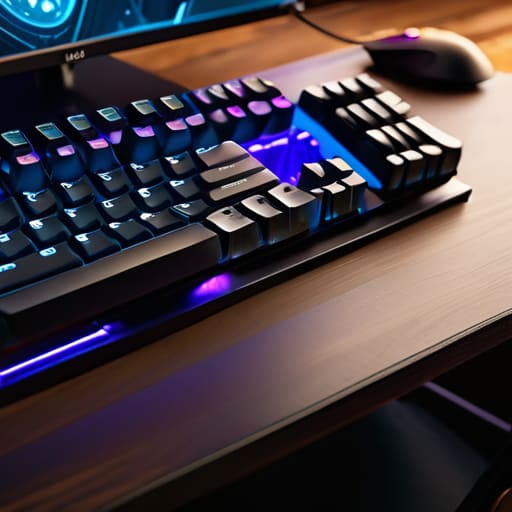
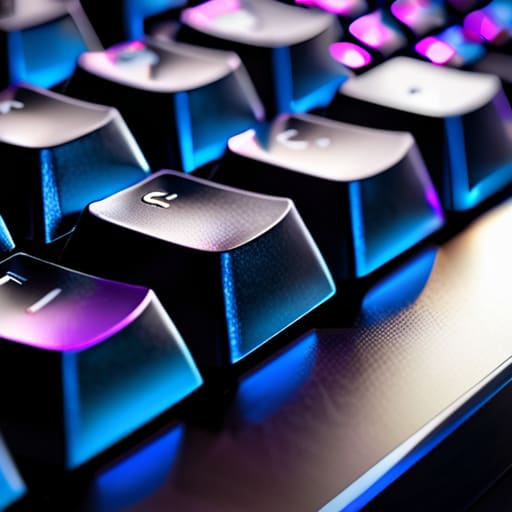
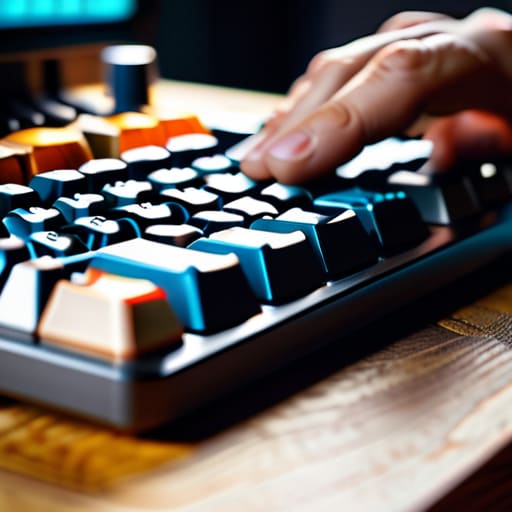
    When I was restoring my old handhelds last weekend, I was reminded of how much tactile feedback matters. In a modern setup, that sensation translates directly to your keyboard. Most players overlook this, but understanding mechanical keyboard switches explained is less about “clicky” sounds and more about the physics of your intent. Whether you opt for linear switches for smooth, rapid movements or tactile switches that provide a physical bump, you are essentially choosing the interface between your brain and the game’s code.

    Choosing the wrong switch is like trying to play a precision rhythm game with a mushy membrane keyboard; the delay between thought and action creates a cognitive friction that breaks your flow. If you’re aiming for mastery, you need a switch that matches your specific playstyle. I prefer a tactile response because it provides that instantaneous confirmation of a keystroke, allowing me to play with much higher intentionality. It isn’t just about the gear; it’s about reducing the gap between your nervous system and the digital world.

    Beyond the Hardware: Fine-Tuning Your Sensory Environment

    • Optimize your lighting to reduce cognitive load; avoid harsh glares on your screen that force your eyes to work harder than the game mechanics require.
    • Audit your desk real estate to ensure your mouse movement isn’t restricted by clutter, allowing for the precise, intentional inputs a complex system demands.
    • Calibrate your monitor’s refresh rate and color profile to match your specific playstyle, ensuring what you see is a true reflection of the game’s intended depth.
    • Manage your acoustic space by using high-quality, closed-back headphones to block out domestic distractions and immerse yourself fully in the game’s soundscape.
    • Keep your peripherals clean and maintained; a dusty sensor or a sticky key isn’t just a nuisance, it’s a breakdown in the connection between your intent and the game’s response.

    The Intentional Setup: Key Takeaways for Mastery

    Stop viewing your gear as mere accessories; treat your chair and keyboard as tools that directly influence your cognitive stamina and mechanical precision.

    Prioritize ergonomics and tactile feedback to reduce the physical friction between your intentions and the game’s execution.

    Build your space with purpose, ensuring every component serves to deepen your focus rather than just adding clutter to your desk.

    The Intentionality of Space

    A gaming setup shouldn’t just be a collection of expensive peripherals; it should be a deliberate extension of your intent, designed to minimize friction between your mind and the mechanics of the game.

    Delia Okonkwo

    Beyond the Hardware

    Mastering flow Beyond the Hardware.

    At the end of the day, building a setup isn’t about chasing the most expensive specs or having the brightest RGB lights on your desk. It is about the synergy between your physical environment and your mental state. We’ve looked at how an ergonomic chair preserves your focus and how choosing the right mechanical switches can sharpen your tactile response to the game’s demands. When you align your gear with your intent, you stop fighting your tools and start mastering the systems you play. A thoughtful setup reduces the friction between your brain and the screen, allowing you to enter that elusive state of flow where the mechanics finally become second nature.

    As you continue to refine your space, remember that your setup should evolve alongside your skill. Just as I find myself gravitating toward more precise tools as I dive deeper into complex game mechanics, you too will find that your needs shift over time. Don’t view this as a one-time purchase, but as a lifelong pursuit of intentionality. Whether you are playing a high-stakes competitive match or lost in the atmosphere of a slow-burn RPG, your environment should respect the experience you are seeking. Play with purpose, invest in your comfort, and most importantly, find the joy in the mastery.

    Frequently Asked Questions

    How much does my desk height actually impact my long-term posture and focus during long sessions?

    It’s more than just comfort; it’s about neurological efficiency. If your desk is too high, you’re constantly shrugging your shoulders, which triggers muscle tension and eventually leads to that mid-session brain fog. If it’s too low, you’re hunching, cutting off your breathing depth. When your body is fighting physical strain, your brain can’t dedicate its full processing power to the game’s mechanics. Proper height keeps your spine neutral so your focus stays on the screen, not your aching neck.

    Is it worth investing in high-end peripherals right away, or should I build my setup incrementally?

    Don’t feel pressured to drop a month’s rent on a pro-grade kit overnight. I’ve spent enough time tinkering with vintage hardware to know that the tool matters, but the intent matters more. Start with the essentials—the mouse or keyboard you touch most—and upgrade as you identify where your physical limitations are hindering your skill. Build incrementally. Let your evolving playstyle dictate your gear, rather than chasing specs you aren’t actually utilizing yet.

    How can I optimize my lighting to reduce eye strain without sacrificing the atmosphere of my space?

    Don’t let a dark room turn your gaming session into a headache. The trick is balancing ambient light with your screen’s output. I swear by bias lighting—a soft LED strip behind the monitor—to reduce the harsh contrast that fatigues the eyes. It keeps the atmosphere moody without forcing your pupils to struggle. Pair that with a warm desk lamp to fill the shadows, and you’ve created a space built for long-term focus.

  • Techniques for Learning New Game Genres Quickly

    Techniques for Learning New Game Genres Quickly

    I still remember the specific, electric hum of my childhood arcade visits, the smell of ozone and stale popcorn lingering in the air as I stared down a cabinet I had no business playing. There was a certain visceral tension in those moments—the gap between wanting to win and actually understanding the logic of the machine. Nowadays, people treat learning new games like they’re supposed to just “get it” through sheer osmosis or by watching a twenty-minute video essay. They treat mastery like a passive byproduct of time spent, rather than an active engagement with a system.

    I’m not here to sell you on the idea that you can just “grind” your way to greatness without thinking. My goal is to help you move past the mindless button-mashing and start dissecting the mechanics that actually drive the experience. In this guide, I’m going to share my framework for approaching a new title with intentionality and focus. We aren’t just going to play; we are going to understand the architecture of the world you’ve just entered, so you can stop reacting to the screen and start commanding the systems that make every level worth mastering.

    Table of Contents

    Optimizing Your Learning Curve Through Intentional Play

    Optimizing Your Learning Curve Through Intentional Play

    To truly optimize your learning curve, you have to stop treating the controller like a remote for a television and start treating it like a tool for engagement. Most players fall into the trap of “autopilot”—pressing buttons just to see what happens. While that has its place, real progress comes when you pause to deconstruct the underlying logic. I’ve found that by treating every new mechanic as a psychological puzzle rather than a chore, I can accelerate my gaming skill acquisition significantly. It’s about moving from reactive play to proactive engagement.

    Instead of rushing toward the next checkpoint, take a moment to observe the patterns in the environment or the rhythm of an enemy’s attack. This deliberate approach is where you see the real strategic thinking development take root. When you focus on the “why” behind a mechanic, you aren’t just playing; you are mapping the boundaries of a new system. This level of intentionality doesn’t just make you a better player; it turns the entire experience into a meaningful exercise in gaming mental agility, ensuring that every session leaves you sharper than when you started.

    Mastering Complex Game Rules Beyond Surface Level

    Mastering Complex Game Rules Beyond Surface Level

    Most players fall into the trap of treating a game manual—or the in-game tutorial—as a checklist to be cleared. They learn how to move, how to jump, and how to attack, but they stop there. To truly move past the basics, you have to look for the hidden logic governing the world. This means analyzing how different mechanics interact. If a certain elemental buff increases your damage but slows your movement, that isn’t just a stat change; it’s a fundamental shift in how you must approach combat. Mastering complex game rules requires you to stop reacting to what is on the screen and start predicting what the system will allow you to do next.

    This level of engagement is where we see real strategic thinking development take place. When you stop playing on autopilot and start dissecting the underlying math or the cooldown cycles, you aren’t just playing a game; you are training your brain to recognize patterns and manage resources under pressure. It’s about moving from “I hope this works” to “I know this will work because the system demands it.” That shift in perspective is exactly where the deepest satisfaction—and the most significant growth—is found.

    Strategies for Deepening Your Connection to New Mechanics

    • Stop treating the tutorial as a chore. Instead of mashing through the text boxes to get to the “real” game, treat the tutorial as your first laboratory session. This is where you test the limits of the physics and the input latency before the stakes get high.
    • Map the feedback loops early. Every game has a rhythm—a way it rewards your inputs through sound, haptics, or visual cues. Once you identify how the game “talks” back to you, you can stop guessing and start reacting with precision.
    • Practice deliberate, isolated repetition. If a specific movement or combat sequence feels clunky, don’t just keep playing the level and hoping it clicks. Stop, go back to a safe area, and drill that specific mechanic until it moves from your conscious thought to your muscle memory.
    • Read the “fine print” of the UI. Your HUD is a data stream, not just decoration. Learning to interpret subtle changes in stamina bars, cooldown timers, or resource indicators is the difference between playing reactively and playing strategically.
    • Embrace the frustration of the plateau. There will be moments where your progress feels stagnant, and that’s usually when the most significant cognitive shifts are happening. Don’t walk away in anger; step back, grab your tea, and approach the problem with a fresh, analytical eye.

    The Intentional Player’s Toolkit

    Stop treating tutorials as chores to be skipped; treat them as the foundational blueprint for the system you are about to master.

    Shift your focus from merely reacting to on-screen prompts to proactively analyzing the underlying mechanics that drive the game’s logic.

    Embrace the frustration of the learning curve as a psychological signal that your brain is actually rewiring itself to accommodate new complex patterns.

    ## The Psychology of the Learning Loop

    “Don’t mistake muscle memory for mastery; true skill isn’t just about your fingers reacting to the screen, it’s about your mind understanding the underlying logic of the system before the first boss even appears.”

    Delia Okonkwo

    The Path to Mastery

    The Path to Mastery through intentional gameplay.

    At the end of the day, learning a new game isn’t about how fast you can reach the credits; it’s about how deeply you can engage with the architecture of the experience. By moving past mindless button-mashing and focusing on intentionality, you transform from a passive observer into an active participant. We’ve looked at how optimizing your learning curve and dissecting complex systems can change your entire relationship with a title. When you stop fighting the mechanics and start understanding them, you stop playing against the game and start playing with the system.

    As I sit here with my tea, watching the glow of a refurbished handheld, I’m reminded that our capacity to learn only evolves alongside our curiosity. Whether you are tackling a punishing soulslike or a nuanced strategy title, remember that every mistake is just data for your next attempt. Don’t let the frustration of a steep learning curve rob you of the magic. Instead, embrace the friction, find the patterns, and master the systems that make these digital worlds breathe. Gaming is a lifelong pursuit, and the best way to honor it is to play with purpose.

    Frequently Asked Questions

    How do I maintain this sense of intentionality when I'm playing a game just to unwind after a long workday?

    It’s a delicate balance. When my brain is fried from a day of technical writing, I don’t want a spreadsheet of mechanics. But there’s a difference between mindless scrolling and “active rest.” Instead of forcing high-intensity mastery, try shifting your intention toward sensory appreciation or rhythmic flow. Pick a game where the “mastery” is simply staying in the zone—like a well-tuned platformer or a cozy sim. You aren’t studying the system; you’re just breathing with it.

    Are there specific mental frameworks or psychological cues I should look for to identify a game's core loop more quickly?

    To find the core loop, stop looking at the graphics and start looking at the “action-reward” rhythm. I always look for the tension-release cycle: what specific action triggers a sense of progression? Is it a combat encounter, a resource collection, or a skill check? Watch for the recurring “verbs” the game forces you to use. Once you identify that repetitive cycle of effort and payoff, you’ve found the engine driving the entire experience.

    At what point does deep mechanical analysis stop being productive and start stripping the actual joy out of the experience?

    It’s a fine line. Deep analysis becomes counterproductive when you stop playing the game and start playing the spreadsheet. If you’re so preoccupied with frame data or optimal build paths that you can’t actually feel the tension of a boss fight or the rhythm of a level, you’ve lost the plot. Analysis should be the fuel for your mastery, not a barrier to your immersion. If the math kills the magic, put the notes away and just play.

  • How to Optimize Your Character Builds

    How to Optimize Your Character Builds

    I remember sitting on my bedroom floor in 1992, surrounded by half-disassembled controllers and the faint scent of ozone, trying to figure out why my character felt like they were moving through molasses. Back then, we didn’t have spreadsheets or community wikis; we just had intuition and a lot of trial and error. Today, I see people getting lost in a sea of “meta” spreadsheets, convinced that build optimization requires a degree in mathematics and three different browser tabs open to various calculators. It’s become this exhausting, performative ritual where people spend more time staring at numbers than actually playing the game.

    I’m not here to hand you a copy-paste template from a pro player’s guide. My goal is to help you look past the noise and understand the underlying logic of the systems you’re interacting with. We are going to strip away the hype and focus on how to manipulate mechanics to serve your specific playstyle. I promise to give you a framework for intentional decision-making, so you can stop mashing buttons and start mastering the machine with actual purpose.

    Table of Contents

    Theorycrafting Advanced Builds for Maximum Impact

    Theorycrafting Advanced Builds for Maximum Impact

    When we move past the basics, we enter the realm of true theorycrafting. This isn’t just about picking the “best” sword; it’s about understanding how various systems interact under pressure. To really master a game, you have to look at min-maxing character progression through a mathematical lens. I often find myself sitting with my tea, staring at spreadsheets, trying to map out how a single point in a secondary attribute might ripple through my entire damage output. It’s about finding those hidden synergies where two mediocre stats suddenly become a powerhouse when paired correctly.

    The real magic, however, happens when you start dissecting gear scaling mechanics. Most players stop once they find something that works, but if you want to truly dominate the endgame, you have to look at the math behind the metal. You aren’t just looking for high numbers; you’re looking for efficiency and synergy. Are your buffs stacking multiplicatively or additively? Does your armor weight actually penalize your mobility more than the defense is worth? Once you stop playing reactively and start designing your character as a cohesive machine, the game changes entirely.

    Optimal Stat Distribution the Foundation of Power

    Optimal Stat Distribution the Foundation of Power

    When we talk about building a character, it’s easy to get lost in the flashy numbers of high-tier loot, but the real work happens at the foundational level. I’ve always viewed character stats much like the psychological principles of reinforcement; if you don’t establish a consistent, logical base, the entire structure collapses when the difficulty spikes. Achieving an optimal stat distribution isn’t just about dumping every single point into strength or dexterity. It’s about understanding the mathematical interplay between your primary attributes and how they feed into your survival rate.

    If you find yourself hitting a wall in mid-game, you’re likely neglecting the subtle nuances of min-maxing character progression. It’s tempting to chase raw damage, but a build that ignores defensive scaling is a house of cards. I prefer to look at the math behind the curtain—analyzing how much vitality I actually need to survive a single boss rotation versus how much extra efficiency I gain from a few more points in agility. True mastery comes when you stop reacting to the game and start shaping the math to work in your favor.

    Beyond the Numbers: My Five Rules for Intentional Building

    • Stop chasing the “meta” blindly. Just because a top-tier streamer is running a specific setup doesn’t mean it fits your playstyle. If you prefer reactive, defensive gameplay, don’t force a glass-cannon build just because it’s trending. Build for how you actually move and think.
    • Identify your primary “engine” before you spend a single skill point. Every great build has a core mechanic—be it life steal, elemental procs, or cooldown reduction—that drives everything else. If your gear and stats aren’t feeding that specific engine, you’re just wasting potential.
    • Respect the diminishing returns. In my experience, there’s a psychological trap in trying to max out every single stat. You’ll often find more value in spreading your investments to hit key breakpoints rather than pushing a single attribute into a zone of wasted efficiency.
    • Test your theory in a vacuum, then the world. It’s easy to make a build look impressive on a spreadsheet or a training dummy. The real test is how that build handles chaos, unexpected enemy mechanics, and resource depletion during an actual encounter.
    • Build with an exit strategy. A common mistake is creating a build that is incredibly powerful but leaves you with zero flexibility. Always ensure you have enough utility or defensive layers to pivot when a boss mechanic or a new patch throws a wrench in your carefully crafted system.

    Moving Beyond the Spreadsheet

    Stop chasing the “meta” just because a guide told you to; true optimization starts with understanding how specific stats interact with your personal playstyle.

    A perfect build on paper is useless if it doesn’t serve your intention—always prioritize the mechanics that allow you to engage with the game’s systems more deeply.

    Treat every stat point as a deliberate choice, not a math problem to be solved, so you can turn a collection of numbers into a cohesive engine of play.

    The Philosophy of the Build

    Build optimization isn’t about finding a “cheat code” to bypass the challenge; it’s about understanding the game’s underlying logic so deeply that the mechanics stop being obstacles and start becoming your instruments.

    Delia Okonkwo

    Beyond the Numbers: Finding Your Rhythm

    Beyond the Numbers: Finding Your Rhythm

    At the end of the day, build optimization isn’t just about chasing the highest possible damage numbers or finding the most efficient stat distribution. It’s about understanding how every individual gear, talent, and attribute works together to create a cohesive whole. We’ve looked at the theory of crafting high-impact builds and the foundational necessity of balanced stats, but the real magic happens when you stop following a guide and start interpreting the mechanics for yourself. When you stop treating a character like a spreadsheet and start treating them like a complex, interconnected system, you stop playing against the game and start playing with it.

    As I sit here with my tea, watching the light fade on my desk, I’m reminded that the pursuit of the “perfect” build is a moving target. Games evolve, patches happen, and our own playstyles shift as we grow. Don’t let the obsession with optimization rob you of the actual experience. Use these tools to sharpen your edge, but remember that the ultimate goal is to find that sweet spot where mastery meets intuition. Play with intention, master the machine, and most importantly, make sure you are actually having the time of your life while you do it.

    Frequently Asked Questions

    How do I know when I've reached the point of diminishing returns on a specific stat?

    It’s easy to get caught in the trap of chasing one more percentage point, but you have to watch the math, not just the number. I look for the inflection point: when you invest heavily in a stat but your actual combat effectiveness—your clear speed or survivability—stops moving the needle. If doubling your Strength only nets you a marginal DPS increase, you’ve hit the wall. Stop chasing the peak and start diversifying.

    Is it better to focus on one hyper-specialized mechanic or maintain a more balanced, versatile build?

    It’s the classic tension between a scalpel and a Swiss Army knife. If you’re chasing high-level mastery, specialization is usually your best bet; leaning into one hyper-focused mechanic allows you to exploit system weaknesses with surgical precision. However, don’t ignore versatility entirely. A build that’s too brittle collapses when the game throws a curveball. I prefer finding a “sweet spot”—specializing heavily in a core pillar while maintaining just enough utility to stay adaptable.

    How can I adapt my current build on the fly when a boss or encounter completely changes the rules of engagement?

    This is where the theory meets the chaos. When a boss breaks your rhythm, stop trying to force your pre-planned setup. I look at it like a psychological pivot: assess the new mechanic first, then adjust your utility. Swap out a heavy-damage gear piece for something with crowd control or elemental resistance. You aren’t abandoning your build; you’re refining it in real-time to master the encounter’s shifting logic.

  • Understanding Combat Rhythm in Action Games

    Understanding Combat Rhythm in Action Games

    I remember sitting on my bedroom floor in 1992, the glow of a heavy CRT television washing over me while I gripped a controller like my life depended on it. I wasn’t just playing; I was fighting a losing battle against a boss that felt impossible because I was treating the encounter like a frantic button-mashing contest. It took me years of analyzing mechanics to realize that I wasn’t failing because of slow reflexes, but because I hadn’t yet grasped the underlying combat rhythm of the game. I was fighting the software, rather than dancing with it.

    I’m not here to sell you on some expensive, high-refresh-rate monitor or a “pro” controller that promises magic results. Instead, I want to talk about the psychology of timing and how you can train your brain to recognize patterns in the chaos. We are going to move past the mindless consumption of mechanics and start looking at games as the complex systems they truly are. My goal is to help you stop reacting out of fear and start playing with intention, turning every frantic encounter into a controlled, rhythmic mastery.

    Table of Contents

    Decoding the Code Using Frame Data Analysis for Precision

    Decoding the Code Using Frame Data Analysis for Precision.

    When I first started digging into the psychology of play, I realized that what many call “reflexes” is actually just pattern recognition. If you want to move beyond mere luck, you have to look under the hood at frame data analysis. In most modern action game combat mechanics, every swing of a sword or discharge of a blaster is measured in tiny increments of time. By understanding the startup, active, and recovery frames of an animation, you stop guessing and start predicting. You aren’t just reacting to a flash of light anymore; you are calculating the exact window where your opponent is vulnerable.

    This shift in perspective changes how you approach every encounter. Instead of panicking when a boss enters a new phase, you begin to recognize the mechanical gaps in their sequence. This is where you find true offensive tempo control. You learn to weave your strikes into those precise windows of opportunity, ensuring you aren’t caught in a recovery animation when the counterattack comes. It’s about moving from a state of frantic survival to one of calculated, rhythmic dominance.

    Offensive Tempo Control Moving From Reaction to Intentionality

    Offensive Tempo Control Moving From Reaction to Intentionality

    Once you understand the math behind the frames, the next hurdle is applying that knowledge under pressure. Most players fall into the trap of playing reactively—waiting for the enemy to move before they decide how to respond. This keeps you in a permanent state of survival. To truly master action game combat mechanics, you have to flip the script. Instead of responding to the chaos, you need to dictate it. This is where offensive tempo control becomes your most vital tool; it’s the difference between being a participant in a fight and being its conductor.

    Achieving this requires a mental shift from frantic button mashing to a deliberate pursuit of the combat flow state. When you control the tempo, you aren’t just hitting buttons; you are choosing when to accelerate the pressure and when to force a momentary lull to reset your positioning. It’s about recognizing the windows of opportunity created by your own aggression. By moving with intention, you stop being a victim of the game’s speed and start using that speed to dismantle your opponents.

    Finding Your Pulse: Five Ways to Internalize the Rhythm

    • Stop fighting the game and start listening to it. Every combat system has a natural cadence—a heartbeat of animations and pauses. Instead of forcing your inputs, try to observe the subtle “breathing” of your character’s movements to find the natural gaps where an attack actually fits.
    • Use visual and auditory cues as your metronome. High-level play isn’t just about watching the enemy; it’s about hearing the specific “clink” of a parry or seeing the subtle flash of a frame before a heavy hit. These aren’t just effects; they are your rhythmic anchors.
    • Practice “rhythmic breathing” through your controller. It sounds a bit psychological, but if you’re mashing in a frantic, uneven pattern, your gameplay will reflect that chaos. Try to time your button presses to a steady, internal beat to keep your composure when the screen gets messy.
    • Learn the cost of the “extra” hit. In many games, the temptation is to squeeze in one more attack, but that extra swing often breaks your rhythm and leaves you wide open. Mastery is knowing when to stop a combo early to maintain your defensive tempo.
    • Analyze your failures through a tempo lens. When you get caught in a loop, don’t just blame the difficulty. Ask yourself: “Did I lose my rhythm, or was I trying to play at a tempo the game doesn’t allow?” Usually, it’s the latter.

    Finding Your Flow: The Path to Intentional Combat

    Stop playing reactively; true mastery comes when you stop waiting for the enemy to move and start dictating the tempo of the engagement yourself.

    Use technical knowledge like frame data not as a chore, but as a way to ground your instincts in reality, turning guesswork into calculated precision.

    Respect the rhythm of the system—when you align your inputs with the game’s internal logic, combat stops feeling like a struggle and starts feeling like a dance.

    The Psychology of the Beat

    “Combat rhythm isn’t about how fast your thumbs can move; it’s about training your brain to stop reacting to the chaos and start anticipating the pulse of the system.”

    Delia Okonkwo

    Finding Your Internal Metronome

    Finding Your Internal Metronome through rhythmic mastery.

    We’ve covered a lot of ground, moving from the cold, hard logic of frame data to the more fluid, psychological shift of controlling the tempo. It isn’t enough to simply know when a move is safe; you have to understand how that knowledge translates into the rhythm of the encounter. By combining technical precision with a proactive mindset, you stop being a passenger to the game’s mechanics and start becoming the conductor. Whether you are analyzing hitboxes or learning to breathe through a high-pressure exchange, the goal is the same: moving away from frantic button-mashing and toward a state of intentional, rhythmic mastery.

    At the end of the day, combat rhythm is about more than just winning a match or clearing a difficult boss. It is a reflection of how we approach any complex system—with patience, observation, and a willingness to learn. As I sit here with my tea, watching the patterns emerge on my screen, I’m reminded that the beauty of gaming lies in this very evolution. Don’t get discouraged when your timing feels off; instead, treat every mistake as a calibration of your own internal metronome. Keep playing with purpose, keep studying the flow, and eventually, the game won’t just be something you play—it will be something you truly understand.

    Frequently Asked Questions

    How do I distinguish between a game's intended combat rhythm and just my own frantic reaction speed?

    It’s a fine line. If you’re playing in a state of constant, breathless panic, you aren’t dancing with the game; you’re just surviving it. To tell the difference, look for the “breathing room.” A game’s intended rhythm usually offers windows—tiny, predictable gaps between enemy animations or attack tells. If you find yourself mashing buttons to stop a threat, you’re reacting. If you’re waiting for that specific frame to strike, you’ve found the rhythm.

    Can you apply these concepts of tempo and frame data to slower, turn-based RPGs, or is this strictly for real-time action games?

    That’s a great question. It’s easy to think “rhythm” only applies to twitch reflexes, but it’s just as vital in turn-based RPGs. In those systems, frame data translates to action economy and turn manipulation. You aren’t tracking milliseconds, but you are tracking the “tempo” of the battle—knowing exactly when to burn a cooldown or hold a buff to disrupt the enemy’s flow. It’s about mastering the math to dictate the pace.

    When I feel myself losing the rhythm during a difficult boss fight, how do I reset my mental state without losing my momentum?

    When the rhythm breaks, the worst thing you can do is panic and try to force your way through. I call this “frenetic fatigue.” Instead, take a micro-reset. Don’t stop playing entirely, but simplify your inputs. Strip your strategy down to just one core mechanic—maybe just dodging or just one specific counter—until your heartbeat settles. Once you find that baseline again, you can layer the complexity back in without shattering your focus.

  • How to Improve Your Map Awareness

    How to Improve Your Map Awareness

    I remember sitting in my dimly lit living room in the late 90s, the smell of ozone from an old CRT television thick in the air, feeling that specific, stinging frustration of being blindsided. I was playing a tactical shooter, my eyes locked onto my crosshair with religious intensity, only to be picked off by someone I never even saw coming. I thought I was playing well because my aim was sharp, but I was actually playing blind. Most “pro” guides will tell you that map awareness is just about glancing at a mini-map every few seconds, but that’s a shallow, half-baked way to look at it. It isn’t a passive habit; it’s an active, cognitive process of predicting the unseen.

    I’m not here to sell you on some overpriced training software or tell you to memorize every single pixel of a level. Instead, I want to help you break down the mental architecture required to actually read the battlefield. We are going to move past mindless clicking and start looking at the game as a series of interconnected systems. My goal is to give you a practical framework for developing a spatial intuition that feels less like a chore and more like a second nature.

    Table of Contents

    Cultivating Spatial Awareness in Gaming

    Cultivating Spatial Awareness in Gaming concept.

    Cultivating Spatial Awareness in Gaming

    To me, spatial awareness isn’t just about knowing where you are; it’s about understanding the geometry of the battlefield. I often find that players struggle because they treat the environment as a static backdrop rather than a living, breathing entity. To bridge this gap, you need to focus on predicting enemy movement based on the terrain. If you know a specific corridor leads to a high-traffic choke point, you shouldn’t just react when an opponent appears—you should already be anticipating their presence. It’s about building a mental model of the space that exists even when you can’t see it.

    This requires a disciplined approach to fog of war management. Instead of playing purely on instinct, start treating the unmapped areas as active variables in an equation. Effective vision control tactics allow you to dictate the terms of an engagement by deciding what information you’re willing to reveal. When you master this, you stop playing a game of catch-up and start playing a game of chess, where every step you take is a calculated move within the larger system.

    The Art of Fog of War Management

    The Art of Fog of War Management.

    Navigating the dark patches of a map isn’t just about dealing with what you can’t see; it’s about learning to respect the unknown. When I was younger, playing through early RTS titles, the “black shroud” felt like a barrier. Now, I see it as a tool for psychological warfare. Effective fog of war management requires you to stop reacting to what is visible and start accounting for what isn’t. You have to treat those darkened areas as active zones of potential threat rather than just empty space.

    This is where true game sense improvement takes place. Instead of wandering blindly, you should be constantly predicting enemy movement based on the last known location of an opponent or the timing of a specific objective. If you haven’t seen a flanker in thirty seconds, they aren’t gone; they are simply repositioning. By treating the unseen as a tangible presence, you transition from a reactive player to a proactive strategist, turning the shroud from a disadvantage into a layer of tactical depth.

    Practical Drills for a Sharper Tactical Eye

    • Stop treating the minimap like a background decoration; start glancing at it every time there’s a lull in the action, even if it’s just for a split second.
    • Learn to read the “negative space” by identifying where enemies aren’t—if a lane is suspiciously quiet, treat that silence as a loud warning sign.
    • Use your peripheral vision to track movement on the edges of your screen rather than relying solely on your central focus, which keeps your eyes from getting “locked” on a single target.
    • Develop a mental checklist of landmarks; knowing exactly where a specific rock or corner sits on the map allows you to process spatial data much faster during high-stress encounters.
    • Sync your information gathering with your cooldowns; if you’ve just used a major ability, that is your cue to pull your eyes away from the center and scan the broader landscape for shifts in the game state.

    Beyond the Crosshair: Three Pillars of Intentional Awareness

    Stop playing reactively; start treating the minimap as a live data feed that tells you where you should be, not just where you are.

    Learn to respect the “unknown” by tracking enemy patterns and cooldowns, turning the fog of war from a disadvantage into a calculated risk.

    Shift your mindset from mindless button-mashing to systemic observation, ensuring every movement is a deliberate choice within the game’s layout.

    The Mental Blueprint

    “Map awareness isn’t about memorizing every pixel of the terrain; it’s about training your brain to see the spaces between the action—the silent, invisible pressures that dictate exactly where you should be before the chaos even starts.”

    Delia Okonkwo

    Beyond the Mini-Map

    Mastering map awareness Beyond the Mini-Map.

    At the end of the day, mastering map awareness isn’t about memorizing every single pixel or icon on your screen; it’s about synthesizing everything you’ve learned into a cohesive mental model. We’ve looked at how spatial awareness allows you to predict enemy movement and how managing the fog of war turns uncertainty into a calculated advantage. When you stop reacting to what’s right in front of you and start anticipating what’s coming around the corner, you aren’t just playing the game anymore—you are deciphering its logic. It is the difference between being a passenger in a match and being the one actually driving the momentum.

    I know it can feel overwhelming when you first start trying to track all these moving parts, especially when you’re caught in the heat of a high-stakes moment. But remember, skill is a cumulative process, much like the way we learn to navigate the world around us. Don’t get discouraged by the mistakes or the moments where you get caught off guard. Instead, view every lost skirmish as a data point that helps you refine your internal compass. Treat every session as an opportunity to play with intention, and I promise you’ll find that the game becomes less of a chaotic scramble and more of a beautiful, predictable system waiting to be mastered.

    Frequently Asked Questions

    How do I maintain map awareness in high-intensity games without losing focus on my immediate combat mechanics?

    It’s a delicate balance, isn’t it? I call it “peripheral intentionality.” You can’t stare at the minimap while dodging projectiles, or you’re dead. Instead, try to build a rhythmic habit: every time there’s a micro-lull in combat—a reload, a cooldown, or a brief repositioning—that is your cue to glance at the map. Treat the map like a heartbeat; it’s a rhythmic pulse, not a constant gaze. Keep your eyes on the fight, but let your mind stay tethered to the layout.

    Are there specific mental drills or habits I can use to stop my eyes from getting "stuck" on my character?

    It’s a common trap—we get so hyper-focused on our own movement that we develop tunnel vision. To break it, try the “Peripheral Scan” habit: every time you finish a combat engagement or a specific movement sequence, force your eyes to flick to a different corner of the screen. Think of it like a rhythmic breathing exercise for your eyes. You aren’t just looking; you’re recalibrating your mental map to ensure you aren’t playing in a vacuum.

    How does the concept of map awareness change when transitioning from solo play to coordinating with a team?

    When you’re playing solo, map awareness is a survival instinct—it’s about where you are and where the threat might be. But once you join a team, the map stops being a personal radar and becomes a shared chessboard. You aren’t just tracking enemies; you’re tracking your teammates’ positions and cooldowns. You have to start thinking about “information gaps.” If your support is deep in the jungle, the map isn’t just empty space; it’s a vulnerability you need to account for.

  • Improving Communication Within Your Gaming Team

    Improving Communication Within Your Gaming Team

    I remember sitting in a dimly lit basement in 1992, staring at a flickering CRT screen, trying to coordinate a raid with three friends over a crackling headset. We weren’t using “synergistic frameworks” or “agile workflows”; we were just shouting over the sound of explosions, trying to figure out who was actually covering the flank. It’s funny how, even decades later, the corporate world tries to dress up team communication in expensive, jargon-heavy software and complex protocols that feel more like obstacles than solutions. Most of these tools are just shiny distractions that fail to address the core mechanic: human connection and clarity.

    I’m not here to sell you on another productivity app or a list of buzzwords that will be obsolete by next quarter. Instead, I want to strip away the fluff and look at the underlying systems of how we actually exchange information. I’m going to share my perspective on how to treat your group like a high-level raid party—where every piece of data matters and every voice has a role. My promise to you is no-nonsense, experience-based strategies designed to help you stop reacting to chaos and start playing with genuine intention.

    Table of Contents

    Implementing Effective Workplace Communication Strategies

    Implementing Effective Workplace Communication Strategies.

    To get these systems running smoothly, you have to stop treating communication like a side quest and start treating it like the core engine of your workflow. I’ve found that the most successful groups don’t just talk more; they talk better. This starts with establishing clear asynchronous communication best practices. When you aren’t all in the same room—or even the same time zone—relying on instant replies creates a frantic, reactive energy that kills deep work. Instead, lean into structured updates and documentation. It’s about moving from a state of constant interruption to one of intentional information exchange.

    Once the framework is set, the focus shifts to the players themselves. You can have the best software in the world, but if you aren’t prioritizing active listening in professional settings, the system will eventually glitch. I see this often in high-pressure environments: people are so busy preparing their next “move” that they miss the subtle cues from their teammates. By slowing down and truly processing what is being said, you begin improving group dynamics from the ground up. It’s much like mastering a complex boss fight; you have to observe the patterns before you can execute a winning strategy.

    Improving Group Dynamics Through Intentional Playbook Design

    Improving Group Dynamics Through Intentional Playbook Design

    In gaming, a team without a shared playbook is just a group of individuals clicking buttons in the same direction. The same applies to your professional life. To move beyond mere cooperation and toward true synergy, you need to treat your workflow like a well-designed strategy guide. This means moving away from reactive, chaotic messaging and toward improving group dynamics through structured, intentional frameworks. When everyone understands their role and the “rules of engagement,” the friction that usually slows down progress begins to melt away.

    This design process requires more than just picking the right software; it requires a commitment to active listening in professional settings. If your team is constantly talking over one another or misinterpreting tone, even the best remote team collaboration tools will feel like dead weight. You have to build a culture where silence is as valued as speech, and where feedback is treated as a mechanic for improvement rather than a personal critique. When you design your team’s interaction model with this level of intention, you aren’t just managing tasks—you are mastering the system.

    The Player's Guide to Seamless Team Coordination

    • Stop the “Chat Spam” and Define Your Channels. In any high-stakes raid, you don’t want every player shouting different commands in the global chat. Apply that logic to work: designate specific channels for urgent pings, project updates, and casual banter. If everything is treated as a high-priority alert, nothing actually is.
    • Build a Shared Glossary of Terms. Nothing breaks a team’s rhythm faster than semantic confusion. If half the team thinks “ASAP” means within the hour and the other half thinks it means by Friday, your sync is broken. Establish a common language for your project milestones so everyone is reading from the same manual.
    • Implement Post-Match Debriefs. In gaming, we analyze the replay to see where the formation broke down. Do the same with your team. After a major deadline or a failed launch, hold a low-pressure “debrief” to discuss what worked and what lagged. It’s not about pointing fingers; it’s about optimizing the system for the next round.
    • Master the Art of Asynchronous Communication. You don’t need a live voice chat for every single interaction. Respect your teammates’ “deep work” states by using well-structured, written updates that they can digest on their own time. Think of it as leaving clear, actionable notes for a co-op partner rather than constantly interrupting their gameplay.
    • Watch for the Silent Players. In a group setting, the loudest voices often dominate the strategy, but the most critical data often comes from the quietest members. Make it a habit to actively solicit input from those who aren’t pushing the mic. You might find the winning strategy was sitting right there in the silence.

    Mastering the Team Meta: Final Takeaways

    Stop treating communication as a chore and start viewing it as a core mechanic; when you refine your protocols, you reduce friction and increase your collective output.

    Design your team’s interaction like a well-balanced game system—intentional, structured, and built to support every player’s ability to contribute.

    Constant iteration is the only way to stay ahead; treat every communication breakdown as a bug to be patched rather than a permanent flaw in your squad.

    The Mechanics of Connection

    “Think of your team’s communication not as a series of status updates, but as the underlying engine of a complex system; if the data transfer is laggy or the signals are misinterpreted, even the most brilliant strategy will fail at the first boss encounter.”

    Delia Okonkwo

    Mastering the Final Boss of Collaboration

    Mastering the Final Boss of Collaboration.

    At the end of the day, improving team communication isn’t about finding a single “cheat code” that solves every conflict. It’s about the cumulative effect of implementing structured strategies and designing a playbook that actually works for the people using it. We’ve looked at how intentionality transforms a chaotic group into a cohesive unit, much like how a well-designed game mechanic turns a series of random inputs into a masterful performance. When you stop treating communication as an afterthought and start treating it as a core system to be optimized, you move from merely surviving the workday to truly mastering the environment.

    As I sit here with my tea, watching the progress on a vintage handheld, I’m reminded that even the most complex systems require patience and constant calibration. Your team is no different. There will be glitches, and there will be unexpected difficulty spikes, but if you approach every interaction with the same curiosity you bring to a challenging boss fight, you will find your rhythm. Don’t just go through the motions of talking; strive to play with intention. When you master the mechanics of how you connect with one another, you don’t just finish the level—you unlock a whole new way to win together.

    Frequently Asked Questions

    How do we stop the "noise" of constant notifications from breaking our focus and ruining the flow of actual work?

    Treat your focus like a boss fight; you can’t win if you’re constantly being interrupted by minor mobs. Those pings and red badges are just environmental noise designed to break your rhythm. To protect your flow state, you need to set boundaries. Switch to “Do Not Disturb” modes during deep work sessions and batch your notification checks. If you aren’t playing with intention, the system is playing you. Control the inputs to master the output.

    When a team's communication style starts to feel more like mindless reaction than intentional strategy, how do we reset?

    When the noise takes over, you have to hit the pause button. In gaming, if you’re just button-mashing, you aren’t playing; you’re just reacting to stimuli. The same applies to your team. To reset, strip away the constant pings and implement a “cooldown period.” Force a tactical timeout where everyone stops reacting to the latest fire and instead reviews the core objective. You can’t build a strategy if you’re stuck in a frantic loop of micro-management.

    Can we actually apply game-theory mechanics to resolve conflicts without making the workplace feel artificial or forced?

    The trick is to stop treating people like NPCs and start looking at the underlying rules of the interaction. You aren’t “gamifying” the office; you’re identifying the friction points in the system. Instead of forced rewards, focus on transparency and clear win-conditions for conflict resolution. When everyone understands the mechanics of how a disagreement is settled, the “game” becomes a predictable, fair framework that lowers anxiety rather than adding artificial layers of competition.