Blog

  • Essential Components of a Gaming Setup

    Essential Components of a Gaming Setup

    I spent most of my childhood hunched over a flickering CRT monitor, surrounded by a chaotic nest of tangled controller cords and half-finished cups of tea. Back then, we didn’t talk about “aesthetic” or “minimalism”; we just wanted a space that worked. Nowadays, I see social media influencers pushing these hyper-expensive, neon-drenched gaming setups that look more like spaceship cockpits than functional workspaces. Honestly, it’s exhausting. Most of that gear is just performative clutter that does nothing to actually improve your cognitive flow or your reaction time. You don’t need a thousand dollars in RGB lighting to be a better player; you need a space that respects the mechanics of the games you’re playing.

    In this guide, I’m stripping away the marketing hype to focus on what actually matters: ergonomics, intentionality, and mental clarity. I’m not here to sell you a lifestyle; I’m here to help you engineer a command center that supports sustained mastery. We’ll look at how to build a workspace that minimizes distraction and maximizes your ability to engage deeply with complex systems. Let’s stop consuming gear and start building something that actually serves your craft.

    Table of Contents

    Mastering High Refresh Rate Monitors and Dual Monitor Configurations
    Mastering High Refresh Rate Monitors and Dual Monitor Configurations

    When we talk about performance, we have to move past the visual fluff and look at the actual mechanics of how we perceive motion. If you are still playing competitive titles on a standard 60Hz screen, you aren’t just at a disadvantage; you are essentially fighting against your own sensory input. Investing in high refresh rate monitors isn’t a luxury—it’s about reducing input lag and smoothing out the cognitive load during high-intensity moments. I’ve found that when the motion is fluid, my brain can process spatial changes much faster, allowing for more intentional, rather than reactive, play.

    However, efficiency isn’t just about speed; it’s about information management. This is where dual monitor configurations become indispensable. I don’t use a second screen for mindless scrolling; I use it as a secondary tactical layer—monitoring system temperatures, keeping a walkthrough open, or managing communication channels without breaking my immersion. The key is to ensure your primary screen remains the focal point of your concentration, preventing the visual clutter that often leads to mental fatigue.

    Selecting Mechanical Keyboard Switches for Precision and Intent
    Selecting Mechanical Keyboard Switches for Precision and Intent

    When most people think about their gear, they focus on the flashy visuals, but I’ve always believed the most vital connection between player and system is tactile. Choosing your mechanical keyboard switches isn’t just about personal preference; it’s about deciding how you want to communicate with the game’s engine. If you’re playing a high-stakes tactical shooter where every millisecond of reaction time dictates survival, you might lean toward linear switches for that smooth, uninterrupted travel. However, if you’re a writer by trade like me, you might find the tactile “bump” of a brown switch provides the essential feedback needed to ensure you aren’t just mashing keys, but playing with intention.

    It’s easy to get distracted by the siren song of RGB ambient lighting setups that pulse with every keystroke, but don’t let the aesthetics overshadow the ergonomics. A keyboard that feels “right” can reduce fatigue during long sessions, allowing you to focus on the complex systems at play rather than a cramped wrist. I prefer a setup that favors function over flair—something that feels deliberate. After all, once you find that perfect actuation point, the keyboard ceases to be a peripheral and becomes a seamless extension of your own intent.

    Beyond the Specs: Five Pillars of a Purposeful Environment

    • Prioritize Ergonomic Integrity Over Aesthetic Trends. It’s easy to get seduced by RGB lighting and sleek lines, but if your chair doesn’t support your lumbar or your desk height forces you into a slouch, you aren’t mastering the game—you’re just conditioning your body for chronic pain. Invest in a chair that respects your anatomy, not just your Instagram feed.
    • Curate Your Acoustic Landscape. Sound is a massive data stream in modern gaming. Whether it’s the subtle directional cue of a footstep or the atmospheric tension of a score, cheap, muddy audio ruins your ability to read the system. Opt for open-back headphones if you want a wider soundstage, or high-quality studio monitors if you prefer a grounded, tactile listening experience.
    • Manage Your Cable Chaos to Reduce Cognitive Load. A tangled nest of wires isn’t just an eyesore; it’s visual noise that subtly disrupts your focus. I’ve found that using simple cable sleeves or under-desk trays creates a sense of order that allows my mind to settle into the complex mechanics of the game without constant peripheral distraction.
    • Optimize Your Lighting for Visual Longevity. Avoid the trap of playing in a pitch-black room or under harsh, direct overhead lights. This creates unnecessary eye strain and breaks your immersion. Instead, aim for bias lighting—a soft glow behind your monitor—to reduce the contrast between the screen and your surroundings, keeping your eyes fresh for longer sessions.
    • Designate a Ritualistic Space. Since I balance a freelance career with my gaming, I find it essential to have a physical boundary that signals the shift from “work” to “intentional play.” Even if you’re on a laptop, having a specific ritual—like clearing your desk of work papers or brewing a fresh cup of Earl Grey—primes your brain to move from passive consumption to active mastery.

    The Intentional Setup: Final Thoughts on Mastery

    Stop chasing every shiny new peripheral; instead, select hardware that aligns with your specific cognitive needs and the mechanical demands of the genres you love.

    View your physical environment not as a collection of gadgets, but as a curated ecosystem designed to minimize friction and maximize your ability to enter a state of flow.

    Remember that true mastery begins with the tools you choose, but it is sustained by the intention and discipline you bring to the controller or keyboard every time you sit down.

    The Philosophy of the Space

    A gaming setup shouldn’t just be a collection of expensive peripherals; it should be a curated environment that respects the mental load of the game, minimizing friction so your focus can remain exactly where it belongs—on the mechanics.

    Delia Okonkwo

    The Architecture of Intent
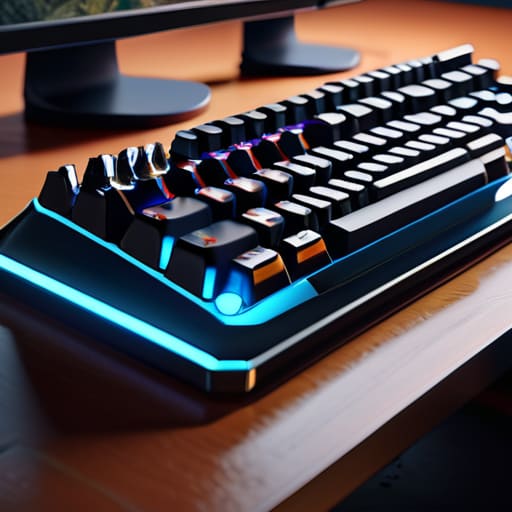
    The Architecture of Intent in gaming setups.

    At its core, building a gaming setup isn’t about chasing the most expensive specs or collecting the flashiest RGB peripherals. It is about the deliberate alignment of hardware and human intention. We have explored how high refresh rates provide the visual clarity necessary for split-second decisions, and how the tactile feedback of a mechanical keyboard can bridge the gap between a thought and an action. When you select your monitors and switches with purpose rather than impulse, you aren’t just buying gear; you are refining the tools of your trade. You are creating a workspace that respects the complex systems you are about to engage with.

    As I sit here with my tea, watching the glow of a screen I’ve spent hours calibrating, I’m reminded that our setups should grow alongside us. The gear you use today is a foundation, not a final destination. Don’t let the pursuit of the “perfect” rig become a distraction in itself. Instead, focus on building an environment that fosters deep focus and genuine joy. Whether you are mastering a complex strategy game or revisiting a classic, remember that the most important component in any setup is your own presence. Play with intention, and the mastery will follow.

    Frequently Asked Questions

    How do I balance the need for high-performance hardware with the ergonomics required to prevent long-term physical strain?

    It’s a delicate equilibrium. We often chase raw specs—frame rates and polling rates—while ignoring the physical cost of the pursuit. To me, a high-performance rig is useless if you’re sidelined by carpal tunnel. Prioritize an adjustable, ergonomic chair and a desk height that keeps your wrists neutral. Don’t let your hardware dictate your posture; your setup should serve your body, ensuring you can actually enjoy the mastery you’re working toward.

    Is it worth investing in premium peripherals if I primarily play slower-paced, strategy-based games rather than competitive shooters?

    It’s a common misconception that premium gear is only for the twitch-reflex crowd. While you don’t need a millisecond-response mouse for a grand strategy game, you do benefit from tactile precision and ergonomic longevity. If you’re spending hours managing complex menus or micro-managing armies, a high-quality mechanical keyboard or a high-resolution display isn’t a luxury—it’s an investment in your cognitive comfort. Play with intention; your hands and eyes will thank you.

    How can I optimize my workspace for focus and intentionality without letting cable management and aesthetic clutter become a distraction?

    Treat your workspace like a circuit board: every component needs its place to function without interference. I’ve learned that visual noise is just cognitive load in disguise. Don’t obsess over a “perfect” Pinterest aesthetic; instead, aim for functional minimalism. Use under-desk trays or simple Velcro ties to tuck away the chaos. If a cable isn’t serving a purpose or providing essential access, it’s just a distraction pulling you away from the system you’re trying to master.
  • Comparing Pc and Console Gaming Experiences

    Comparing Pc and Console Gaming Experiences

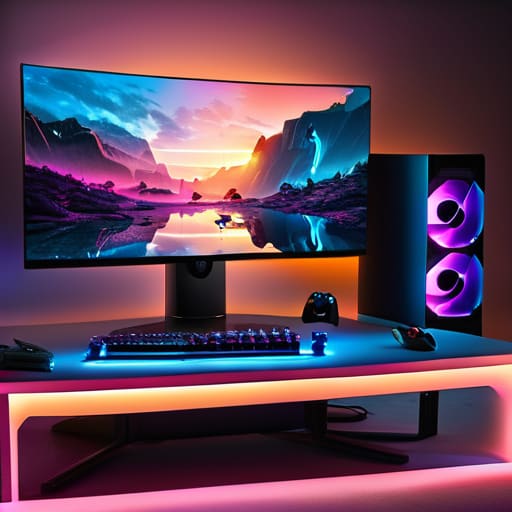
    I remember sitting on my bedroom floor in 1988, the glow of a heavy CRT television illuminating my face as I struggled to master a pixelated platformer. Back then, the hardware was a fixed constant; you played with what you had. Today, the debate of pc vs console feels less like a choice of hardware and more like a choice of philosophy. Are you looking for a seamless, curated experience where you can simply press a button and exist within a world, or are you seeking a high-performance engine that demands your constant attention and fine-tuning? Most people treat this decision like a shopping list of specs, but they’re missing the psychological weight of how these different ecosystems shape our relationship with the games themselves.

    I’m not here to give you a dry list of frame rates or a marketing brochure for the latest GPU. Instead, I want to help you decide which platform aligns with your intentions as a player. We’re going to strip away the tribalism and the hype to look at how each system affects your ability to achieve mastery and find genuine joy. Whether you want a streamlined sanctuary or a complex machine to command, my goal is to ensure you choose the right tool for your specific brand of intentional play.

    Table of Contents

    The Console: The Art of Frictionless Play

    The Console: The Art of Frictionless Play.

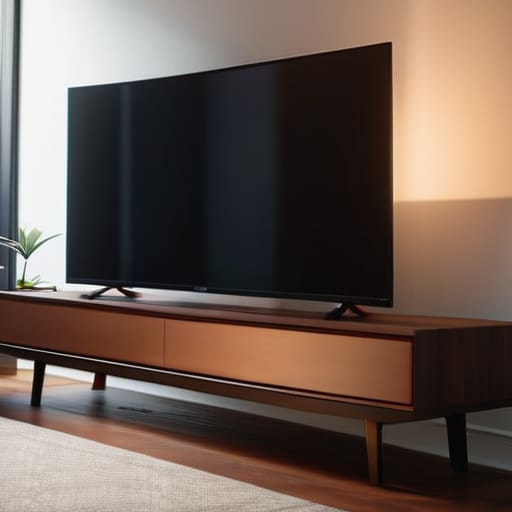
    A console is a dedicated gaming machine designed specifically to deliver a standardized, high-quality experience straight to your television. Its core mechanism relies on a closed ecosystem, where hardware and software are engineered in tandem to ensure that every game runs exactly as the developers intended. When people debate pc vs console, the primary objective selling point for the latter is its unmatched simplicity; you plug it in, press a button, and the machine handles the rest without any technical guesswork.

    To me, this simplicity isn’t about being lazy; it’s about removing the barriers between your intent and the gameplay itself. I remember the days of blowing into cartridges just to get a system to boot, but modern consoles have refined that struggle into something elegant. When I sit down with my Earl Grey after a long day of technical writing, I don’t want to troubleshoot drivers or worry about frame rates. I want to enter a curated headspace where the technology disappears, leaving nothing but the rhythm of the game and my own focus.

    The PC: The Architect’s Playground

    The PC: The Architect’s Playground modular system.

    The PC is a modular, high-performance computing platform that serves as a versatile gateway to nearly every digital medium imaginable. Unlike fixed systems, its core mechanism is built on infinite adaptability, allowing users to hand-pick every component—from the GPU to the cooling system—to meet specific performance thresholds. In the long-standing pc vs console conversation, the PC stands alone as the ultimate tool for those who view gaming not just as a hobby, but as a technical pursuit of peak optimization.

    This level of control changes the way you actually inhabit a digital world. Because you can tune the hardware to your exact psychological needs, you aren’t just playing a game; you are mastering the environment in which it exists. There is a profound, quiet satisfaction in knowing that your refresh rate is perfectly synced to your reaction time or that your custom peripherals are an extension of your own dexterity. It turns the act of gaming into a deliberate, highly personalized craft.

    Gaming Platform Comparison

    Feature PC Console
    Initial Cost High Low
    Performance Potential Extremely High Fixed/Moderate
    Game Library Massive/Diverse Curated/Platform-specific
    Ease of Use Complex/Technical Plug-and-Play
    Upgradeability Fully Modular None/Minimal
    Best For Multitasking & Competitive Play Casual & Local Multiplayer
    Input Options Mouse, Keyboard, Controller Controller-centric

    Mastering Precision Controller vs Mouse and Keyboard

    Mastering Precision Controller vs Mouse and Keyboard

    When we talk about mastery, we aren’t just talking about winning; we are talking about the interface between intention and action. The way you physically interact with a game dictates how much of your cognitive load is spent fighting the hardware versus engaging with the mechanics. If your input method feels sluggish or imprecise, you aren’t truly playing the game—you’re struggling against it.

    The mouse and keyboard setup is an exercise in absolute granularity. With a high-DPI sensor, your hand movements translate to pixel-perfect precision, making it the undisputed king for tactical shooters and complex strategy games. It’s a high-ceiling tool that rewards deliberate practice and muscle memory. However, it lacks the tactile, ergonomic flow of a controller, often feeling clinical and detached during more atmospheric experiences.

    Conversely, the controller is built for intuitive fluidity. Analog sticks and haptic feedback allow for a level of spatial nuance—like subtle steering or gradual character movement—that a keyboard simply cannot replicate. While it lacks the raw aiming speed of a mouse, it offers a sensory connection that makes gaming feel less like a task and more like an extension of your body.

    For pure, unadulterated precision, the mouse and keyboard take the win.

    Analyzing the System Hardware Upgradeability Comparison

    When we talk about the longevity of our setup, we aren’t just talking about hardware; we are talking about the evolution of our capabilities. If you view gaming as a lifelong pursuit, you have to consider whether your system is a static monument or a living, breathing tool that can grow alongside your ambitions. Investing in a platform that hits a ceiling too early can feel less like a choice and more like a forced obsolescence.

    On a PC, the philosophy is one of modularity. If a new rendering technique demands more VRAM, or if you find your processor is bottlenecking your precision, you simply swap a component. It allows for a highly intentional approach to performance, where you tailor the machine to your specific needs. You aren’t just playing the game; you are curating the environment in which you master it.

    Consoles, by contrast, offer a closed ecosystem. You get a predictable, optimized experience, but you are essentially locked into a specific era of technology. When the next generation arrives, your only path forward is typically a complete replacement. There is no middle ground or incremental refinement here.

    For the player who values long-term agency and technical growth, PC is the clear winner.

    Finding Your Intentional Setup

    Stop viewing the choice as a matter of “better” or “worse” and start asking which tool aligns with your specific goals—whether that is the surgical precision of a mouse or the tactile, intuitive flow of a controller.

    Recognize that a console is a curated, closed system designed for seamless immersion, while a PC is an evolving workshop that demands your technical attention and investment to maintain its edge.

    Decide whether you want to master a singular, stable environment or command a modular machine that grows alongside your evolving skill set and hardware needs.

    ## The Philosophy of the Platform

    “Choosing between a PC and a console isn’t just a technical decision; it’s a choice of how you want to engage with the system. Do you want a curated, seamless experience that lets you dive straight into the flow, or do you want a complex machine that demands you master its very architecture?”

    Delia Okonkwo

    The Final Choice: Tools for Your Journey

    Deciding between a PC and a console isn’t about finding a “superior” machine; it’s about identifying which ecosystem aligns with your personal philosophy of play. If you crave the granular control of a mouse and keyboard or the long-term satisfaction of building a custom, upgradeable rig, the PC is your laboratory for mastery. However, if you value the seamless, friction-free experience of a console—where the hardware is a reliable gateway rather than a complex variable—then the couch-centric approach is your path. Both paths offer incredible depth, but they demand different types of mental investment and technical engagement.

    Ultimately, the hardware is just the medium; the real magic happens in the space between your brain and the game’s mechanics. Whether you are clicking a high-precision mouse or tilting an analog stick, remember that the goal isn’t to own the most expensive setup, but to play with intention. Don’t let the specs or the debate over platforms distract you from the actual experience of learning a new system. Pick the tool that lets you disappear into the world, master the challenge, and find that specific, quiet joy that only comes when you are truly in the zone.

    Frequently Asked Questions

    If I'm looking for a way to escape after a long workday, will the complexity of a PC setup actually hinder my ability to just sit down and play?

    That’s the million-dollar question, isn’t it? If your goal is pure decompression, a PC can feel like a second job. Troubleshooting a driver update or managing a bloated library when you’re already mentally taxed is the opposite of “escaping.” A console is a closed system designed for immediate gratification; you press a button, and the world changes. If you want mastery, pick the PC. If you want to disappear, pick the console.

    How much of a financial difference am I really looking at when I factor in the long-term costs of PC peripherals versus the upfront cost of a console?

    It’s a classic trap of perceived value. A console offers a low barrier to entry—you pay once and you’re largely set. But don’t let that initial price tag fool you. With a PC, you aren’t just buying a machine; you’re managing an ecosystem. Between high-polling mice, mechanical keyboards, and the inevitable mid-cycle component upgrades, those “small” peripheral costs stack up. You’re trading a predictable upfront cost for a long-term investment in precision and modularity.

    For someone who values the tactile, nostalgic feel of gaming, is there a way to bridge the gap between the precision of a mouse and the comfort of a controller?

    I get it. There’s a specific kind of soul in the click of a button or the weight of a joystick that a mouse just can’t replicate. If you’re craving that tactile connection without sacrificing precision, look into high-end pro controllers with hall-effect sensors or even specialized arcade sticks. For me, it’s about finding that middle ground where the hardware feels like an extension of your intent, rather than just a plastic peripheral.

  • How to Control the Tempo of a Match

    How to Control the Tempo of a Match

    I remember sitting on my bedroom floor in 1988, the glow of a heavy CRT monitor washing over me as I gripped a controller with white-knuckled intensity. I thought that winning meant being the fastest—that if I could just mash the buttons with enough frantic energy, I could overpower any boss. But I was wrong. I was playing hard, but I wasn’t playing smart. I didn’t realize that true mastery wasn’t about speed; it was about tempo control. I spent years thinking high-level play required superhuman reflexes, when in reality, it just required the discipline to breathe between the chaos.

    In this guide, I’m stripping away the flashy, overhyped tutorials that treat gaming like a reflex test. Instead, I want to talk to you about the psychology of the rhythm behind the mechanics. I’m going to share how you can stop reacting to the screen and start dictating the flow of the game through intentional tempo control. My goal isn’t to turn you into a button-masher with fast fingers, but to help you become a player who understands exactly when to strike and, more importantly, when to wait.

    Table of Contents

    Mastering Strategic Rhythm Management

    Mastering Strategic Rhythm Management in combat.

    To truly master a system, you have to stop reacting to what the game throws at you and start dictating the terms of the engagement. This is where strategic rhythm management becomes your greatest asset. It’s not about how fast you can click or how many inputs you can jam into a single second; it’s about understanding when to press and, more importantly, when to hold back. When I’m dissecting a difficult boss encounter, I look for the natural ebb and flow of the combat loop. If you try to maintain a constant peak of aggression, you’ll eventually hit a wall of exhaustion or a fatal mistake.

    Instead, you should focus on controlling game flow by alternating between periods of high-pressure execution and calculated lulls. Think of it like a breath: if you never exhale, you’ll suffocate. By intentionally managing your intensity levels, you force the game’s AI or your opponent into a predictable pattern. You aren’t just playing the game anymore; you are orchestrating a sequence of events that leads to an inevitable conclusion. This is the difference between a player who is merely surviving and one who is truly mastering the mechanics.

    Controlling Game Flow Through Systemic Intent

    Controlling Game Flow Through Systemic Intent.

    When we talk about controlling game flow, we aren’t just talking about reacting to what’s on the screen; we are talking about dictating the terms of the engagement. Most players fall into the trap of being purely reactive, letting the game’s internal logic push them into a frantic, defensive state. This is where the psychological weight of a game can start to feel overwhelming. By applying psychological pacing techniques, you can learn to recognize when the system is trying to force a crescendo and, instead, choose to pull back. It’s about creating your own breathing room within the chaos.

    True mastery comes when you stop fighting the mechanics and start leveraging them to manage intensity levels. If you find yourself stuck in a loop of mindless button-mashing, you’ve lost the lead. I’ve found that the most effective way to regain command is to identify the specific cadence of the encounter. Whether it’s a boss fight or a high-stakes skirmish, you need to decide when to accelerate and when to let the tension simmer. When you play with this kind of systemic intent, you aren’t just surviving the level—you are orchestrating it.

    Five Ways to Stop Reacting and Start Dictating

    • Recognize the “Cooldown” Windows. Every high-stakes encounter has a breath between the chaos. Instead of mashing through a boss’s phase, learn to identify the exact moment their animation resets. That’s your window to strike or reposition without being punished.
    • Don’t Mistake Activity for Progress. I see so many players burning through resources just to keep the screen moving. If you aren’t advancing your position or depleting an enemy’s defense, you’re just spinning your wheels. Slow down to speed up.
    • Master the Art of the Bait. True tempo control often involves playing “badly” on purpose. By offering a controlled opening, you draw the opponent into a predictable rhythm, allowing you to counter-play exactly when they think they have the upper hand.
    • Manage Your Resource Economy. Whether it’s mana, stamina, or ammunition, your resources dictate your tempo. If you bottom out your meter during a lull, you’ve lost control of the next engagement. Always play with a buffer in mind.
    • Listen to the Game’s Internal Pulse. Every system has a beat—the timing of an enemy’s swing, the reload speed of a turret, the rhythm of a platforming sequence. Once you stop fighting the clock and start moving with it, the game stops feeling like a struggle and starts feeling like a dance.

    Key Lessons for Intentional Play

    Stop reacting to the screen and start anticipating the system; true mastery comes from understanding the rhythm before it even hits you.

    Treat every input as a choice, not a reflex, to ensure you are driving the game’s flow rather than being swept away by it.

    Use tempo as a tool for psychological control, slowing down to reset your focus or accelerating to exploit an opponent’s hesitation.

    The Pulse of the System

    “Tempo isn’t just about speed; it’s about knowing exactly when to press the accelerator and when to let the game breathe. If you’re always sprinting, you aren’t playing the system—you’re just letting it run you over.”

    Delia Okonkwo

    Finding Your Own Cadence

    Finding Your Own Cadence through calculated control.

    At its core, mastering tempo isn’t about reacting faster than the machine; it’s about understanding the underlying heartbeat of the system you’re playing. We’ve looked at how strategic rhythm management prevents you from being overwhelmed and how systemic intent allows you to dictate the flow of combat or strategy rather than merely surviving it. When you stop mashing buttons in a panic and start reading the ebb and flow of the game’s mechanics, you move from a state of reactive chaos to one of calculated control. You aren’t just playing the game anymore; you are navigating its architecture.

    As I sit here with my tea, watching the pixels dance on a screen, I’m reminded that this skill translates far beyond the console. Whether you are tackling a punishing rogue-like or a complex grand strategy title, the ability to pause, assess, and choose your moment is what separates a casual player from a master. Don’t let the speed of modern gaming rush you into mindless consumption. Instead, embrace the pauses, respect the build-up, and play with intention. The real joy isn’t found in the frantic rush to the finish line, but in the graceful mastery of the journey itself.

    Frequently Asked Questions

    How can I tell the difference between a game's natural pacing and the tempo I actually have control over?

    Think of it this way: pacing is the heartbeat the developer designed—the scripted swells of tension and the inevitable lulls. You can’t change the song, but you can change how you dance to it. I look for the “reaction windows.” If a boss has a three-second telegraph, that’s the game’s pacing. But how quickly you exploit that window to reset the engagement? That’s your tempo. Pacing is the environment; tempo is your agency within it.

    Is there a risk of over-calculating my moves and losing the intuitive "flow state" that makes gaming enjoyable?

    It’s a valid fear, and one I’ve felt myself when diving too deep into the mechanics. There is a fine line between mastery and paralysis by analysis. Think of tempo not as a math equation to solve in real-time, but as a muscle memory you’re building. You use the calculation during practice to understand the system, so that during the heat of play, your intuition can take over. Aim for informed instinct, not hesitation.

    In fast-paced multiplayer environments, how do you maintain intentional tempo when the opponent is constantly trying to force you into chaos?

    When the chaos hits, your first instinct is to react—but reaction is often just a polite way of saying you’ve lost control. To maintain tempo, you have to stop playing their game and start imposing your own. Instead of matching their frantic pace, look for the “breathing room” in their aggression. Use defensive positioning or deliberate delays to force them to overextend. If you can turn their frantic energy into predictable patterns, you’ve reclaimed the rhythm.

  • Factors That Affect the Comfort of Gaming Headsets

    Factors That Affect the Comfort of Gaming Headsets

    I was halfway through a particularly intense boss fight in a classic RPG last Tuesday when I felt that familiar, dull ache blooming behind my ears. My lukewarm Earl Grey had gone cold, forgotten, because I was too busy fighting the physical distraction of a headset that felt more like a medieval torture device than a piece of high-end tech. We’ve been sold this lie that “pro-grade” gear needs to be heavy, bulky, and aggressive to be effective, but let’s be honest: if you’re constantly adjusting your gear, you aren’t mastering the game—you’re just managing your own discomfort. True gaming headset comfort shouldn’t be a luxury or a marketing buzzword; it should be the silent baseline that allows you to disappear into the mechanics of the world you’re playing in.

    I’m not here to walk you through a list of overpriced RGB-lit gadgets that promise the moon but deliver a headache. Instead, I want to look at the actual ergonomics and material science that matter for long-term play. My goal is to help you cut through the marketing fluff and identify what truly works for your anatomy, ensuring your gear stays out of your way so you can focus on what actually matters: the skill and the joy of the game.

    Table of Contents

    Clamping Force Ergonomics and the Art of Sustained Play

    Clamping Force Ergonomics and the Art of Sustained Play

    When I’m deep in a session—the kind where the world outside my desk disappears—the last thing I want to feel is my hardware fighting against me. This is where clamping force ergonomics becomes a critical factor in whether I finish the level or end up reaching for a break prematurely. If the tension is too light, the soundstage feels disconnected; if it’s too heavy, you’re left with a dull ache around your temples that breaks your focus entirely. I’ve learned that true mastery requires a headset that stays “invisible” through consistent pressure distribution.

    It isn’t just about the squeeze, though; it’s about how that pressure interacts with your anatomy. I always look for effective headband pressure relief to ensure the weight isn’t concentrated solely on the crown of my head. When you combine a well-balanced clamp with high-quality memory foam ear pads, you create a seal that prioritizes both acoustic isolation and physical ease. For me, the goal is simple: I want to focus on the intricate mechanics of the game, not on the mounting discomfort of my gear.

    Over Ear vs on Ear Comfort Choosing Your Tactical Advantage

    Over Ear vs on ear Comfort Choosing Your Tactical Advantage

    When deciding between over-ear and on-ear styles, I find it helpful to view the choice through the lens of sensory management. On-ear models are often lighter and more compact, which can be great for quick sessions, but they tend to press directly against the cartilage of your ears. After an hour of intense focus, that constant contact can lead to significant discomfort. If you are someone who gets easily distracted by physical sensations, the direct pressure of an on-ear design might actually break your flow during critical gameplay moments.

    For those of us aiming for deep immersion, I almost always lean toward over-ear designs. By encircling the ear rather than pressing against it, these headsets allow for much better headband pressure relief and a more even distribution of weight. This is where the material choice becomes vital; I’ve learned the hard way that while leatherette offers great sound isolation, it can trap heat. If you’re prone to overheating, looking for breathable fabric vs leatherette options is a smart move for long-term gaming fatigue prevention. Ultimately, it’s about choosing the architecture that lets you forget you’re even wearing anything at all.

    Small Adjustments for Long-Term Focus

    • Check your headband tension every hour; if you feel a dull ache at the crown of your head, your headset is likely misaligned and putting too much pressure on your skull rather than your ears.
    • Don’t ignore the heat; if your ear cups are made of synthetic leather, they trap moisture, so consider switching to breathable fabric pads if you find yourself losing focus due to physical discomfort.
    • Mind your posture as much as your gear; a heavy headset will feel twice as punishing if you’re slouching, so keep your spine neutral to distribute the weight more evenly across your neck.
    • Give your ears a break by practicing the 50/10 rule—fifty minutes of play followed by ten minutes of silence—to prevent the physical fatigue that often comes from constant acoustic pressure.
    • Calibrate the weight distribution by adjusting the slider increments; even a few millimeters of difference in how the ear cups sit can be the difference between a seamless session and a headache.

    Finding Your Equilibrium: The Essentials of Long-Term Comfort

    Prioritize clamping force that stays consistent; if you have to readjust your headset every twenty minutes, you aren’t playing the game, you’re fighting your gear.

    Match the ear cup style to your physical anatomy rather than the marketing hype, as the wrong fit will inevitably lead to heat buildup and mental fatigue.

    Treat your headset as a tool for focus, not just an accessory, because true mastery requires hardware that disappears so your brain can stay locked into the mechanics.

    The Cognitive Cost of Discomfort

    “When a headset starts to pinch or feel heavy, your brain stops processing the game’s mechanics and starts processing the pain; you can’t achieve true mastery if you’re constantly fighting your own gear.”

    Delia Okonkwo

    The Final Connection

    Achieving The Final Connection through comfort.

    At the end of the day, choosing a headset isn’t just about finding the loudest drivers or the flashiest RGB lighting; it’s about managing the physical interface between you and the game. We’ve looked at how clamping force can either anchor your focus or become a distracting source of tension, and how the choice between over-ear and on-ear designs fundamentally shifts your tactical comfort during a long session. If your gear is fighting against your anatomy, you aren’t truly playing—you’re merely enduring. To master a complex system, you must first ensure that your hardware allows you to achieve a state of flow without physical interruption.

    As I sit here with my tea, watching the light fade and reflecting on how much gaming tech has evolved since my days with bulky, wired controllers, I’m reminded that our relationship with these tools is constantly shifting. We shouldn’t settle for “good enough” when it comes to our sensory experience. When you invest the time to find the right fit, you aren’t just buying an accessory; you are refining your environment. Treat your setup with intention, respect your body’s limits, and remember that the most profound victories often happen when the technology finally disappears, leaving nothing but you and the game.

    Frequently Asked Questions

    How can I tell if my headset's clamping force is actually damaging my focus rather than just being a minor annoyance?

    It’s easy to dismiss a little pressure as “part of the kit,” but there’s a psychological line between focus and distraction. If you find yourself micro-adjusting the headset every ten minutes, or if you’re feeling a dull ache around your temples that mimics a tension headache, your brain is no longer processing game mechanics—it’s processing physical discomfort. When your cognitive load is hijacked by managing pain, you’ve lost your tactical edge.

    Are there specific materials for ear cushions that won't make my ears sweat during intense, high-stakes sessions?

    If you’re deep in a high-stakes match, the last thing you need is that claustrophobic, sweaty feeling. Avoid cheap protein leather; it’s essentially plastic and traps heat like a greenhouse. For sustained focus, I always look for breathable velour or high-quality fabric cushions. They allow for better airflow, keeping your skin cool. If you can find hybrid pads—part leather for seal, part mesh for breathability—you’ve found the sweet spot for long-term mastery.

    Is it worth investing in a premium ergonomic headset, or can I achieve the same level of comfort with a budget-friendly model?

    It’s a tempting question, especially when you see those massive price tags. Here’s my take: if you’re a casual player, a budget model is fine. But if you’re someone who dives deep into complex systems for hours, the investment matters. Premium headsets aren’t just about better sound; they’re about better materials—breathable fabrics and weight distribution that won’t cause fatigue. I’d rather pay for a headset that disappears on my head than one that reminds me it’s there.

  • How to Develop Better Aim Through Consistent Practice

    How to Develop Better Aim Through Consistent Practice

    I remember sitting in my dimly lit home office last Tuesday, nursing a cup of lukewarm Earl Grey, watching a teenager on a livestream swear that a $200 specialized mousepad was the “secret sauce” to his mechanical prowess. It’s the same tired, expensive myth I’ve seen recycled for decades: the idea that you can simply buy your way out of a lack of discipline. We’ve turned aim training into this high-priced ritual of gear obsession and mindless clicking, rather than what it actually is—a psychological and mechanical process of building muscle memory and cognitive focus.

    I’m not here to sell you a new peripheral or a complex, twenty-step routine that feels more like a second job than a way to improve. My goal is to strip away the fluff and look at the intentionality behind every movement. In this guide, I’m going to share how you can approach your practice with a clear, analytical mindset, focusing on the actual mechanics that bridge the gap between “getting lucky” and true mastery. We’re going to stop playing against the clock and start playing with purpose.

    Table of Contents

    Mastering the Mechanics Flick Shots vs Tracking

    Mastering the Mechanics Flick Shots vs Tracking

    When we break down the mechanics of precision, we find ourselves at a fundamental crossroads: are you a reactive player or a predictive one? In my experience, understanding the distinction between flick shots vs tracking is where the real skill development begins. Flicking is that explosive, instantaneous burst of movement—think of it as a cognitive “snap” where your brain calculates a distance and your hand executes a sudden correction. It’s highly dependent on your raw reaction time improvement and that initial burst of neuromuscular speed.

    Tracking, however, is a different beast entirely. It’s less about the “snap” and more about the sustained rhythm of your movement. It requires a level of micro-adjustment and steady hand-eye coordination exercises that most casual players completely overlook. While flicking wins you the flashy highlight reel, consistent tracking is what actually wins the long-form engagements in high-stakes matches. You can’t just rely on instinct; you have to treat your mouse movement like a continuous stream of data, constantly correcting for the target’s velocity. Mastering both is the only way to move from accidental hits to true mechanical mastery.

    Optimizing Your Tools Gaming Mouse Dpi Settings

    Optimizing Your Tools Gaming Mouse Dpi Settings

    I used to think that higher DPI was always better—the faster the cursor, the more “pro” I felt. But through years of analyzing how our motor systems respond to stimulus, I’ve learned that chasing numbers is a trap. High sensitivity often leads to micro-jitters that sabotage your precision. When you’re working on flick shots vs tracking, consistency is your most valuable asset. I prefer finding a “sweet spot” where my movements feel like an extension of my intent rather than a frantic struggle against the sensor.

    Setting your gaming mouse DPI settings isn’t about finding a magic number; it’s about creating a reliable feedback loop between your brain and the screen. If your sensitivity is too high, you’re forcing your nervous system to compensate for constant overcorrection, which leads to fatigue. I suggest starting at a lower, more stable DPI and building your muscle memory from there. It takes longer to adjust, but it’s the only way to ensure your hand-eye coordination exercises actually translate into meaningful progress during a high-stakes match.

    Beyond the Grind: Five Ways to Train with Intention

    • Stop mindless clicking. It’s easy to fall into the trap of running an aim trainer for an hour while scrolling through your phone, but that’s just rehearsing bad habits. If you aren’t focusing on the micro-adjustments of your wrist, you aren’t actually training; you’re just fidgeting.
    • Prioritize smoothness over speed. In my experience, players often rush to hit high scores in training scenarios, which leads to jittery, erratic movement. Slow down. Focus on a steady, fluid path from point A to point B. The speed will come naturally once your nervous system understands the rhythm.
    • Context is everything. Training in a vacuum is fine for raw mechanics, but it doesn’t account for the chaos of a real match. Mix in some movement-based training. If you’re practicing tracking but never moving your character, you’re building a skill that will fail you the moment you’re forced to strafe.
    • Listen to your body, not just the scoreboard. As someone who’s been gaming since the arcade days, I know how quickly a repetitive strain can sideline you. If your hand feels tight or your focus starts to slip, step away. Pushing through physical discomfort isn’t “grinding”—it’s a recipe for injury.
    • Analyze your failures. When you miss a shot, don’t just reset the drill. Take a second to ask why. Did you overflick because your tension was too high? Did you undershoot because your mousepad is worn out? Treat every miss like a data point in a psychological study; it’s the only way to actually solve the problem.

    The Intentional Player’s Checklist

    Stop treating aim training like a mindless chore; treat it as a study of your own muscle memory and reaction patterns.

    Understand the fundamental difference between flicking and tracking so you can tailor your practice to the specific demands of your favorite genre.

    Don’t let your hardware dictate your skill—find a DPI and sensitivity that feels like a natural extension of your hand, not a technical hurdle you’re constantly fighting.

    ## Beyond the Reflex

    “Aim training isn’t about building a faster twitch reflex; it’s about rewiring your brain to understand the relationship between your intent and the digital space. If you aren’t training with a specific purpose, you’re just practicing how to be inconsistent.”

    Delia Okonkwo

    The Path to Mastery

    The Path to Mastery in gaming skills.

    At this point, you have the framework. We’ve looked at the fundamental distinction between the explosive energy of flick shots and the disciplined patience required for tracking, and we’ve discussed how your hardware—specifically your mouse DPI—serves as the bridge between your intent and the screen. It is easy to get lost in the weeds of settings and technical minutiae, but remember that these are merely tools to support your cognitive load. The goal isn’t to have the most expensive setup or the most complex routine; it is to create a seamless connection between your brain’s decision-making and your hand’s physical execution. When you stop guessing and start analyzing your movement, you move from being a passenger in your matches to being the driver.

    As I sit here with my tea, watching the progress on my own recent training sessions, I am reminded that skill isn’t a destination you reach and then suddenly inhabit. It is a constant, evolving dialogue between you and the game’s systems. There will be days when your aim feels heavy and unresponsive, and that is perfectly fine. The secret is to play with intention even on the bad days. Don’t just grind through a routine to check a box; use those moments to observe how your focus shifts. Gaming is a lifelong pursuit of refinement, and if you approach your training with curiosity rather than frustration, you will find a level of satisfaction that a simple win streak can never provide.

    Frequently Asked Questions

    How do I know if I'm actually improving or if I'm just hitting a plateau from mindless repetition?

    To tell the difference, you have to stop looking at your raw score and start looking at your process. If you’re hitting the same numbers every session but your movement feels heavy or your reaction time feels sluggish, you’re likely just grinding through muscle memory without cognitive engagement. Real improvement feels like a series of small, conscious adjustments. If you can’t explain why you missed a shot, you aren’t training; you’re just performing a repetitive task.

    Is it better to focus on short, intense training bursts or longer, more relaxed sessions?

    I’ve found that quality always trumps raw volume. If you’re grinding for three hours straight, you aren’t training; you’re just building bad habits through fatigue. I prefer short, intense bursts—twenty to thirty minutes of high-focus drills. It keeps your brain sharp and your movements intentional. Think of it like a mental workout: if you’re too tired to maintain precision, you’re actually training your muscle memory to be sloppy. Keep it brief, keep it focused.

    How much of my poor aim is actually due to my hardware versus my physical technique and muscle memory?

    It’s a tempting question to ask because blaming a mouse or a monitor feels easier than admitting our hands aren’t doing what our brains want. In my experience, hardware provides the floor, but your technique sets the ceiling. A bad sensor will cause jitter, sure, but if your muscle memory is inconsistent, even the most expensive setup won’t save you. Focus on your physical fundamentals first; the gear is just there to facilitate the mastery.

  • How Artificial Intelligence Shapes Gameplay

    How Artificial Intelligence Shapes Gameplay

    I was sitting at my workbench last night, mid-way through a delicate soldering job on a Game Boy Color, when I realized how much the conversation around ai in games has drifted into pure marketing fluff. Everyone is obsessed with the idea of “living, breathing worlds,” but most of the time, we’re just being sold more expensive ways to be frustrated by broken scripts. We’ve moved away from the elegant, predictable logic of the arcade era—where you could actually learn a pattern—and into this murky territory of procedural chaos that often feels less like intelligence and more like a glitchy mess.

    I’m not here to sell you on the hype or tell you that every NPC is about to become your best friend. My goal is to peel back the layers of these new systems so you can understand how they actually function under the hood. We are going to look at how to move past the distraction and start playing with intention again. I’ll show you how to recognize when a system is designed to challenge your skill and when it’s just noise, helping you master the mechanics rather than just reacting to them.

    Table of Contents

    Beyond Finite State Machines for Npcs

    Beyond Finite State Machines for Npcs concept.

    For years, we’ve grown accustomed to the predictability of NPCs. You know the drill: a guard walks a set path, turns left at the corner, and attacks only when you cross an invisible line. These traditional finite state machines for NPCs served us well in the era of 8-bit sprites, but they lack the soul of a truly living world. They are reactive, not proactive, and they often feel like clockwork toys rather than inhabitants of a digital space. When a character can only ever exist in three or four pre-defined states, the illusion of life quickly shatters.

    The shift toward more sophisticated systems is where things get interesting for those of us who love to deconstruct mechanics. By integrating machine learning in game development, creators are moving toward agents that don’t just follow a script, but actually learn from player behavior. Imagine an adversary that recognizes your tendency to flank or your reliance on a specific power-up, adjusting its strategy in real-time. We are moving away from scripted loops and toward emergent gameplay, where the challenge feels personal because the system is actually paying attention to how you play.

    Neural Networks in Gaming Mastering Complexity

    Neural Networks in Gaming Mastering Complexity.

    If finite state machines are the rigid skeletons of classic gaming, then neural networks in gaming represent the nervous system. Unlike the predictable loops of old-school NPCs, these models allow for a level of nuance that mimics actual cognition. I’ve spent hours observing how traditional behavior trees in game design can feel scripted—you eventually learn the pattern, and the magic evaporates. But when we introduce machine learning in game development, we move toward entities that don’t just react, but adapt. They learn from your specific playstyle, making the challenge feel less like a math problem to solve and more like a sparring partner that evolves alongside you.

    This shift changes our relationship with the screen. We are no longer just memorizing frames or exploit patterns; we are engaging with a living system. This is where the concept of dynamic difficulty adjustment becomes truly profound. Instead of a blunt “easy” or “hard” toggle, the game senses your frustration or your flow and subtly recalibrates the tension. It’s about finding that perfect psychological sweet spot where the struggle feels earned, rather than arbitrary.

    Playing with the Ghost in the Machine: How to Master AI-Driven Worlds

    • Don’t mistake unpredictability for chaos; when an NPC starts acting outside of its programmed loops, treat it as a new mechanic to learn rather than a bug to ignore.
    • Observe the patterns behind the procedural generation—even the most complex AI follows underlying logic, and finding that rhythm is the key to mastering dynamic environments.
    • Use AI-driven difficulty scaling as a training tool, not a crutch; if the game is adjusting to your skill level, push yourself to play slightly ahead of the curve to keep your reflexes sharp.
    • Study the “intent” of the machine; when playing against neural-network-based opponents, try to deduce their decision-making process to turn their simulated intelligence into your tactical advantage.
    • Maintain your own agency in an automated world; it’s easy to let smart systems dictate your playstyle, but true mastery comes from using those systems to enhance your own strategic choices.

    Mastering the Shift: What This Means for the Player

    Stop viewing AI as a mere background element; start seeing it as a dynamic partner that requires you to adapt your strategy in real-time.

    As NPCs move away from predictable loops, your success will depend more on your ability to read complex patterns than on memorizing simple patterns.

    Don’t let the complexity of these new systems overwhelm you—embrace the challenge of learning to play alongside more “intelligent” worlds to truly sharpen your intuition.

    The Shift from Scripts to Systems

    We need to stop viewing AI as a way to automate the fun out of a game and start seeing it as a tool to deepen the challenge; the goal isn’t to build an opponent that’s impossible to beat, but one that forces us to actually think, adapt, and evolve alongside the system.

    Delia Okonkwo

    The Human Element in a Synthetic World

    The Human Element in a Synthetic World.

    We have moved far beyond the predictable loops of early NPC programming and the rigid logic of simple decision trees. As we’ve explored, the integration of neural networks and more fluid AI architectures is fundamentally shifting how we interact with digital environments. These aren’t just technical upgrades; they are shifts in the psychological contract between the player and the machine. By moving away from predictable patterns and toward systems that can truly mirror complexity, developers are creating landscapes that demand more than just button-mashing. They are demanding that we play with intention, reacting to a world that feels increasingly alive and responsive to our specific choices.

    Ultimately, the rise of sophisticated AI shouldn’t be viewed as a threat to the skill or the “soul” of gaming, but as a new frontier for mastery. As these systems become more nuanced, our ability to read, adapt, and overcome them will become the new benchmark of a true gamer. Don’t let the complexity of the algorithm intimidate you; instead, use it as a tool to sharpen your own cognitive agility. Whether you are playing a modern masterpiece or a restored handheld from my childhood, the goal remains the same: to find the rhythm within the system and turn a digital challenge into a personal triumph.

    Frequently Asked Questions

    If NPCs become too unpredictable with these new neural networks, will we lose the ability to actually learn and master game patterns?

    That is the million-dollar question, isn’t it? If a system becomes a black box of pure randomness, the “skill” element evaporates. We don’t play to be tricked by chaos; we play to decode patterns. The real danger isn’t unpredictability itself, but the loss of legible logic. For gaming to remain a pursuit worth mastering, developers must ensure these AI systems provide meaningful feedback, not just erratic behavior that leaves us feeling helpless rather than challenged.

    How do we ensure that AI-driven procedural generation maintains a sense of intentional design rather than just becoming a chaotic mess of assets?

    To prevent procedural generation from devolving into a digital junk drawer, we have to stop viewing it as “randomness” and start seeing it as “constrained creativity.” Developers must implement strict semantic rules—essentially guardrails—that dictate how assets interact. It’s about layering algorithmic logic with human-designed templates. We need systems that understand context, ensuring a mountain range feels like a landmark rather than just a jagged glitch in the terrain. Intentionality is born from those constraints.

    As these systems grow more complex, will the "skill gap" in gaming widen between those who understand the underlying mechanics and those who just let the algorithms do the work?

    I think we’re staring down a real divide. As systems become more opaque, it’s easy to fall into a “passenger” mindset, letting the algorithm smooth out every rough edge. But if you stop engaging with the logic behind the curtain, you lose the very thing that makes gaming rewarding: agency. The skill gap won’t just be about reflexes anymore; it will be about who understands the system and who is simply being played by it.

  • A No-nonsense Guide to Building a Functional Tabletop Gaming Room (without the Hype)

    A No-nonsense Guide to Building a Functional Tabletop Gaming Room (without the Hype)

    I remember sitting in my parents’ basement in the late 80s, surrounded by a chaotic tangle of controller cords and half-empty soda cans, trying to focus on a strategy guide while my friends argued over game rules. It was pure chaos, and frankly, it was inefficient. Most people think that learning how to set up a local tabletop gaming room is just about buying a big enough table and shoving some chairs around a spare room, but that’s a mistake. If you don’t respect the cognitive demands of the games you’re playing, you aren’t building a gaming space; you’re just building a cluttered basement.

    In this guide, I’m going to strip away the fluff and show you how to architect a space that actually serves your playstyle. We aren’t just talking about furniture; we are talking about lighting, ergonomics, and organizational systems that allow you to focus on the mechanics rather than the mess. I’ll provide you with a practical, no-nonsense roadmap for how to set up a local tabletop gaming room that fosters deep immersion and intentional mastery. Let’s stop just playing and start designing an arena worth your time.

    Guide Overview

    Total Time: 1-2 weekends
    Estimated Cost: $300-800
    Difficulty: Intermediate

    Tools & Supplies

    • Measuring tape for spatial planning
    • Power drill for furniture assembly
    • Level to ensure flat playing surfaces
    • Large dining or dedicated gaming table (1 unit)
    • Ergonomic chairs (4-6 units)
    • LED lighting strips or smart bulbs (2-3 sets)
    • Shelving units for game storage (2 units)
    • Area rug for sound dampening (1 unit)

    Step-by-Step Instructions

    • 1. First, you need to evaluate your spatial psychology. Before you buy a single piece of furniture, walk through your room and observe how the light hits the floor and where the natural traffic flows. You aren’t just placing a table; you are defining a zone where the outside world ceases to exist. If the room feels cramped or chaotic, your brain will struggle to enter that state of deep focus required for complex rulebooks.
    • 2. Next, invest in a table that respects the scale of your systems. I’ve seen too many players struggling to manage massive campaign maps on tiny coffee tables, and it kills the immersion instantly. Look for a surface that is deep enough to accommodate both a sprawling board and enough elbow room for players to move freely. A sturdy, flat surface is non-negotiable; a wobbling table is a constant, subconscious distraction that pulls you out of the game.
    • 3. Lighting is where most people fail, treating it as an afterthought rather than a tool. Avoid harsh, overhead fluorescent lights that create glare on glossy game boards and cause eye strain. Instead, aim for layered lighting: a combination of soft ambient light for the room and focused, adjustable task lighting directly over the playing surface. This creates a visual hierarchy that keeps the players’ attention exactly where it belongs—on the mechanics at hand.
    • 4. Don’t neglect the ergonomics of your seating. Since we aren’t talking about a quick thirty-minute session, but rather hours of strategic maneuvering, your chairs need to be more than just “comfortable enough.” Look for chairs that offer lumbar support and allow for easy movement. If your players are physically uncomfortable, their cognitive load increases, and they’ll start making sloppy tactical errors simply because they’re trying to shift their weight.
    • 5. Organize your inventory with intentionality. A pile of unorganized dice, rulebooks, and miniatures is just visual noise that disrupts the mental flow. I recommend using modular storage solutions—think specialized trays, tiered organizers, or even custom-built inserts—that allow you to deploy components quickly and cleanly. When everything has a dedicated home, the transition from setup to gameplay becomes a seamless ritual rather than a chore.
    • 6. Finally, curate the acoustic environment. Sound is a powerful psychological trigger; a room that is too quiet can feel sterile, while one that is too loud becomes a chaotic mess. Think about your acoustic dampening—rugs, heavy curtains, or even bookshelves can help absorb excess noise and prevent echoes. Once the physical space is set, you can layer in a subtle, low-volume soundscape to anchor the mood and signal to everyone that the session has officially begun.

    Architecting Comfort With Ergonomic Gaming Chairs for Tabletop

    Architecting Comfort With Ergonomic Gaming Chairs for Tabletop.

    We often focus so much on the table and the terrain that we completely overlook the person sitting in the chair. I’ve spent many long sessions hunched over a complex strategy game, only to realize my back was screaming at me halfway through a campaign. If you’re serious about long-term play, investing in ergonomic gaming chairs for tabletop sessions isn’t a luxury; it’s a necessity for sustained focus. You need something that supports your lumbar during those intense, three-hour decision-making phases, rather than a standard dining chair that forces you into a rigid, uncomfortable posture.

    Look for seating that allows for micro-adjustments. When you’re deep in a tactical maneuver, you shouldn’t be fighting your own furniture. The goal is to minimize physical distraction so your brain can stay fully immersed in the game’s mechanics. Ideally, your chair should work in tandem with your seating arrangement to prevent fatigue. If your body is constantly compensating for poor support, you aren’t playing with intention—you’re just managing discomfort. Prioritize stability and adjustable armrests to ensure that your physical state remains as steady as your strategic mind.

    Engineering Focus Through Optimal Lighting for Board Games

    Lighting isn’t just about being able to see the board; it’s about managing cognitive load. When we sit down for a heavy strategy session, our brains are already working overtime to process complex rules and spatial layouts. If you’re squinting under a single, harsh overhead bulb, you’re introducing unnecessary friction into the experience. I’ve found that the key to optimal lighting for board games is layering. You want a diffuse ambient light to prevent eye strain, paired with a dedicated, adjustable task lamp that sits close to the play area. This allows you to highlight specific components—like tiny tokens or intricate card text—without washing out the entire room in a sterile glare.

    Avoid the trap of relying solely on natural light, too. While a sun-drenched room sounds idyllic, the shifting shadows and inevitable glare on glossy board surfaces can be incredibly distracting. I prefer a setup that utilizes warm-spectrum LED lighting, which mimics a more natural environment and helps maintain focus during those long, four-hour marathons. If you can, position your light sources to minimize shadows cast by players’ hands or pieces. When the lighting is intentional, the environment fades into the background, leaving only the mechanics and the players.

    Beyond the Surface: Five Systems for a High-Performance Gaming Environment

    • Prioritize acoustic management; don’t let the echoes of a dice roll or a loud debate shatter your concentration, so invest in soft surfaces or acoustic panels to dampen the noise.
    • Curate your storage with intent, moving away from cluttered cardboard piles toward modular organizers that treat your game components like the precision instruments they are.
    • Master the micro-climate by ensuring your ventilation is robust enough to keep the room fresh during intense four-hour sessions without creating a draft that chills your tea.
    • Establish a dedicated “tech station” for digital integration, providing easy access to charging ports and tablet stands so your supplementary tools don’t become a tangled mess of cables.
    • Designate a clear zone for refreshments that sits just outside the primary play area, preventing the inevitable tragedy of a spilled drink compromising a rare expansion piece.

    The Final Build: From Room to Sanctuary

    Setting up a dedicated tabletop space isn’t just about buying a bigger table or a fancy lamp; it’s about the intentional integration of ergonomics, lighting, and layout to support the cognitive demands of the games we love. We’ve looked at how the right chair prevents physical fatigue and how precise lighting keeps the focus where it belongs—on the board. When you align these physical elements, you aren’t just decorating a room; you are optimizing a system designed to facilitate deep immersion and complex decision-making.

    At the end of the day, your gaming room is a living extension of your passion. It is a place where mechanics meet mindfulness and where the chaos of the outside world fades into the background of a well-played session. Don’t feel pressured to achieve perfection overnight; instead, view your space as a work in progress that evolves alongside your skill and your collection. Build it with intention, play with purpose, and most importantly, let the space serve the joy of the game.

    Once you’ve mastered the physical layout, don’t forget that the most vital component of any gaming room is the community that breathes life into it. A space is just furniture and lighting until you have people to share the strategy with, so I always suggest looking for ways to connect with others who share your specific interests. If you’re looking to find some meaningful connections or just want to see how others are structuring their own play sessions, checking out some local chat in UK can be a fantastic way to bridge the gap between a solitary setup and a vibrant gaming culture.

  • A No-nonsense Guide to Building a Custom Mechanical Keyboard: Mastering the System Beyond the Hype

    A No-nonsense Guide to Building a Custom Mechanical Keyboard: Mastering the System Beyond the Hype

    I remember sitting at my desk three years ago, staring at a pile of expensive switches and a PCB, feeling completely overwhelmed by the sheer amount of gatekeeping in the enthusiast community. Everyone makes it sound like you need a degree in electrical engineering or a thousand-dollar budget to get started, but that’s a lie. The truth is, learning how to build a custom mechanical keyboard isn’t about having the most expensive parts; it’s about understanding the tactile feedback and the way a well-tuned tool responds to your specific intent. It’s about moving away from mass-produced plastic and toward a piece of hardware that feels like an extension of your own hands.

    In this guide, I’m stripping away the jargon and the unnecessary hype to give you a systematic approach to assembly. I won’t waste your time with “aesthetic” trends that don’t improve performance; instead, I’ll show you how to select components that actually matter for your typing experience. You’ll learn the practical nuances of lubing switches, mounting plates, and testing your connections so you can walk away with a device that is built to last. Let’s stop settling for mediocre input and start engineering something better.

    Guide Overview

    Total Time: 3-5 hours
    Estimated Cost: $150-300
    Difficulty: Beginner

    Tools & Supplies

    • Precision screwdriver set for case assembly
    • Keycap puller for installing keycaps
    • Switch puller for removing switches
    • Tweezers for testing electrical connections
    • PCB (Printed Circuit Board) 1 unit
    • Keyboard Case 1 unit
    • Mounting Plate 1 unit
    • Mechanical Switches 60-110 units
    • Stabilizers 1 set
    • Keycap Set 1 set
    • USB-C Cable 1 unit

    Step-by-Step Instructions

    • 1. Before you touch a single component, you need to perform a comprehensive inventory check. Lay everything out on a clean, static-free surface—your PCB, the plate, switches, stabilizers, and keycaps. I’ve learned the hard way that missing a single tiny stabilizer clip can derail an entire afternoon of work, so treat this like preparing a laboratory workspace. Ensure your PCB is compatible with the mounting style of your case and that your switch pins match your socket type.
    • 2. Next, we address the stabilizers, which are the unsung heroes of a tactile experience. Most builders find success by lubricating the housings with a high-quality grease like Krytox 205g0. This isn’t just about reducing noise; it’s about eliminating the metal-on-plastic rattle that breaks your immersion. When you snap them into the PCB, do so with deliberate pressure to ensure they are seated perfectly before you move on to the switches.
    • 3. Now, it’s time to populate the PCB with your chosen switches. If you’re using a hot-swap board, this is incredibly satisfying, but you must be meticulous with pin alignment. I always double-check that every single metal pin is perfectly straight before pressing the switch into the socket. If you feel even a hint of resistance, stop immediately and re-examine the pin; forcing a bent pin into a socket is a quick way to ruin a perfectly good board.
    • 4. Once the switches are in, it’s time to marry the PCB and plate to the case. This is where the structural integrity of your build is determined. Depending on your mounting style—whether it’s gasket mount or tray mount—you’ll be securing the assembly into the housing. I prefer a gasket mount for that slightly softer, more forgiving typing feel, but regardless of your choice, ensure the screws are tightened in a cross-pattern to distribute pressure evenly.
    • 5. Before you get lost in the aesthetics, you must perform a functional circuit test. Plug the board into your computer and use a software tester to ensure every single keypress is registering correctly. It is much easier to troubleshoot a single faulty switch now than it is to disassemble the entire unit once the keycaps are on. If a key fails, simply pull that switch and check for a bent pin or a cold solder joint.
    • 6. Finally, we reach the most rewarding stage: installing the keycaps. This is where the personality of your build truly emerges, but remember that cap profile matters just as much as the colorway. Whether you choose the classic height of Cherry profile or the scooped feel of OEM, ensure they are seated firmly on the switch stems. Once they are in, take a moment to actually type—not just to test, but to experience the specific tactile feedback you just engineered.

    Mastering Mechanics Navigating Mechanical Keyboard Switch Types

    Mastering Mechanics Navigating Mechanical Keyboard Switch Types

    Choosing your switches is where the psychological aspect of the build truly meets the tactile reality. It’s not just about whether you want a click or a thud; it’s about the feedback loop between your intent and the machine. When exploring different mechanical keyboard switch types, I find it helpful to think about your cognitive load. Linear switches offer a smooth, uninterrupted path that can be great for deep focus, whereas tactile switches provide that distinct physical “bump” that confirms an input has been registered. If you aren’t ready to commit to permanent soldering, I highly recommend looking into hot-swappable vs soldered keyboards; the former allows you to experiment with different spring weights and materials without needing a master’s degree in electronics.

    Once you’ve settled on a feel, don’t ignore the nuances of sound and friction. Even the best switches can feel scratchy if they aren’t treated with care. A bit of patience during the process—perhaps while sipping a tea—goes a long way. If you want to truly elevate the experience, a dedicated lubing keyboard switches guide can be your best friend to eliminate that unwanted ping and create a cohesive, premium sound profile.

    The Art of Tactile Intent a Lubing Keyboard Switches Guide

    If you want to move beyond the basic assembly and truly master your interface, you have to address the friction. When I’m working on a restoration or a new build, I treat lubing not as a chore, but as a way to refine the tactile feedback. Applying a thin layer of lubricant to the stems and housings can transform a scratchy, inconsistent switch into something that feels utterly seamless. This is where the real nuance of a custom build lives; it’s the difference between a device that just works and one that feels like an extension of your own intent.

    However, a word of caution from someone who has spent too many late nights hunched over a desk: less is almost always more. If you over-apply, you’ll end up with “mushy” switches that lack any crispness, effectively ruining the very precision you were trying to achieve. I highly recommend following a dedicated lubing keyboard switches guide rather than winging it. It requires patience and the right custom keyboard enthusiast tools, but the reward is a rhythmic, satisfying keystroke that makes every long writing session feel significantly more intentional.

    Precision Over Speed: Five Nuances for a Superior Build

    • Don’t rush the stabilizer tuning. If your spacebar sounds like a hollow rattle, it doesn’t matter how expensive your switches are; the entire experience will feel unrefined. Take the extra ten minutes to apply grease precisely where the wire meets the housing.
    • Mind the mounting pressure. When you’re screwing the PCB into the case, avoid the temptation to tighten everything with brute force. Over-tightening can cause uneven contact or even hairline fractures in the board, ruining the very responsiveness you’re trying to build.
    • Test your electronics before the final assembly. There is nothing more soul-crushing than finishing a beautiful build only to realize a single diode is dead. Plug the PCB into your computer and run a key tester early and often.
    • Respect the acoustics of your case material. A heavy brass weight will change the resonance of your board entirely compared to a polycarbonate housing. Choose your materials based on the specific auditory feedback you want your fingers to receive.
    • Document your process. Between different spring weights and different types of lube, you’ll likely forget exactly what worked and what didn’t. Keep a small log so your next build starts from a place of knowledge rather than guesswork.

    The Final Assembly: Beyond the Components

    Building a custom keyboard is a journey of meticulous layers, moving from the foundational selection of a solid PCB and case to the nuanced, almost meditative process of lubing your switches. We’ve covered how to choose the right stabilizers to eliminate rattle, how to match switch profiles to your specific typing rhythm, and how to ensure every component works in harmony. It isn’t merely about the hardware specifications; it is about the synergy between the physical parts and your own tactile expectations. When you finally tighten that last screw and plug the cable in, you aren’t just looking at a peripheral—you are looking at a highly tuned instrument designed to bridge the gap between your thoughts and the digital world.

    As I sit here with my lukewarm tea, watching the RGB glow settle into a steady rhythm, I’m reminded that this process mirrors how we approach any complex system. Whether you are mastering a difficult boss fight or engineering a custom interface, the reward lies in the intentionality of the build. Don’t be discouraged if your first attempt isn’t perfect or if you find yourself chasing a specific sound profile for months. The beauty of this hobby is that it evolves alongside you. You have moved past mindless consumption and into the realm of true mastery, creating a tool that is as unique as the person using it.

    As you begin to fine-tune these physical components, I’ve found that the most frustrating part isn’t the assembly itself, but the isolation of troubleshooting a single faulty trace or a stubborn stabilizer. When I hit a wall with a particularly stubborn build, I find it incredibly helpful to step away from the hardware and engage with a community where I can exchange perspectives and real-time troubleshooting tips. Connecting with others through a platform like Shemaleclub chat can provide that much-needed social outlet and a space to discuss the nuances of your hobby, ensuring that your journey into custom hardware remains a rewarding intellectual pursuit rather than a solitary frustration.

  • Stop Playing Mindlessly: Master the Mechanics of How to Improve Your Reaction Time

    Stop Playing Mindlessly: Master the Mechanics of How to Improve Your Reaction Time

    I was hunched over my workbench last Tuesday, the smell of isopropyl alcohol thick in the air and a lukewarm cup of Earl Grey sitting forgotten by my elbow, when I realized I’d missed a crucial frame during a high-stakes boss fight. It wasn’t a lack of effort; it was a lack of intentionality. Most “experts” online will try to sell you on expensive peripheral upgrades or some dubious neuro-training software, claiming that’s the secret to how to improve your reaction time. Honestly? That’s nonsense. You can buy the fastest monitor on the market, but if your brain isn’t communicating with your hands through deliberate practice, you’re just spending money to lose more efficiently.

    I’m not here to give you a list of gear to buy; I’m here to talk about the cognitive mechanics of play. In this guide, I’m going to break down how to actually sharpen your reflexes by treating gaming as a systematic skill rather than a test of luck. We’ll move past the mindless button-mashing and focus on purposeful training that respects how our brains actually process visual stimuli. If you’re ready to stop playing on autopilot and start mastering the frame, let’s get to work.

    Mastering Neuromuscular Coordination Drills for Precision

    Mastering Neuromuscular Coordination Drills for Precision.

    To get better, you have to stop thinking about your hands and start thinking about the connection between your eyes and your motor cortex. It isn’t enough to just play more hours; you need to implement specific neuromuscular coordination drills that force your nervous system to bridge the gap between perception and action. I often think back to the old arcade cabinets I used to tinker with—those machines didn’t care about your intent, only your precision. To replicate that level of focus, try using specialized aim trainers or even simple physical tasks like juggling or rapid-fire tapping drills. These aren’t just busywork; they are targeted ways of refining the neural pathways required for high-stakes play.

    When you integrate these types of cognitive training exercises into your routine, you aren’t just practicing a game; you are training your brain to process visual stimuli more efficiently. The goal is to reduce the “noise” in your decision-making process. Instead of a frantic, panicked response, you want to cultivate a sense of deliberate, fluid movement. This level of mastery comes from treating your physical response as a skill that can be calibrated, much like the vintage hardware I restore in my spare time.

    Cognitive Training Exercises to Sharpen Your Mental Edge

    While physical drills handle the hardware, we need to optimize the software—your brain. Most players mistake speed for pure reflex, but true performance is about how quickly your mind processes a visual stimulus and decides on an action. I’ve found that incorporating specific cognitive training exercises into a routine can bridge that gap between seeing a threat and executing a counter. Think of it like debugging a program; you aren’t just training your fingers, you are reducing the latency in your mental processing.

    One effective approach is to practice tasks that demand high-speed decision-making under pressure. Games like Tetris or fast-paced pattern recognition apps serve as excellent brain training for faster reflexes because they force your prefrontal cortex to stay engaged. However, don’t overlook the physiological side of this mental edge. I’ve noticed a massive difference in my own performance when I account for the impact of sleep on reaction speed; no amount of mental drills can compensate for a brain that is physically exhausted. If you’re running on four hours of sleep, your cognitive processing will lag, no matter how many drills you’ve completed.

    Small Adjustments for High-Stakes Performance

    • Stop playing on autopilot. Most players lose frames because they aren’t actually looking at the stimulus; they’re just reacting to what they expect to happen. You need to practice “active observation,” where you consciously track specific visual cues before you even touch the controller.
    • Optimize your physical environment to reduce sensory lag. It sounds pedantic, but if you’re playing on a heavy, high-latency wireless headset or a dim monitor, you’re fighting your hardware before you even fight the game. Get your setup consistent so your brain doesn’t have to compensate for technical friction.
    • Prioritize sleep hygiene over “grinding.” I see so many players think staying up until 3 AM to practice will help, but you’re actually just training a fatigued nervous system. A tired brain has a massive delay in signal transmission; you’ll get more out of twenty minutes of focused play on a rested mind than four hours of sludge-brained clicking.
    • Integrate deliberate breathing into your gameplay loops. When the tension spikes, your sympathetic nervous system kicks in, your heart rate climbs, and your fine motor skills go out the window. Learning to maintain a steady, rhythmic breath keeps your cortisol levels in check and prevents that “panic-click” reflex that ruins precision.
    • Use interval-based training rather than endless marathons. Your brain’s ability to maintain high-level neuromuscular focus is a finite resource. Instead of playing for hours on end, try twenty-minute bursts of high-intensity, focused practice followed by a complete mental reset. It’s about quality of engagement, not the quantity of hours logged.

    Beyond the Milliseconds

    Improving your reaction time isn’t about chasing a magical, superhuman speed that defies biology; it is about the systematic refinement of how your brain and body communicate. We have looked at how targeted neuromuscular drills build the physical precision necessary for high-level play, and how cognitive exercises sharpen the mental processing required to make split-second decisions. When you combine these physical drills with intentional mental training, you aren’t just reacting to stimuli—you are anticipating the flow of the game. It is the difference between a frantic, panicked button press and a calculated, decisive action that lands exactly when it needs to.

    As you move forward, remember that progress in gaming, much like in life, is rarely a straight line. There will be days when your reflexes feel sharp and days when your brain feels like it’s stuck in low-power mode. Don’t let a bad session discourage you from the discipline you’ve built. Treat every session as an opportunity to engage with the system, rather than just a way to kill time. If you approach your training with patience and purpose, you will find that the mastery you seek isn’t just in the speed of your fingers, but in the clarity of your intent. Keep playing, keep learning, and enjoy the process.

    While physical and mental drills are essential, I’ve found that much of our performance actually hinges on how we manage our internal state during high-pressure moments. If you find your hands shaking or your focus fracturing during a boss fight, it’s often a sign that your nervous system is overstimulated. I often suggest looking into resources like https://maturesex.co.uk to better understand the nuances of personal connection and the psychological aspects of human intimacy and wellness, which can surprisingly help you maintain a sense of groundedness. Learning to regulate your physiological response is just as important as any button-mashing drill; after all, you can’t execute a perfect frame-perfect input if your mind is stuck in a fight-or-flight loop.

  • Improving Accessibility in Video Games

    Improving Accessibility in Video Games

    I remember sitting in my dim living room a few years ago, nursing a lukewarm cup of Earl Grey, staring at a beautiful, high-budget RPG that I simply couldn’t play. It wasn’t because the story was too complex or the combat too fast; it was because a single, poorly designed visual cue—a tiny, flickering icon—was the only way to navigate a critical menu. It felt like a slap in the face. We often talk about gaming accessibility as if it’s a luxury add-on or a “special mode” for a niche group, but that’s a lie. When a game fails to account for different ways of perceiving information, it isn’t just being “hard”; it is failing its own mechanics and locking players out of the mastery they’ve worked so hard to earn.

    I’m not here to give you a checklist of settings or a lecture on corporate compliance. Instead, I want to look at the architecture of play. My goal is to help you understand how intentional design can bridge the gap between a barrier and a breakthrough. We are going to dive into how we can demand better standards, ensuring that true skill is never sidelined by a lack of thoughtful options.

    Table of Contents

    Mastering Inclusive Game Design Principles for Deep Engagement

    Mastering Inclusive Game Design Principles for Deep Engagement

    When we talk about inclusive game design principles, we aren’t just checking boxes for compliance; we are refining the very architecture of play. For a designer, this means moving beyond the “one size fits all” mentality and recognizing that a player’s ability to interact with a system is deeply personal. It’s about creating a framework where cognitive accessibility in video games is treated with the same rigor as frame data or hitboxes. If a player can’t parse the information being presented due to sensory overload or processing differences, the mechanical depth of the game becomes irrelevant. The system has failed them.

    True mastery requires a seamless connection between intent and execution. This is where the integration of assistive technology for gamers becomes vital. Whether it’s through remappable inputs or sophisticated visual cues, these tools shouldn’t feel like “crutches”—they should feel like extensions of the player’s will. When we design with these nuances in mind, we aren’t lowering the ceiling of difficulty; we are simply widening the doorway so more people can step up to the challenge and find their own way to win.

    Subtitles and Closed Captioning Standards Perfecting the Narrative Flow

    Subtitles and Closed Captioning Standards Perfecting the Narrative Flow

    When we talk about subtitles and closed captioning standards, we aren’t just discussing text on a screen; we are discussing the integrity of the storytelling. For many, including those navigating hearing impairments or even just playing in a loud environment, captions are the bridge between a vague sound effect and a meaningful narrative beat. If the text is poorly timed or obscures critical gameplay information, it breaks the immersion I strive for in every session. True excellence in this area means providing more than just dialogue; it means offering descriptions of ambient sounds and character tones that allow the player to feel the weight of the moment.

    This is where cognitive accessibility in video games becomes a vital consideration. It isn’t enough to simply dump a wall of white text over a dark background. Effective design requires thoughtful typography, adjustable reading speeds, and high-contrast styling that respects the player’s visual field. When developers treat text as a core component of the interface rather than an afterthought, they ensure that the narrative flow remains uninterrupted and intentional. We shouldn’t have to choose between hearing the story and seeing the action.

    Beyond the Basics: 5 Ways to Tune Your Setup for Intentional Play

    • Audit your sensory input. It’s not just about volume; it’s about clarity. If a game’s audio cues are vital for gameplay—like a footstep in a stealth mission—ensure you can toggle high-contrast visual indicators so you aren’t playing at a disadvantage.
    • Customize your control mapping to match your physical reality. Don’t feel obligated to stick to the “standard” layout. Rebinding keys to minimize repetitive strain or to accommodate different grip styles isn’t “cheating”—it’s optimizing your interface for better performance.
    • Leverage visual clarity tools to reduce cognitive load. High-contrast modes and adjustable UI scaling aren’t just for low vision; they help you process complex game states faster, allowing you to focus on strategy rather than squinting at a cluttered HUD.
    • Look for “difficulty” settings that act as mechanical modifiers rather than just health sponges. The best accessibility allows you to tweak specific elements—like aim assist or reaction time windows—so you can master the system without being blocked by a single physical barrier.
    • Build a multi-sensory feedback loop. If you’re playing a game with intense haptic feedback, try to balance that with visual and auditory cues. A well-rounded setup ensures that if one sensory channel is overwhelmed, the others keep you connected to the game’s rhythm.

    Key Takeaways for Intentional Play

    Accessibility isn’t a checkbox for compliance; it is a fundamental design tool that allows players to fully engage with a game’s core mechanics without friction.

    True narrative immersion relies on multi-sensory feedback, ensuring that whether through subtitles or visual cues, the story’s rhythm remains unbroken.

    Mastering a game requires a seamless connection between the player and the interface, which is only possible when design removes physical and cognitive barriers.

    ## Redefining the Barrier

    Accessibility isn’t a checklist of features to tick off for compliance; it is the fundamental bridge between a player’s intent and the game’s mechanics. When we design without considering diverse needs, we aren’t just excluding people—we are breaking the very systems we worked so hard to build.

    Delia Okonkwo

    Beyond the Settings Menu

    Accessibility Beyond the Settings Menu.

    When we look back at what we’ve discussed—from the granular importance of subtitle clarity to the broader necessity of inclusive design principles—it becomes clear that accessibility is not a checklist of features to be tacked on at the last minute. It is about the fundamental architecture of the experience. True accessibility ensures that the cognitive and physical barriers which often gatekeep deep engagement are dismantled, allowing the player to focus entirely on the system at hand. By prioritizing these elements, developers aren’t just being “nice”; they are ensuring that the complex mechanics and narratives they’ve worked so hard to build actually reach the people they were meant for.

    As I sit here with my lukewarm tea, reflecting on how much the landscape has shifted since the days of simple arcade cabinets, I am struck by how much more intentional our play has become. We are moving away from a period of mindless consumption and toward an era where we demand more from our digital worlds. Let’s continue to advocate for games that respect our diverse needs, because a game is only truly successful when it is accessible to everyone who seeks to master it. Let’s play with intention, and let’s make sure no one is left behind on the journey to the next level.

    Frequently Asked Questions

    How can developers implement accessibility without compromising the intended difficulty or "grit" of a game's atmosphere?

    The mistake many developers make is equating accessibility with “easy mode.” It’s not about lowering the ceiling; it’s about widening the floor. You can keep the brutal difficulty or the suffocating atmosphere by offering alternative inputs—like remappable controls or high-contrast modes—rather than just stripping away challenges. Accessibility should function like a custom tuning knob, allowing players to bypass physical barriers so they can finally engage with the grit and tension you intended.

    Beyond visual and auditory aids, what are the most effective ways to design for motor impairments in high-precision genres like fighting games or soulslikes?

    When we talk about high-precision genres, we’re talking about the core loop of timing and execution. For players with motor impairments, “difficulty” shouldn’t mean “unplayable.” The most effective approach is offering granular input remapping and adjustable button latency. Beyond that, implementing “assist modes” that don’t automate the strategy, but rather buffer the frame-perfect execution, allows players to engage with the tactical depth of a Soulslike without being sidelined by physical limitations.

    As someone who values intentional play, how do I find games that offer deep mechanical mastery while still being accessible to players with different physical needs?

    Look for games that treat accessibility as a core mechanic rather than an afterthought. I usually hunt for titles that offer granular remapping and adjustable difficulty curves—not to bypass the challenge, but to tailor the interface to my own needs. Check developer blogs or community-driven databases like AbleGamers; they often highlight games where the “skill ceiling” remains high, but the physical barriers to entry are thoughtfully dismantled. Don’t settle for games that limit your mastery just because they lack flexibility.