I remember sitting in my dimly lit living room years ago, clutching a controller with sweaty palms, watching my entire team fall apart because everyone thought they were the “main character.” We weren’t losing because of bad luck or high ping; we were losing because we were treating a team effort like a collection of solo players. Most people think that finding effective strategies for winning cooperative multiplayer matches requires some expensive, high-level coaching or a superhuman reaction time, but they’re wrong. It’s actually about understanding the underlying system of how your teammates function alongside you.
I’m not here to feed you the usual hype or tell you that you need a pro-circuit setup to succeed. Instead, I want to offer you a grounded, analytical look at how to actually synchronize with a group. I’ll be sharing my personal, experience-based framework for intentional play, focusing on how to read the flow of a match and communicate without the noise. My goal is to help you move past mindless button-mashing and start treating every match like a complex system worth mastering.
Decoding Complexity Cooperative Game Mechanics Explained
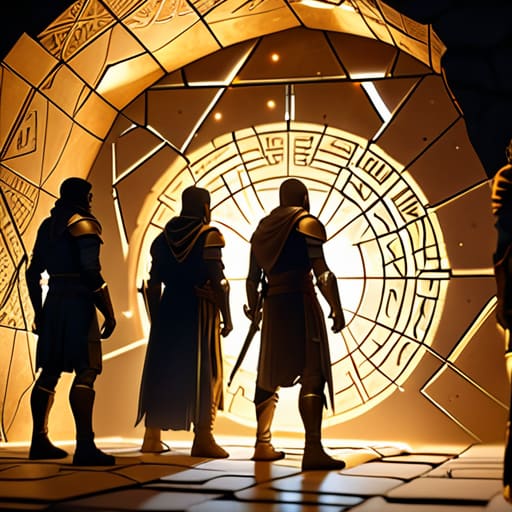
To master a co-op session, you have to look past the flashy combat and start seeing the underlying architecture. Most players treat a match like a series of individual skirmishes, but real success comes from understanding cooperative game mechanics explained through the lens of systems design. Every ability, cooldown, and movement speed buff is a variable in a larger equation. If you aren’t looking at how your specific actions influence the state of the entire team, you’re essentially playing a solo game in a crowded room.
This is where the concept of role distribution in co-op play becomes your most vital tool. It isn’t enough to just pick a character you think looks cool; you need to understand how that character fits into the group’s functional ecosystem. Are you the anchor providing stability, or the catalyst driving the tempo? When you stop viewing your teammates as mere background noise and start seeing them as essential components of a single, unified machine, the game shifts from chaotic survival to calculated execution. This mindset is what separates a group of players from a true team.
The Art of Synergy Building Cohesive Character Archetypes
Once you understand the underlying mechanics, the next step is moving away from individual playstyles and toward synergistic character builds. In my experience, the most common mistake players make is choosing characters based solely on what looks “cool” or what they personally enjoy playing in a vacuum. While that’s fine for solo runs, it’s a recipe for disaster in a coordinated match. You have to stop thinking about your kit in isolation and start looking at how your abilities plug into the gaps left by your teammates.
True mastery comes down to effective role distribution in co-op play. I often tell people to view their team as a single, multifaceted organism rather than a collection of separate players. If you have three heavy hitters but no one to manage crowd control or provide utility, your system will collapse under pressure. It isn’t just about having the right stats; it’s about intentionality. When you align your archetypes so that one player’s buff becomes the foundation for another’s burst damage, you aren’t just playing a game—you’re executing a well-oiled machine.
Moving Beyond Chaos: Five Pillars of Intentional Cooperation
- Establish a clear hierarchy of information. In the heat of a match, sensory overload is real. You don’t need a play-by-play of everything happening; you need a system where teammates call out only the critical variables—enemy positions, cooldown availability, or immediate threats. Treat your voice comms like a technical manual, not a casual chat.
- Master the “Supportive Pivot.” Most players get tunnel vision on their own primary objective or damage output. To win, you have to be willing to temporarily abandon your personal playstyle to fill a systemic gap. If your healer is overwhelmed or your tank is out of position, the system breaks. Real skill is knowing when to stop being a solo agent and start being a component of the whole.
- Map out your resource economy. Whether it’s mana, ammunition, or ultimate abilities, treating these as shared assets rather than personal tools is what separates casual players from masters. If you see a teammate is low on resources, adjust your engagement timing to compensate. Coordinated victory is often just a matter of managing a collective budget of power.
- Anticipate, don’t just react. The difference between a frantic scramble and a controlled advance is foresight. Instead of waiting for a teammate to get hit before you move to help, look at the mechanical flow of the battle. If you see an enemy pattern emerging, position yourself to intercept the consequence before it happens.
- Conduct a post-mortem, not a blame game. When a match falls apart, it’s rarely because of one “bad” player; it’s usually because the system of coordination failed. Instead of pointing fingers, look at the mechanics: Did we lack coverage? Did our timing drift? Analyze the failure with the same clinical detachment you’d use to troubleshoot a circuit board, and you’ll find the path to the next win.
Beyond the Victory Screen
Ultimately, winning a cooperative match isn’t about having the fastest reflexes or the highest DPS; it’s about how well you integrate into the larger machine. We’ve looked at how understanding underlying mechanics allows you to anticipate shifts in the game state, and how selecting character archetypes that complement one another creates a synergy that raw power simply can’t match. When you stop viewing your teammates as mere NPCs and start seeing them as integral components of a shared system, the entire experience shifts. Success in these high-stakes environments requires a transition from individual play to intentional, collective execution.
As I sit here with my lukewarm tea, watching the endgame loop of my latest session, I’m reminded that the real reward isn’t just the “Victory” banner flashing on the screen. It’s that fleeting, perfect moment where every player moves in unison, a seamless dance of strategy and trust that makes the struggle worth it. Don’t just play to finish the level; play to master the interaction between yourself and the world around you. Gaming is a lifelong evolution of skill, and when we approach multiplayer matches with purposeful coordination, we turn a simple distraction into a profound exercise in human connection.
Once you’ve nailed your character archetypes, the next hurdle is managing the mental fatigue that comes with high-stakes coordination. It’s easy to lose focus when you’re constantly calculating cooldowns and positioning, which is why I’ve found that maintaining a sense of intentional connection outside of the digital realm is just as vital for long-term engagement. If you find yourself looking for ways to broaden your social horizons or explore more nuanced human connections beyond the game lobby, checking out mature sex contacts can be a way to ground yourself in real-world intimacy. Ultimately, whether you are mastering a complex raid or navigating personal relationships, the goal is the same: building meaningful rapport through understanding and presence.