I remember sitting in my parents’ basement in the late 80s, surrounded by a chaotic tangle of controller cords and half-empty soda cans, trying to focus on a strategy guide while my friends argued over game rules. It was pure chaos, and frankly, it was inefficient. Most people think that learning how to set up a local tabletop gaming room is just about buying a big enough table and shoving some chairs around a spare room, but that’s a mistake. If you don’t respect the cognitive demands of the games you’re playing, you aren’t building a gaming space; you’re just building a cluttered basement.
In this guide, I’m going to strip away the fluff and show you how to architect a space that actually serves your playstyle. We aren’t just talking about furniture; we are talking about lighting, ergonomics, and organizational systems that allow you to focus on the mechanics rather than the mess. I’ll provide you with a practical, no-nonsense roadmap for how to set up a local tabletop gaming room that fosters deep immersion and intentional mastery. Let’s stop just playing and start designing an arena worth your time.
Guide Overview
Tools & Supplies
- Measuring tape for spatial planning
- Power drill for furniture assembly
- Level to ensure flat playing surfaces
- Large dining or dedicated gaming table (1 unit)
- Ergonomic chairs (4-6 units)
- LED lighting strips or smart bulbs (2-3 sets)
- Shelving units for game storage (2 units)
- Area rug for sound dampening (1 unit)
Step-by-Step Instructions
- 1. First, you need to evaluate your spatial psychology. Before you buy a single piece of furniture, walk through your room and observe how the light hits the floor and where the natural traffic flows. You aren’t just placing a table; you are defining a zone where the outside world ceases to exist. If the room feels cramped or chaotic, your brain will struggle to enter that state of deep focus required for complex rulebooks.
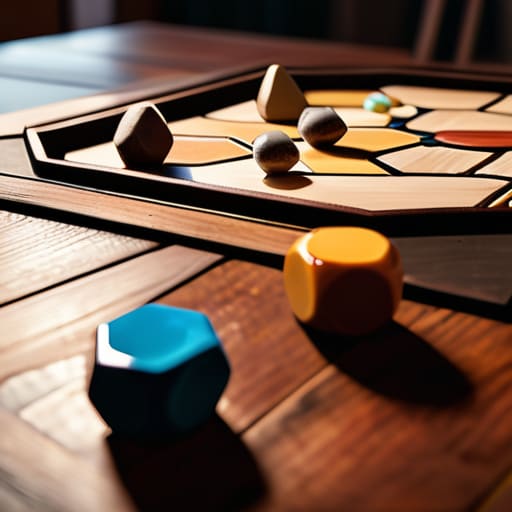
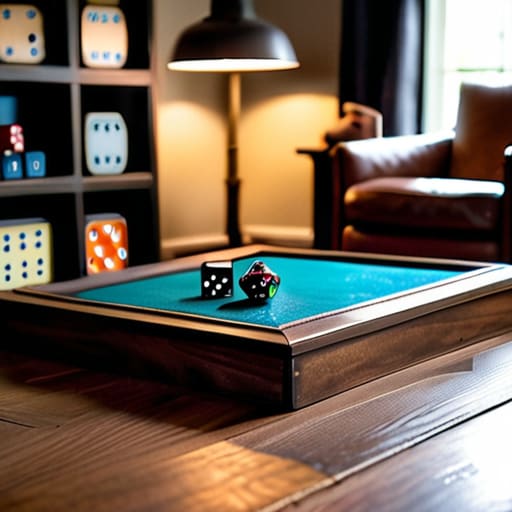
- 2. Next, invest in a table that respects the scale of your systems. I’ve seen too many players struggling to manage massive campaign maps on tiny coffee tables, and it kills the immersion instantly. Look for a surface that is deep enough to accommodate both a sprawling board and enough elbow room for players to move freely. A sturdy, flat surface is non-negotiable; a wobbling table is a constant, subconscious distraction that pulls you out of the game.
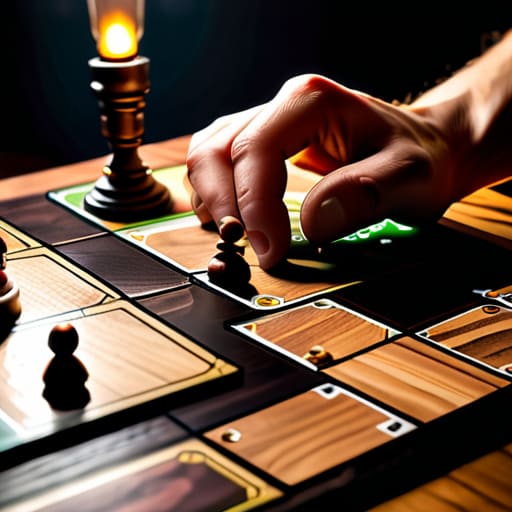
- 3. Lighting is where most people fail, treating it as an afterthought rather than a tool. Avoid harsh, overhead fluorescent lights that create glare on glossy game boards and cause eye strain. Instead, aim for layered lighting: a combination of soft ambient light for the room and focused, adjustable task lighting directly over the playing surface. This creates a visual hierarchy that keeps the players’ attention exactly where it belongs—on the mechanics at hand.
- 4. Don’t neglect the ergonomics of your seating. Since we aren’t talking about a quick thirty-minute session, but rather hours of strategic maneuvering, your chairs need to be more than just “comfortable enough.” Look for chairs that offer lumbar support and allow for easy movement. If your players are physically uncomfortable, their cognitive load increases, and they’ll start making sloppy tactical errors simply because they’re trying to shift their weight.
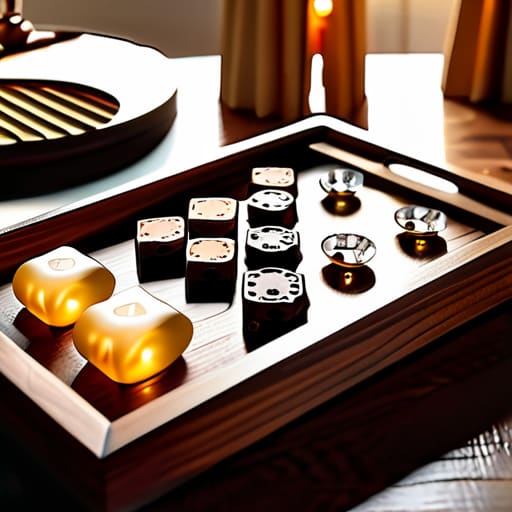
- 5. Organize your inventory with intentionality. A pile of unorganized dice, rulebooks, and miniatures is just visual noise that disrupts the mental flow. I recommend using modular storage solutions—think specialized trays, tiered organizers, or even custom-built inserts—that allow you to deploy components quickly and cleanly. When everything has a dedicated home, the transition from setup to gameplay becomes a seamless ritual rather than a chore.
- 6. Finally, curate the acoustic environment. Sound is a powerful psychological trigger; a room that is too quiet can feel sterile, while one that is too loud becomes a chaotic mess. Think about your acoustic dampening—rugs, heavy curtains, or even bookshelves can help absorb excess noise and prevent echoes. Once the physical space is set, you can layer in a subtle, low-volume soundscape to anchor the mood and signal to everyone that the session has officially begun.
Architecting Comfort With Ergonomic Gaming Chairs for Tabletop
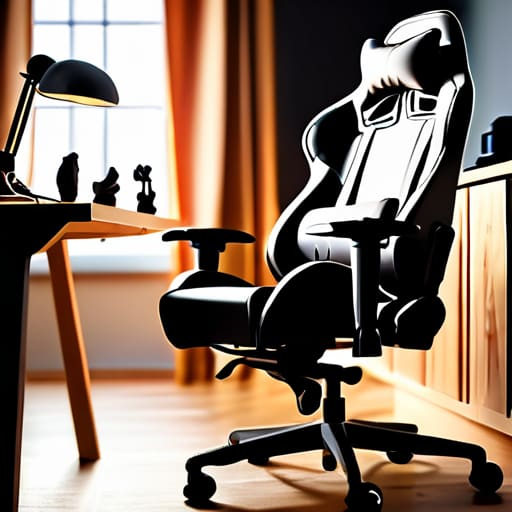
We often focus so much on the table and the terrain that we completely overlook the person sitting in the chair. I’ve spent many long sessions hunched over a complex strategy game, only to realize my back was screaming at me halfway through a campaign. If you’re serious about long-term play, investing in ergonomic gaming chairs for tabletop sessions isn’t a luxury; it’s a necessity for sustained focus. You need something that supports your lumbar during those intense, three-hour decision-making phases, rather than a standard dining chair that forces you into a rigid, uncomfortable posture.
Look for seating that allows for micro-adjustments. When you’re deep in a tactical maneuver, you shouldn’t be fighting your own furniture. The goal is to minimize physical distraction so your brain can stay fully immersed in the game’s mechanics. Ideally, your chair should work in tandem with your seating arrangement to prevent fatigue. If your body is constantly compensating for poor support, you aren’t playing with intention—you’re just managing discomfort. Prioritize stability and adjustable armrests to ensure that your physical state remains as steady as your strategic mind.
Engineering Focus Through Optimal Lighting for Board Games
Lighting isn’t just about being able to see the board; it’s about managing cognitive load. When we sit down for a heavy strategy session, our brains are already working overtime to process complex rules and spatial layouts. If you’re squinting under a single, harsh overhead bulb, you’re introducing unnecessary friction into the experience. I’ve found that the key to optimal lighting for board games is layering. You want a diffuse ambient light to prevent eye strain, paired with a dedicated, adjustable task lamp that sits close to the play area. This allows you to highlight specific components—like tiny tokens or intricate card text—without washing out the entire room in a sterile glare.
Avoid the trap of relying solely on natural light, too. While a sun-drenched room sounds idyllic, the shifting shadows and inevitable glare on glossy board surfaces can be incredibly distracting. I prefer a setup that utilizes warm-spectrum LED lighting, which mimics a more natural environment and helps maintain focus during those long, four-hour marathons. If you can, position your light sources to minimize shadows cast by players’ hands or pieces. When the lighting is intentional, the environment fades into the background, leaving only the mechanics and the players.
Beyond the Surface: Five Systems for a High-Performance Gaming Environment
- Prioritize acoustic management; don’t let the echoes of a dice roll or a loud debate shatter your concentration, so invest in soft surfaces or acoustic panels to dampen the noise.
- Curate your storage with intent, moving away from cluttered cardboard piles toward modular organizers that treat your game components like the precision instruments they are.
- Master the micro-climate by ensuring your ventilation is robust enough to keep the room fresh during intense four-hour sessions without creating a draft that chills your tea.
- Establish a dedicated “tech station” for digital integration, providing easy access to charging ports and tablet stands so your supplementary tools don’t become a tangled mess of cables.
- Designate a clear zone for refreshments that sits just outside the primary play area, preventing the inevitable tragedy of a spilled drink compromising a rare expansion piece.
The Final Build: From Room to Sanctuary
Setting up a dedicated tabletop space isn’t just about buying a bigger table or a fancy lamp; it’s about the intentional integration of ergonomics, lighting, and layout to support the cognitive demands of the games we love. We’ve looked at how the right chair prevents physical fatigue and how precise lighting keeps the focus where it belongs—on the board. When you align these physical elements, you aren’t just decorating a room; you are optimizing a system designed to facilitate deep immersion and complex decision-making.
At the end of the day, your gaming room is a living extension of your passion. It is a place where mechanics meet mindfulness and where the chaos of the outside world fades into the background of a well-played session. Don’t feel pressured to achieve perfection overnight; instead, view your space as a work in progress that evolves alongside your skill and your collection. Build it with intention, play with purpose, and most importantly, let the space serve the joy of the game.
Once you’ve mastered the physical layout, don’t forget that the most vital component of any gaming room is the community that breathes life into it. A space is just furniture and lighting until you have people to share the strategy with, so I always suggest looking for ways to connect with others who share your specific interests. If you’re looking to find some meaningful connections or just want to see how others are structuring their own play sessions, checking out some local chat in UK can be a fantastic way to bridge the gap between a solitary setup and a vibrant gaming culture.