Blog

  • Stop Playing Defense: the Strategic Framework for How to Start a Conversation With a Stranger

    Stop Playing Defense: the Strategic Framework for How to Start a Conversation With a Stranger

    I remember sitting in a crowded coffee shop last Tuesday, my lukewarm Earl Grey forgotten on the table, watching a man struggle to approach a woman at the next booth. He was cycling through those tired, scripted “icebreakers” you see in cheap self-help books—the kind of performative nonsense that makes social interaction feel like a scripted NPC dialogue rather than a real connection. Most people treat how to start a conversation with a stranger like some magical, unteachable talent or a high-stakes boss fight you’re destined to lose. But honestly? That’s a total myth. Socializing isn’t about having a perfect script; it’s about understanding the underlying mechanics of human connection.

    I’m not here to give you a list of cheesy pick-up lines or hollow social hacks that leave you feeling exhausted. Instead, I want to show you how to approach these moments with intentionality and strategy. We are going to break down the social mechanics of an encounter, treating every new interaction as a system you can learn to navigate. My goal is to help you move past the mindless anxiety and find the genuine rhythm in a new conversation, turning a daunting unknown into a rewarding new level of mastery.

    Leveling Up Your Body Language for Social Confidence

    Leveling Up Your Body Language for Social Confidence

    Think of your physical presence as your character’s idle animation. In a high-stakes RPG, you wouldn’t want your avatar standing with a slumped posture or hidden behind a shield if you’re trying to engage in a dialogue tree. The same applies here. When you are learning body language for social confidence, the goal isn’t to perform a theatrical display of bravado, but to signal that your “hitbox” is open for interaction. Avoid crossing your arms or staring intently at your phone; these are defensive stances that tell the world you’ve entered a combat mode rather than a social one. Instead, aim for an open, relaxed posture that suggests you are approachable and ready to engage.

    I often find that even when I have the right words, my nervous system tries to trigger a “flight” response, causing me to fidget or avert my gaze. This is where many people struggle with small talk techniques for introverts—they focus so much on the script that they forget the delivery. If you can master the subtle mechanics of eye contact and a slight, genuine tilt of the head, you effectively lower the difficulty setting for the other person. You aren’t just standing there; you are signaling intent through your non-verbal cues, making the actual verbal exchange feel much more natural.

    Decoding the Environment How to Approach Someone in Public

    Before you even say a word, you need to scan the room like you’re reading a level layout in a dungeon crawler. Every environment has its own set of rules and “NPC” behaviors. Are you at a quiet coffee shop or a high-energy mixer? Understanding the context is the difference between a seamless interaction and a total system crash. If you’re looking for small talk techniques for introverts, start by observing the “flow” of the space. Look for people who aren’t currently locked into a high-intensity task or a private conversation. You want to find someone who is in a “neutral state”—perhaps someone waiting in line or browsing a shelf—where a brief interruption won’t feel like a glitch in their day.

    Once you’ve identified a potential target, use the environment as your primary engine for engagement. Instead of relying on canned lines, use what is physically present to bridge the gap. If you’re at a gallery, comment on a specific texture in a painting; if you’re at a park, mention the weather or a local event. This is one of the most effective ways of learning how to approach someone in public because it feels organic rather than scripted. By rooting your first sentence in shared reality, you reduce the friction of the encounter and create a natural opening for a real connection.

    The Strategy Guide: 5 Tactics for Breaking the Ice

    • Identify a Shared Objective: Just like finding common ground in a co-op campaign, look for a shared context. If you’re both waiting for a delayed train or admiring a piece of art, use that immediate environment as your starting point. It’s much easier to comment on a shared reality than to pull a random topic out of thin air.
    • Use Low-Stakes Probing: Don’t try to initiate a boss fight with a heavy, philosophical question right away. Start with “micro-interactions”—small, low-pressure comments or questions that allow the other person to opt-in or opt-out easily. If they give a one-word answer, they’ve signaled they aren’t ready for a multiplayer session; if they expand, the connection is loading.
    • The Observational Opener: Instead of using a canned line, which feels scripted and artificial, use real-time data. Notice something specific and genuine—a book they are holding, a unique pin on their bag, or even the music playing in the background. It shows you are actually present in the moment, not just running a pre-programmed social script.
    • Master the Art of the Follow-Up: A conversation isn’t a single button press; it’s a combo. When they answer a question, don’t just move to the next one like a checklist. Listen for the “hooks” in their response—small details they mention—and use those to bridge into your next thought. This turns a sterile Q&A into a fluid exchange.
    • Know When to Exit the Level: A huge part of social mastery is recognizing when the interaction has reached its natural conclusion. If the energy dips or the responses become sparse, don’t force it. Ending a conversation on a high note—”It was great chatting with you, enjoy your afternoon”—leaves the door open for future encounters and preserves your own social stamina.

    Final Boss: Embracing the Social Grind

    At this stage, you’ve gathered the necessary tools to navigate the initial encounter. We’ve looked at how to calibrate your non-verbal cues to signal openness, and we’ve analyzed how to read the room to ensure your approach is tactically sound. Remember, starting a conversation isn’t about executing a perfect, scripted sequence; it’s about managing the variables of the environment and your own physiological response. By treating body language as your primary interface and the setting as your map, you move away from aimless wandering and toward a purposeful engagement with the world around you.

    Ultimately, I want you to view every awkward silence or missed beat not as a “Game Over,” but as essential data for your next attempt. Social interaction is a skill tree that requires consistent XP to level up, and the only way to truly master the mechanics is to keep playing. Don’t let the fear of a low score keep you from hitting the start button. Approach the next stranger you meet with intentionality and curiosity, and you might find that the most rewarding connections are found just beyond the edge of your comfort zone. Keep playing, keep learning, and find the joy in the connection.

    Once you’ve mastered the environmental cues, the next hurdle is often the internal friction—that sudden spike in anxiety that feels like a boss fight you aren’t leveled for. I’ve found that the best way to mitigate this is to narrow your focus toward specific, high-intent social circles where the “rules of engagement” are already understood. For instance, if you are looking to connect with people who share a more seasoned, intentional outlook on life, exploring niche communities like those finding mature sex contacts can act as a form of low-stakes practice. It allows you to navigate social dynamics within a framework of mutual understanding, helping you refine your conversational rhythm without the overwhelming noise of a crowded, chaotic room.
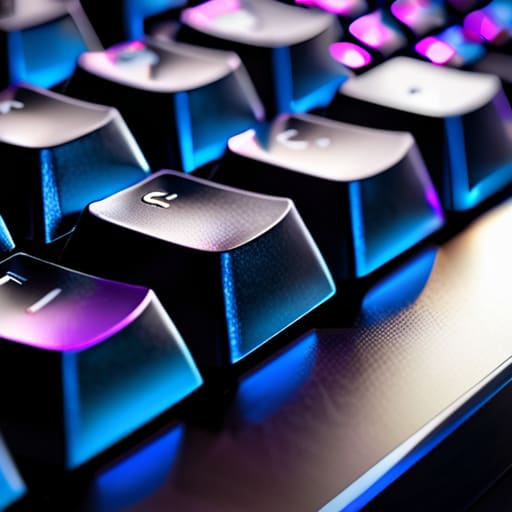

  • Stop Mindless Clicking: How to Play Your Workflow Like a Pro With These Tips for Mastering Complex Keyboard Shortcuts

    Stop Mindless Clicking: How to Play Your Workflow Like a Pro With These Tips for Mastering Complex Keyboard Shortcuts

    I remember sitting in my first cramped office cubicle, staring at a screen while my fingers fumbled clumsily across the keys, feeling like I was playing a game with a broken controller. I’d watch the veteran technical writers around me move with a rhythmic, almost musical precision, their hands dancing across the board without ever looking down. At the time, I thought they were just born with some innate talent, but I quickly realized they had simply treated their hardware like a complex system to be decoded. Most people will tell you that you just need to memorize a list, but that’s nonsense; if you want real tips for mastering complex keyboard shortcuts, you have to stop treating them like chores and start treating them like a skill tree.

    I’m not here to give you a bloated PDF of every single command known to man—that’s just digital clutter. Instead, I want to share how you can build muscle memory with intention, turning those frantic keystrokes into a seamless extension of your thought process. We are going to strip away the fluff and focus on the mechanical logic behind the commands. My goal is to help you move past the mindless clicking and finally achieve that high-level flow state where the tools simply get out of your way.

    Building Muscle Memory for Keyboard Commands

    Building Muscle Memory for Keyboard Commands training.

    Building muscle memory isn’t about rote memorization; it’s about training your nervous system to treat commands like a combo in a fighting game. When I was restoring my old Game Boy Color last month, I was reminded that precision comes from repetition, not speed. To start, pick just two or three high-impact commands and commit to them for an entire week. Don’t just glance at a list; you need to integrate them into your physical rhythm. If you try to learn twenty at once, you’ll just end up frustrated and clicking back to your mouse out of habit.

    The real breakthrough happens when you focus on reducing mouse dependency during your most repetitive tasks. I like to treat my workspace like a level I’m trying to speedrun. Instead of reaching for the cursor every time you need to switch tabs or save a file, force yourself to stay on the home row. You might even find that keeping a few keyboard shortcut cheat sheets taped to the side of your monitor helps bridge the gap between conscious thought and subconscious action. Once that connection clicks, your hands will move before your brain even finishes the command.

    Reducing Mouse Dependency Through Intentional Play

    Think of your mouse as a heavy-duty tool—useful for precision, but incredibly slow for high-speed navigation. Every time you reach for that mouse to click a menu or drag a cursor, you’re essentially breaking your rhythm and introducing latency into your brain-to-computer connection. To truly master your environment, you need to start reducing mouse dependency by treating your keyboard as your primary interface. It’s about minimizing that physical travel time between your hands and your tools.

    I like to approach this like a speedrun tactic. Start by identifying the three most frequent mouse actions you perform—whether it’s switching tabs, opening a command palette, or selecting a specific tool—and find their hotkey equivalents. Instead of relying on visual cues, focus on the tactile feedback of the keys. By prioritizing these software productivity hacks, you aren’t just working faster; you’re entering a flow state where the interface disappears, leaving only your intention and the screen. It takes patience, but once the movement becomes subconscious, the sense of control is unmatched.

    The Skill Tree: Five Tactics for Command Mastery

    • Map your shortcuts to mental frameworks. Instead of memorizing random key combinations like a rote list, group them by function—navigation, editing, or system commands. Think of it like learning a combo in a fighting game; once you understand the rhythm and the logic behind the sequence, your hands will find the keys without you having to think about the individual inputs.
    • Implement a “No-Mouse” training mode. Pick one specific software or task each week and declare it a mouse-free zone. It’s going to feel clunky and frustrating at first—much like trying to beat a boss with a broken controller—but that friction is exactly where the neurological growth happens. You have to force the system to adapt.
    • Use incremental layering. Don’t try to overhaul your entire workflow in a single afternoon; you’ll just burn out. Start by mastering just two or three high-impact shortcuts. Once those feel as natural as breathing, add another layer to your repertoire. Mastery is an iterative process, not a sprint.
    • Create physical anchors with tactile feedback. If you find yourself constantly hunting for the ‘Ctrl’ or ‘Cmd’ key, take a moment to feel the landscape of your keyboard. I like to focus on the spatial relationship between my pinky and the modifier keys. Developing that tactile awareness turns a search-and-find mission into a seamless, subconscious movement.
    • Document your personal “cheat codes.” As you discover new, efficient sequences, write them down in a dedicated digital notebook or a physical journal. Having a personal repository of your most effective maneuvers turns your growing knowledge into a tangible resource you can revisit whenever your workflow feels stagnant.

    The Final Boss: Mastery Through Intentionality

    Mastering these shortcuts isn’t about memorizing a dry list of commands; it’s about integrating them into your cognitive workflow. We’ve looked at how building muscle memory transforms a clunky sequence into a subconscious reflex, and how intentionally reducing your mouse dependency breaks the cycle of mindless clicking. By treating your keyboard like a high-level skill tree, you aren’t just working faster—you are reprogramming your interaction with the digital space. It takes patience, and there will be moments of frustration when your fingers refuse to cooperate, but that is simply the friction required for meaningful growth.

    As I sit here with my lukewarm tea, watching the cursor dance across the screen, I’m reminded that the most rewarding victories come from the systems we choose to master. Don’t view these shortcuts as mere productivity hacks, but as a way to achieve a state of flow where the tool disappears and only the creativity remains. Gaming taught me that every complex boss fight is just a series of mechanics waiting to be understood. Apply that same mindset to your work. Stop reacting to your computer and start commanding it with intention.

    Once you’ve started decoupling your hands from the mouse, you’ll likely find that your mental bandwidth opens up, allowing you to focus more on the nuances of the task at hand rather than the mechanics of the input. It’s during these periods of heightened focus that I often find myself seeking out meaningful digital connections to decompress, much like how I might browse adult chat UK to engage in some genuine human interaction after a long session of technical deep-diving. Finding that balance between intense, solo skill-building and social engagement is what keeps the process from feeling like a grind; it’s about ensuring your mental stamina remains as sharp as your keystrokes.

  • Stop Playing on Autopilot: Mastering the New Rules of How Dating Culture Changed in the Last Decade

    Stop Playing on Autopilot: Mastering the New Rules of How Dating Culture Changed in the Last Decade

    I remember sitting in a dim corner of a local arcade in the late 90s, watching people actually look at each other while they waited for their turn at the cabinet. There was a certain tactile, predictable rhythm to how people connected back then. But as I look at the digital landscape today, it feels like we’ve traded meaningful interaction for a high-speed, low-reward loop of endless scrolling. Everyone talks about the convenience of apps, but they rarely mention how much the fundamental mechanics have broken; they don’t want to discuss how dating culture changed in the last decade in a way that actually matters to our psychological well-being.

    I’m not here to give you a list of “top ten apps” or feed you the usual toxic positivity found in lifestyle blogs. Instead, I want to look at this shift through a more analytical lens—treating the modern dating scene like a complex system that requires a new set of rules to master. I promise to provide you with a no-nonsense breakdown of these new social mechanics, helping you move past the mindless swiping so you can start playing with intention again.

    The Shift From Traditional to Digital Dating Mechanics

    The Shift From Traditional to Digital Dating Mechanics.

    Thinking back to the early days of my social life, dating felt much like an old-school RPG where you had to physically navigate a map to find players. You met through mutual friends, at work, or in person, and the “mechanics” were slow, tactile, and required a certain level of social courage. There was a clear, albeit messy, progression. Today, however, we’ve seen a massive shift from traditional to digital dating that has fundamentally altered the player experience. We’ve traded physical presence for a streamlined interface, turning the search for connection into a high-speed, algorithm-driven loop.

    This transition has introduced a set of new, often exhausting, gameplay rules. Instead of building rapport through shared environments, we now navigate a landscape of curated profiles and rapid-fire exchanges. This constant accessibility has led to a distinct evolution of romantic communication, where the depth of a conversation is often sacrificed for the sheer volume of matches. While the efficiency is undeniable, it has also paved the way for much more complex psychological hurdles, making the quest for a genuine connection feel more like a grind than a journey.

    Analyzing the Impact of Dating Apps on Relationships

    When we look at the data, the impact of dating apps on relationships becomes a study of infinite choice versus actual connection. In the arcade days, you had a limited set of options, and you mastered the mechanics of the game you were currently playing. Today, the UI is designed to keep us scrolling, creating a psychological loop where the next “better” player is always just one swipe away. This constant availability has fundamentally altered our ability to commit to the slow, often messy process of building intimacy.

    We are seeing a rise in dating fatigue in the digital age, a burnout that stems from treating human beings like disposable assets in a menu. It’s not just about the volume of matches; it’s about the devaluation of the interaction itself. When communication is mediated through a screen, the stakes feel lower, leading to a rise in toxic behaviors. We have to recognize that if we continue to treat dating like a mindless grind rather than a meaningful engagement, we risk losing the very connection we’re searching for.

    Leveling Up Your Strategy: How to Play the Modern Dating Game

    • Treat your profile like a character build, not a highlight reel. In the era of endless scrolling, authenticity acts as your most powerful stat; if you over-optimize for a generic “ideal,” you’ll end up attracting players who aren’t actually compatible with your core mechanics.
    • Stop mindless swiping and start playing with intention. Treating dating apps like a slot machine creates a dopamine loop that leads to burnout. Instead, set specific “play sessions”—limit your time on the apps to avoid the fatigue that turns human connection into a repetitive grind.
    • Master the art of the “manual override.” Algorithms are designed to keep you in the loop, not necessarily to find you a partner. Don’t let the app’s logic dictate your worth or your options; sometimes you have to step outside the digital ecosystem to find real-world synchronicity.
    • Recognize the “Paradox of Choice” debuff. When the menu of options feels infinite, we tend to undervalue the individual in front of us. To win, you have to learn to commit to the interaction at hand rather than constantly searching for a “patch” that makes the current experience perfect.
    • Prioritize high-fidelity communication. Digital text is a low-resolution way to understand a person’s psyche. To truly gauge compatibility, move the interaction from the chat interface to a real-time conversation—voice or video—as soon as it feels safe to do so.

    Looking back at how far we’ve come, it’s clear that the mechanics of connection have been completely rewritten. We’ve transitioned from the slow, predictable loops of traditional courtship to a high-speed, digital ecosystem that prioritizes volume over depth. While the shift to apps has provided us with an unprecedented amount of data and choice, it has also introduced a level of decision fatigue that can leave us feeling more isolated than ever. We have to acknowledge that the tools themselves aren’t the enemy, but the way we allow them to dictate our value is where the system starts to break down. Understanding these shifts is the first step toward playing the game with more awareness.

    Ultimately, whether you are meeting someone through a curated profile or a chance encounter in a coffee shop, the goal remains the same: finding a meaningful connection. Don’t let the sheer noise of the modern dating landscape convince you that meaningful intimacy is an obsolete feature. Treat your romantic life like any other complex system you want to master—approach it with patience, study the patterns, and most importantly, play with intention. If you stop swiping mindlessly and start engaging with purpose, you’ll find that the joy of discovery is still very much part of the experience. The rules have changed, but the reward is still worth the effort.

    Navigating these digital waters can feel like trying to beat a high-level boss without a walkthrough; the sheer volume of choices often leads to decision fatigue rather than genuine connection. If you find yourself feeling overwhelmed by the formal structure of traditional apps, sometimes it helps to pivot toward more informal spaces to recalibrate your social intuition. I’ve found that engaging in adult chat can serve as a useful way to practice low-stakes interaction, allowing you to test your conversational rhythm without the heavy pressure of a curated profile. It’s about finding the right environment to refine your social mechanics before you dive back into the high-stakes arena of long-term dating.

  • Stop Wasting Your Game Nights: the Intentional Guide to Choosing the Best Board Games for Large Groups

    Stop Wasting Your Game Nights: the Intentional Guide to Choosing the Best Board Games for Large Groups

    I remember a holiday gathering five years ago that went south because of a single, poorly timed decision. I had brought out a “heavy hitter”—a complex strategy game with a rulebook thick enough to be a textbook—thinking it would be a sophisticated way to engage everyone. Instead, I watched as the room dissolved into a sea of glazed eyes and restless shuffling, while my lukewarm Earl Grey went cold beside me. We had fallen into the trap of thinking complexity equals quality, when in reality, choosing the best board games for large groups requires a much more nuanced understanding of social friction and cognitive load.

    I’m not here to sell you on the latest expensive Kickstarter hype or suggest you need a PhD to host a game night. My goal is to help you look past the box art and analyze the actual systems at play. I’m going to provide you with a practical framework for selecting games that maintain engagement without sacrificing the depth that makes gaming worthwhile. We are going to focus on finding that sweet spot where intentional play meets social harmony, ensuring your next gathering is a masterclass in connection rather than a chaotic mess.

    Mastering Social Deduction Board Games for Deeper Engagement

    Mastering Social Deduction Board Games for Deeper Engagement

    When the group size swells, the biggest risk isn’t boredom; it’s the loss of individual agency. In a crowd, it’s easy for people to drift into the role of a spectator. This is where social deduction board games become essential. Unlike standard party games for 8 or more players that rely on simple luck or rapid-fire trivia, deduction games turn the social dynamic into the engine of the game itself. You aren’t just playing against a board; you are analyzing micro-expressions, testing the consistency of a friend’s logic, and navigating the psychological tension of a lie.

    To truly master these sessions, look for systems that reward active observation rather than just loud accusations. The goal shouldn’t be to find the easiest way to pass the time, but to engage in a mental chess match where every player feels their input matters. When you select high player count board games that prioritize information asymmetry, you transform a chaotic gathering into a focused, high-stakes environment. It’s about moving past mindless consumption and stepping into a space where every player is a vital, thinking component of the machine.

    When you’re managing a room of ten or twelve people, the biggest risk isn’t boredom—it’s fragmentation. We’ve all been there: a game is technically “active,” but half the table has checked out to scroll on their phones because the mechanical loop is too slow. To avoid this, you have to look for high player count board games that prioritize continuous engagement. Instead of a single turn-based structure where players wait twenty minutes to act, look for systems that utilize simultaneous play or rapid-fire interaction.

    If you want to keep the energy focused, I recommend leaning into easy to learn group games that utilize a shared central mechanic. The goal isn’t just to fill the time; it’s to ensure the system remains coherent even as the social noise increases. When selecting party games for 8 or more players, I always check the “downtime ratio.” If the mechanics don’t force players to react to one another in real-time, you aren’t playing a game; you’re just managing a crowd. Play with the intention of keeping everyone’s cognitive load balanced.

    Engineering the Experience: 5 Rules for Curating Group Play

    • Audit the “Downtime-to-Action” Ratio. In a large group, nothing kills the psychological momentum faster than a player waiting twenty minutes for their turn. If the mechanics require everyone to sit idle while one person executes a complex sequence, you aren’t playing a game; you’re hosting a waiting room. Look for simultaneous play or rapid-fire turns to keep the cognitive engagement high.
    • Match the Complexity to the Social Energy. There is a fine line between a challenging system and a frustrating one. If your group is there to decompress with drinks, don’t force a heavy Eurogame with fifty-page rulebooks on them. Conversely, if the group thrives on mental stimulation, a simple luck-based party game will feel hollow. Choose a system that respects the collective mental bandwidth of the room.
    • Prioritize Scalable Mechanics over “Add-on” Rules. Some games are built for four players and then “stretched” to eight using clunky house rules or extra decks. This usually breaks the game’s internal logic. Instead, hunt for titles designed from the ground up for high player counts, where the mechanics actually lean into the chaos of a crowd rather than just trying to survive it.
    • Evaluate the “Out of the Game” Experience. In many large-group games, players get eliminated early. From a psychological standpoint, being “out” while everyone else continues to play is a recipe for boredom and resentment. Aim for games where every player remains an active part of the system until the final tally, even if their influence is indirect.
    • Consider the Physical Footprint. We often forget the ergonomics of gaming. A game that requires massive amounts of table space and tiny, fiddly components becomes a logistical nightmare when you have six or eight people leaning in to see the board. Choose games with clear visual hierarchies and components that don’t turn the table into a cluttered mess.

    Finding the Rhythm in the Chaos

    Ultimately, managing a large group isn’t about finding a game that simply fills the silence; it’s about selecting a system that respects the cognitive load of your players. Whether you are leaning into the psychological tension of social deduction or navigating the complex layers of a high-player-count strategy game, the goal remains the same: avoiding the trap of mindless participation. When you choose games that prioritize meaningful interaction over mere luck, you transform a potentially chaotic evening into a structured, engaging experience. Remember to balance the complexity of the mechanics with the social energy of the room, ensuring that no one is left merely watching the clock while others play.

    As I sit here with my tea, watching how even the simplest mechanics can spark intense debate or shared laughter, I am reminded that games are the scaffolding for our social connections. We shouldn’t just play to kill time; we should play to master the moment. As your group grows in size, let your intentions grow as well. Seek out those systems that challenge your intellect and deepen your bonds, turning every gathering into an opportunity for genuine, intentional play. After all, the best games aren’t just about winning—they are about the systems we build together around the table.

    When the group size swells, the psychological landscape of the table shifts; you aren’t just playing a game, you’re managing a delicate ecosystem of personalities. I’ve found that the most successful sessions happen when players feel a sense of genuine connection outside the rigid mechanics of the board. If you find your group is looking to bridge those social gaps or simply wants a way to connect more fluidly before the heavy strategy begins, exploring some free adult chat UK can be a surprisingly effective way to break the ice and build the rapport necessary for a truly immersive gaming night.

  • Understanding Gaming Monitor Resolution Differences

    Understanding Gaming Monitor Resolution Differences

    I remember sitting in front of a heavy CRT in the late 80s, squinting at scanlines and trying to make sense of every pixelated sprite. Back then, we didn’t have the luxury of choice; we just played. Today, the industry wants you to believe that chasing the highest possible gaming monitor resolution is the only way to achieve “true immersion,” as if a 4K panel is a magical cure for poor mechanics. It’s a massive, expensive myth. Most people end up chasing a number on a spec sheet, only to realize their hardware can’t actually handle the load, leaving them with a stuttering, unplayable mess that destroys the very flow they were trying to find.

    I’m not here to sell you on the latest marketing hype or tell you that you need to empty your savings for an extra layer of sharpness. Instead, I want to help you find the sweet spot where visual clarity meets actual performance. We are going to strip away the jargon and look at how your choice of resolution directly impacts your ability to read the game and master its systems. My goal is to ensure you choose a setup that supports your skill, rather than one that just looks pretty in a showroom.

    Table of Contents

    The Precision Balance of Refresh Rate vs Resolution

    The Precision Balance of Refresh Rate vs Resolution

    This is where most players stumble into a trap of pure aesthetics. It’s easy to get seduced by the crisp, surgical clarity of a 4K display, but if your hardware can’t keep up, you’re essentially trading responsiveness for a pretty picture. When we look at refresh rate vs resolution, we are really looking at a tug-of-war between visual fidelity and input latency. If you are playing a fast-paced shooter, a stuttering 4K image is far less valuable than a buttery-smooth 1080p or 1440p experience.

    I’ve spent many late nights analyzing how these variables impact our cognitive load. If your frame rate drops because you’ve pushed your resolution too high, your brain has to work harder to track moving objects, which leads to fatigue and slower reaction times. For those of us who prioritize performance, finding the best resolution for competitive gaming means choosing a sweet spot where the image remains sharp enough to spot an enemy, but the frame delivery is consistent enough to feel instinctive. It isn’t about having the most pixels; it’s about having the right ones for the task at hand.

    Achieving Total Immersion via Aspect Ratio and Gaming Immersion

    Achieving Total Immersion via Aspect Ratio and Gaming Immersion.

    When we talk about getting lost in a digital world, we often focus solely on clarity, but we forget how much the frame itself dictates our perception. This is where the aspect ratio and gaming immersion truly intersect. Moving from a standard 16:9 display to an ultrawide 21:9 setup isn’t just a visual upgrade; it’s a psychological shift. By expanding your peripheral vision, you’re no longer just looking at a window; you’re sitting inside the environment. That extra horizontal real estate allows your brain to process spatial cues more naturally, making the world feel expansive rather than boxed in.

    However, this expanded view comes with a technical reality check. A wider field of view means more pixels to push, which directly impacts your hardware’s workload. You have to consider the screen size and pixel density relationship to ensure that your increased field of view doesn’t result in a blurry, washed-out experience. If your density drops too low because you’ve stretched a low resolution across a massive ultrawide panel, that sense of immersion shatters instantly. To truly master the space, you need a balance where the scale of the world matches the sharpness of the detail.

    Mastering the Visual Field: 5 Practical Ways to Optimize Your Resolution

    • Don’t let your hardware lie to you; always match your output resolution to your monitor’s native pixel count to avoid the blurry, smeared edges that break your focus during high-stakes play.
    • Learn to prioritize based on the genre—if you’re playing a fast-paced twitch shooter, scaling back from 4K to 1440p can give your GPU the breathing room it needs to maintain the frame rates that keep your reactions sharp.
    • Use DLSS or FSR as strategic tools rather than crutches; these upscaling technologies are brilliant for maintaining visual fidelity without sacrificing the fluid motion necessary for mastery.
    • Stop ignoring your text scaling settings; if you jump to a high resolution like 4K on a smaller screen, your UI and menus can become microscopic, leading to unnecessary eye strain and mental fatigue.
    • Test your “sweet spot” by playing through a single, complex level at different resolutions; you’ll quickly realize if a higher resolution is actually helping you spot environmental cues or if it’s just a superficial upgrade that slows your performance down.

    Mastering Your Visual Setup

    Don’t treat resolution as a mere spec sheet checkbox; view it as the lens through which you interpret a game’s complex systems and mechanical cues.

    Find your personal sweet spot where visual clarity meets performance, ensuring your hardware supports your skill rather than hindering your reaction time.

    Approach your hardware choices with intention, selecting a resolution that serves the specific way you want to experience and master each genre.

    The Clarity of Intent

    “Resolution isn’t just a spec on a box; it’s the lens through which we interpret a game’s logic. When you find that sweet spot, you aren’t just seeing more pixels—you’re stripping away the visual noise so you can finally see the patterns beneath.”

    Delia Okonkwo

    Finding Your Visual Sweet Spot

    Finding Your Visual Sweet Spot in gaming.

    At the end of the day, selecting a resolution isn’t about chasing the highest number on a spec sheet; it’s about finding the equilibrium that supports your specific way of playing. We’ve looked at how the tug-of-war between refresh rates and pixel density dictates your reaction time, and how aspect ratios can fundamentally shift your sense of presence within a digital world. Whether you prioritize the razor-sharp clarity of 4K for immersive single-player journeys or the high-speed fluidity of 1080p for competitive play, the goal is to eliminate the technical friction that stands between you and the game. Don’t let your hardware become a barrier; make sure it is a seamless extension of your intent.

    As I sit here with my lukewarm tea, watching the light catch the screen of a console I just finished restoring, I’m reminded that the gear is merely a gateway. The resolution might change how you see the world, but it’s your focus and your mastery that define the experience. Don’t get so caught up in the pursuit of “perfect” settings that you forget to actually play the game. Use your setup to sharpen your vision, master the mechanics, and find the deep, intentional joy that comes from truly owning every level. The resolution is just the canvas; you are the artist.

    Frequently Asked Questions

    If I upgrade my resolution to 4K, will my current graphics card actually be able to keep up without killing my frame rate?

    That’s the million-dollar question, isn’t it? Here’s the reality: moving to 4K isn’t just a visual upgrade; it’s a massive computational tax. Your GPU has to calculate four times as many pixels as 1080p. If your card isn’t built for that heavy lifting, you’ll see your frame rate tank, turning a smooth experience into a stuttering mess. Before you commit, check your benchmarks. Don’t sacrifice the fluid mechanics you’ve worked so hard to master just for more pixels.

    Is there a point of diminishing returns where the visual clarity of a higher resolution stops actually helping my performance?

    Absolutely. There is a ceiling where more pixels stop translating into better play. Once you hit 1440p or 4K, the marginal gain in clarity is often eclipsed by the sheer cognitive load of processing it, or worse, the frame rate drops that follow. If your resolution forces your hardware to struggle, you’re trading fluid motion for pretty pictures. In my experience, stability and high refresh rates provide far more “skill” than chasing an extra layer of sharpness.

    How much does the physical size of the monitor affect whether a specific resolution actually looks sharp or just blurry?

    It’s a matter of pixel density, or what I call the “clarity threshold.” If you stretch a 1080p resolution across a massive 32-inch screen, those pixels become physically larger and more apparent, resulting in a soft, muddy image. To maintain that crisp, intentional focus I strive for, you need to match the size to the resolution. For me, a 27-inch 1440p setup is the sweet spot; it’s large enough to immerse, but dense enough to stay sharp.

  • How Pacing Affects the Player Experience

    How Pacing Affects the Player Experience

    I remember sitting on my bedroom floor in 1988, the low hum of my CRT television providing the only soundtrack to a frantic boss battle. My thumbs were sweaty, my heart was racing, and I was completely lost in the loop. But looking back through the lens of psychology, I realize it wasn’t just the difficulty that kept me glued to the screen; it was the rhythm of the experience. Most modern critiques of gameplay pacing focus on whether a game is “too fast” or “too slow,” but they miss the nuance of how tension and release actually function within our brains. It isn’t about the speed of the action, but the intentionality behind the shifts in intensity.

    I’m not here to give you a textbook lecture on game design theory or sell you on some overpriced masterclass. Instead, I want to share what I’ve learned from decades of dissecting these systems—from the twitch-heavy arcade classics to the sprawling narratives of today. I promise to show you how to recognize when a game is working with you and when it’s simply wasting your time. We are going to look at how to master the flow of your sessions so you can move past mindless consumption and start playing with real purpose.

    Table of Contents

    Navigating the Dance of Combat vs Exploration Balance.

    When a game nails the combat vs exploration balance, it feels less like a series of chores and more like a conversation. You move from the high-octane adrenaline of a boss fight into a quiet, atmospheric corridor, and that shift is intentional. If a game stays in “fight mode” for too long, you hit a wall of mental exhaustion; conversely, if the exploration drags on without purpose, your focus starts to drift. It’s all about managing those intensity spikes and plateaus so that the quiet moments actually feel earned rather than just empty space.

    I’ve noticed that the best titles use these transitions to reinforce their player engagement loops. The exploration isn’t just filler; it’s the recovery period that allows your brain to reset before the next challenge. When the rhythm is right, the tension builds naturally, pulling you forward without making you feel like you’re being chased by a relentless, exhausting treadmill. Mastering this isn’t just about button mashing—it’s about learning when to lean in and when to breathe.

    Harnessing Intensity Spikes and Plateaus for Total Control

    Harnessing Intensity Spikes and Plateaus for Total Control

    If you treat every minute of a game like a high-octane boss fight, you’re going to burn out before you even reach the final act. I’ve seen it happen countless times—players hitting a wall not because the mechanics are too hard, but because they’ve lost their mental stamina. To play effectively, you have to recognize when a developer is intentionally throwing intensity spikes and plateaus at you. These aren’t just random shifts in speed; they are calculated moments designed to test your reflexes and then allow your brain to reset.

    When the action hits a fever pitch, your focus needs to narrow. But when the game pulls back into a quiet, atmospheric stroll, don’t just zone out. Use those quieter stretches for active recovery. This is where you analyze your previous mistakes, manage your inventory, or simply soak in the world-building. Mastering this rhythm is essentially a form of fatigue management; by leaning into the lulls rather than fighting them, you ensure that when the next spike arrives, you actually have the cognitive resources to meet it head-on.

    Five Ways to Stop Reacting and Start Commanding the Pace

    • Learn to recognize the “breathing room.” Every high-intensity combat sequence is followed by a lull for a reason; don’t rush through the quiet moments, use them to inventory your resources and mentally reset for the next spike.
    • Watch your own fatigue levels. If you find yourself making sloppy mistakes during a boss fight, you aren’t just losing skill—you’re likely hitting a pacing wall where your brain can no longer process the rapid stimulus. Take a break, sip some tea, and come back when your focus is sharp.
    • Master the art of the “controlled burn.” In games with resource management, don’t dump all your high-tier abilities during the first wave of enemies. Save that momentum for the crescendo of the encounter to ensure you aren’t left scrambling when the intensity peaks.
    • Don’t fight the rhythm, join it. Instead of trying to overpower every encounter, observe the enemy’s movement patterns. Once you understand the tempo of the fight, you can move from frantic button-mashing to a deliberate, surgical style of play.
    • Use exploration as a tactical tool, not a distraction. If a game’s pacing feels too frantic, lean into the side content or world-building. Use those slower segments to build your character’s strength so that when the game demands high-speed execution, you actually have the tools to meet it.

    Finding Your Rhythm: Three Lessons in Pacing

    Stop fighting the lull; use the quiet moments of exploration to study enemy patterns and manage your resources so you aren’t caught off guard when the chaos returns.

    Learn to recognize the “tells” of an upcoming intensity spike so you can shift from a reactive mindset to a proactive one, commanding the flow rather than just surviving it.

    Master the ebb and flow of the game’s tempo to ensure you’re playing with intention, turning every shift in pace into an opportunity to refine your skill.

    The Rhythm of Mastery

    “Don’t mistake a slow moment for a lack of progress; the most skilled players know that the quiet stretches are just as vital as the chaos, providing the necessary breathing room to process what you’ve learned before the next storm hits.”

    Delia Okonkwo

    Finding Your Own Rhythm

    Finding Your Own Rhythm in gameplay.

    At the end of the day, mastering gameplay pacing isn’t about memorizing every frame of an animation or playing like a machine. It’s about understanding the ebb and flow of the system you’re interacting with. Whether you are balancing the quiet tension of exploration against the sudden chaos of combat, or learning to ride the wave between high-intensity spikes and much-needed plateaus, you are essentially learning to read a language. When you stop merely reacting to what’s on the screen and start anticipating the rhythm, the game stops being something that happens to you and starts being something you command.

    As I sit here with my tea, watching the light fade on my workbench, I’m reminded that gaming is a lifelong conversation between the designer and the player. We aren’t just consumers of content; we are students of mechanics. Don’t get discouraged when a level feels overwhelming or a plateau feels stagnant. Instead, take a breath, observe the patterns, and play with intention. The true joy of gaming doesn’t come from mindless progression, but from that profound moment of clarity when the chaos settles and you realize you are finally in sync with the machine.

    Frequently Asked Questions

    How can I tell if a game's slow periods are intentional design choices or just poor pacing that's wasting my time?

    Look for the “why” behind the lull. If a slow period offers a moment to breathe, process what you just learned, or manage your resources, it’s intentional—it’s a setup for the next peak. But if you’re just walking through empty corridors or repeating mindless fetch quests that don’t build tension or narrative, that’s poor pacing. If the downtime isn’t serving the rhythm of the game, it’s just wasted time.

    Are there specific mental techniques I can use to stay focused during those long, quiet stretches of exploration without losing my edge for the next combat encounter?

    It’s easy to let your brain drift when the adrenaline drops, but that’s exactly when you lose your edge. I call it “active observation.” Instead of zoning out, treat the quiet stretches as data collection. Study the environment, map your route, or analyze your resource management. By keeping your mind engaged with the game’s systems during the lulls, you maintain a state of “relaxed alertness” rather than sliding into a mental fog.

    How do I adjust my own playstyle when a game shifts from a high-intensity rhythm to a much slower, more methodical pace?

    When the adrenaline starts to dip, don’t fight the shift; lean into it. I’ve found that when a game slows down, my instinct is to keep pressing buttons, trying to force that old high-octane rhythm. That’s a mistake. Instead, treat the lull as a tactical reset. Use this methodical phase to scan the environment, manage your resources, and study enemy patterns. You aren’t losing momentum; you’re gathering the intel needed to dominate the next spike.

  • Choosing and Mastering a Specific Role

    Choosing and Mastering a Specific Role

    I remember sitting in front of a flickering CRT monitor in 1992, watching my older brother struggle through a raid because our group was a disorganized mess of “jack-of-all-trades” players. We all wanted to do everything—deal the damage, soak the hits, and heal the wounds—but because we lacked any real role specialization, we ended up accomplishing nothing but a quick trip back to the respawn screen. Most modern guides will try to sell you on complex, meta-driven spreadsheets to justify your choices, but they miss the psychological core of the issue: playing a game shouldn’t feel like a second job, it should feel like mastering a system.

    I’m not here to feed you the latest, most exhausting tier lists or tell you that you’re playing “wrong” if you don’t follow a pro’s exact build. Instead, I want to help you understand the mechanics behind why certain archetypes exist and how you can find your own niche within a team. My goal is to move you past mindless button-mashing and toward a place where you can play with intention, turning your chosen role into a precise, reliable tool for victory.

    Table of Contents

    Decoding Character Class Mechanics for True Mastery

    Decoding Character Class Mechanics for True Mastery

    To truly master a game, you have to stop looking at your character as just a collection of stats and start seeing them as a functional component of a larger machine. When I sit down with my tea to dissect a new RPG or a competitive hero shooter, I look past the flashy animations to find the underlying character class mechanics. It isn’t enough to know that a Mage deals high damage; you need to understand the specific cooldown cycles and mana constraints that dictate when that damage is actually viable. Mastery begins when you stop reacting to what’s on screen and start predicting how your specific toolkit interacts with the game’s systemic rules.

    This deep dive into mechanics is what ultimately dictates your combat role efficiency. If you are playing a tank, your value isn’t just in having a high health pool; it’s in how you manage threat and space to protect your teammates. This requires a shift in mindset from “how do I survive?” to “how do I facilitate the team’s success?” By understanding the granular details of your class, you move from being a passenger in the match to a driver of the outcome.

    Optimizing Resource Allocation Roles Within Complex Systems

    Optimizing Resource Allocation Roles Within Complex Systems.

    Once you’ve mastered your specific class, the game shifts from a test of reflexes to a test of management. You aren’t just playing a character; you are managing a budget of cooldowns, mana, and positioning. In high-stakes environments, resource allocation roles become the invisible backbone of a successful run. If you’re playing a support, your “currency” isn’t gold—it’s the health bars of your teammates and the timing of your buffs. If you burn your ultimate ability too early just to secure a minor skirmish, you’ve effectively bankrupted your team for the actual boss fight.

    True mastery lies in understanding the synergy between player roles to ensure no asset is wasted. It’s about recognizing when to hoard your power and when to spend it to tilt the scales. I’ve spent countless hours observing how even the most mechanically gifted players stumble because they lack discipline in their economy. When you treat your abilities as finite resources rather than infinite tools, you stop reacting to the game and start dictating its tempo. That is where the real strategic depth begins.

    Five Ways to Turn Your Role into a Precision Tool

    • Stop the “Jack-of-all-trades” trap. It’s tempting to try and do everything, but in high-level play, being mediocre at five things is a liability. Pick one niche, lean into its unique mechanics, and become the person the team can’t win without.
    • Study your cooldowns like they’re a blueprint. True specialization isn’t just knowing what your buttons do; it’s understanding the mathematical rhythm of your kit. If you don’t know exactly when your power peaks, you aren’t mastering the role—you’re just pressing buttons.
    • Learn the language of your teammates. If you’re playing a support or a tank, your success is tied to how well you read the rest of the system. You need to anticipate their needs before they even realize they’re vulnerable.
    • Build for synergy, not just for stats. Don’t just grab the gear with the highest numbers; look for the items that amplify your specific role’s function. A specialized build should feel like an extension of your intent, not just a collection of buffs.
    • Accept the “mental load” of your position. Every role has its own specific brand of stress—whether it’s managing aggro or timing a perfect heal. Embrace that pressure; it’s the sign that you’re actually engaging with the complexity of the game.

    The Blueprint for Intentional Play

    Stop treating character classes like mere skins; view them as specialized toolkits designed to manipulate specific game variables.

    True mastery comes from understanding how your specific role interacts with the broader system, rather than just maximizing your own individual stats.

    Efficiency is born from discipline—learn to manage your unique resource constraints so you can provide consistent value to the team during high-pressure encounters.

    The Depth of Intentional Play

    “Stop trying to be everything at once; when you attempt to master every mechanic, you end up mastering none. Real agency comes from choosing a specific niche, understanding its limits, and turning those constraints into your greatest strength.”

    Delia Okonkwo

    Finding Your Place in the Machine

    Finding Your Place in the Machine.

    At its core, mastering role specialization isn’t about limiting your options; it’s about narrowing your focus to achieve unparalleled depth. We’ve looked at how decoding class mechanics allows you to manipulate the game’s underlying math, and how strategic resource allocation transforms a chaotic battlefield into a manageable system. When you stop trying to be a jack-of-all-trades and start embracing the specific constraints of your role, you stop fighting the game and start commanding it. You move from a state of reactive survival to one of proactive, intentional execution.

    As I sit here with my tea, watching the light fade over my workbench, I’m reminded that the beauty of gaming lies in this very tension between complexity and control. Whether you are a healer keeping a raid alive or a tank holding the line, your contribution is a vital gear in a much larger clockwork mechanism. Don’t fear the boundaries of your specialization; instead, seek the mastery that lives within them. Play with purpose, respect the systems you inhabit, and remember that true skill is found when you finally learn how to make the machine dance to your tune.

    Frequently Asked Questions

    How do I know when I've mastered a specific role versus when I'm just stuck in a repetitive loop?

    Mastery feels like flow; a repetitive loop feels like friction. When you’re truly mastering a role, you aren’t just reacting to the game—you’re anticipating its rhythms. You stop thinking about which button to press and start thinking about the system’s next move. If you feel like you’re playing on autopilot but still struggling to overcome obstacles, you’re stuck in a loop. Mastery is when your mechanical execution becomes second nature, freeing your mind to play with actual intention.

    Is it better to be a "jack-of-all-trades" in a changing meta, or should I double down on a single niche?

    It’s the classic dilemma: adaptability versus depth. In a shifting meta, being a jack-of-all-trades feels safe, but you often end up being mediocre at everything. I prefer doubling down on a niche. When you master a specific system deeply, you develop a fundamental understanding of game logic that transcends patches and nerfs. Learn the core mechanics of your niche so well that even when the numbers change, your skill remains an immovable constant.

    How can I maintain a sense of personal enjoyment if my specialized role feels more like a job than a game?

    It’s easy to let the “grind” swallow the joy, especially when you’re hyper-focused on optimization. When your role starts feeling like a second job, stop playing for the meta and start playing for the nuance. Find a sub-skill that has nothing to do with efficiency—maybe it’s perfecting a specific movement tech or mastering a niche combo. Reclaim your agency by playing for mastery of the craft, not just the completion of the task.

  • Designing a Satisfying Game Loop

    Designing a Satisfying Game Loop

    I remember sitting on my bedroom floor in 1988, the glow of a CRT monitor washing over me, trying to figure out why I couldn’t stop playing a specific title even though the graphics were nothing more than a handful of colored pixels. It wasn’t the spectacle that held me; it was the rhythm. Most modern developers seem to think that game loop design is about layering on more dopamine hits, flashy loot boxes, or endless, mindless grind to keep players tethered to the screen. They treat players like lab rats in a Skinner box, but that’s not what makes a game great. A true loop shouldn’t just exploit your impulses; it should respect your intelligence.

    In this deep dive, I’m moving past the industry hype to look at the actual psychology behind why certain systems click and others just feel hollow. I won’t give you a lecture on theoretical engagement metrics or bloated development cycles. Instead, I’m going to share what I’ve learned from years of analyzing mechanics and tinkering with hardware: how to build a meaningful cycle of action and reward that fosters genuine mastery. My goal is to help you engineer loops that don’t just demand time, but actually reward intention.

    Table of Contents

    Decoding Gameplay Loop Architecture for Deep Mastery

    Decoding Gameplay Loop Architecture for Deep Mastery

    To understand how a game truly holds your attention, you have to look past the surface-level fun and dissect its gameplay loop architecture. It isn’t just a single repetitive motion; it’s a layered hierarchy. Think of it like a heartbeat. You have the immediate, visceral actions—the micro loop vs macro loop distinction is vital here. The micro loop is that split-second satisfaction of a perfectly timed parry or a successful jump, providing the instant dopamine hit that keeps your hands moving. But without a larger purpose, that rhythm eventually becomes white noise.

    The macro loop is where the real psychological heavy lifting happens. This is the long-term progression, the sense of building an empire or mastering a complex skill tree that spans dozens of hours. When these two layers are synchronized, you move from mindless clicking into a state of flow. This is where reward systems in game design transition from simple loot drops to meaningful milestones that validate your growth. If the connection between the immediate action and the long-term goal is broken, the player doesn’t just get bored—they feel lost. Mastery requires a system that respects the player’s intelligence.

    Balancing Micro Loop vs Macro Loop for Purposeful Play

    Balancing Micro Loop vs Macro Loop for Purposeful Play

    To understand why we keep coming back to a game, you have to look at the friction between the immediate sensation and the long-term goal. I often think about this when I’m tinkering with old handhelds; the tactile click of a button is a micro-moment, but the drive to finish a level is the larger picture. In design, the micro loop vs macro loop relationship is what prevents a player from feeling either aimless or exhausted. The micro loop provides that instant hit of dopamine—the successful parry, the collected coin, the satisfying sound effect—while the macro loop provides the “why.” Without a strong macro structure, those small wins eventually feel hollow, like you’re just running in place.

    When these two layers are out of sync, you lose the player. If the micro loops are too taxing without a clear macro progression, the experience feels like a chore. Conversely, if the macro goals are too distant, the player loses interest before they ever reach them. True mastery comes when the reward systems in game design bridge this gap, ensuring that every small tactical decision feeds directly into a larger, meaningful narrative or mechanical evolution. It’s about making sure the rhythm of the moment always serves the purpose of the journey.

    Five Ways to Design Loops That Actually Matter

    • Stop chasing dopamine spikes and start building meaningful feedback. A loop shouldn’t just be a repetitive action that rewards a player with a shiny icon; it needs to provide a sense of progression where the reward feels earned through genuine skill.
    • Respect the player’s cognitive load by layering complexity. Start with a loop so intuitive it feels like second nature, then slowly introduce new variables. If you dump every mechanic into the initial loop, you aren’t creating engagement—you’re creating fatigue.
    • Ensure your micro-loops serve the macro-goal. Every small action, from gathering a resource to winning a skirmish, should feel like a deliberate step toward a larger objective. When the small wins don’t feed into the big picture, the player loses their sense of purpose.
    • Design for “the flow state,” not just “the grind.” A well-tuned loop should constantly adjust its difficulty to match the player’s growing competence. If the loop becomes too predictable, it’s boring; if it becomes too chaotic, it’s frustrating. The sweet spot is right in the middle.
    • Build in intentional friction. Not every loop needs to be a smooth, frictionless slide toward victory. Sometimes, adding a moment of tension or a difficult choice within the loop is exactly what makes the eventual mastery feel so deeply satisfying.

    The Blueprint for Intentional Play

    Stop viewing the game loop as a way to keep players occupied; instead, treat it as a structured dialogue between the player’s skill and the game’s challenge.

    True engagement lives in the tension between micro-actions and macro-goals, ensuring that every small click feels like a necessary step toward a larger purpose.

    Mastery isn’t about mindless repetition—it’s about designing loops that reward cognitive growth and allow the player to feel their agency expanding with every level.

    The Soul of the System

    “A great game loop isn’t just a cycle of repetitive actions; it’s a psychological conversation between the player and the machine, where every repetition must offer a new opportunity for the player to prove they’ve actually learned something.”

    Delia Okonkwo

    Finding the Flow in the Loop

    Finding the Flow in the Loop.

    Designing a great game isn’t about creating an endless cycle of repetitive tasks; it’s about the delicate orchestration of micro-actions and macro-goals. We’ve looked at how the architecture of a loop can either lead to mindless clicking or, more importantly, to a sense of genuine progression. When you align those small, satisfying feedback loops with the larger, meaningful objectives of the player, you move beyond mere engagement and into the realm of true mastery. Remember, a well-constructed loop shouldn’t just keep a player busy; it should respect their intelligence and reward their growing skill with every rotation of the cycle.

    As I sit here with my tea, watching the glow of a screen, I’m reminded that the best games are the ones that change us as we play them. They challenge our cognitive limits and invite us to think more deeply about our choices. Don’t settle for designing loops that merely exploit dopamine hits; aim to build systems that foster intentionality and purpose. Whether you are a developer crafting a new world or a player trying to deconstruct one, approach the loop with curiosity. When we stop playing on autopilot and start understanding the mechanics beneath our fingers, that is when the true joy of gaming begins.

    Frequently Asked Questions

    How do I identify when a micro loop has become a mindless grind rather than a meaningful challenge?

    You’ll know it’s a grind when your brain switches from “active problem-solving” to “passive autopilot.” If you find yourself scrolling through your phone or zoning out while performing the same repetitive task, the loop has lost its psychological tension. A meaningful challenge requires constant micro-adjustments; a grind just requires time. If the reward no longer feels like a hard-won victory but merely a checkbox on a list, the loop is broken.

    Is there a way to bridge the gap between the micro and macro loops without breaking the player's sense of flow?

    To bridge that gap, you need a “connective tissue” of meaningful feedback. Think of it as the psychological glue between a single button press and a long-term goal. If the micro loop feels like a chore that doesn’t feed the macro, flow breaks. You must ensure every small victory—a successful parry or a scavenged item—provides a tangible signal that the player is actively chipping away at their larger objective. Mastery lives in that continuity.

    How can I use psychological principles to ensure my game loop rewards actual skill acquisition instead of just dopamine-driven repetition?

    To avoid the trap of mindless dopamine loops, you need to lean into the concept of “Flow.” Instead of just rewarding the player for completing a task, reward them for improving how they complete it. Use variable ratio reinforcement to keep things interesting, but anchor your progression to skill-based milestones rather than just time spent. If the reward feels like it’s for the player’s growing competence rather than just their persistence, you’ve built something meaningful.

  • How Level Design Affects Gameplay

    How Level Design Affects Gameplay

    I remember sitting on my bedroom floor in 1988, the glow of a heavy CRT television warming my face while I struggled through a particularly punishing maze. Back then, we didn’t have tutorials or glowing waypoints; we had intuition. Today, I see so much “modern” level design that feels like it’s treating players like they’ve never held a controller before, cluttering the screen with digital hand-holding that actually stifles the sense of discovery. We’ve traded the elegant, silent language of environmental storytelling for a constant stream of intrusive icons and map markers that tell you exactly where to go, effectively turning a journey into a mere checklist.

    I’m not here to give you a lecture on industry buzzwords or theoretical frameworks that don’t work in practice. Instead, I want to pull back the curtain on how these spaces actually function on a psychological level. We are going to look at how to build environments that respect the player’s intelligence and foster genuine mastery. My goal is to help you move past the clutter and understand the subtle art of guiding a player through intention, rather than instruction.

    Table of Contents

    The Art of Blocking and Greyboxing Techniques

    The Art of Blocking and Greyboxing Techniques.

    Before you ever worry about the texture of a stone wall or the way light hits a puddle, you have to get the skeleton right. This is where blocking and greyboxing techniques become your best friend. In my experience, trying to polish visuals before the layout is sound is a recipe for burnout. When I’m looking at a prototype, I don’t care if it looks like a collection of grey cubes; I care if the movement feels right. If the distance between two cover points feels tedious or if a jump feels mathematically impossible, no amount of high-fidelity art is going to save the experience.

    The true magic happens when you use these primitive shapes to test your combat arena layout and general flow. You’re essentially stress-testing the physics and the scale of the world. I often find that by stripping away the distractions of color and detail, I can more clearly see the spatial composition of a room. Is there enough room for a player to circle an enemy? Does the geometry naturally guide the eye toward the objective? Once the rhythm of the movement feels intuitive in a world of grey, you’ve actually built a foundation worth decorating.

    Defining Gameplay Pacing and Rhythm

    Defining Gameplay Pacing and Rhythm.

    If greyboxing is the skeletal structure, then pacing is the heartbeat. Too much intensity and your player burns out; too much downtime and they tune out. I’ve spent hours dissecting why certain titles feel like a relentless slog while others feel like a dance. It usually comes down to how effectively the designer manages the tension between action and respite. You have to treat the flow of the experience like a musical composition, where the silence between the notes is just as vital as the crescendo.

    To master this, you need to look closely at your combat arena layout and how it transitions into quieter, more reflective spaces. It isn’t just about placing enemies; it’s about managing the psychological weight of the journey. Effective gameplay pacing and rhythm rely on subtle cues that tell the player when to tighten their grip and when to breathe. If you don’t intentionally script these shifts in momentum, the player will eventually stop feeling the stakes entirely, turning a high-tension mission into nothing more than a series of repetitive button presses.

    Five Ways to Design Levels That Actually Respect the Player

    • Use environmental cues to guide movement. Instead of forcing a player down a hallway with invisible walls, use light, color, or even a subtle change in floor texture to suggest where they should go. It turns a direction into a discovery.
    • Master the “tension and release” cycle. If you keep the pressure at a ten for the entire level, the player will eventually burn out and stop caring. You need those quiet, empty corridors to let the adrenaline settle before the next encounter.
    • Design with the “failure loop” in mind. When a player dies or gets stuck, the level shouldn’t feel like it’s punishing them for no reason. The layout should provide a clear lesson so they can try again with more intention rather than just frustration.
    • Implement verticality to break the monotony. Walking on a flat plane is predictable and, frankly, boring. Adding elevation changes forces the player to constantly re-evaluate their surroundings and expands the tactical possibilities of the space.
    • Respect the player’s cognitive load. Don’t clutter a single room with too many competing objectives or complex hazards. Give them one thing to master at a time; once they’ve internalized that mechanic, then you can layer the next challenge on top.

    The Designer’s Checklist: Moving Beyond Aesthetics

    Master the foundation first; if your game isn’t engaging during the greyboxing phase, no amount of high-fidelity textures or lighting will save the experience.

    Treat pacing like a heartbeat, not a constant sprint; you need those quiet, observant moments to allow the player to process their wins before the next challenge hits.

    Design with intention by viewing every corridor and sightline as a silent instructor that guides the player’s psychological flow through the system.

    The Invisible Hand of the Designer

    Good level design isn’t about flashy textures or grand vistas; it’s about the quiet, psychological architecture that guides a player’s intuition without ever needing to hold their hand.

    Delia Okonkwo

    The Final Layer of the Map

    The Final Layer of the Map structure.

    When we strip away the high-fidelity textures and the flashy particle effects, we are left with the bones of the experience. We’ve looked at how greyboxing provides the structural integrity of a space and how pacing ensures that the player’s psychological engagement never flatlines. Level design isn’t just about placing obstacles; it is about orchestrating a flow between challenge and reward. If your layout doesn’t respect the player’s cognitive load or the rhythm of the combat, even the most beautiful graphics won’t save the experience from feeling hollow. Remember, a well-designed level acts as a silent instructor, guiding the player through intentional movement without ever needing to hold their hand.

    As you move forward with your own projects or even as you analyze the games you love, I encourage you to look past the surface. Stop seeing levels as mere backdrops and start seeing them as living, breathing systems of cause and effect. Whether you are a developer building a world or a player trying to master one, the real magic happens when you stop reacting to the screen and start understanding the architecture behind it. Gaming is a lifelong study of these complex patterns, and there is a profound, quiet joy in finally cracking the code of a perfectly crafted space. Now, go out there and play with intention.

    Frequently Asked Questions

    How can I tell if my level is actually teaching a mechanic or if I'm just frustrating the player with poor signposting?

    It comes down to the difference between a “eureka” moment and a “why am I here?” moment. If a player stops because they’re curious about a new ledge, you’ve taught them. If they stop because they’re staring blankly at a wall, you’ve failed. Watch for the friction. If the struggle is against the mechanic itself, they’re learning. If the struggle is against your lack of clarity, you aren’t teaching—you’re just being obtuse.

    At what point does a well-paced level transition from "engaging flow" into "repetitive monotony"?

    It happens the moment the player stops making decisions and starts following a script. Flow relies on a delicate tension between challenge and mastery; you’re constantly reacting to new stimuli. Monotony sets in when the “rhythm” you’ve established becomes a predictable loop where the player’s input no longer requires cognitive engagement. If I can finish a sequence without my brain actually processing the environment, the designer hasn’t built a challenge—they’ve just built a chore.

    How do I balance the need for visual polish with the necessity of keeping the core greyboxed geometry functional?

    It’s a common trap to let high-fidelity assets distract you from whether a jump actually feels right. My rule of thumb? Keep your “functional” layer and your “aesthetic” layer separate for as long as possible. Use a “beauty pass” only once the greybox movement feels tight. If you start polishing a corridor before you know if players even enjoy walking through it, you’re just decorating a house with a broken foundation.

  • The Evolution of Game Engine Technology

    The Evolution of Game Engine Technology

    I remember sitting on my bedroom floor in 1988, the smell of ozone from a warm CRT monitor filling the air, staring at a screen that felt like pure magic. Back then, we didn’t have the luxury of looking under the hood; we just played. Today, the industry treats game engine technology like some impenetrable, mystical black box that only elite engineers can grasp. There is this exhausting narrative that you need a PhD in mathematics just to understand how a character moves or how light hits a surface. Honestly? That’s just marketing noise designed to make the complex feel inaccessible.

    I’m not here to feed you the hype or drown you in academic jargon that serves no purpose. Instead, I want to pull back the curtain and look at these systems through a lens of intentionality. My goal is to break down the core mechanics of game engine technology so you can understand the “why” behind the “how.” We aren’t just going to talk about code; we are going to explore how these underlying architectures shape your actual experience as a player. Let’s stop being passive consumers and start becoming informed observers of the digital worlds we love.

    Table of Contents

    The Logic of Play Scripting Languages for Games

    The Logic of Play Scripting Languages for Games.

    If the engine is the skeletal structure of a game, then the scripting layer is its nervous system. While the core C++ architecture handles the heavy lifting—the math that keeps everything stable—it’s the scripting languages for games that actually breathe life into the experience. These languages, like Lua or C#, act as a bridge. They allow designers to dictate how an enemy reacts to your movement or how a door creaks open when you approach, all without having to rewrite the fundamental physics of the world every single time.

    I find a certain meditative quality in seeing these scripts in action. When you realize that a complex boss fight is essentially a series of carefully timed logical instructions, the “magic” shifts from mystery to intentional design. It isn’t just chaos; it’s a structured sequence of triggers and responses. By utilizing these high-level languages, developers can iterate rapidly, tweaking the difficulty or the timing of an animation to ensure the player feels challenged but not cheated. It’s where the raw power of the hardware finally meets the nuance of human psychology.

    Orchestrating Complexity via Multithreaded Engine Architecture

    Orchestrating Complexity via Multithreaded Engine Architecture.

    If scripting is the soul of a game, then the engine’s architecture is its nervous system. In the early days of my gaming life, we were lucky if a console could handle a single sprite moving across a screen without stuttering. Today, we deal with a massive influx of data that would choke a single-core processor. This is where multithreaded engine architecture becomes the unsung hero of the experience. By breaking down heavy tasks—like calculating complex collision detection algorithms or updating physics—into separate threads, the engine prevents a single bottleneck from freezing the entire world.

    It’s a delicate balancing act, much like managing a busy household or a complex freelance schedule. You can’t have every process fighting for the same resources at once, or the frame rate will plummet. Instead, the engine orchestrates a symphony where one thread might handle the heavy lifting of the computer graphics pipelines while another manages the background logic. When this synchronization is handled with precision, the result is a seamless, immersive reality that feels alive rather than a series of stuttering calculations.

    Beyond the Surface: Five Ways to Read the Engine

    • Look for the systemic patterns. Instead of just reacting to a boss fight, try to identify the underlying loops—is the difficulty coming from a scripted sequence or a procedural calculation? Understanding the “why” behind a mechanic changes how you master it.
    • Respect the resource constraints. Every frame of animation and every particle effect is a tug-of-war for the hardware. When you notice a dip in performance, don’t just see a glitch; see the engine struggling to balance its physics calculations with its visual fidelity.
    • Learn the language of the tools. Even if you aren’t a developer, knowing the difference between a physics engine and a rendering engine helps you understand why certain movements feel “heavy” or “floaty.” It turns a black box into a legible system.
    • Observe the collision logic. Much of the frustration in gaming comes from perceived unfairness, but often it’s just a matter of hitbox precision. Developing an intuition for how an engine calculates contact will help you navigate tight spaces with much more intention.
    • Study the environment’s reactivity. A truly deep engine makes the world feel alive through interconnected systems. Pay attention to how lighting changes or how sound propagates; these aren’t just decorations, they are data points that can guide your gameplay.

    Beyond the Surface: What This Means for Your Play

    Stop seeing games as static worlds; start seeing them as a living dialogue between the engine’s architecture and your inputs.

    Recognizing the heavy lifting done by multithreaded systems allows you to appreciate the seamlessness of the experience, rather than just the spectacle.

    Mastering the “why” behind the mechanics—from the script to the system—is what transforms a casual player into an intentional one.

    The Invisible Hand of the Machine

    “We often mistake the spectacle for the soul of a game, but the true magic lies in the engine—that silent, complex architecture that translates raw logic into the visceral, emotional heartbeat of play.”

    Delia Okonkwo

    Beyond the Code: Seeing the Machine

    Beyond the Code: Seeing the Machine engineering.

    We have traveled from the foundational logic of scripting languages to the high-speed, multithreaded architecture that keeps modern worlds from collapsing under their own weight. Understanding these layers—the way a single line of code can trigger a cascade of physics calculations or how a processor manages thousands of simultaneous tasks—changes how you perceive your screen. It is no longer just a collection of pixels and textures; it is a symphony of synchronized systems working in perfect, frantic harmony. When you grasp the engine’s mechanics, you stop seeing the “magic” and start seeing the brilliant engineering that makes the experience possible.

    As you move forward, I encourage you to look past the surface level of your favorite titles. Whether you are a developer or simply a dedicated player, try to find the intention behind the design. Don’t just consume the content; observe the systems that sustain it. When we understand the “how,” we gain a deeper appreciation for the “why,” turning every session from a mindless distraction into a moment of genuine connection with the craft. The machine is complex, yes, but once you learn its language, the entire digital landscape becomes infinitely more rewarding to explore.

    Frequently Asked Questions

    How do these underlying engine systems actually translate into the "feel" or responsiveness of a character's movement during gameplay?

    It comes down to the tight loop between input processing and the physics engine. When you press a button, the engine doesn’t just move a sprite; it calculates velocity, friction, and collision detection across multiple threads. If that communication loop is efficient, the movement feels “snappy”—the character reacts instantly to your intent. If there’s even a millisecond of lag in how the engine processes those scripts, you get that heavy, unresponsive “floatiness” that breaks immersion.

    As a player, how much can I actually discern between a game's visual fidelity and the sheer efficiency of its underlying architecture?

    Honestly? Most players only notice the “skin”—the lighting, the textures, the sheer visual spectacle. But if you’ve spent enough time staring at a stuttering frame rate or a sudden physics glitch, you’re actually feeling the architecture fail. You might not see the multithreading, but you certainly feel its absence. To me, true fidelity isn’t just how pretty a pixel looks; it’s how seamlessly the system holds the illusion together under pressure.

    With the rise of more accessible tools, is the gap between high-end proprietary engines and consumer-grade engines finally closing?

    It’s a tempting question, but I wouldn’t call it a closing gap so much as a blurring of the lines. While tools like Unreal or Godot have democratized high-fidelity visuals, the real divide remains in the deep, custom optimization that proprietary engines allow. Consumer-grade engines are incredible for accessibility, but when you’re squeezing every ounce of performance out of a specific hardware architecture, those bespoke, high-end systems still hold the edge.